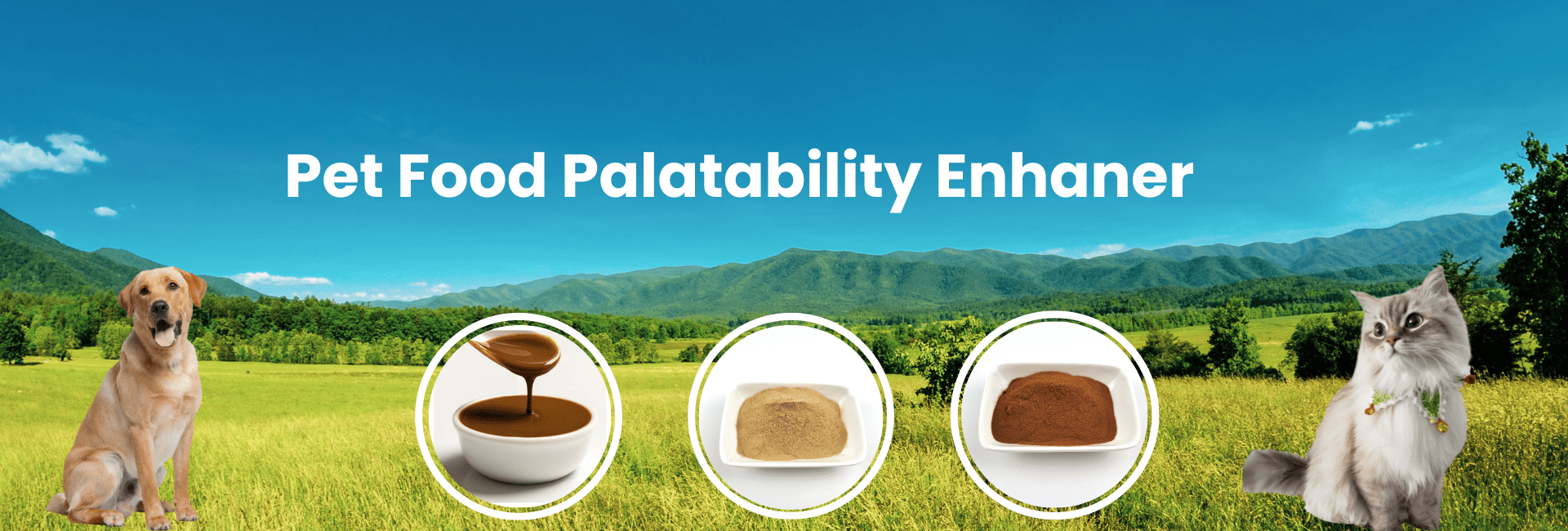

Pet Food Palatants
Why Pet Food Palatants Matter More Than Ever
Walk into any premium pet store in 2026 and you will notice one major trend: pet owners are no longer buying pet food based on nutrition alone. Taste, aroma, texture, feeding excitement, and long-term meal acceptance have become critical buying factors.
This shift has pushed pet food palatants into the spotlight.
Even the most nutritionally balanced pet food can fail if pets refuse to eat it consistently. Modern pet owners expect their dogs and cats to enjoy meals the same way humans enjoy food. That expectation has created massive demand for advanced pet food palatability technology.
Pet food palatants are specialized ingredient systems designed to improve the taste, aroma, and sensory appeal of pet food. They help manufacturers increase feed acceptance, reduce picky eating behavior, improve repeat purchases, and create stronger brand loyalty.
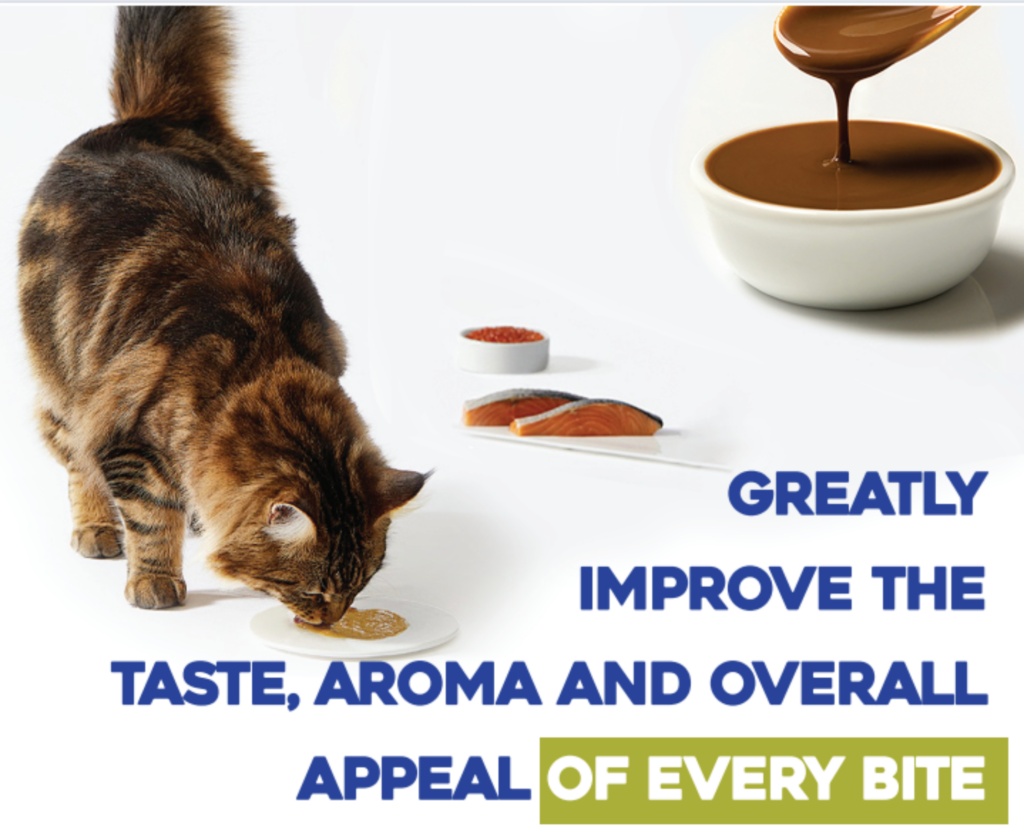
According to recent industry research, the global pet food palatant market reached approximately USD 1.63 billion in 2025 and is projected to continue growing strongly through 2034 with a CAGR above 7%. Rising pet humanization, premiumization, and demand for natural ingredients are the biggest growth drivers.
For pet food manufacturers, wholesalers, and private label brands, understanding palatants is no longer optional. It is now one of the most important competitive advantages in the global pet food market.
What Are Pet Food Palatants?
Pet food palatants are flavor-enhancing ingredient systems used to improve the aroma, taste, mouthfeel, and overall palatability of pet food products.
Originally, palatants were mainly enzymatically hydrolyzed meat digests applied to kibble surfaces to create stronger meat aroma. Today, the industry has evolved far beyond simple digests.
Modern pet food palatants can include:
- Hydrolyzed animal proteins
- Poultry liver digest
- Fish protein digest
- Yeast extracts
- Fermented proteins
- Functional flavor systems
- Liquid coating systems
- Dry powder flavor enhancers
- Natural umami compounds
- Fat-based aroma carriers
These ingredients work together to stimulate pets’ sensory responses and encourage consistent food intake.
This is especially important in:
- Dry kibble
- Grain-free formulas
- Veterinary diets
- Functional pet food
- Low-fat formulations
- Freeze dried foods
- Pet treats
- Senior pet nutrition
- Cat food formulations
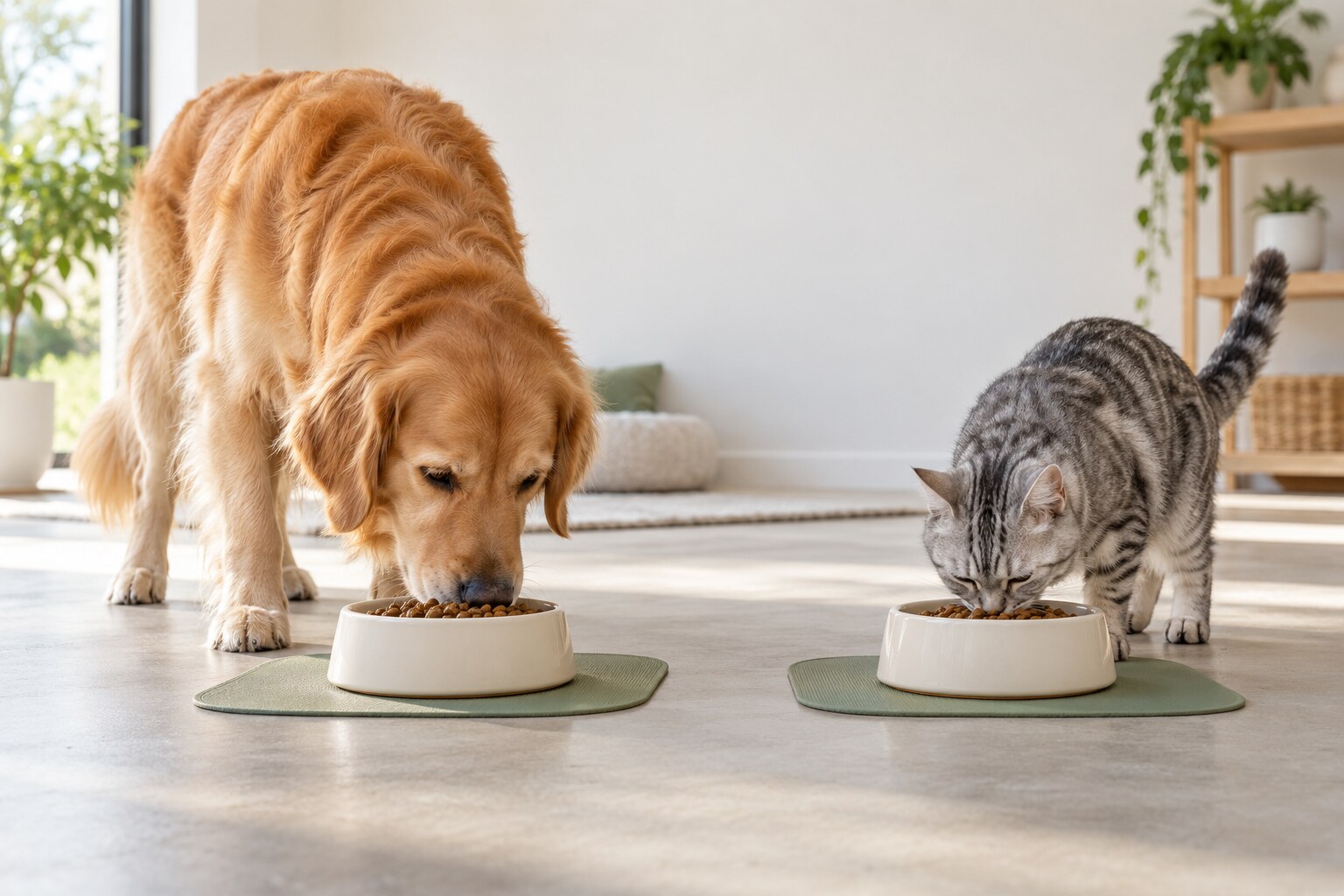
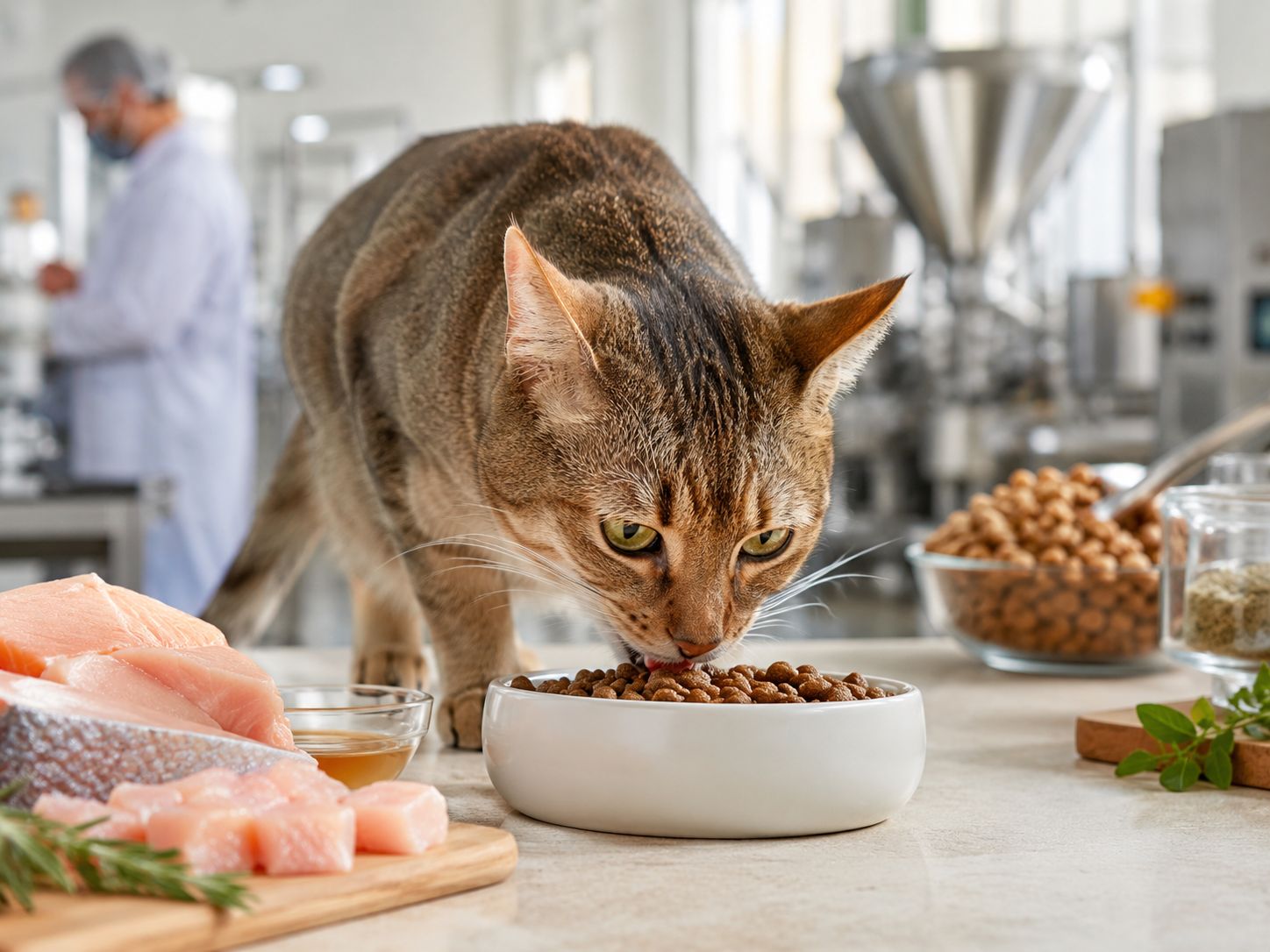
Cats and dogs respond differently to flavor profiles. Dogs typically prefer strong meaty flavors, while cats rely heavily on aroma and umami intensity.
That is why professional palatant development requires species-specific formulation.
Why Pet Food Manufacturers Use Palatants
1. Improve Feed Acceptance
The most obvious benefit is improved palatability.
Pets are more likely to eat food consistently when flavor and aroma are optimized. This helps manufacturers reduce complaints related to picky eating.
2. Increase Brand Loyalty
If pets enjoy a specific formula, pet owners are more likely to repurchase the same product repeatedly.
In today’s crowded pet food market, palatability directly influences customer retention.
3. Enhance Premium Product Positioning
High-end pet food brands increasingly market “taste satisfaction” alongside nutrition.
Premium palatants help create a better sensory experience while supporting clean-label positioning.
4. Support Functional Nutrition
Many functional ingredients have unpleasant tastes.
Examples include:
- Vitamins
- Minerals
- Joint supplements
- Probiotics
- Plant proteins
- Fiber-rich ingredients
Palatants help mask bitterness or off-notes from these additives.
5. Improve Feeding Consistency
Consistent intake is critical in:
- Veterinary diets
- Weight management diets
- Senior pet nutrition
- Prescription foods
If pets refuse therapeutic diets, nutritional goals fail.

Types of Pet Food Palatants
Dry Palatants
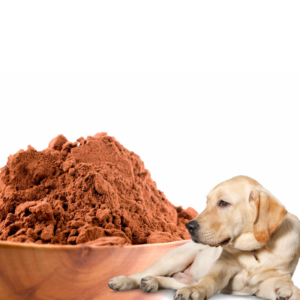
Dry palatants are commonly used in kibble manufacturing.
They are usually powder-based and applied topically after oil coating.
Advantages include:
- Excellent shelf stability
- Easy storage
- Uniform coating performance
- Lower microbial risk
- Cost-effective application
Dry palatants are especially popular in:
- Dry dog food
- Dry cat food
- Pet treats
- Extruded kibble
Liquid Palatants
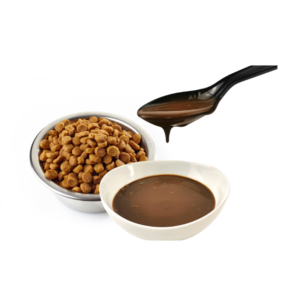
Liquid palatants are sprayed directly onto food surfaces.
They create stronger aroma release and immediate sensory attraction.
Advantages include:
- Strong aroma impact
- Better flavor adhesion
- Improved surface coverage
- Excellent performance in wet food
Liquid palatants are often combined with dry systems for layered flavor enhancement.

Animal-Based Palatants
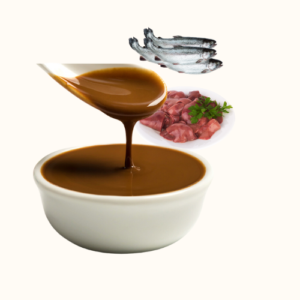
Animal-derived palatants remain dominant in the market.
Common sources include:
- Chicken liver
- Fish digest
- Pork digest
- Beef hydrolysate
- Poultry fat
- Tuna extract
These ingredients provide powerful meat aroma that pets instinctively prefer.
Plant-Based and Fermented Palatants
This category is growing rapidly.
Modern consumers increasingly prefer:
- Natural ingredients
- Sustainable sourcing
- Clean-label products
- Alternative proteins
As a result, yeast extracts, fermented proteins, and plant-based flavor systems are becoming more common.
Fermented palatants also offer better traceability and digestibility.
How Pet Food Palatants Are Applied
Application technology is just as important as the palatant itself.
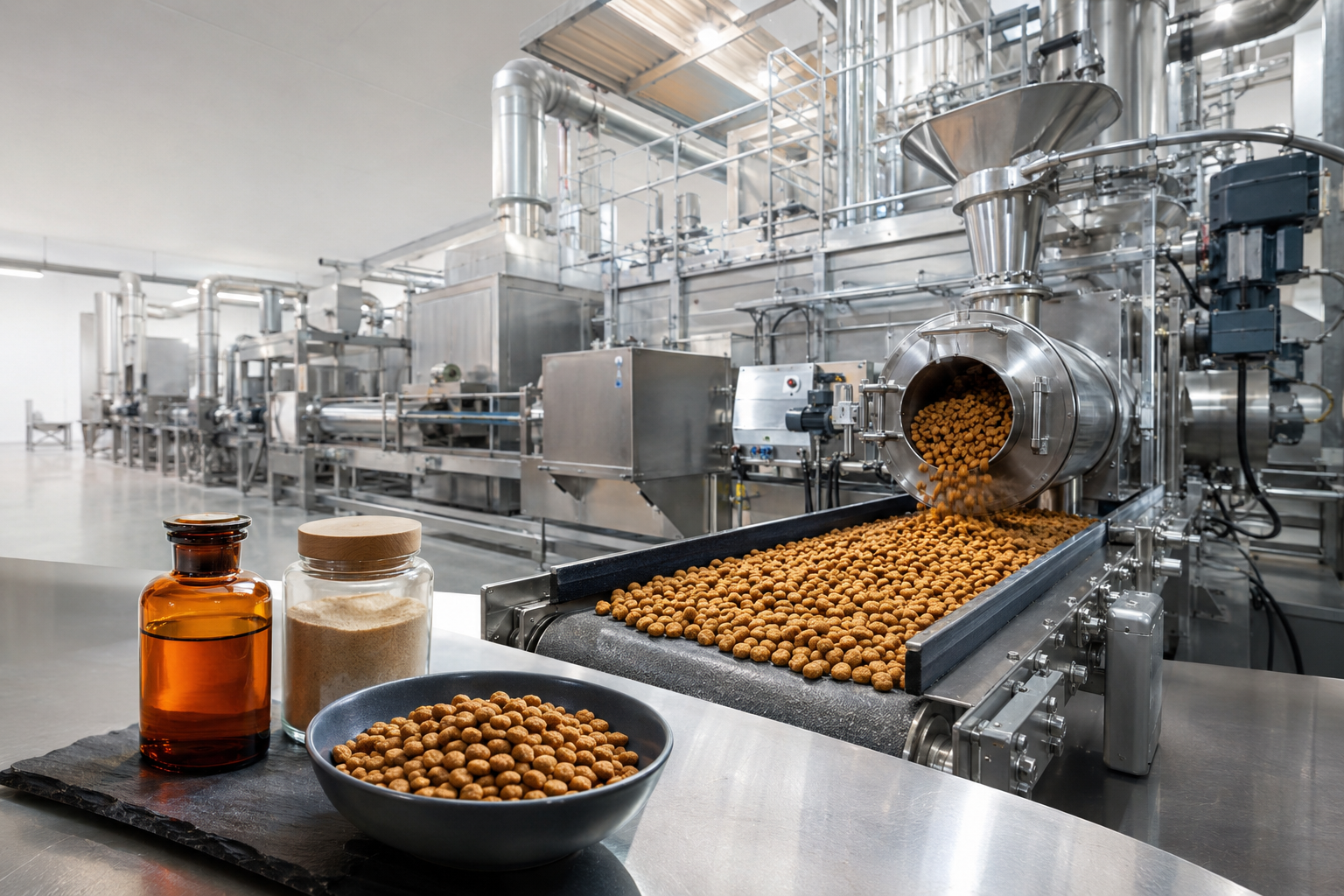
Most dry pet food manufacturers use a multi-step coating process.
Standard Coating Process
- Fat or oil coating
- Liquid palatant application
- Dry powder palatant application
This sequence improves adhesion and flavor stability.
Manufacturers commonly use:
- Drum coaters
- Vacuum coaters
- Spinning disk systems
Uniform application is critical because inconsistent coating leads to inconsistent feeding behavior.
In wet food manufacturing, palatants may be:
- Mixed into gravy
- Added before sealing
- Incorporated into pate systems
- Applied as top dressing
Why Natural Pet Food Palatants Are Growing Fast
Natural palatants are one of the biggest industry trends in 2026.
Pet owners increasingly read ingredient labels carefully.
Many consumers now avoid:
- Artificial flavors
- Synthetic preservatives
- Chemical-sounding additives
Instead, they prefer:
- Hydrolyzed liver
- Yeast extracts
- Fermented proteins
- Natural meat digests
- Sustainable fish ingredients
This trend is strongly connected to pet humanization.
People now treat pets as family members and expect food quality standards similar to human food.
As a result, manufacturers are investing heavily in:
- Natural flavor systems
- Functional palatants
- Sustainable sourcing
- Clean-label innovation
- Precision fermentation
Functional Palatants: The Future of Pet Food Flavor Technology
Modern palatants are no longer just flavor enhancers.
The newest generation of products combines palatability with functional health benefits.
Examples include palatants containing:
- Probiotics
- Omega fatty acids
- Digestive support compounds
- Skin & coat nutrients
- Gut health ingredients
- Immune support additives
This creates additional value for premium pet food brands.
Functional palatants are especially attractive in:
- Veterinary diets
- Senior pet foods
- Premium cat food
- Holistic pet nutrition
- Functional treats
Challenges in Pet Food Palatant Development
Despite strong market growth, the industry faces several major challenges.
Regulatory Compliance
Pet food additives must comply with regulations from:
- FDA
- AAFCO
- EFSA
- FEDIAF
Ingredient traceability and safety testing are becoming stricter every year.
Raw Material Volatility
Protein ingredients like fish meal and poultry digest can experience significant price fluctuations.
This affects manufacturing costs and pricing stability.
Sensory Consistency
Natural ingredients vary from batch to batch.
Maintaining consistent aroma and flavor performance is technically challenging.
Consumer Perception
Some consumers still misunderstand palatants and assume all flavor enhancers are artificial.
This creates pressure for cleaner labels and transparent communication.
The Global Pet Food Palatants Market in 2026
The pet food palatants market continues expanding due to several macro trends:
- Rising global pet ownership
- Premium pet food growth
- Humanization of pets
- Growth of freeze dried food
- Expansion of private label brands
- Increased demand for cat food
- Functional nutrition trends
- Better understanding of pet sensory science
Asia-Pacific is currently one of the fastest-growing regions due to:
- Urban pet ownership growth
- Expanding middle-class consumers
- Premium imported pet food demand
- Increased cat ownership
North America remains the largest premium market, while Europe leads in sustainability-focused formulations.
How to Choose the Right Pet Food Palatant Supplier
For pet food brands and manufacturers, selecting the right supplier is critical.
Look for Technical Expertise
A good supplier should understand:
- Coating technology
- Extrusion systems
- Species-specific preferences
- Stability testing
- Shelf-life performance

Check Quality Certifications
Reliable suppliers often hold certifications such as:
- BRC
- IFS
- ISO 22000
- HACCP
- FDA registration
Evaluate Customization Ability
Every pet food formula behaves differently.
Custom flavor development is often necessary.
Consider Global Export Experience
Experienced exporters understand:
- International compliance
- Documentation requirements
- Market-specific preferences
- Logistics stability
Why Palatability Is Becoming a Major Competitive Advantage
In the past, palatants operated quietly behind the scenes.
Today, they are becoming a core selling point.
Pet food brands now compete on:
- Taste acceptance
- Aroma quality
- Feeding excitement
- Texture experience
- Long-term meal engagement
Manufacturers are investing in:
- Sensory testing labs
- AI flavor modeling
- Two-bowl preference testing
- Advanced coating systems
- Fermentation technology
Palatability science is quickly evolving into one of the most important areas of pet food innovation.
Final Thoughts
Pet food palatants play a vital role in modern pet nutrition.
They help manufacturers create products that pets actually enjoy eating while supporting consistent nutrition intake.
As global demand for premium pet food continues rising, the importance of advanced palatability technology will only increase.
The future of the industry is moving toward:
- Natural ingredients
- Functional palatants
- Sustainable sourcing
- Fermented protein systems
- AI-driven flavor optimization
- Customized sensory solutions
For pet food brands, wholesalers, and OEM/ODM manufacturers, investing in the right palatant strategy can significantly improve product performance, customer retention, and long-term market competitiveness.
For more information about pet food palatants and custom palatability solutions, visit: