
Taste Boosters for Cats
Cats are naturally selective eaters. For pet food manufacturers, factories, and palatant suppliers, boosting palatability is one of the most important factors affecting product success. Taste boosters—commonly known as palatants—help ensure that dry food, wet food, and treats meet the sensory expectations of cats while supporting consistent feeding behavior.
Below is a practical and authoritative guide on how modern taste boosters work and how they can be used in feline nutrition production.
Why Taste Boosters Matter in Cat Food
Cats rely heavily on aroma and mouthfeel. Their taste preference is strongly influenced by:
- Strong, appealing aroma
- High umami impact
- Fresh meat notes
- Smooth, moist texture (wet food)
- Crisp, coated texture (dry kibble)
Palatants bridge the gap between nutritional formulation and cats’ instinct-driven sensory expectations.
What Are Taste Boosters (Palatants)?
Taste boosters are functional ingredients designed to enhance aroma, flavor, and acceptance. They work through three key mechanisms:
- Aroma Activation
Cats react quickly to volatile compounds. Palatants amplify cooked meat, roasted, or marine aromas. - Flavor Enhancement
Ingredients rich in umami—nucleotides, peptides, amino acids—boost savory depth.
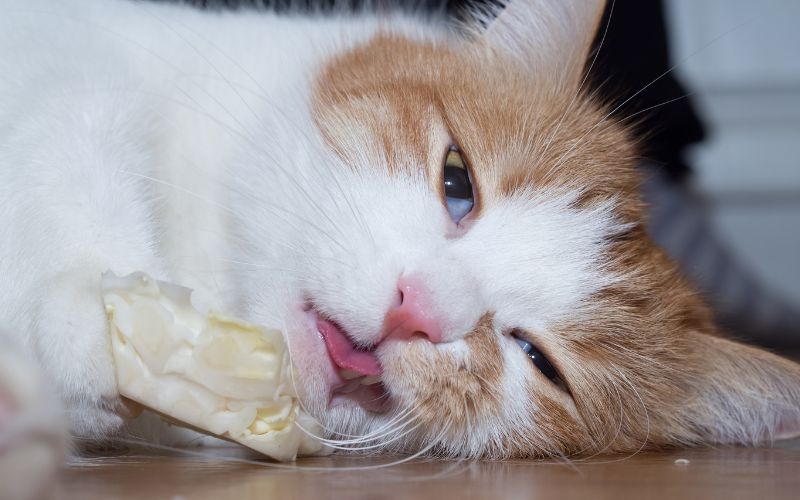
- Texture and Surface Performance
Especially in kibble, palatants create a flavorful coating that improves the first-bite experience.
Key Ingredients Used in Modern Cat Taste Boosters
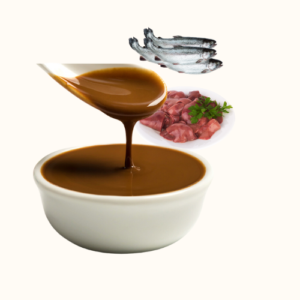
Hydrolyzed Animal Proteins
Produced through enzymatic hydrolysis of poultry, fish, or meat proteins.
Benefits: strong aroma release, meaty taste, ideal for spray-coating.
Yeast Extracts
Rich in natural umami compounds.
Benefits: boosts flavor intensity, enhances palatability in both dry and wet food.
Marine-Based Palatants
From salmon, tuna, shrimp, or whitefish.
Benefits: highly attractive to picky cats, powerful aroma impact.
Liver-Based Palatants
Frequent choice in feline diets.
Benefits: intense aroma, natural flavor acceptance.
Natural Umami from Plants
Including mushroom extracts, tomato concentrates, seaweed extracts.
Benefits: supports clean-label projects without compromising taste.
Maillard Reaction Palatants
Created through controlled heating of sugars and amino acids, mimicking roasted meat aroma.
Benefits: long-lasting aroma, ideal for dry food.
Application of Taste Boosters in Different Cat Food Formats
Wet Cat Food
Used to improve aroma density, broth flavor, and overall richness. Suitable for pâtés, gravies, and shredded textures.
Dry Cat Food
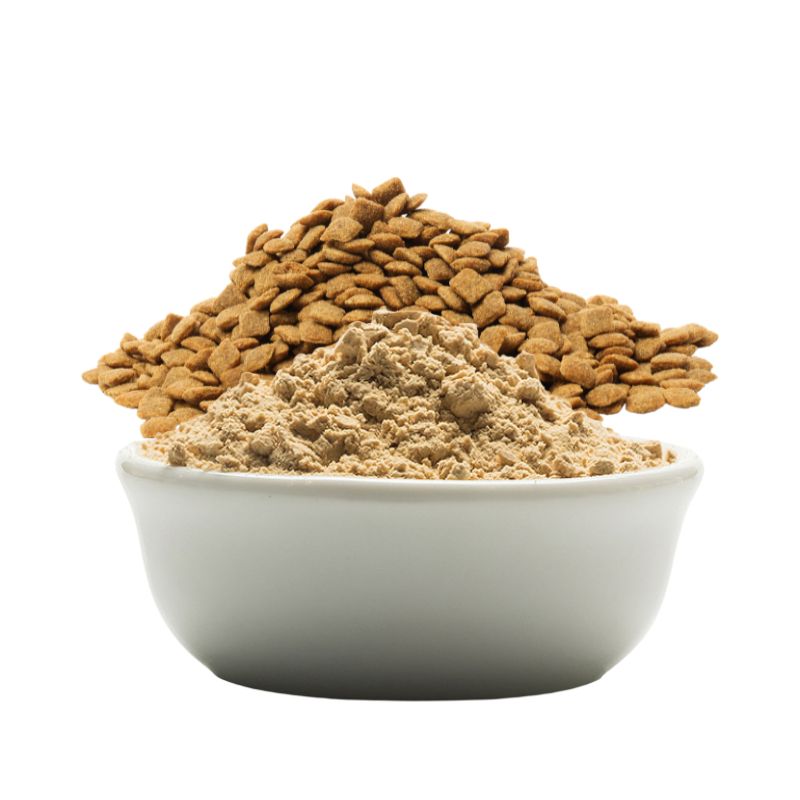
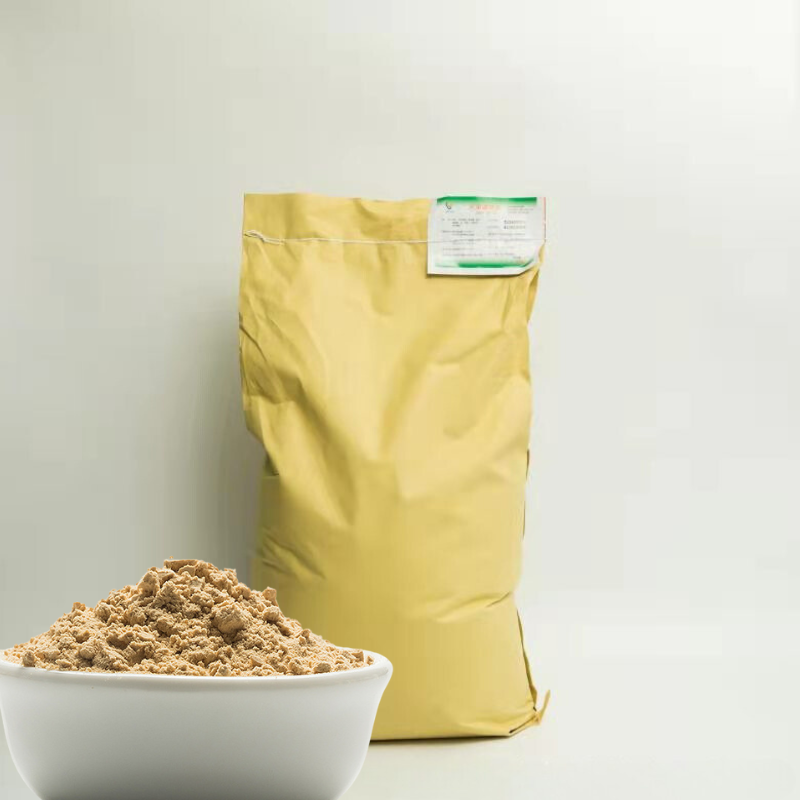
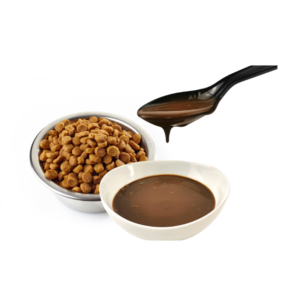
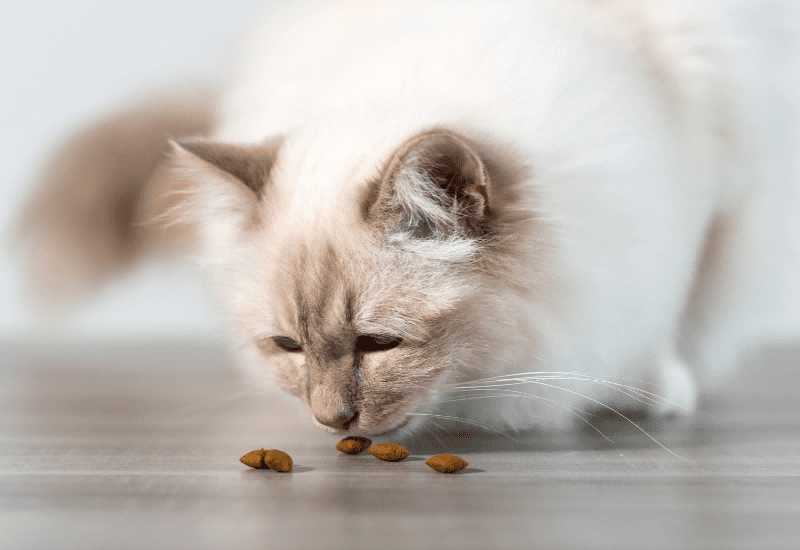
Applied as liquid or powder coatings. Dual-layer systems—fat + palatant—can significantly improve acceptance.
Freeze-Dried Cat Treats
Marine-based and hydrolyzed proteins work especially well due to low moisture and high protein retention.
What Feeding Data Shows About Cat Preferences
Studies and feeding trials consistently demonstrate:
- Aroma is the most important acceptance factor.
- Cats prefer diets with strong meat or fish signatures.
- Fresh meat–style aromas support 50–70% higher acceptance.
- Two-step coating systems improve palatability by up to 30%.
- Fish-based palatants outperform poultry in picky eaters.
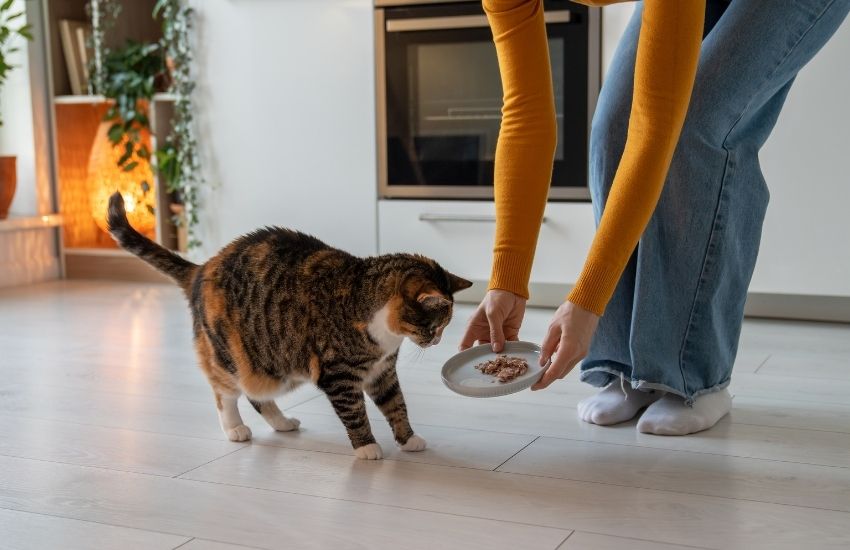
A structured palatant program reduces refusal rates and improves feeding consistency.
Choosing the Right Taste Booster for Your Production Line
Factors manufacturers typically consider:
- Sensory goals (aroma strength, masking off-notes, boosting meaty flavor)
- Food format (dry, wet, freeze-dried, baked)
- Processing method (extrusion, retort, drying, freeze drying)
- Market positioning (clean label, novel proteins, premium lines)
- Export compliance and regulatory needs
A palatant should integrate smoothly into your processing flow while delivering stable and predictable palatability results.
Custom Palatant Development for Cat Food
Modern palatant suppliers provide customized solutions, including:
- Tailored aroma profiles (tuna, chicken liver, roasted fish)
- Optimized coatings for extrusion, retort, or freeze-drying
- Specific cost ranges for premium vs. economy products
- Masking functions for diets with off-notes
- Options to support functional formulas such as urinary, renal, or sensitive stomach diets

This customization ensures stable performance across different product matrices.
Future Trends in Cat Taste Boosters
- Clean label demand: Simpler, more transparent ingredients.
- Fresh meat aroma mimicry: More advanced Maillard systems.
- Protein diversification: More novel or single-source proteins.
- Sustainable palatants: Yeast fermentation and upcycled raw materials.
These trends are reshaping how manufacturers design palatability strategies.
Conclusion
Taste boosters are essential to the success of modern cat food. Whether producing dry food, wet food, or specialty treats, palatants help manufacturers deliver products that satisfy feline sensory expectations while supporting strong market performance.
By choosing the right palatant strategy—combined with the right coating technology and processing method—your production line can achieve higher acceptance, stronger brand loyalty, and a more competitive product portfolio.
If your facility requires customized flavor development, aroma profiling, or process-matched palatants, modern palatant technologies offer reliable and effective solutions.