What Are Pet Food Palatants
A Pet’s Refusal to Eat Is a Manufacturing Problem—Here’s the Solution
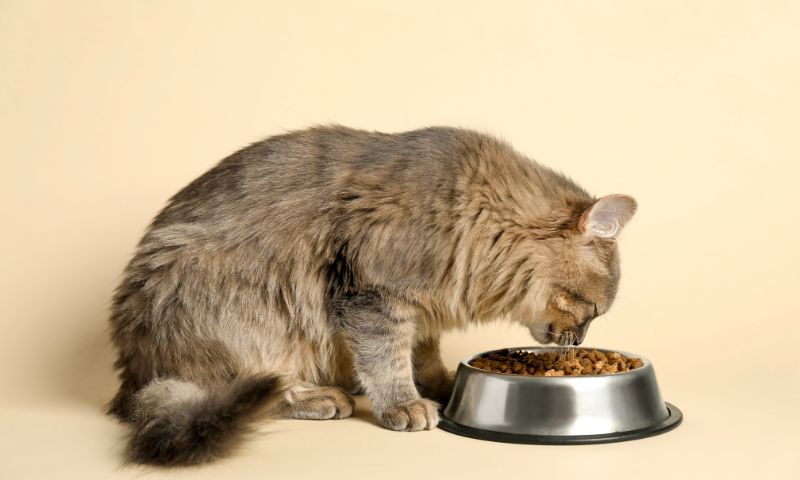
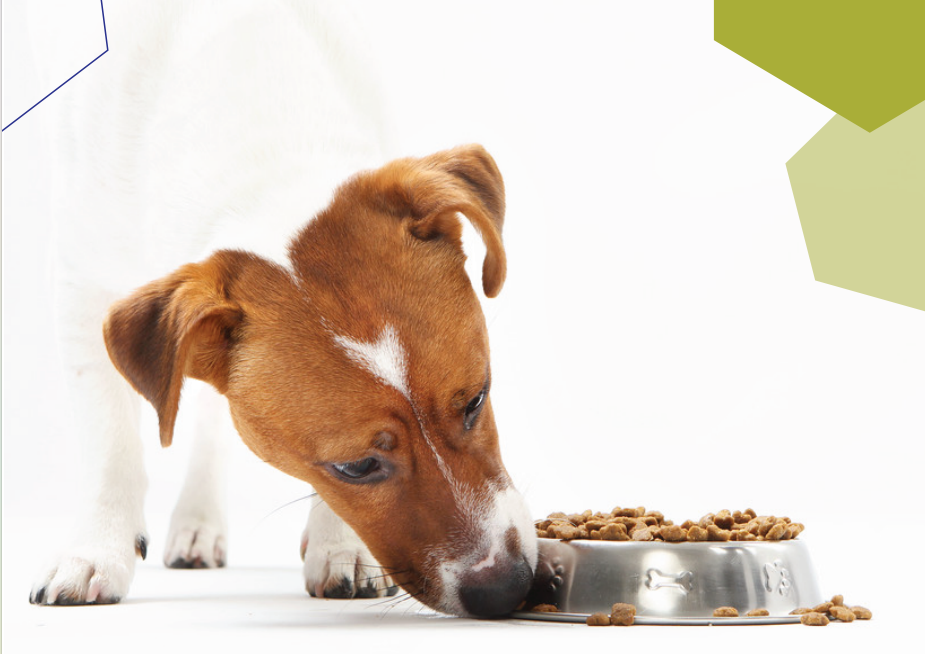
For pet food brands, there’s nothing more damaging than food rejection. Even if a product is nutritionally complete, if it doesn’t smell appealing, taste rich, or trigger a pet’s instinct to eat, it’s destined to be left in the bowl. That’s where pet food palatants come in.
Pet food palatants are invisible heroes in the world of animal nutrition—turning basic formulations into irresistible meals. In this guide, you’ll learn what they are, how they work, and why they’re mission-critical for successful pet food brands in 2026 and beyond.
What Are Palatants?
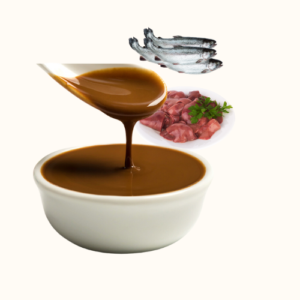
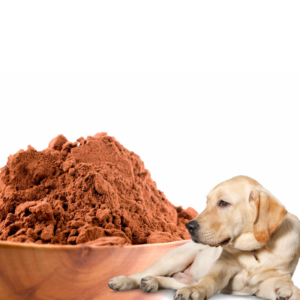
Pet food palatants are specially formulated flavor and aroma enhancers designed to improve the acceptability of pet food. Their main purpose is to increase palatability, ensuring pets are eager to eat, even when consuming the same product daily.
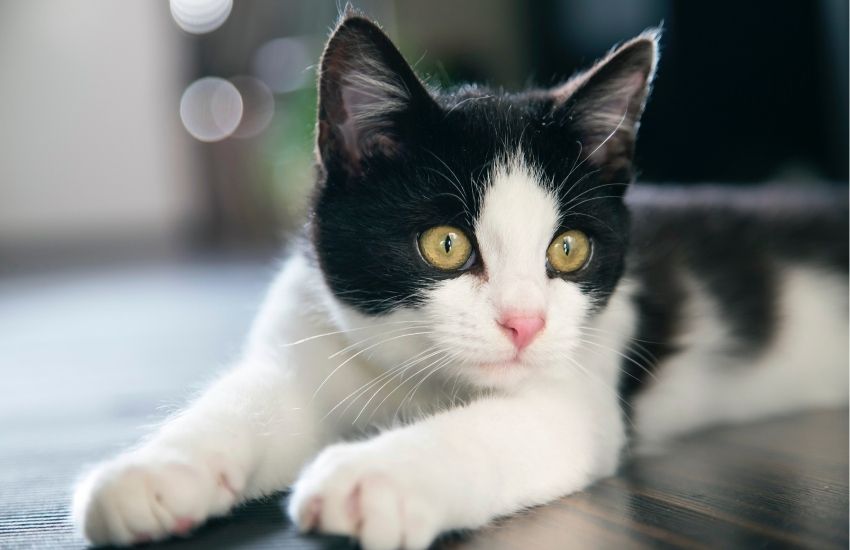
These palatants work by stimulating a pet’s olfactory and taste receptors—making the food more appealing through smell, flavor, and mouthfeel. Whether sprayed on kibble or infused into wet food, palatants make a noticeable difference in feeding behavior.
How Palatants Enhance Taste, Aroma, and Texture
Palatants function on two core sensory levels:
- Olfaction (smell): Pets, especially dogs, have highly sensitive noses. The right aromatic compounds in palatants stimulate their desire to eat before they even taste the food.
- Gustation (taste): Once consumed, palatants deliver specific flavor profiles—meaty, savory, or umami—that enhance the eating experience.
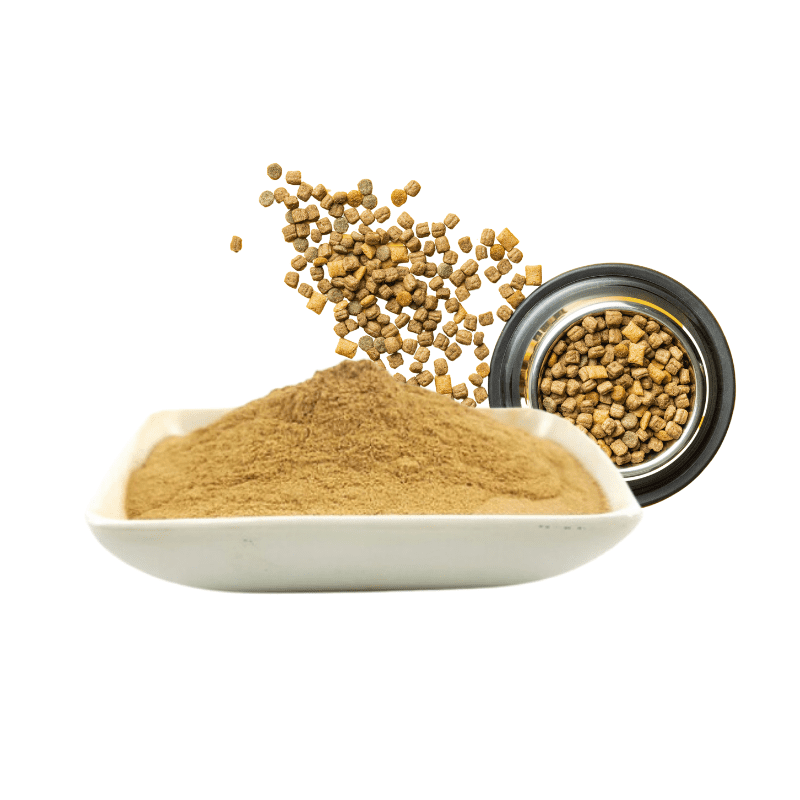
In dry kibble, palatants are often sprayed post-extrusion. In wet foods, they can be integrated directly into the meat mix or gravy base. Texture is also improved in some formulations with fats or binders to increase mouthfeel satisfaction.
Types of Palatants: Natural vs Synthetic
Understanding the types of palatants is critical when formulating for brand positioning, dietary claims, or regulatory compliance.

| Type | Description | Application |
|---|---|---|
| Natural Palatants | Derived from real meat, liver hydrolysates, yeast extracts, or vegetable proteins | Premium/natural brands, clean-label products |
| Synthetic Palatants | Lab-created aroma and flavor compounds | Cost-effective solutions, high-volume commercial feed |
| Enzymatic Hydrolysates | Proteins broken down into amino acids for rich umami taste | Specialized diets, hypoallergenic products |
| Lipid-Based Palatants | Fats or oils used to carry flavors and improve texture | Dry food/kibble coating |
Natural palatants are increasingly favored due to consumer demand for clean labels and transparency.
Common Palatants Used in Dog vs. Cat Food
Dogs and cats have different sensory preferences and require different palatant strategies.
For Dogs:
- Beef or chicken liver hydrolysates
- Yeast-based palatants
- Smoke or bacon aromas
- Fat-based coating agents
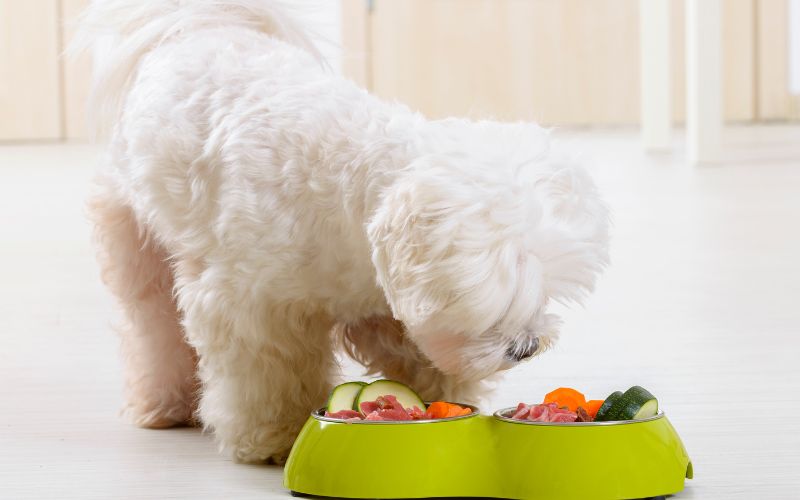
Dogs respond well to meaty, savory flavors and are more tolerant of flavor variety.
For Cats:
- Fish hydrolysates (tuna, salmon)
- Amino acid blends (taurine-enhanced)
- Seafood or fermented umami profiles
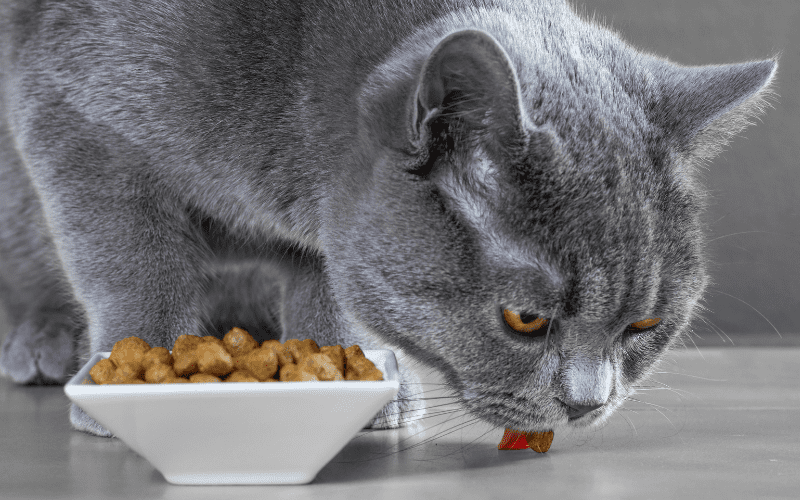
Cats are notoriously picky. They require stronger olfactory cues and specific amino acid ratios to trigger feeding responses.

Industry Applications: Dry, Wet, Freeze-Dried & Treats
Pet food palatants are used across every product category, including:
- Dry Kibble: Sprayed post-processing using oil-based carriers
- Wet/Canned Food: Integrated during mixing or added to the gravy phase
- Freeze-Dried Snacks: Dusted or injected for high meat aroma impact
- Pet Treats: Enhanced for reward motivation and scent appeal
OEM/ODM brands often request palatants tailored to pet type, recipe, or regional flavor preferences (e.g., beef for US, seafood for Asia).
Regulatory Considerations: FDA & AAFCO-Compliant
Palatants are considered feed additives and must comply with regional and international regulations.
USA:
- AAFCO defines acceptable ingredients and requires palatants to be labeled clearly.
- Any GRAS (Generally Recognized As Safe) substances must be documented.
EU:
- Subject to FEDIAF and EFSA guidelines.
- Palatants often require labeling under “flavoring compounds” or “aromatic substances”.
China & Global Markets:
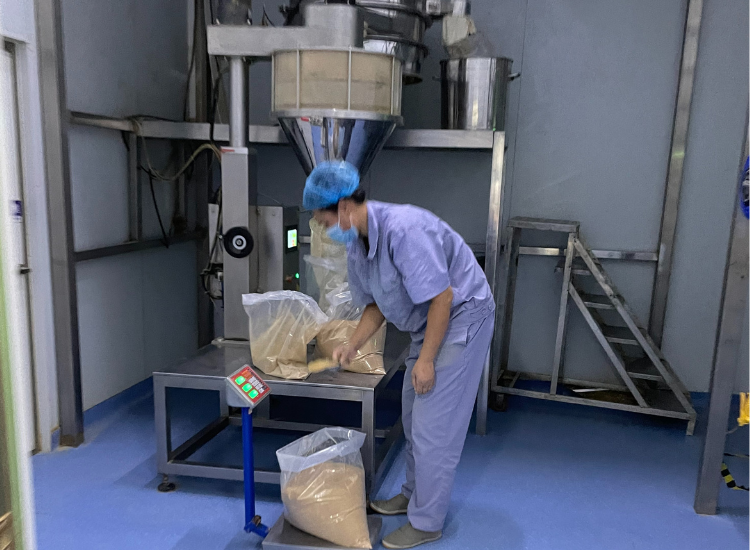
- OEM producers must maintain third-party testing certifications for veterinary drug residues, heavy metals, plasticizers, and microbial load.
- Certifications like BRC, IFS, FSSC22000 are essential for export.
Why Palatants Matter More Than Ever
Modern pet parents are treating their pets like family. That means:
- High expectations for taste, quality, and transparency
- Rising popularity of functional treats and gourmet food
- Low tolerance for food refusal—especially in senior pets or picky eaters
Palatants are no longer optional; they’re a core driver of brand performance. Products with high palatability see better reviews, fewer returns, and stronger customer loyalty.
Contact Us for OEM/ODM Palatant Solutions
At Matchwell, we specialize in OEM and ODM pet food palatant solutions. With over 30 national patents and certifications like BRC, IFS, and FSSC22000, we offer:
- Custom formulations based on your product and region
- Natural or synthetic options tailored to your budget
- Full testing support with Intertek, SGS, and CIQ
- Third-party compliance reports to meet import regulations

📩 Contact our team today to request a sample, technical spec sheet, or start a custom formulation for your pet food brand.