A Look at Palatability Ingredients That Work
Why Some Pet Foods Get Gobbled Up — and Others Get Snubbed
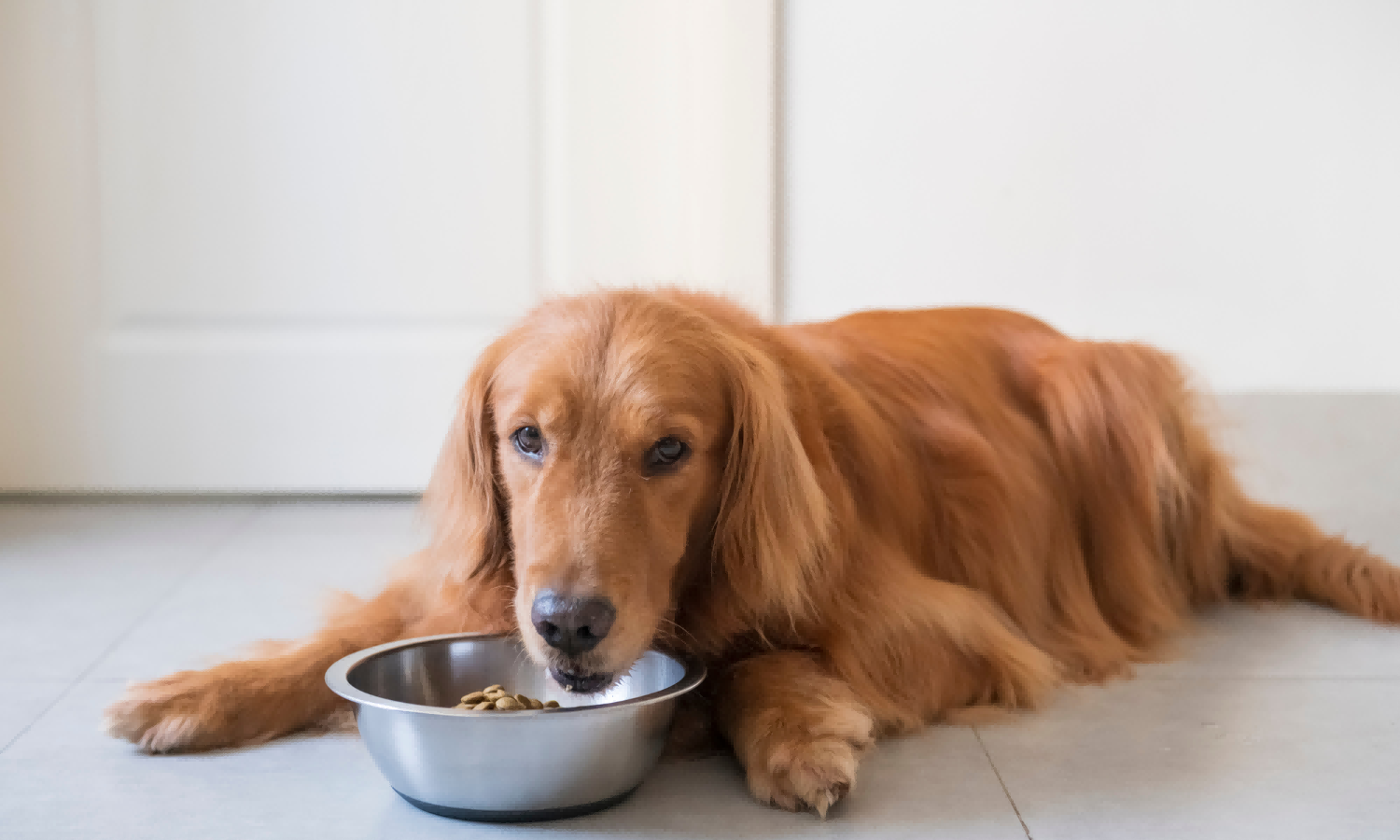
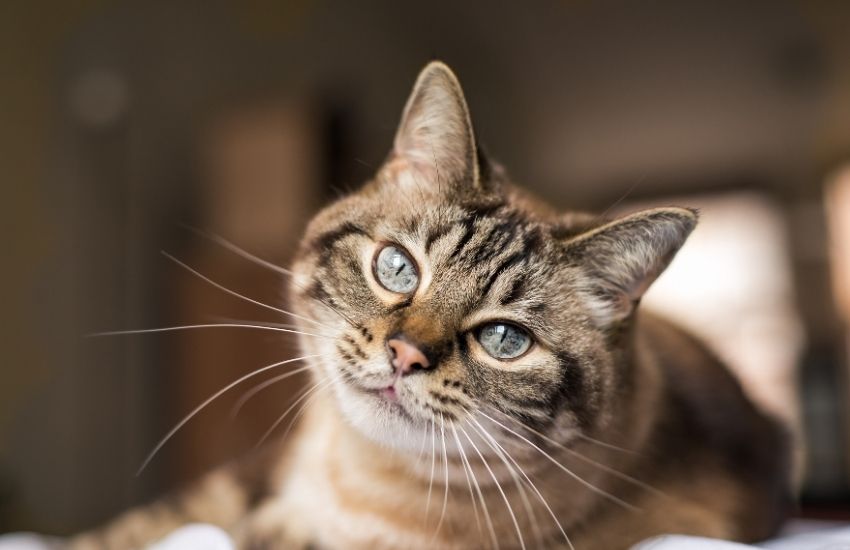
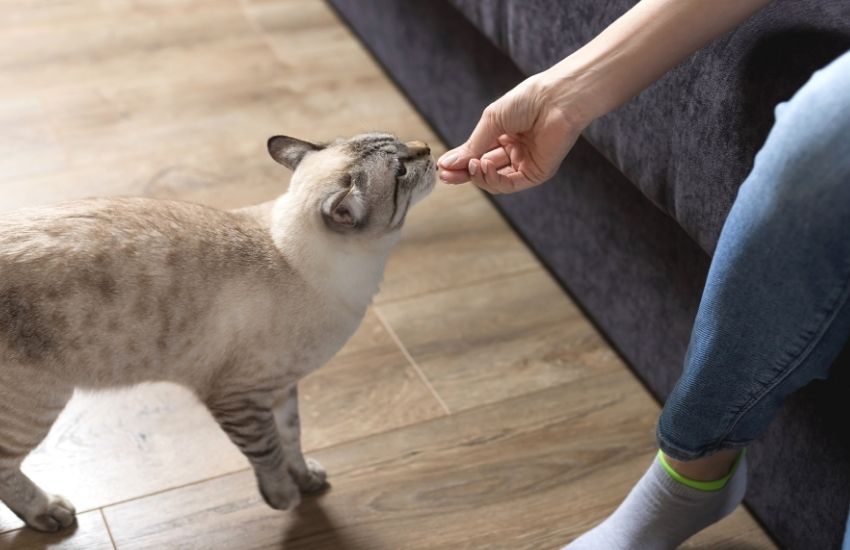
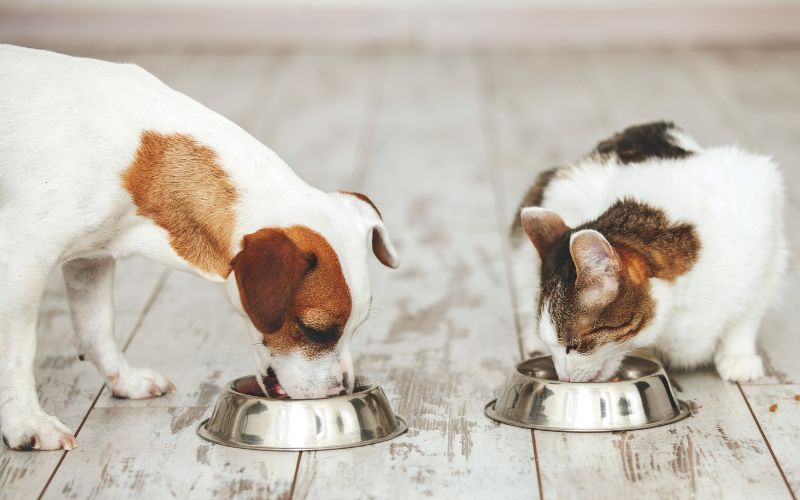
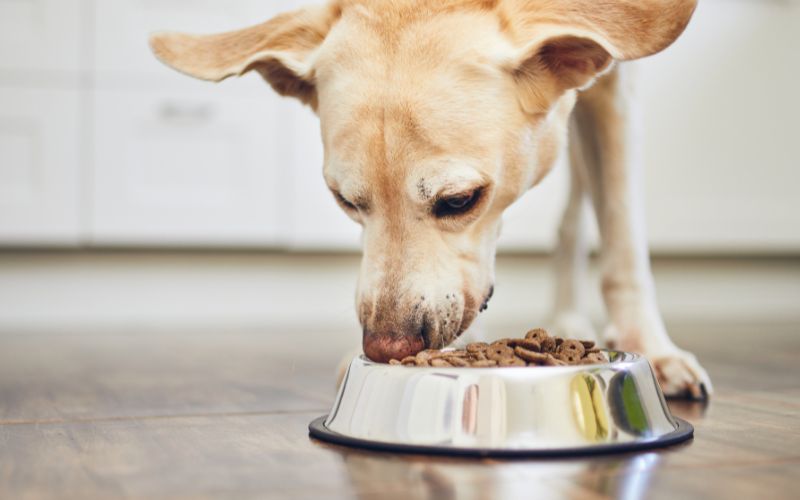
If you’ve ever watched a dog devour a bowl of kibble in seconds, or seen a cat walk away from a new food with a disgusted flick of the tail, you’ve witnessed palatability in action.
Palatability — the combination of taste, smell, and texture — plays a critical role in whether pets actually eat the food we make for them. And for manufacturers, that can be the difference between a best-seller and a product that sits on shelves.
So, what makes pet food irresistible? Let’s break down the key ingredients that attract both dogs and cats, and how manufacturers can use them to craft recipes that keep tails wagging and whiskers twitching.

Cats Are Picky for a Reason
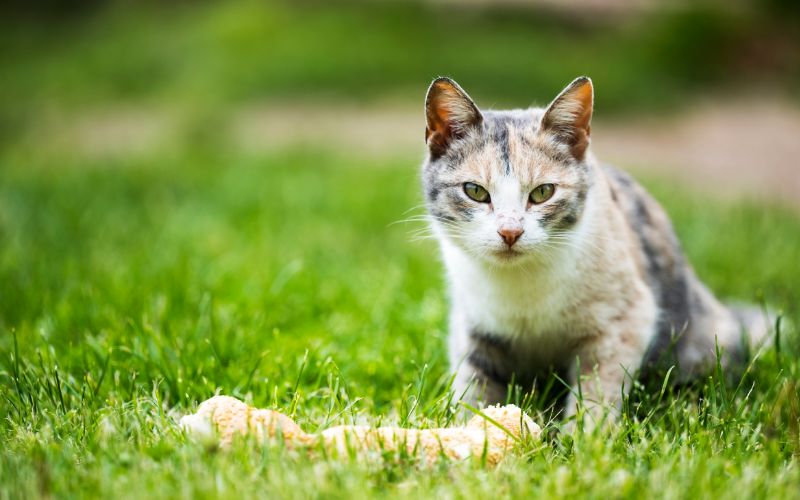
Cats are notoriously choosy eaters. As obligate carnivores, their bodies are wired to crave meat — not grains, not fillers, but real animal protein. This means that every bite has to deliver on aroma and flavor to satisfy their instincts.
Here are some go-to ingredients that really get their attention:
🐟 Fish and Meat Hydrolysates
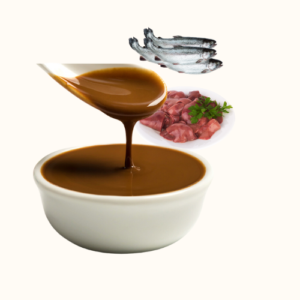
Hydrolyzed proteins from tuna, chicken, or liver release strong, natural aromas that cats love. These are commonly used in both dry and wet cat foods to boost flavor and scent.
🐔 Chicken Liver Powder
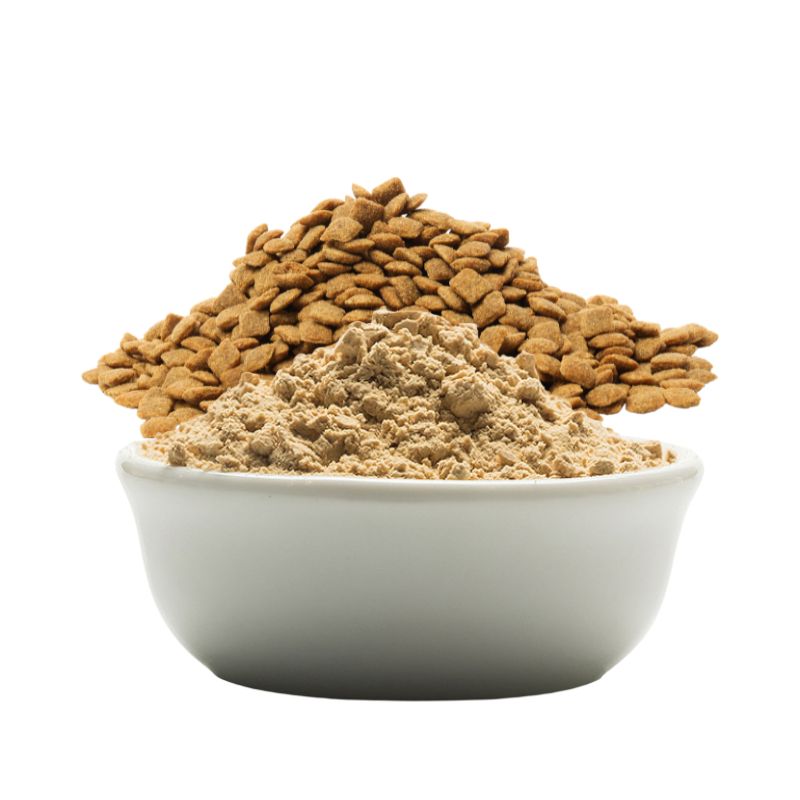
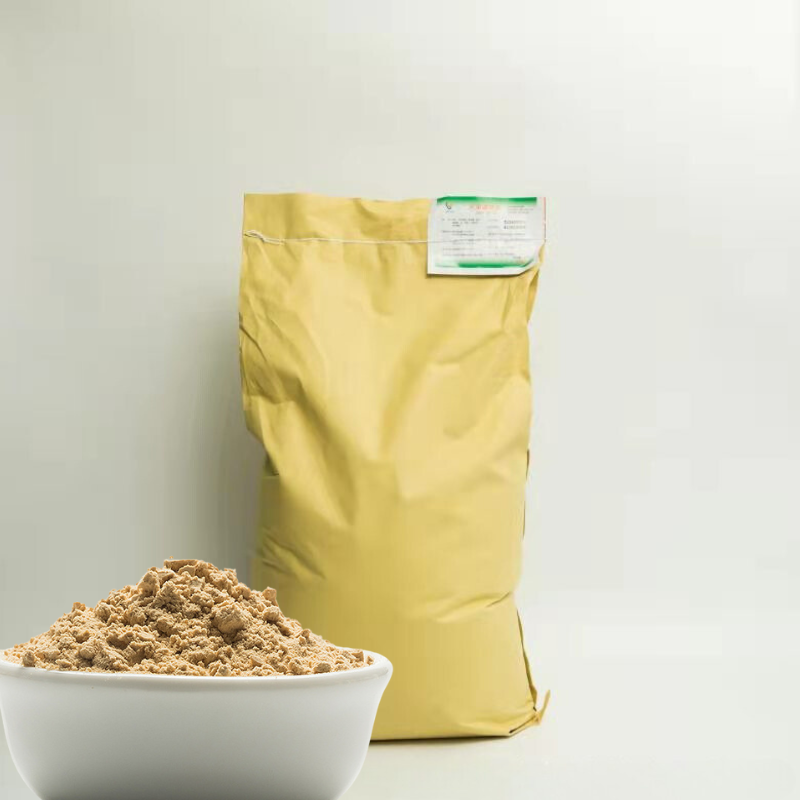
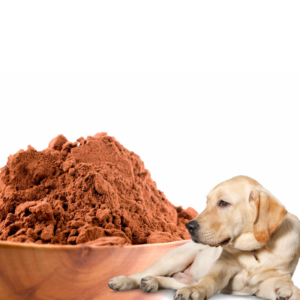
Packed with umami flavor and nutrients, chicken liver is a tried-and-true favorite. Spray-dried liver powder works especially well as a palatant coating on kibble.
🧬 Yeast Extracts
Yeast is more than a nutritional additive — it’s a flavor booster. Rich in nucleotides and amino acids, it can enhance the meaty notes cats crave, especially in dry formulas.
🧈 Animal Fats and Coatings
Fats not only improve mouthfeel but also carry scent molecules that increase the aroma, making food more attractive from the moment it hits the bowl.
Dogs: Eager Eaters, but Still Flavor-Conscious
Dogs are generally less picky than cats, but that doesn’t mean they’ll eat just anything. The most successful dog food formulas balance flavor, aroma, and texture to match what dogs naturally enjoy.
🍗 Real Meat and Poultry Meals
The base of a good dog food is quality meat — beef, chicken, lamb — in meal or hydrolysate form. These provide a strong protein flavor and familiar scent that dogs instinctively respond to.
🐾 Liver-Based Ingredients
Just like cats, dogs go wild for liver. Beef or chicken liver powders are especially popular in treats and training snacks for this reason.
🧂 Natural Smoke or Grilled Flavoring
That smoky, “just-cooked” aroma? It’s not just for humans. Dogs love it, too. Natural smoke flavoring can add a homemade, meaty feel to kibble or wet food.
🧴 Fat Sprays and Oils
A light coating of chicken fat, beef tallow, or fish oil can take even an average kibble to the next level. These fats carry flavor and help release scent as dogs chew.

Ingredients That Work for Both Dogs and Cats
Some ingredients have universal appeal and are used across species to enhance food palatability. These include:
- Hydrolyzed animal proteins – Easy to digest and very aromatic
- Fermented ingredients – Support gut health and improve taste
- Spray-dried plasma – Rich in nutrients and naturally tasty
- Cheese or dairy flavors – Especially popular in pet treats
- Custom palatant blends – Tailored to the product and animal preferences
At ProfyPet, we develop custom palatability solutions that blend these ingredients to meet the specific needs of your recipe — whether you’re producing premium cat kibble or grain-free dog treats.
Pet Food Format Matters, Too
How you use palatability enhancers depends a lot on the type of pet food you’re making:
- Dry food: Spraying flavors or fats post-extrusion is key. This helps retain aroma and ensures every bite is coated.
- Wet food: You’ll want ingredients that can stand up to heat and retain flavor during cooking.
- Treats: Flavor must be punchy and immediate. Liver powders and smoke flavors work well here.

Choosing the Right Palatability Enhancer Supplier
Not all palatability enhancers are created equal — and neither are the suppliers. When you’re sourcing ingredients, look for:
✅ Consistent quality and raw material sourcing
✅ Regulatory compliance (think AAFCO, FAMI-QS, or EU feed regulations)
✅ Customization for your specific product goals
✅ Technical support and formulation advice
At ProfyPet, we don’t just sell ingredients — we help you build better pet food. Our flavor enhancer solutions are tailored to improve both taste and performance across your product line.
Looking Ahead: Natural and Functional Is the Future
As pet parents become more ingredient-conscious, there’s a growing push for natural, clean-label palatability solutions.
We’re seeing more demand for:
- Plant-based proteins with meaty flavor
- Insect protein hydrolysates as novel, sustainable options
- Functional ingredients that improve both taste and pet wellness
If you’re developing new products, especially for the premium market, now’s the time to think beyond basic taste — and toward holistic flavor and health.
Final Takeaway
Great pet food starts with great taste. Whether you’re formulating for finicky felines or enthusiastic pups, choosing the right ingredients to boost palatability is essential. From hydrolyzed proteins and liver powders to fats and yeast extracts, every element plays a role in getting pets excited about mealtime.
Want to develop a pet food line that pets (and their humans) can’t resist?
Let ProfyPet help you craft it — with proven, high-quality palatability enhancers that are as effective as they are innovative.