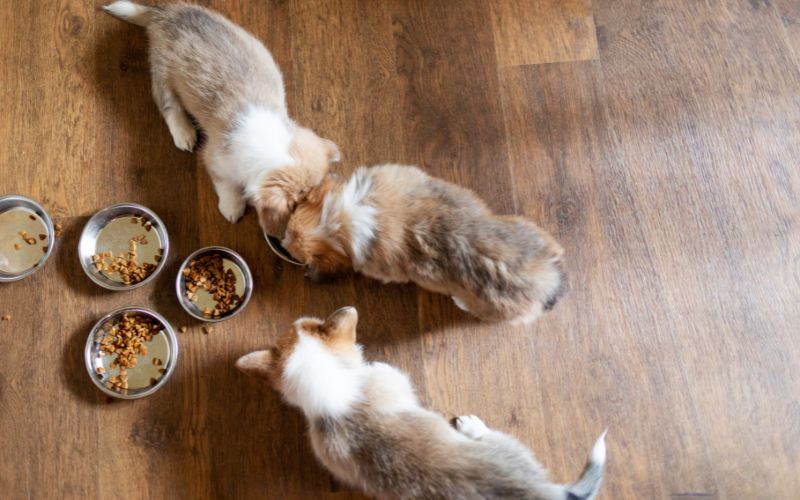
Why Cats Refuse Food Suddenly
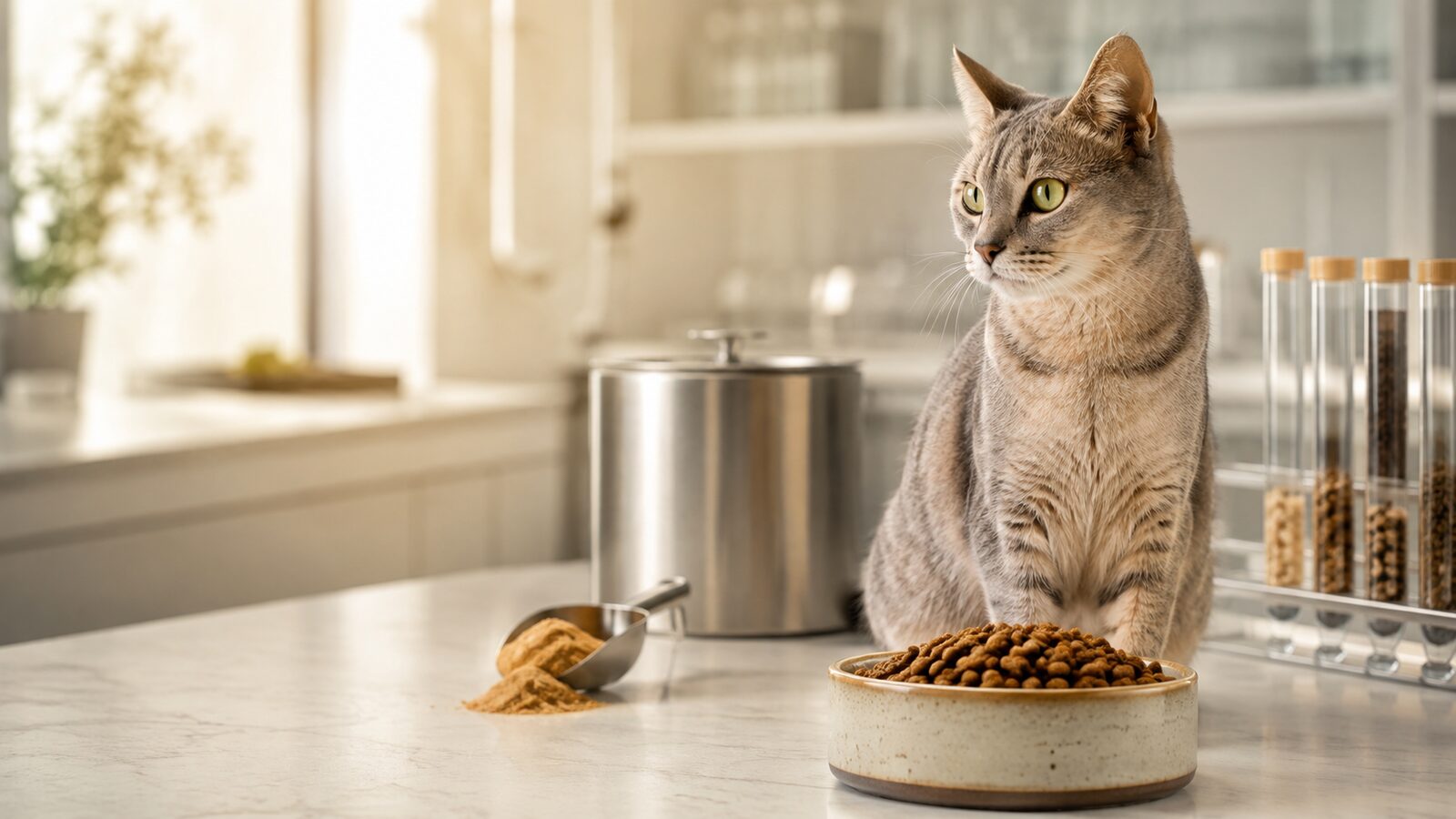
Cats are famous for being selective eaters. One day they clean the bowl in seconds, and the next day they walk away from the exact same food without even taking a bite. For pet owners, this behavior can be stressful. For pet food manufacturers, wholesalers, and palatability solution suppliers, sudden food refusal is a serious challenge directly linked to product acceptance, customer retention, and repeat purchases.
In recent years, veterinarians and pet nutrition researchers have paid closer attention to feline appetite behavior. According to data from the American Veterinary Medical Association and Cornell Feline Health Center, cats can develop dangerous health complications if they stop eating for even 24–48 hours.
Understanding why cats suddenly refuse food is now more important than ever for the pet food industry.
For companies involved in pet food palatants, pet food palatability enhancer development, or premium cat food manufacturing, solving this issue can create a major competitive advantage.
Why Sudden Food Refusal in Cats Is a Serious Problem
Unlike dogs, cats are biologically programmed to be cautious eaters. Their survival instincts make them highly sensitive to changes in smell, texture, freshness, and even feeding environment.
When a cat suddenly refuses food, the consequences can escalate quickly:
- Weight loss
- Dehydration
- Reduced immunity
- Digestive disruption
- Hepatic lipidosis (fatty liver disease)
- Long-term food aversion
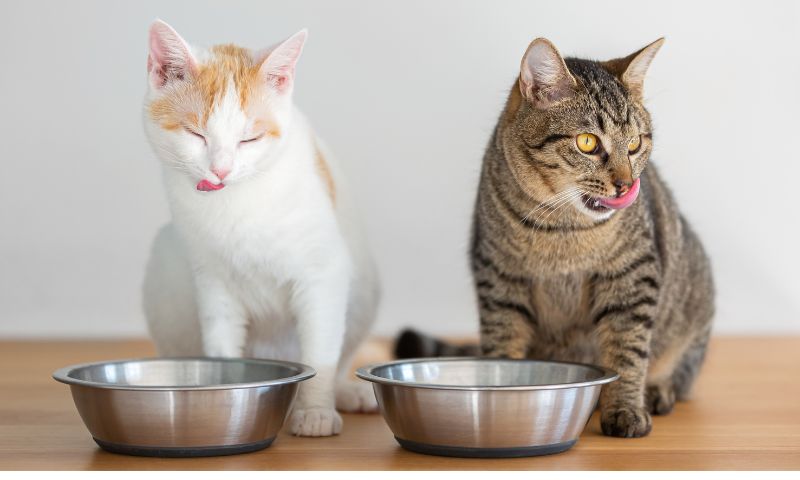
A study published by the National Center for Biotechnology Information (NCBI) found that feline appetite is strongly influenced by aroma compounds and animal-based protein hydrolysates.
This is one reason why modern pet food palatants have become critical in commercial cat food formulations.
The Most Common Reasons Cats Suddenly Stop Eating
1. Changes in Smell or Flavor
Cats rely on smell far more than humans when deciding whether food is safe and appealing.
Even small formulation adjustments can reduce acceptance:
- Protein source changes
- Oxidized fats
- Different oil coatings
- Packaging exposure to oxygen
- Storage temperature fluctuations
Research from Petfood Industry Magazine shows aroma stability is one of the biggest factors affecting cat food acceptance.
If a food loses its fresh meat aroma, many cats reject it immediately.
This is why hydrolyzed liver digest and animal protein-based palatability enhancers are widely used in premium cat food production.
2. Stress and Environmental Changes
Cats are highly routine-oriented animals.
Common stress triggers include:
- Moving to a new home
- New pets
- Loud noises
- Changes in feeding location
- Travel
- Boarding
- New family members
According to International Cat Care, stress can suppress appetite even when the cat is physically healthy.
This creates a challenge for pet food brands because owners often blame the food itself rather than the environmental factor.
Foods with stronger aroma release and improved palatability coatings can help maintain intake during stressful periods.
3. Texture Fatigue
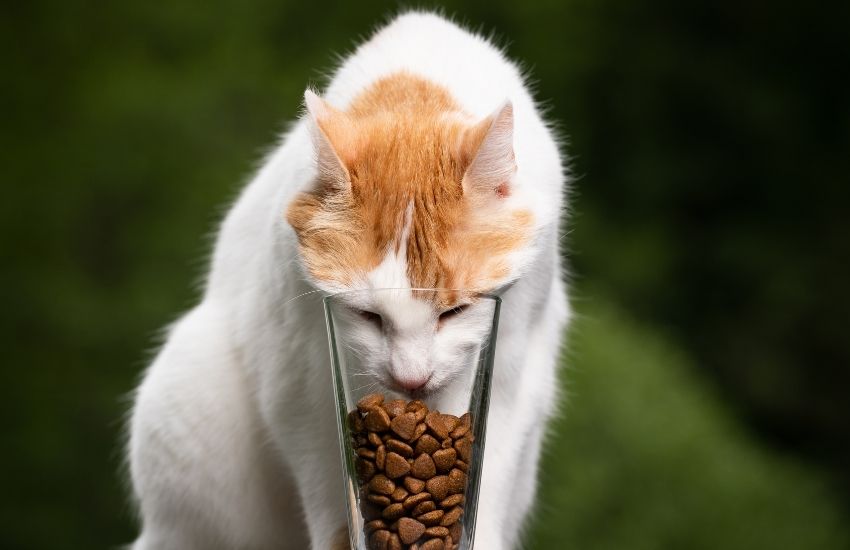
Cats can become bored with the same texture over time.
A cat may suddenly reject:
- Dry kibble only
- Large kibble size
- Sticky wet food
- Overly hard treats
- Powder-heavy coatings
Texture diversity plays a surprisingly large role in feline feeding behavior.
Many premium manufacturers now rotate:
- Crunch levels
- Surface coatings
- Moisture content
- Protein combinations
This trend has increased demand for customized pet food palatability enhancer systems designed for different processing methods.
4. Dental Pain or Oral Problems
Dental disease is extremely common in cats, especially older cats.
Symptoms include:
- Sniffing food but not eating
- Dropping kibble
- Eating only wet food
- Pawing at the mouth
- Bad breath
The American Animal Hospital Association estimates that most cats over age three show some form of dental disease.
In these cases, softer textures and stronger flavor systems often improve feeding acceptance.
5. Low-Quality Protein Sources
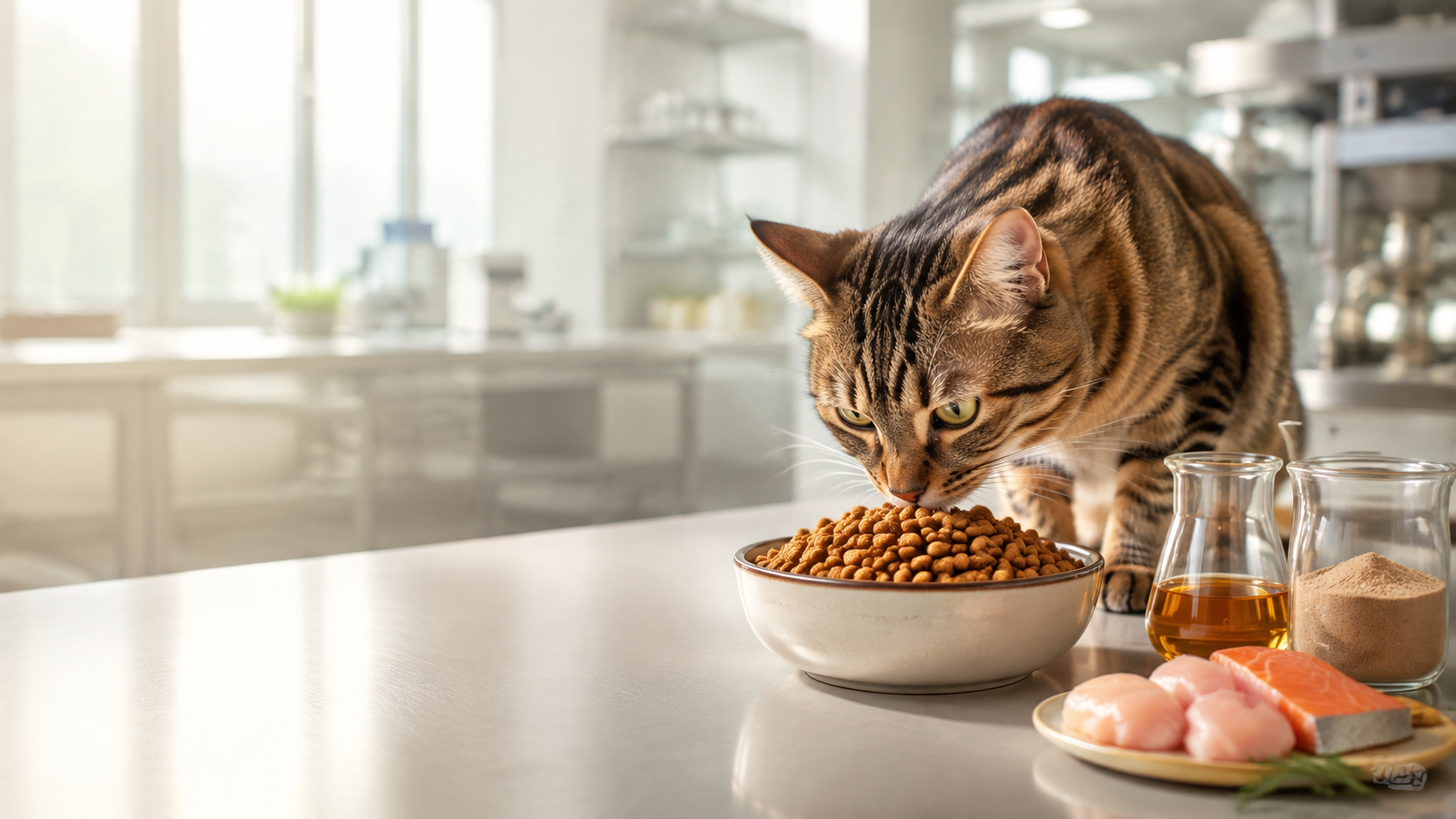
Cats are obligate carnivores. They naturally prefer animal-based proteins rich in amino acids and meat aroma compounds.
Low digestibility protein ingredients may reduce:
- Aroma attractiveness
- Surface flavor release
- Feeding excitement
Modern pet food manufacturers increasingly use:
- Chicken liver hydrolysate
- Poultry digest
- Fish protein digest
- Spray-dried palatants
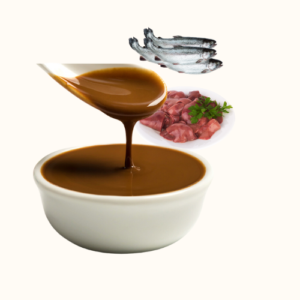
- Liquid liver coatings
These ingredients improve aroma intensity while supporting consistent palatability performance.
Why Palatability Is Becoming a Competitive Advantage
The global pet food market is becoming increasingly premiumized.
Consumers now expect:
- Higher meat inclusion
- Better aroma
- Natural ingredients
- Improved feeding enthusiasm
- Better appetite support
According to Grand View Research, the global pet food ingredients market continues to grow rapidly due to demand for premium nutrition and functional additives.
As competition increases, cat food brands that fail feeding trials may lose customers quickly.
This is especially important for:
- OEM pet food manufacturers
- Private label cat food brands
- Pet food factories
- Pet food palatant wholesalers
A strong palatability system is no longer optional for premium cat food positioning.
How Pet Food Palatants Help Improve Cat Appetite
Modern pet food palatants are designed to stimulate feline feeding behavior through aroma and taste enhancement.
Key functions include:
Aroma Enhancement
Cats react strongly to volatile meat aromas. Hydrolyzed animal proteins release compounds that trigger appetite stimulation.
Surface Flavor Coating
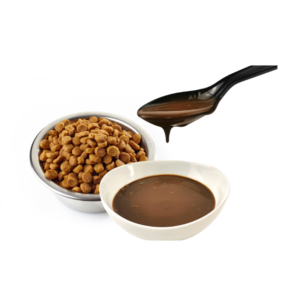
Liquid palatants improve flavor adherence on kibble surfaces, increasing first-bite acceptance.
Taste Persistence
High-quality palatability enhancers create a longer-lasting flavor profile, encouraging repeat feeding.
Texture Compatibility
Customized systems can be optimized for:
- Extruded kibble
- Freeze-dried food
- Wet food
- Semi-moist treats
- Functional snacks
The Growing Demand for Cat Appetite Solutions
One interesting industry trend is the rise of “appetite support” products.
Many pet owners now actively search for:
- Appetite booster for cats
- Cat food flavor enhancer
- Cat appetite stimulant
- Highly palatable cat food
- Senior cat feeding solutions
This trend creates opportunities for:
- Ingredient suppliers
- Palatant manufacturers
- OEM factories
- Functional pet food developers
Manufacturers able to improve feeding response often gain stronger customer loyalty and better online reviews.
What Pet Food Manufacturers Should Focus On
For brands targeting long-term success in cat nutrition, several factors matter most:
1. Consistent Aroma Stability
Flavor consistency across batches is essential.
2. High-Quality Digest Sources
Premium hydrolyzed liver and poultry digest systems generally perform better than low-cost alternatives.
3. Coating Technology
Uniform coating distribution improves acceptance rates.
4. Species-Specific Formulation
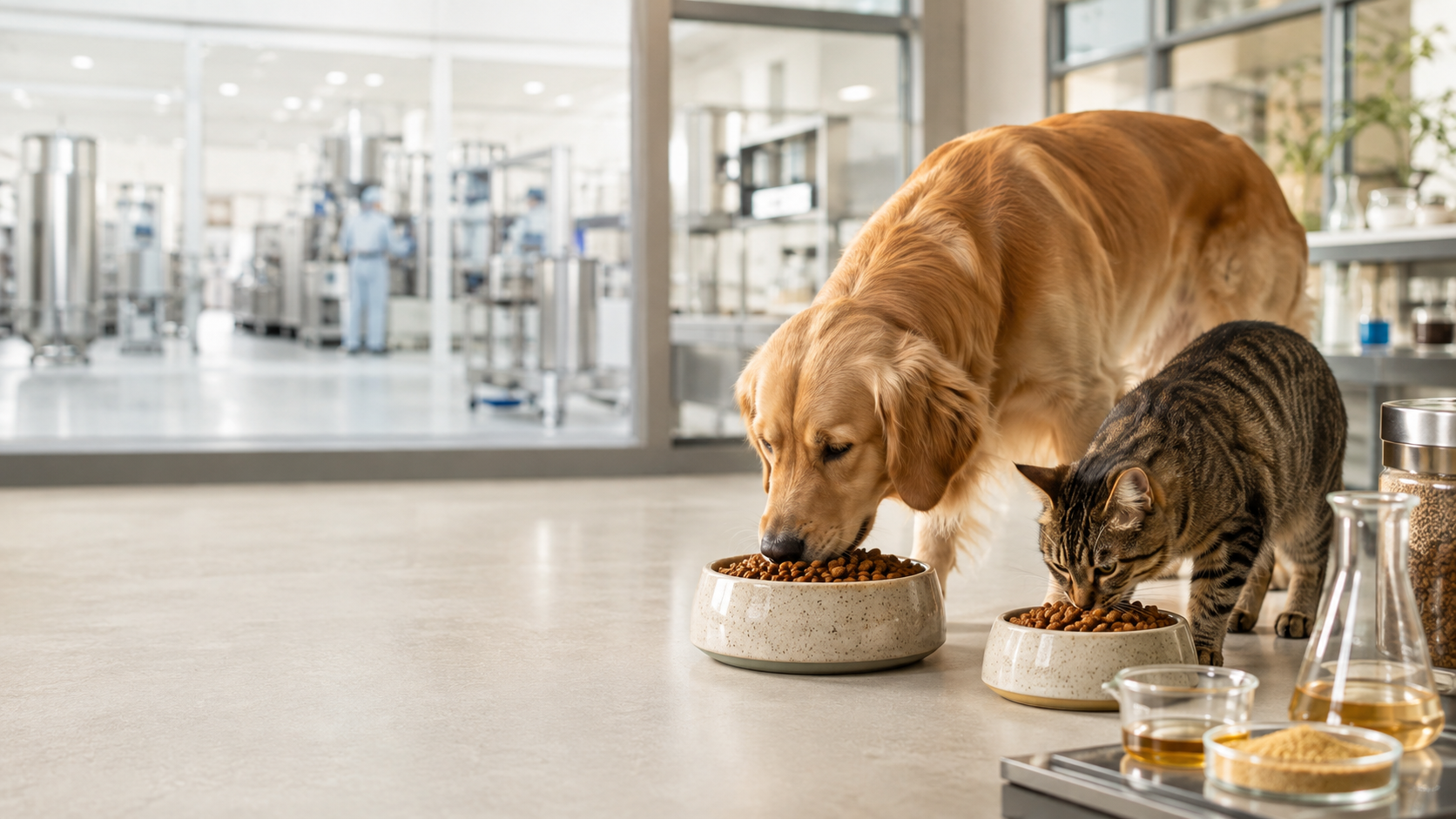
Cats and dogs respond differently to flavor systems.
5. Feeding Trial Validation
Real-world palatability testing remains critical.
Future Trends in Cat Food Palatability
The future of feline nutrition is moving toward:
- Precision palatability systems
- Functional appetite support
- Clean-label palatants
- Natural hydrolyzed proteins
- Customized aroma technology
- Breed-specific feeding preferences
As pet owners continue treating cats like family members, feeding satisfaction becomes emotionally important — not just nutritionally important.
This shift is pushing the entire industry toward more advanced pet food palatability enhancer technologies.
Final Thoughts
When cats suddenly refuse food, the issue is rarely simple. Smell, texture, stress, health conditions, and ingredient quality all influence feline feeding behavior.
For pet food brands and manufacturers, understanding these factors is essential for improving product acceptance and reducing customer complaints.
Advanced pet food palatants now play a major role in helping brands create more appealing, stable, and consistent cat food products.
For companies looking to improve cat food palatability solutions, explore professional palatant development resources at Profypet.