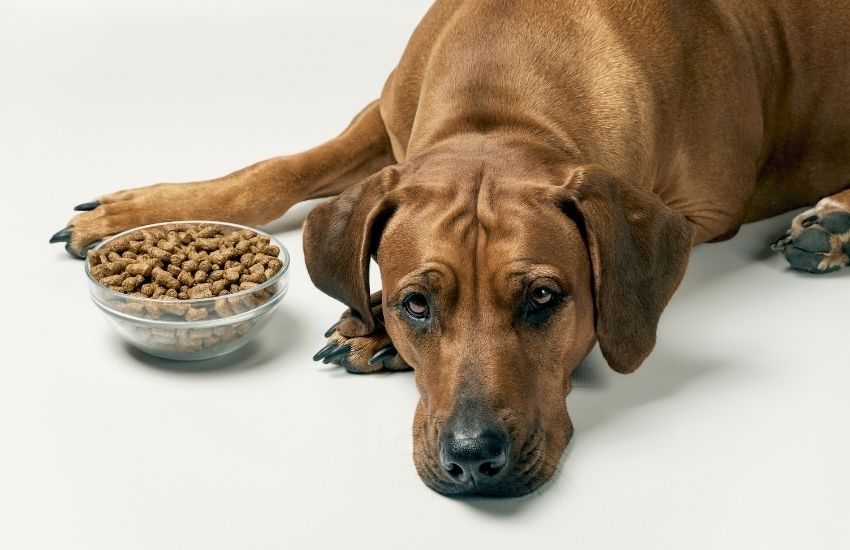
Why Dog Food Is Not Palatable
A dog walking away from its food bowl is one of the most frustrating moments for pet owners and one of the biggest technical challenges for pet food manufacturers.
At first glance, it seems simple: “The dog just doesn’t like the food.”
But in reality, dog food palatability is a complex interaction between aroma, fat coating, protein quality, oxidation stability, texture, processing temperature, ingredient freshness, and even stress levels in dogs.
For pet food manufacturers, wholesalers, and pet food palatants suppliers, understanding why dog food is not palatable is critical for improving feeding performance and maintaining customer loyalty.
Modern consumers are becoming increasingly selective about pet nutrition. According to the 2025 report from the American Pet Products Association (APPA), U.S. pet food and treats spending continues to rise as owners prioritize premium nutrition and feeding satisfaction.
Yet despite premium ingredients and attractive packaging, many dog foods still fail during actual feeding tests.
So what really causes poor palatability?
Let’s break it down from a scientific and manufacturing perspective.
What Does “Palatability” Mean in Dog Food?
Palatability refers to how attractive a food is to dogs based on:
- Smell (aroma attraction)
- Taste
- Mouthfeel
- Texture
- Fat perception
- Aftertaste
- Feeding excitement
- Long-term acceptance
Dogs do not evaluate food the same way humans do.
In fact, dogs rely far more heavily on smell than taste. Research from VCA Animal Hospitals notes that dogs possess hundreds of millions of scent receptors, dramatically more than humans.
This means a dog may reject food before even tasting it.
The Most Common Reasons Why Dog Food Is Not Palatable
1. Oxidized Fats and Protein Degradation
One of the biggest causes of poor palatability is fat oxidation.
When chicken fat, fish oil, or meat meals oxidize, they produce rancid odors that dogs can immediately detect.
Common causes include:
- Poor raw material storage
- Excessive heat during extrusion
- Long shipping periods
- Weak antioxidant systems
- Improper packaging barriers
Even if humans cannot smell oxidation clearly, dogs often can.
This is especially problematic in:
- High-protein dog food
- Fish-based formulas
- Freeze-dried products
- High-fat performance diets
Manufacturers often underestimate how quickly aroma quality deteriorates after production.
2. Low-Quality Protein Sources
Protein digest quality directly impacts aroma and feeding acceptance.
Poorly processed meat meals can generate:
- Burnt odors
- Bitter notes
- Metallic aftertastes
- Sulfur compounds
Dogs naturally prefer animal-based savory aromas because these mimic prey-like nutrition signals.
Low-grade vegetable-heavy formulas may reduce:
- Aroma intensity
- Flavor persistence
- Feeding excitement
According to studies published by Petfood Industry Magazine, animal digest and hydrolyzed proteins remain among the most effective palatability ingredients in commercial pet food.
3. Overprocessing During Extrusion
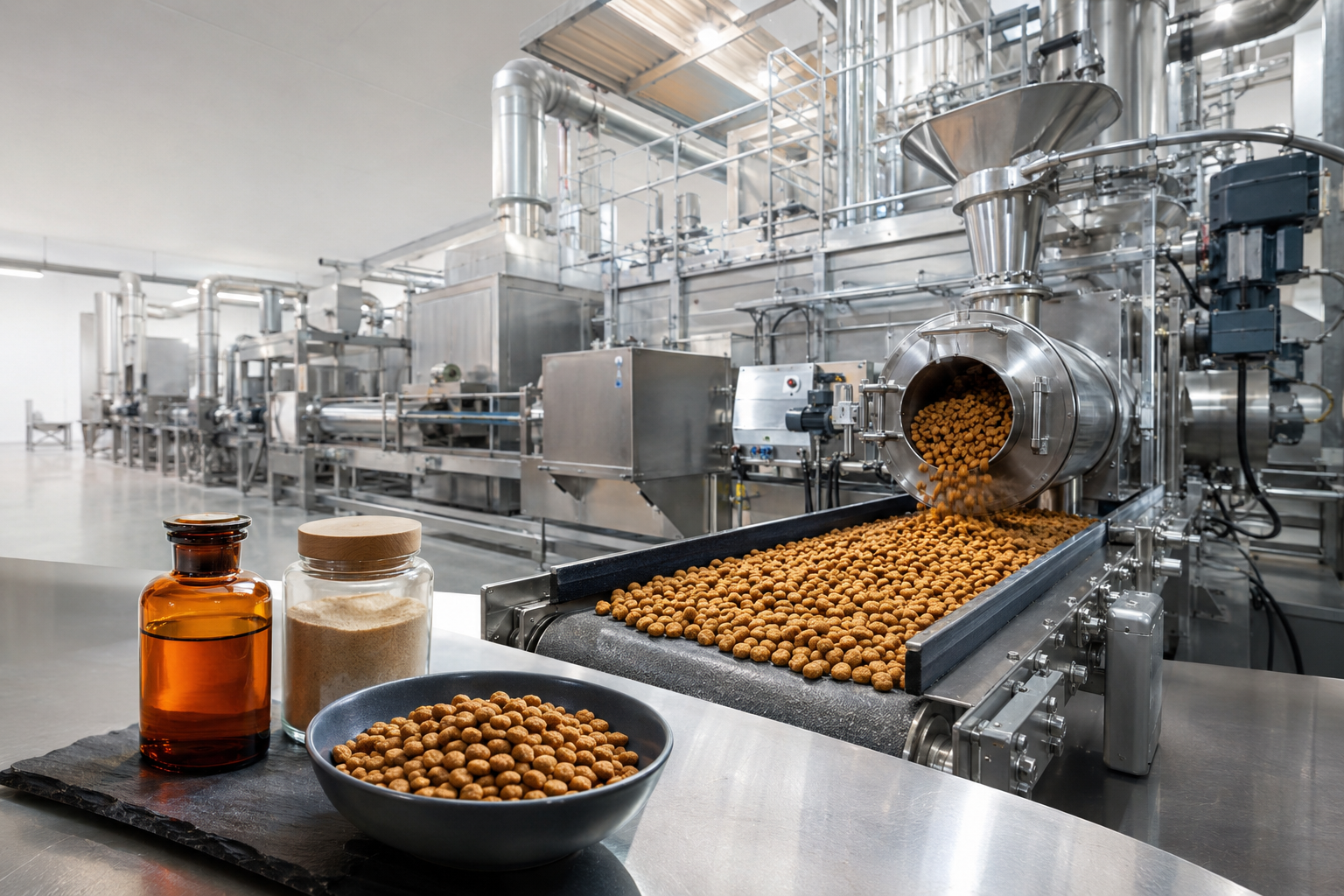
Extrusion is essential for kibble production, but excessive heat damages flavor compounds.
High temperatures can:
- Destroy volatile aroma molecules
- Create burnt starch notes
- Reduce meat aroma perception
- Lower fat coating performance
Overprocessed kibble often smells “flat” or “dusty.”
Even nutritionally balanced food can fail palatability testing because sensory appeal was destroyed during manufacturing.
4. Poor Fat Coating Technology
Surface fat coating is one of the most important factors in pet food palatability.
If fat coating is uneven:
- Aroma distribution becomes inconsistent
- Kibble tastes dry
- Palatants fail to adhere properly
Vacuum coating systems generally provide:
- Better oil absorption
- More stable flavor delivery
- Improved aroma retention
In contrast, low-efficiency drum coating systems may produce inconsistent feeding behavior.
Why Dogs Reject Food Even When Ingredients Look Premium
Ingredient Labels Don’t Guarantee Feeding Success
Many premium pet foods emphasize:
- Grain-free positioning
- High protein percentages
- Exotic ingredients
- Human-grade claims
But dogs ultimately respond to sensory stimulation.
A formula with excellent nutrition can still fail because:
- Aroma release is weak
- Flavor coating is unstable
- Protein digestibility is poor
- Kibble texture feels unpleasant
This is why pet food palatability enhancers are increasingly important in modern formulations.
Texture Problems That Reduce Dog Food Acceptance
Kibble Hardness Matters More Than Many Brands Realize
Dogs are sensitive to texture consistency.
If kibble is:
- Too hard
- Too dry
- Too powdery
- Too sharp-edged
feeding enthusiasm often drops.
Senior dogs are especially affected due to:
- Dental sensitivity
- Reduced chewing force
- Lower saliva production
Soft texture optimization has become a major focus in premium pet food development.
Aroma Is the #1 Driver of Dog Food Acceptance
Dogs smell food before deciding whether to eat.
Key attractive aroma profiles include:
- Roasted chicken
- Liver
- Beef broth
- Animal fat
- Hydrolyzed protein digest
- Umami-rich meat compounds
Weak aroma systems commonly occur when manufacturers rely only on base ingredients without specialized pet food palatants.
How Pet Food Palatants Improve Feeding Performance
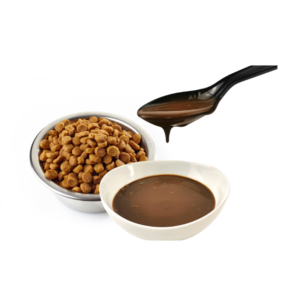
Pet food palatants are functional flavor systems designed to increase food acceptance.
They typically work through:
- Aroma enhancement
- Flavor masking
- Umami amplification
- Fat-soluble taste delivery
- Surface flavor retention
Common palatability enhancer ingredients include:
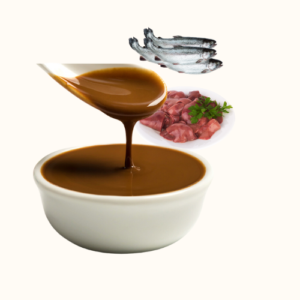
- Chicken liver digest
- Hydrolyzed poultry protein
- Yeast extracts
- Animal fats
- Reaction flavors
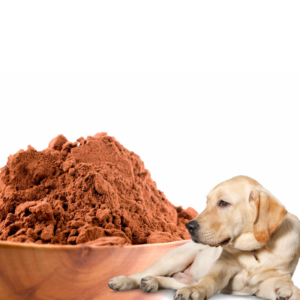
- Spray-dried liver powders
These systems help maintain consistent feeding performance even after long storage periods.
For manufacturers targeting higher feeding acceptance rates, working with an experienced pet food palatants manufacturer becomes increasingly important.
Learn more about professional pet food palatability solutions at
Profypet
Why Long-Term Feeding Acceptance Is Difficult
A dog eating a food once does not guarantee long-term success.
This is known as “palatability fatigue.”
Over time, dogs may reject formulas because:
- Aroma intensity fades
- Flavor becomes repetitive
- Oxidation develops
- Coating stability decreases
Manufacturers therefore conduct:
- Two-bowl testing
- Intake ratio analysis
- Long-term feeding studies
According to AAFCO and industry feeding protocols, consistency over time is one of the most important indicators of true product acceptance.
Why Natural Formulas Sometimes Have Lower Palatability
The clean-label movement has created new formulation challenges.
Natural dog food often limits:
- Artificial flavors
- Synthetic aroma compounds
- High-intensity taste systems
While consumers prefer clean labels, dogs still expect strong sensory signals.
This creates a balancing challenge:
- Maintain natural positioning
- Preserve feeding excitement
- Prevent aroma degradation
As a result, natural pet food palatability enhancer systems are becoming increasingly sophisticated.
The Role of Moisture in Dog Food Palatability
Moisture dramatically affects aroma release.
Generally:
- Wet food has stronger aroma impact
- Semi-moist foods increase taste perception
- Dry kibble depends heavily on coating systems
Low-moisture products require stronger surface flavor technology to compensate for weaker aroma diffusion.
Why Some Dogs Suddenly Stop Eating Their Food
Pet owners often assume:
- Dogs became “picky”
- Dogs are spoiled
- Dogs want treats instead
But sudden food refusal may actually indicate:
- Oxidized fats
- Storage damage
- Formula inconsistency
- Coating failure
- Ingredient variability
Manufacturing consistency is therefore critical in commercial pet food production.
Modern Trends in Pet Food Palatability Technology
The global pet food industry is investing heavily in sensory science.
Emerging trends include:
- Species-specific flavor systems
- Functional palatants
- Fresh meat coating technology
- Dual-phase aroma delivery
- Liquid digest coating systems
- High-protein flavor stabilization
According to market insights from Grand View Research, premiumization and pet humanization continue driving innovation in pet food ingredients and palatability enhancement technologies.
Final Thoughts
Dog food palatability is far more than simply “making food taste better.”
It is a combination of:
- Ingredient quality
- Aroma science
- Coating technology
- Oxidation control
- Protein digestibility
- Texture engineering
- Feeding psychology
Even nutritionally balanced products can fail commercially if dogs refuse to eat them consistently.
For pet food manufacturers and pet food factories, improving palatability is no longer optional — it is essential for customer retention and brand growth.
As competition in premium pet nutrition increases, advanced pet food palatants and pet food palatability enhancers will continue playing a major role in product success.
To explore professional palatability solutions for dry food, wet food, freeze-dried diets, and treats, visit:
https://profypet.com