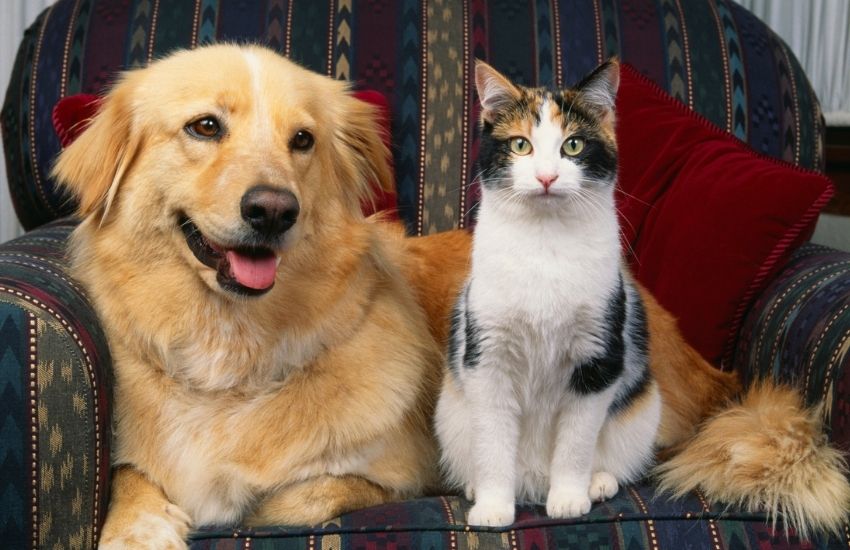
Let’s be honest—dogs may eat anything, but that doesn’t mean they enjoy everything. And when you’re in the business of pet food manufacturing, taste isn’t just a bonus—it’s a crucial part of product success.
That’s where dog food flavorings, also known as palatability enhancers, come into play. They’re the secret ingredients that make pet food irresistible to dogs—and profitable for brands.
Whether you’re formulating kibble for a large-scale retail chain or developing a private label wet food line, understanding how palatants work can be the difference between a top-selling SKU and one that collects dust on the shelf.
First, What Is Palatability in Pet Food?
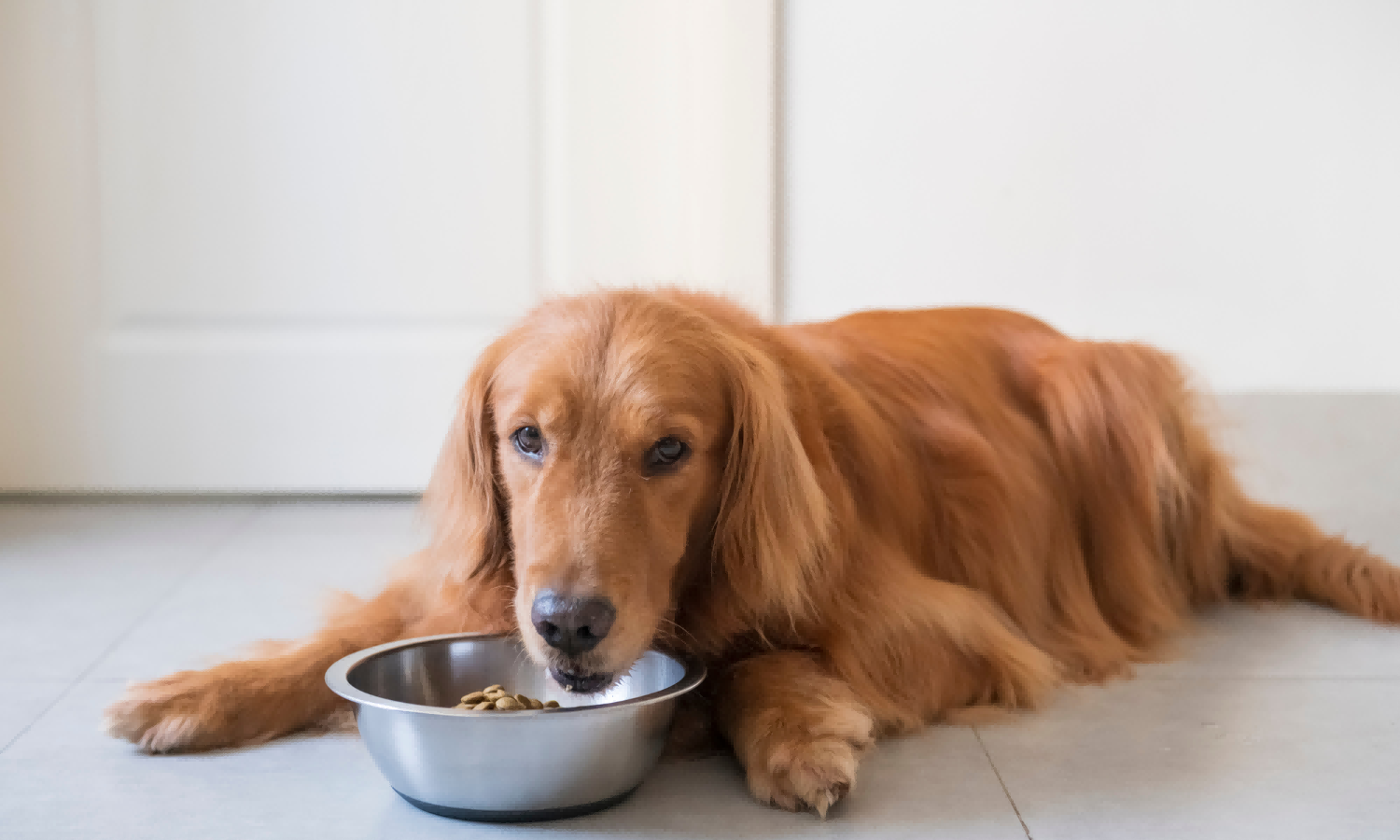
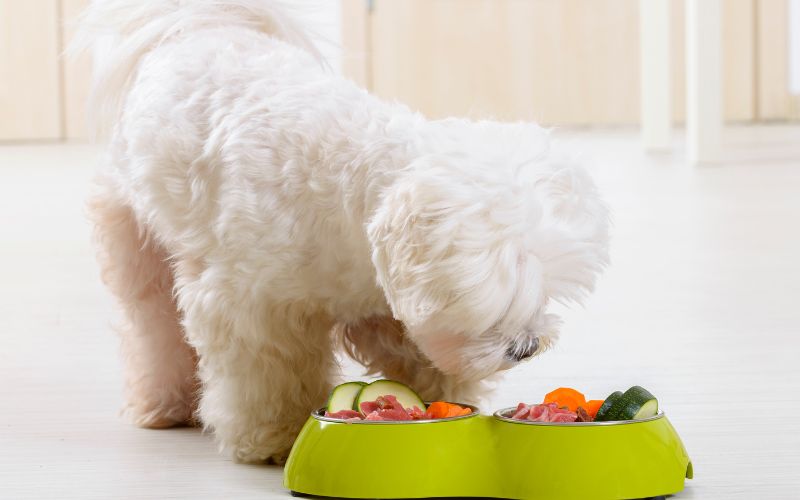
Palatability is a fancy word for how much pets actually like the food. It’s based on smell, taste, texture, and even how it feels in their mouth. If you’ve ever seen a dog inhale a bowl of kibble in seconds, you’re looking at high palatability in action.
Now, you might think dogs aren’t picky—especially compared to cats. And sure, some will eat socks. But in the pet food market, the bar is much higher. Dog owners today want food that smells good, looks good, and keeps tails wagging. And if Fido turns his nose up at your product? You can bet the owner won’t buy it again.
Where Dog Food Flavorings Come In
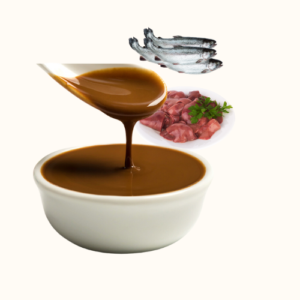
That’s where flavorings—or palatants—do the heavy lifting. These are specialized additives made from ingredients like:
- Chicken or pork liver hydrolysates – rich, meaty, and highly digestible
- Natural fats and oils – improve aroma and texture
- Yeast extracts and broths – boost savory notes and add umami
- Enzyme-hydrolyzed proteins – great for sensitive diets
- Custom blended coatings – tailored to your formula and market

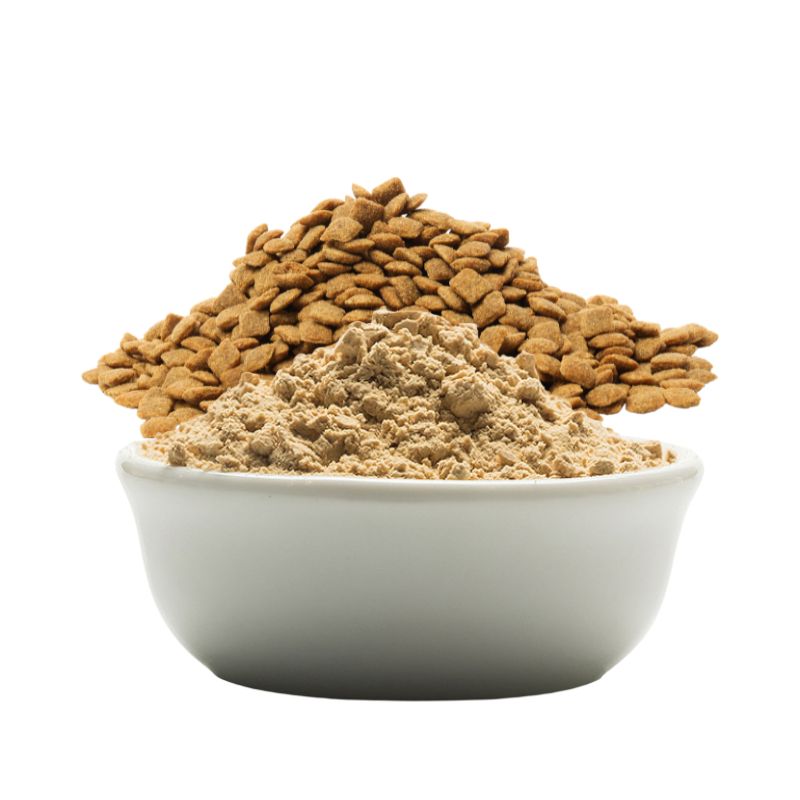
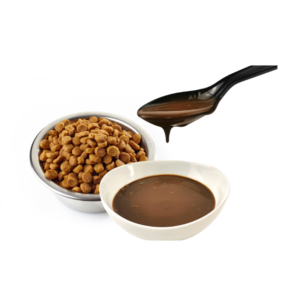
Most flavorings are added at the end of production—coated onto kibble or mixed into wet formulas—so they hit pets with maximum taste right when the bowl hits the floor.
It’s Not Just for Dogs—Cat Food Needs It Too (Even More!)
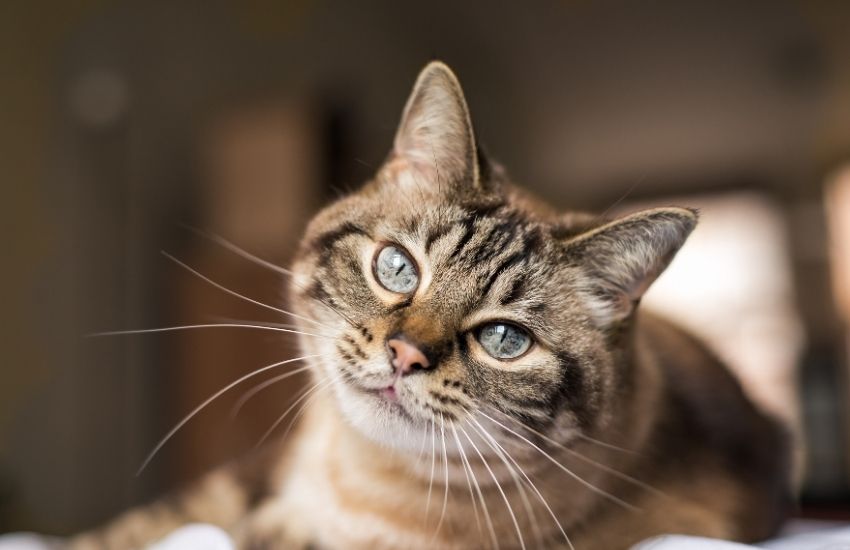
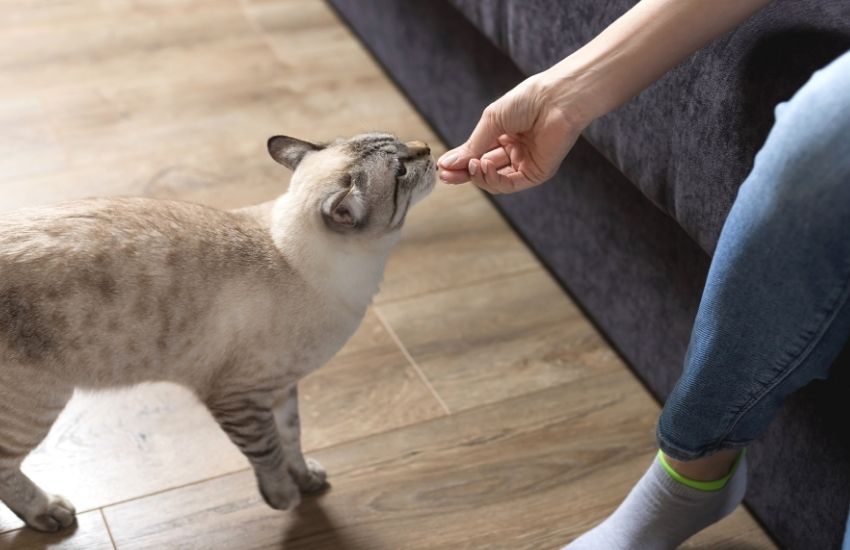
Cats are notoriously picky eaters. Anyone in this industry knows cat food palatability is a constant challenge. One day they love tuna, the next they won’t touch it.
So when we talk about cat food flavor enhancers, we’re talking about a necessity—not an option. We work with clients who specifically ask for palatants that help with palatability issues in senior cats, kittens, or prescription diets. Think fish extracts, liver broths, or fermented yeast—all designed to entice cats’ sensitive taste buds.
In fact, it’s often the same technology we use for dogs—just adapted for feline preferences. That means more aroma, softer textures, and higher flavor intensity.
Ingredients vs. Enhancers—What’s the Difference?
It’s a common question: Aren’t palatability enhancers just another ingredient?
Technically yes—but their role is different.
- Ingredients make up the core nutrition: proteins, grains, veggies, vitamins.
- Flavor enhancers make sure pets want to eat that nutrition.
You can think of it like seasoning. A perfectly cooked steak still needs salt to bring out its flavor. Palatants are that “seasoning” for pet food. And when you’re competing for shelf space and repeat customers, taste sells.

What This Means for Pet Food Brands & Manufacturers
If you’re a pet food factory, private label brand, or OEM/ODM customer, here’s why flavorings should be on your radar:
✅ They give you flexibility – Want to switch from chicken to duck protein? A good palatant can help mask taste differences.
✅ They boost consistency – Whether you’re producing 10 tons or 100, flavorings help standardize taste.
✅ They increase acceptance – Especially for special diets (think grain-free or allergy-sensitive).
✅ They open new markets – Regional flavor preferences? We’ve seen dogs in Southeast Asia prefer fish profiles, while U.S. markets love beef and bacon. You can match flavor to geography.
✅ They reduce returns and waste – If dogs love the food, there’s less left in the bowl—and fewer complaints from customers.
Choosing the Right Palatability Partner
At ProfyPet, we don’t just sell flavorings. We help pet food businesses create products dogs and cats actually want to eat—and eat again.
Our R&D team develops custom palatants based on your product type, market trends, and even your packaging format. We offer:
- Dry and liquid palatants
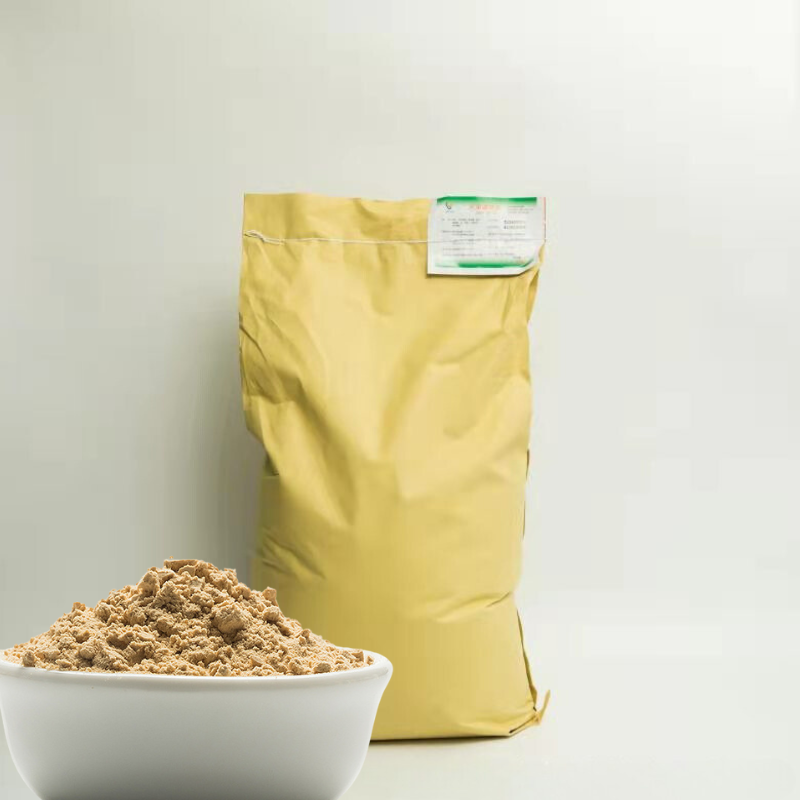
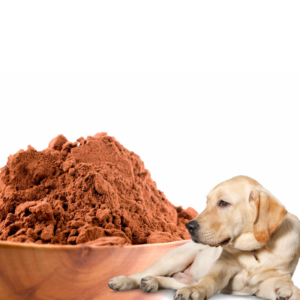
- Hydrolyzed liver powders
- High-protein coatings
- Spray application support
- Documentation for compliance and traceability
- Batch-to-batch consistency
And if you need to scale up? No problem—we’ve helped startups, multinationals, and everything in between.
Final Takeaway: Palatability Is Your Competitive Edge
Let’s face it: the pet food market is crowded. Products are getting more functional, more transparent, and more competitive.
Flavor is no longer just a “nice to have.” It’s a key part of your value proposition—especially when consumers are buying based on ingredients, reviews, and how excited their dog gets at mealtime.
If you want your brand to stand out, start where it matters most: taste.
📬 Want to explore palatability solutions for your next dog or cat food launch?
Reach out to the ProfyPet team—we’ll help you build a formula that pets (and their humans) come back for.