
Meat Filling Machine
If you’ve ever walked through a pet food production line, you know how fast-paced and precise things need to be. From the first raw ingredient to the final sealed pouch or can, there’s no room for error — especially when it comes to handling meat-based products. That’s where the meat filling machine comes in.
For pet food manufacturers, palatant suppliers, and private-label producers, this machine isn’t just another piece of equipment — it’s the heart of your wet food line.
Let’s dive into what makes meat filling machines so important, what features to look for, and how they support high-quality, high-palatability pet food production.

So, What Exactly Is a Meat Filling Machine?
In simple terms, a meat filling machine takes your pre-mixed meat or meat blend and fills it into packaging — whether that’s cans, trays, pouches, or tubes. But there’s a lot more going on behind the scenes.
These machines are built to:
- Handle thick, chunky, or creamy meat mixtures without clogging
- Fill containers with precise amounts (down to the gram!)
- Maintain hygiene and food safety standards
- Integrate smoothly with flavoring or palatant systems
Whether you’re packaging a rich chicken pate, a beef stew with vegetables, or a liver-flavored mousse, this machine is designed to deliver consistency and speed.
Why Pet Food Companies Rely on Meat Fillers
Let’s face it — the pet food industry is competitive. Customers are more discerning than ever, and pets (especially cats) are picky eaters. If your product doesn’t look, smell, or taste just right, it won’t get a second chance.
A well-calibrated meat filling machine helps with:
✅ Consistency
Every pouch or can needs to have the exact same amount of food — not just for brand trust, but to stay compliant with weight regulations.
✅ Texture Control
Chunky gravy? Soft mousse? These machines can handle different textures without breaking the product apart or jamming the line.
✅ Better Flavor Distribution
When used alongside palatants or flavor enhancers (like those we produce at Profypet), the machine ensures every portion gets the right coating or mix — which is key to making pet food irresistible.
Key Features You Should Look For
If you’re shopping for a new machine or upgrading your production line, here are the features that matter most:
1. Precision Dosing
A high-quality filler delivers exact amounts every time. Modern machines use servo motors or vacuum tech to make sure no can is over or underfilled.
2. Speed and Efficiency
Some models can fill hundreds of units per minute — essential for large-scale production.
3. Hygienic Design
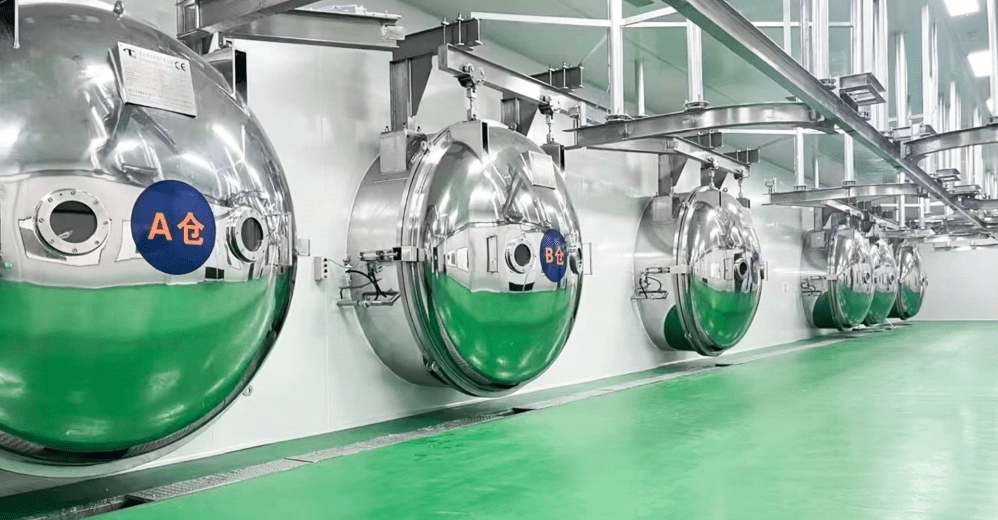
Look for stainless steel builds (304/316 grade) with easy-clean components and optional CIP (Clean-in-Place) systems to keep things spotless between batches.

4. Multi-Texture Handling
Whether it’s thick meat paste, stew, or something in between, the machine should be able to switch formats easily.
5. Palatant Integration
Working with flavor-enhancing ingredients? Choose a model that lets you add palatants during the filling phase — this improves aroma, taste, and even shelf life.
Types of Meat Filling Machines in Pet Food
There’s no one-size-fits-all machine. Your choice depends on what type of pet food you’re producing.
| Type | Best For | Benefits |
|---|---|---|
| Piston Fillers | Thick pate or emulsified meat | High accuracy, great for canned food |
| Vacuum Fillers | Smooth textures, sausage-style tubes | No air bubbles, uniform texture |
| Rotary Fillers | Chunky gravy or stews | High speed, reliable |
| Auger Fillers | Semi-solid or textured products | Great for mixed blends with visible ingredients |
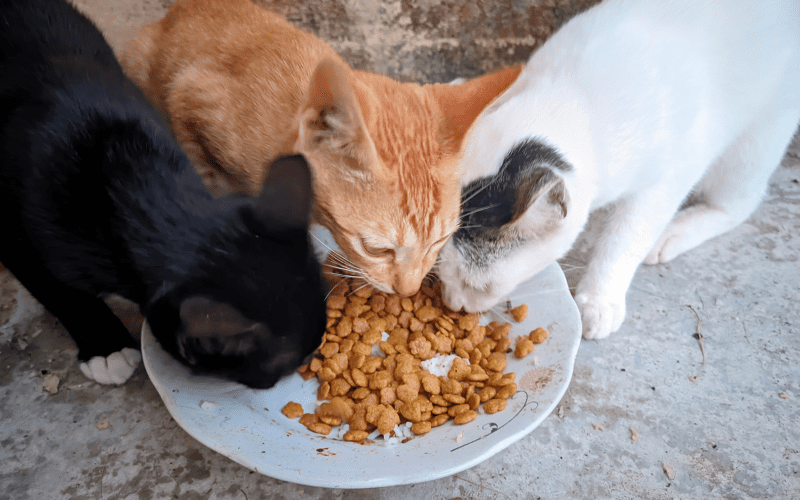
How These Machines Help With Palatability
At Profypet, we specialize in pet food palatants, so we know how important it is for every bite to be appealing. The meat filling process plays a surprisingly big role in this.
Here’s how:
- Even Distribution of Flavor: Proper mixing and dosing ensure the flavor enhancers are spread evenly.
- Minimized Product Damage: Gentle filling methods help keep the natural texture, which pets love.
- Avoid Overexposure to Air: Reduces oxidation and keeps smells (and palatants!) fresher for longer.
Future-Proofing: What’s Next for Meat Filling Technology?
The industry is changing fast. Here’s what’s trending now and in the near future:
- 🌐 Smart Fillers: Connected to cloud-based systems for real-time tracking and alerts.
- 🧪 Batch Traceability: Essential for food safety compliance.
- 🎛️ Modular Design: Easily switch between SKUs without long downtime.
- 💧 Micro-dosing Systems: For injecting palatants, supplements, or enzymes at ultra-precise levels.

Final Thoughts: Invest in the Right Machine, Invest in Better Pet Food
In today’s pet food landscape, it’s not enough to just “make a product.” You need to make a product that pets crave, that customers trust, and that scales with your business.
A reliable meat filling machine helps you do all of that — and more. It ensures every pouch or can is consistent, clean, and bursting with flavor (especially when paired with the right palatants).
At Profypet, we work hand-in-hand with pet food factories and co-packers to make sure our palatability solutions are machine-ready — whether you’re using piston fillers, rotary lines, or something custom.
If you’re planning to launch a new line or upgrade your operations, let’s talk. We’re here to help make your food more flavorful — and your production line more efficient.