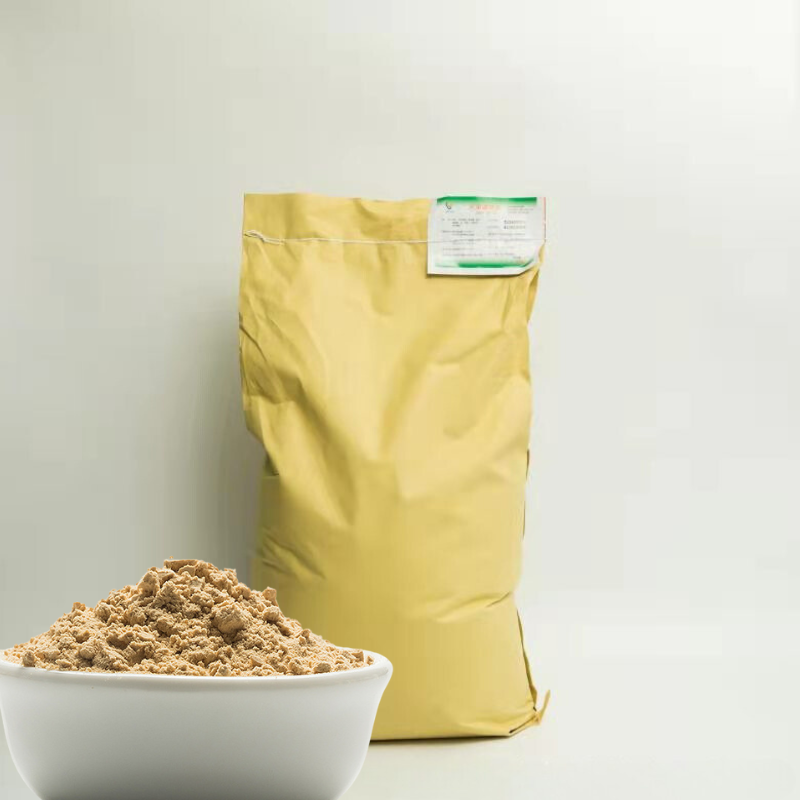
2026 Pet Food Palatability Trends: What Manufacturers Need to Know
Pet food manufacturers are entering a market in which nutrition, transparency and eating enjoyment must work together. A formula may look excellent on a specification sheet, but it cannot deliver its intended nutritional value if the animal consistently refuses it. That makes palatability a commercial, nutritional and technical priority—not simply a flavor decision.
The market remains resilient. The American Pet Products Association projects total U.S. pet industry expenditure of $165 billion in 2026, while FEDIAF reports annual European pet food sales of €29.4 billion. Growth, however, is becoming more selective. Pet owners want products that support health and longevity, but they also compare ingredients, claims and value more carefully.
For manufacturers, the central question in 2026 is therefore: how can a product deliver reliable acceptance while supporting a clean, credible and cost-controlled formulation?
The 2026 Market Signals Behind Palatability Decisions
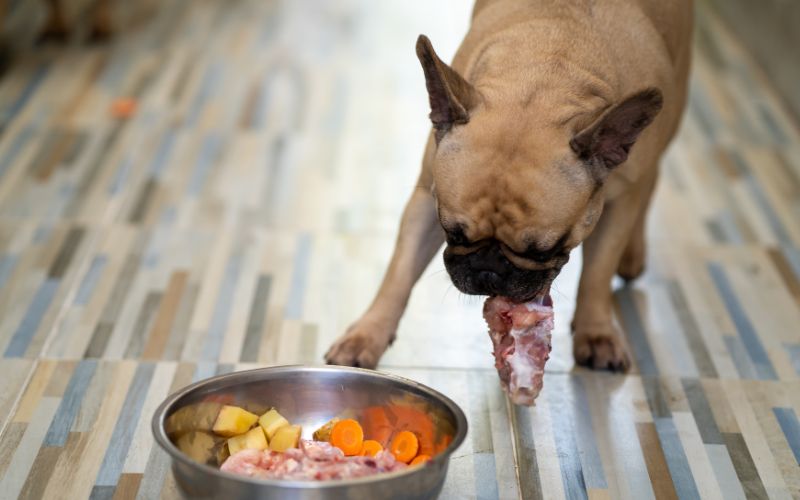
Several consumer trends are changing the way pet food palatants are selected and applied.
- Wellness is becoming layered. Digestive health, oral care, skin and coat support, mobility and weight management increasingly influence product development.
- Natural and clean-label positioning matters. Innova Market Insights reports that 35% of global pet owners rank clean label among the claims that most influence pet food choice.
- Protein remains central. Nearly half of pet owners say protein has the strongest influence on their pet food selection, while monoprotein and hydrolyzed formulations are responding to digestibility and sensitivity concerns.
- Cat ownership is growing. APPA reports that cat ownership reached 39% of U.S. households in 2025, increasing the commercial importance of cat-specific sensory strategies.
- Value must be visible. Buyers may accept a premium when the product offers a clear functional or quality benefit, but vague “premium” positioning is no longer enough.
These signals make palatability development more complex. The ideal system must fit the nutritional concept, ingredient declaration, processing conditions, target animal and price point at the same time.
Seven Pet Food Palatability Trends Shaping 2026
1. Clean-label palatability is replacing artificial flavor shortcuts
Pet owners increasingly read ingredient lists through the same lens they apply to human food. They may look for recognizable animal-derived ingredients and avoid artificial colors, flavors or unnecessary additives.
This does not mean that palatability technology is becoming less important. It means the technology must be easier to explain. Animal-protein-based digests, enzymatically hydrolyzed liver ingredients, yeast-derived components and reaction flavors can help manufacturers build a strong sensory profile while supporting a more familiar ingredient story.
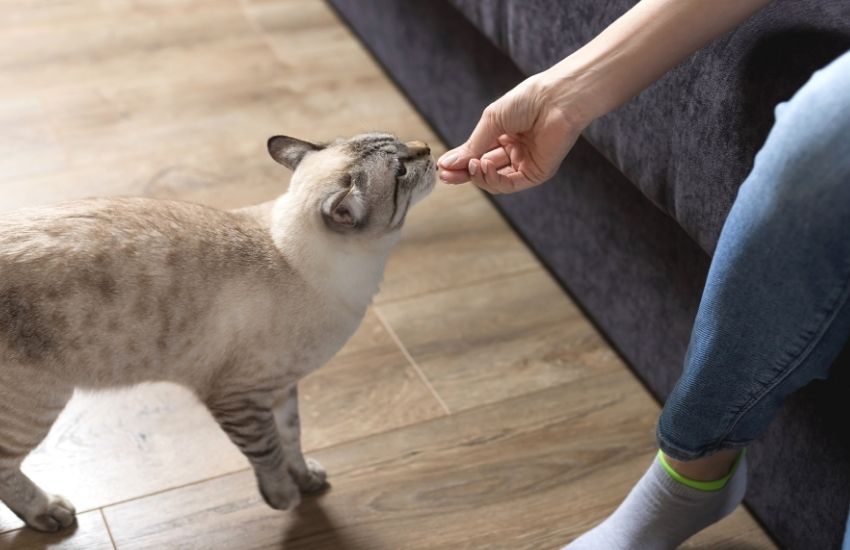
A clean-label claim should always match the finished formulation and local regulatory definition. Manufacturers should review the carrier system, preservatives, antioxidants and processing aids—not only the primary protein source—before deciding how a palatant will be declared.
2. Hydrolyzed proteins are serving both sensory and formulation goals
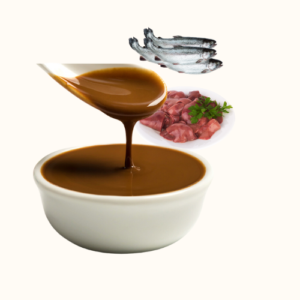
Hydrolysis breaks proteins into smaller peptides and amino acids. In palatability systems, these components can contribute aroma precursors, savory taste and nutritional value. A hydrolyzed chicken liver palatant, for example, may support meaty character in dog or cat food while fitting a protein-led product concept.
Hydrolyzed does not automatically mean hypoallergenic. Allergen-related positioning depends on the source material, degree of hydrolysis, manufacturing controls and evidence supporting the finished product. Brands should distinguish between a hydrolyzed ingredient used for taste and a clinically designed hydrolyzed-protein diet.
The practical opportunity is broader: manufacturers can select different hydrolysates according to species, format, protein declaration and target cost instead of relying on a one-flavor-fits-all approach.
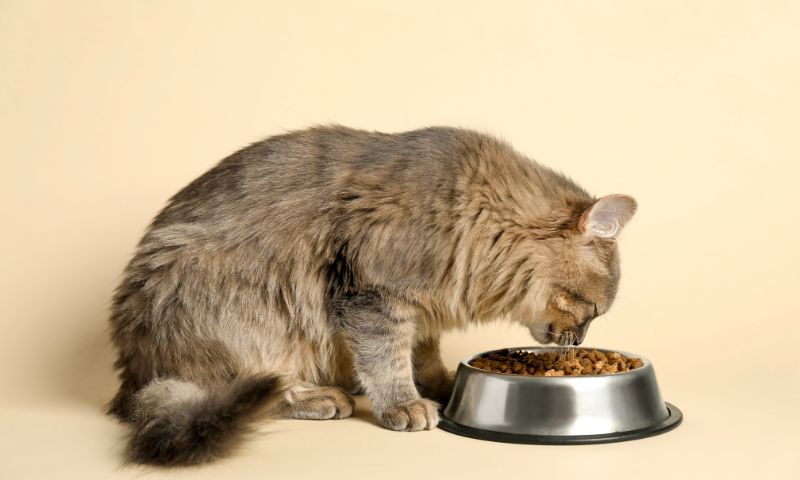
3. Cat food requires species-specific palatability design
Cats are not small dogs. Their feeding behavior, aroma response, texture preferences and sensitivity to oxidation require a dedicated development process. As cat ownership grows among younger households, consistency in cat food acceptance becomes even more commercially important.
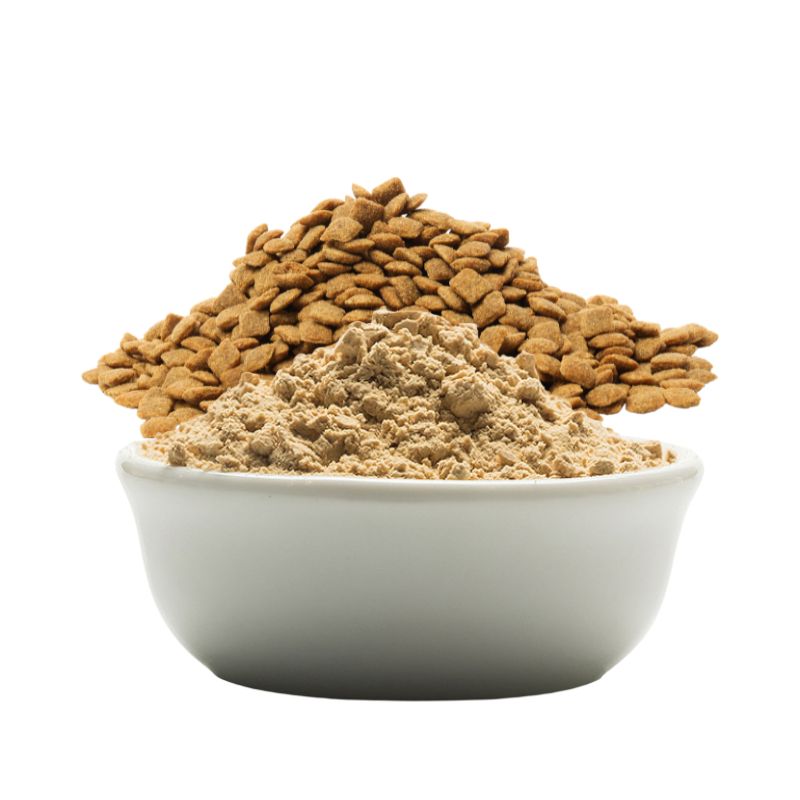
A cat food palatability enhancer is often most effective as part of a layered system. In dry food, manufacturers may apply fat first, followed by a liquid palatant and then a powder topcoat. This sequence can improve surface coverage, immediate aroma release and taste delivery. The best inclusion rate and sequence depend on kibble porosity, dryer conditions, fat type, packaging and target shelf life.
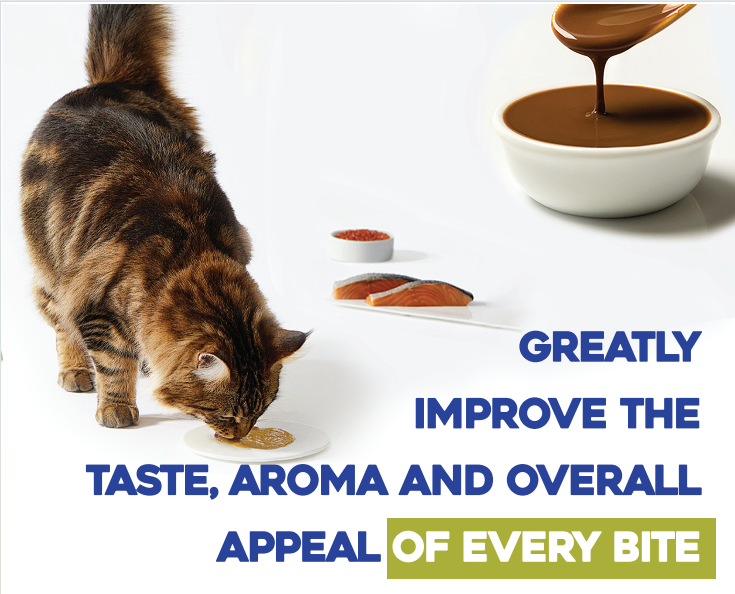
For more on species-specific options, see Profypet’s cat food palatants.
4. Palatability is being integrated with functional nutrition
ADM reports that 77% of global pet parents would pay more for products with functional ingredients, and 84% are interested in products that may help extend a pet’s lifespan. This creates strong opportunities for foods and treats positioned around digestive support, skin and coat health, mobility, calm behavior and healthy aging.
Functional ingredients can also change bitterness, acidity, aroma and mouthfeel. Minerals, botanicals, omega oils, probiotics, postbiotics and some active compounds may reduce acceptance if their sensory effect is not addressed early.
In 2026, the better development sequence is to test nutrition and palatability together. A pet food flavor enhancer should not be added only after a functional formula has failed. Early screening can identify sensory risks, compare palatant systems and reduce late-stage reformulation.
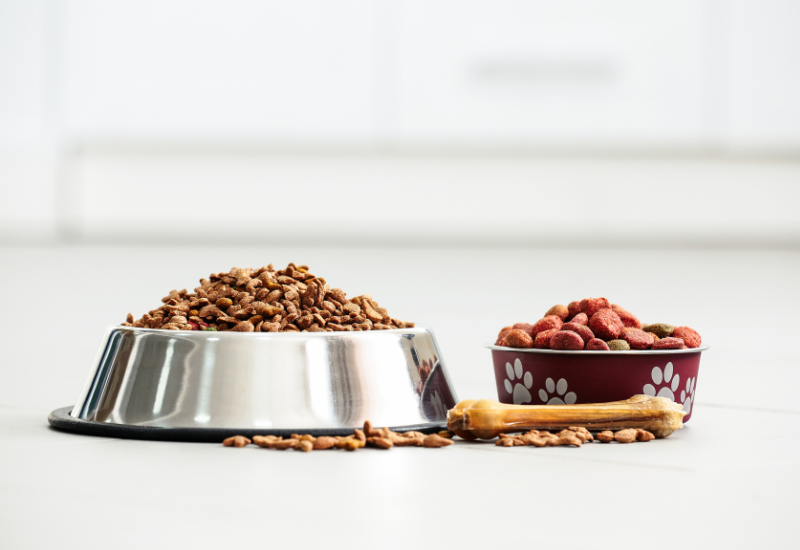
5. Coating efficiency is becoming as important as palatant strength
Two factories can use the same palatant at the same inclusion rate and obtain different results. The difference may come from process control rather than the ingredient itself.
Key variables include:
- kibble temperature and moisture at coating;
- fat viscosity and spray quality;
- liquid droplet size and distribution;
- powder adhesion and dust loss;
- mixer loading and residence time;
- time between production, packing and feeding trials;
- oxygen and moisture protection in the package.
A stronger palatant cannot fully compensate for poor distribution or oxidation. Manufacturers should therefore evaluate the complete pet food coating system and measure application uniformity, not only the dosage shown in the formula.
6. Value engineering is moving beyond “use less”
Economic pressure is encouraging manufacturers to review cost per tonne. Reducing the inclusion rate may appear to be the fastest saving, but it can create lower intake, inconsistent repeat purchase or greater batch variability.
A better value-engineering exercise compares:
| Factor | Question to test |
|---|---|
| Palatant cost | What is the delivered cost per tonne of finished food? |
| Application efficiency | How much of the applied liquid or powder reaches the kibble surface? |
| Acceptance | Does the target inclusion rate meet the feeding objective? |
| Stability | Is performance maintained after storage and transport? |
| Supply consistency | Are raw materials and sensory specifications controlled across batches? |
| Claim fit | Does the system support the intended label and market position? |
The lowest-cost ingredient is not always the lowest-cost solution. The goal is predictable performance at the lowest effective total cost.
7. Evidence and transparency are becoming purchasing criteria
Innova reports that 62% of pet owners prefer to know the country where their pet food is made. At the B2B level, the same demand for transparency appears in supplier qualification. Buyers increasingly ask about raw-material origin, traceability, batch standards, microbiological controls, shelf life and application support.
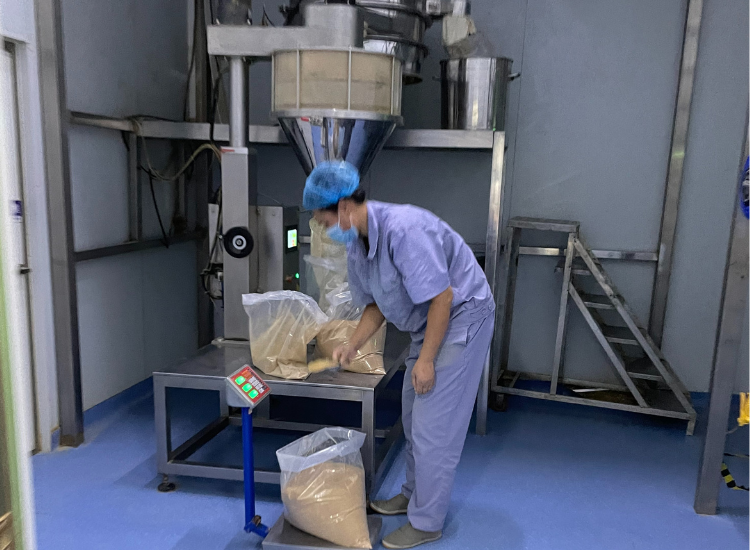
Palatant suppliers can help manufacturers reduce risk by providing clear specifications, recommended storage conditions, application guidance and controlled sample testing. Comparative feeding trials should use a defined protocol and should be repeated when the base formula, coating sequence or packaging changes.
How to Choose a Pet Food Palatant in 2026
Before requesting a sample, prepare a short technical brief covering:
- Target species and life stage: dog or cat, adult or young animal, general or specialized nutrition.
- Food format: dry kibble, baked food, wet food, treat, supplement or topper.
- Base formula: main proteins, fats, functional ingredients and known sensory challenges.
- Processing method: extrusion, drying, retorting, baking or cold application.
- Desired declaration: animal source, clean-label preference and restricted ingredients.
- Target market and regulation: country of sale, label requirements and customer claims.
- Cost and dosage target: target cost per tonne and acceptable application range.
- Success criteria: first-choice ratio, intake ratio, bowl clearance, repeat acceptance or trained panel score.
This information helps a supplier recommend a relevant liquid, powder or paste system instead of sending a generic sample.
A Practical Development Workflow
Start with two or three palatant candidates that match the base formula and label strategy. Screen them on the same production batch, using controlled application conditions. Conduct preference or acceptance trials, then repeat the strongest options after realistic storage.
For dry food, also compare coating sequence and distribution. A common starting sequence is fat, liquid palatant and powder palatant, but the final process should be validated on the actual line. For wet food, heat stability and aroma after retorting may be more important than the pre-process sensory profile.
Document every variable. Palatability problems are difficult to solve when the formula, spray rate, kibble temperature and sample age change at the same time.
Turning 2026 Trends into Better Product Performance
The most successful pet foods in 2026 will not treat taste, nutrition, cost and transparency as separate decisions. They will use palatability as part of the product architecture from the beginning.
That means selecting a species-appropriate system, understanding how functional ingredients affect sensory performance, controlling the coating process and proving stability across shelf life. It also means communicating the ingredient and supply story clearly enough for both brand buyers and pet owners to trust it.
Profypet supports manufacturers with liquid, powder and paste pet food palatants for dry food, wet food and treat applications. Share your base formula, process, target market and cost objective to begin a more focused sample evaluation.
Frequently Asked Questions
What is a pet food palatant?
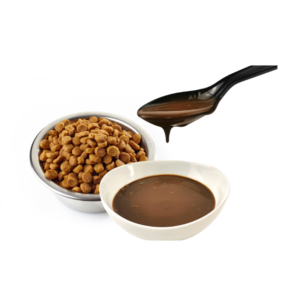
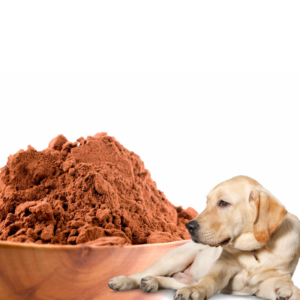
A pet food palatant is an ingredient or system designed to improve aroma, taste or mouthfeel and encourage consistent consumption. It may be supplied as a liquid, powder or paste and can be applied internally or to the food surface.
What is the difference between a palatant and a flavor?
A flavor primarily creates or modifies a sensory character. A palatant is developed around the animal’s acceptance response and may combine aroma, taste and process functionality. The terms may overlap in commercial use, so buyers should evaluate composition and performance rather than terminology alone.
How much palatant should be used in dry pet food?
The effective dosage depends on product type, base formula, target species, application equipment and desired performance. Supplier guidance is a starting point; the final level should be confirmed through controlled production and feeding trials.
Why does the same palatant perform differently between factories?
Kibble porosity, moisture, temperature, fat quality, spray distribution, coating order, storage and packaging can all affect the sensory result. Process auditing is often necessary before changing the palatant itself.
Can a palatant support a clean-label pet food?
Yes, if its raw materials, carriers, preservatives and processing method fit the brand’s definition and the regulations in the target market. The finished-product claim should be reviewed as a complete formulation.
Research sources used