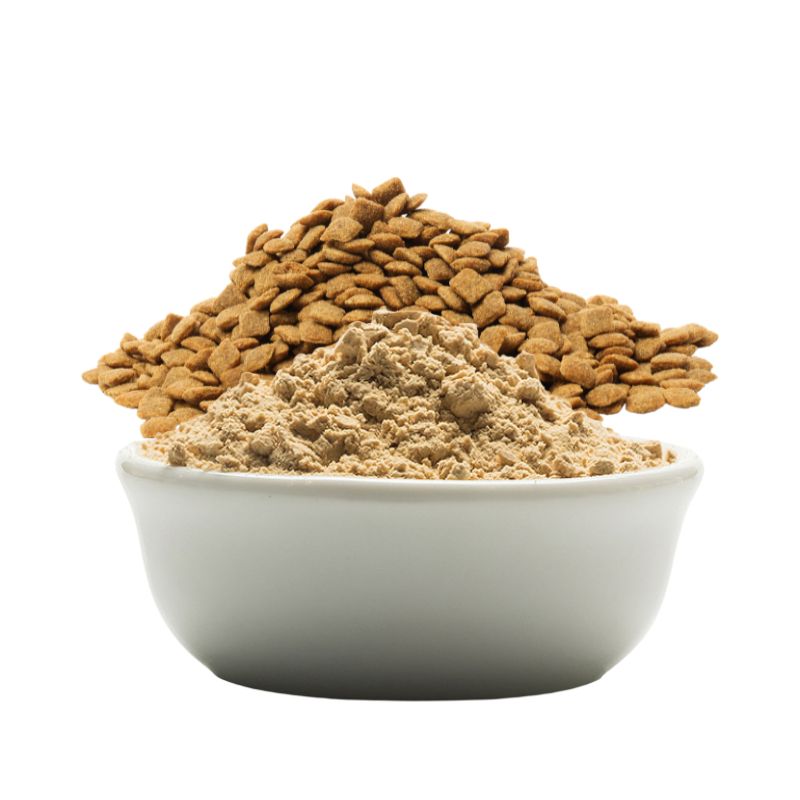
Cat Food Attractant for Better Palatability: A Practical Guide for Pet Food Manufacturers
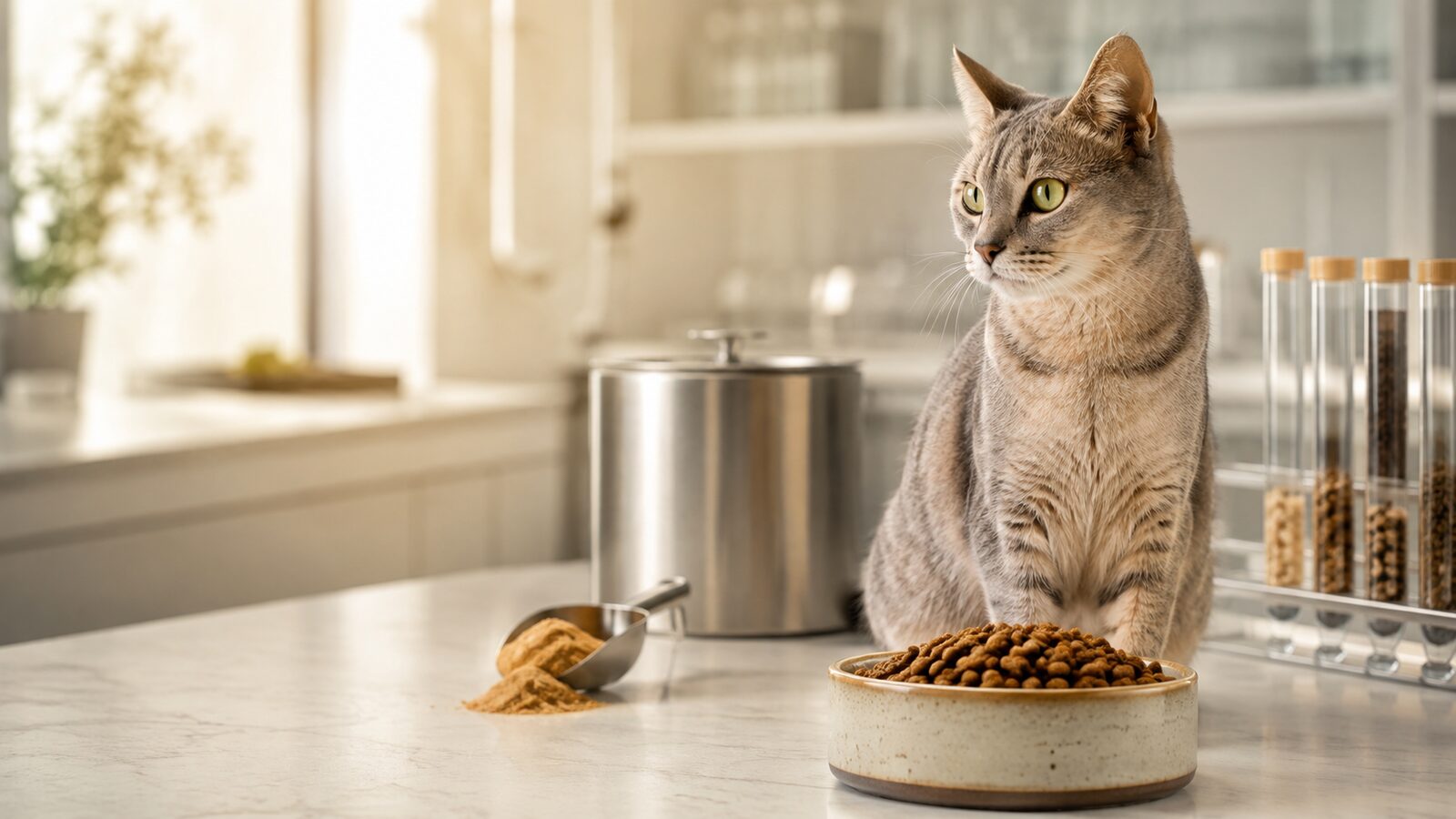
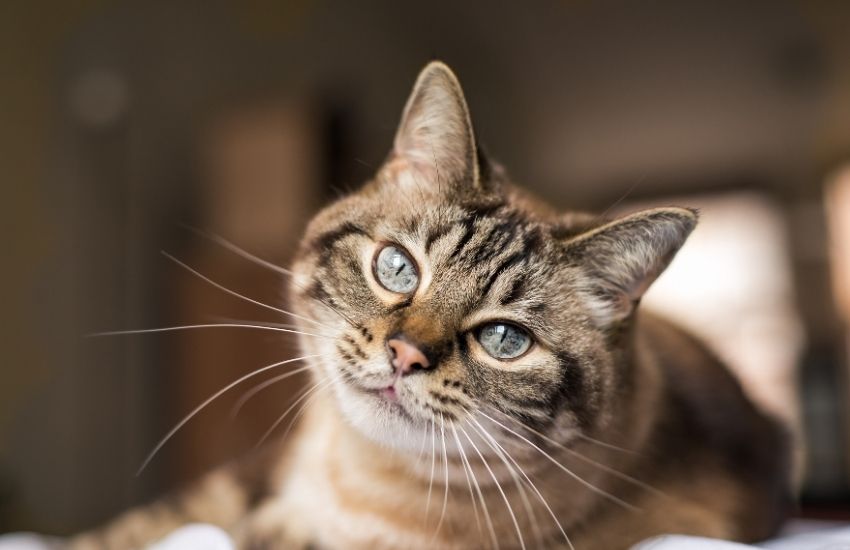
Cats can be surprisingly selective about what they eat.
A cat food formula may offer good nutritional value, premium animal protein and carefully selected ingredients, yet still perform poorly if cats do not find its aroma and flavor attractive.
For pet food manufacturers, this is where a cat food attractant or cat food palatability enhancer becomes important.
Palatants are designed to enhance the sensory characteristics of cat food and encourage better food acceptance. However, achieving good cat food palatability is more complex than simply adding a stronger flavor.
The palatant type, raw materials, application rate, coating process and interaction with fat all influence the final result.
This guide explains how cat food attractants work and how manufacturers can use them more effectively.
What Is a Cat Food Attractant?
A cat food attractant is a palatability-enhancing ingredient applied to pet food to make the food more appealing to cats.
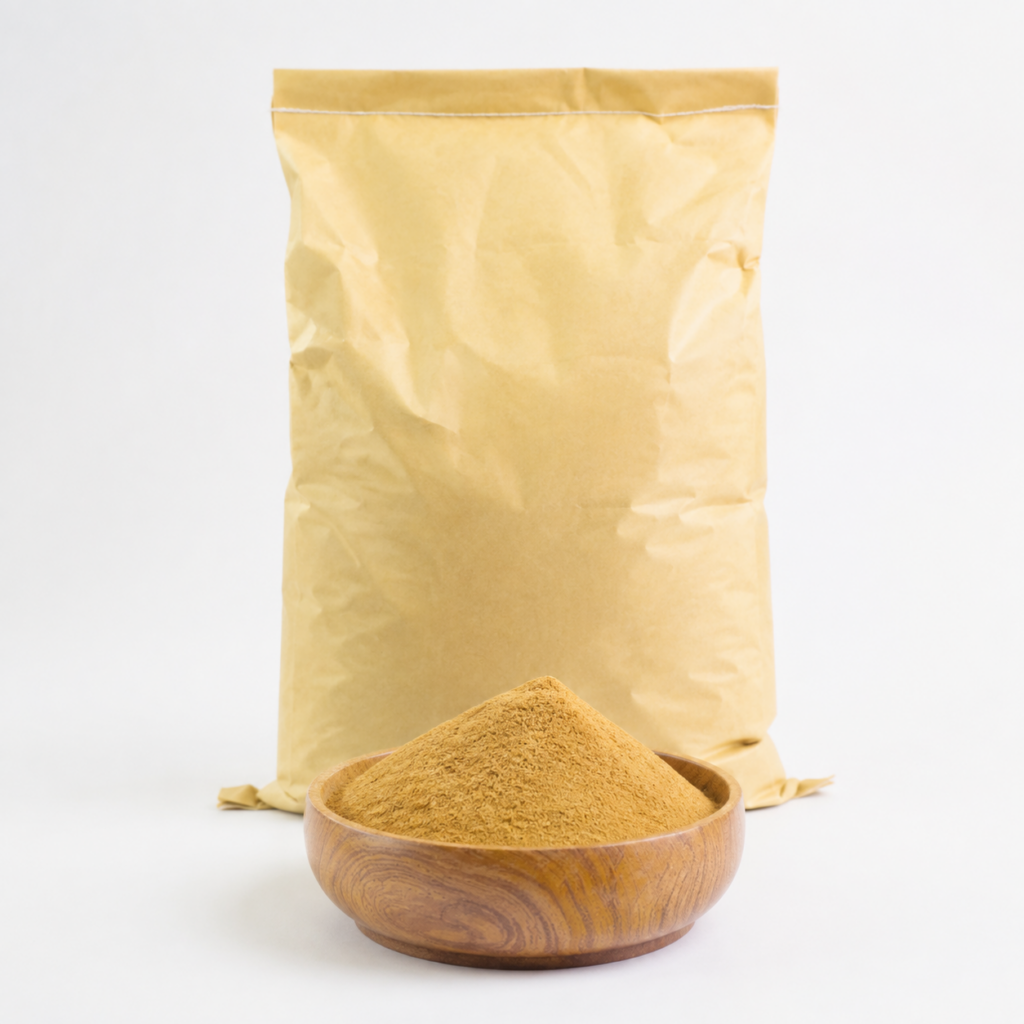
In the pet food industry, these products are also commonly described as:
- Cat food palatants
- Cat food flavor enhancers
- Cat food palatability enhancers
- Pet food attractants
- Cat food flavorings
- Liquid palatants
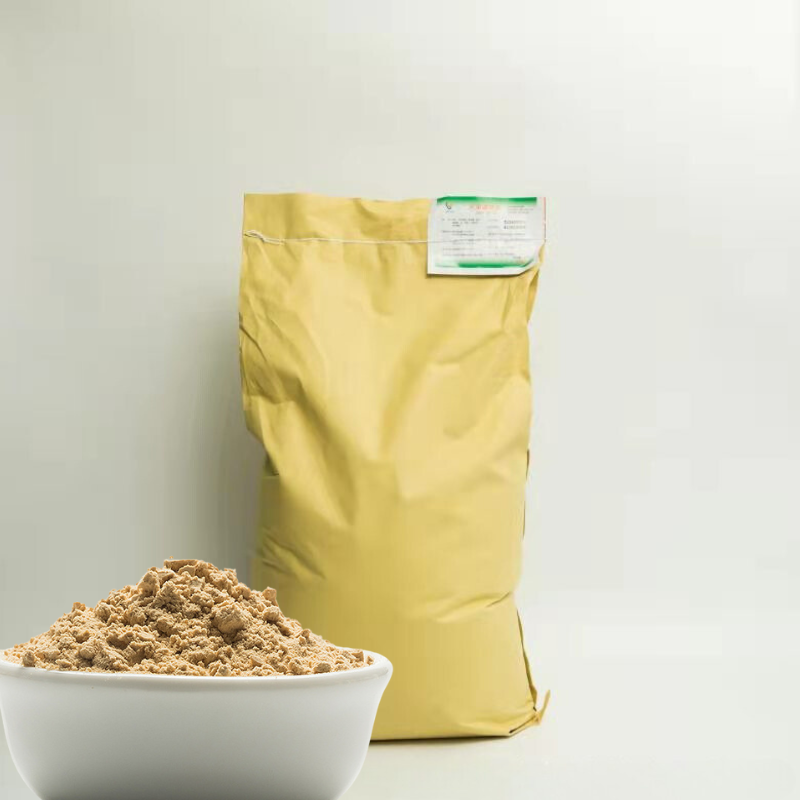
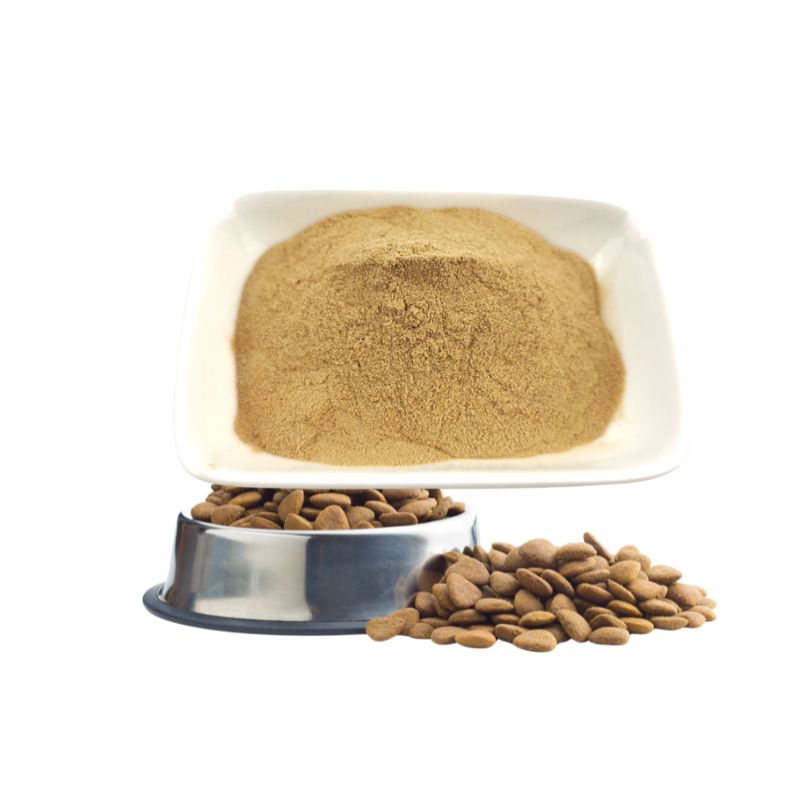
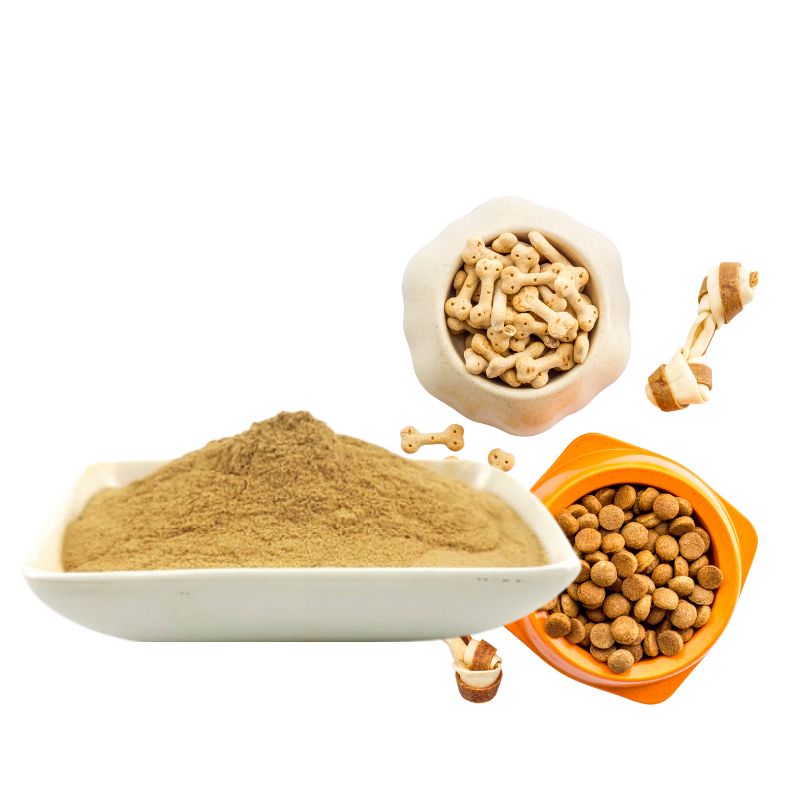
- Powder palatants
Cat food attractants are particularly important in dry kibble because the high-temperature extrusion and drying processes may reduce some of the natural aromas associated with fresh meat.
An appropriate palatant can help rebuild an attractive sensory profile after processing.
Why Is Palatability So Important for Cat Food?
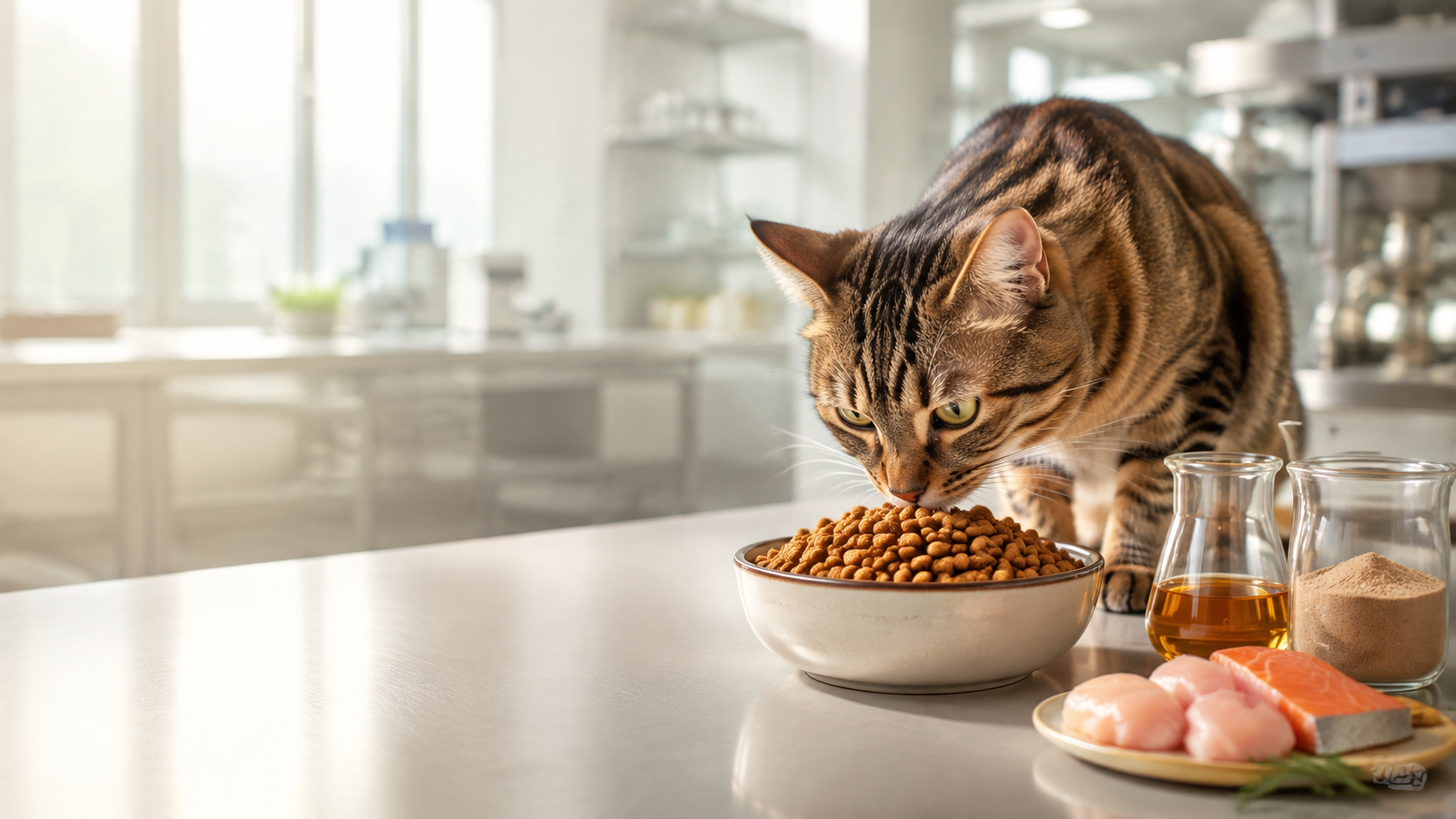
Cats rely heavily on smell when evaluating food.
Before eating, a cat normally approaches and smells the food. Aroma therefore plays an important role in initial attraction.
But attraction alone is not enough.
A successful palatability system should support several stages:
Aroma → Initial attraction → First bite → Continued eating
If a food smells attractive but its taste does not meet expectations, the cat may take a few bites and stop.
This is why manufacturers should evaluate overall palatability rather than only asking, “Does this product smell strong?”
How Does a Cat Food Palatability Enhancer Work?
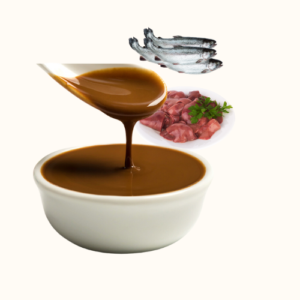
Commercial cat food palatants often use animal-derived proteins and hydrolyzed ingredients to create highly attractive savory profiles.
For example, hydrolyzed chicken liver can provide peptides, amino acids and other flavor-related compounds.
Depending on the formulation, further flavor development may also be achieved through controlled reactions such as Maillard reactions.
The result is a concentrated flavor system that can be applied to the surface of dry cat food.
Surface application is especially useful because the outer layer of kibble is one of the first parts detected by the cat.
Liquid vs. Powder Cat Food Attractants
There are two major formats used in dry cat food production.
| Type | Main Advantages | Typical Application |
|---|---|---|
| Liquid cat palatant | Excellent surface distribution and aroma delivery | Sprayed onto kibble |
| Powder cat palatant | Concentrated flavor and flexible application | Applied after fat/liquid coating |
| Liquid + Powder | More complete palatability system | Frequently used for demanding cat food formulations |
The best choice depends on the kibble recipe, production equipment, cost target and desired performance.
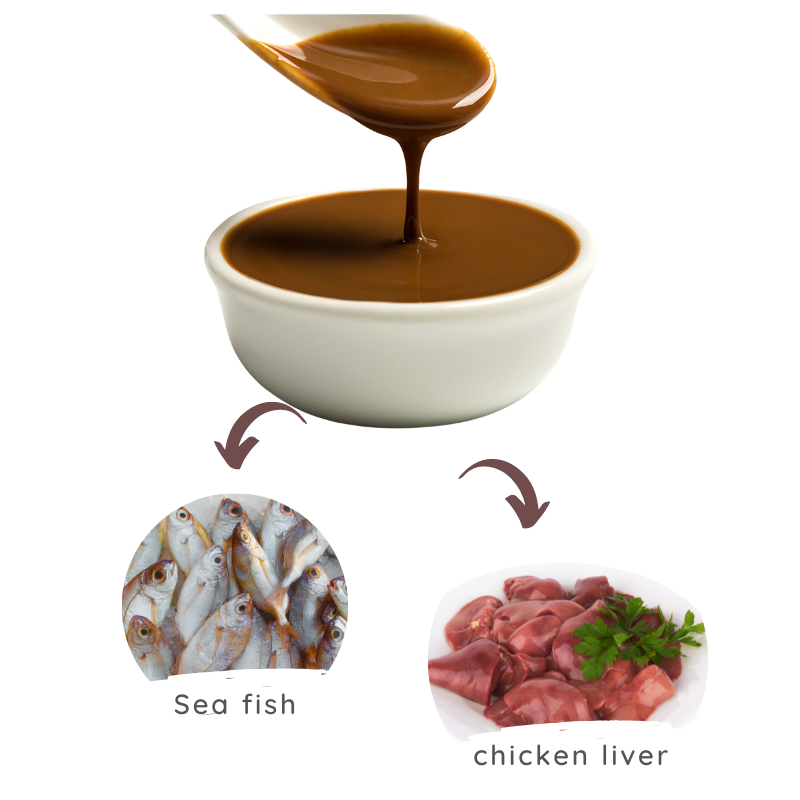
Liquid Cat Food Palatant
A liquid cat food attractant can be sprayed relatively evenly across the kibble surface.
It is suitable for industrial coating systems and can help manufacturers create a consistent flavor profile throughout production.
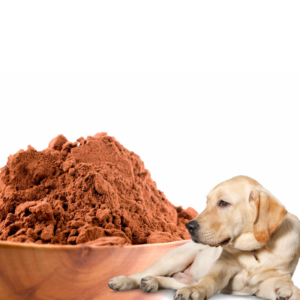
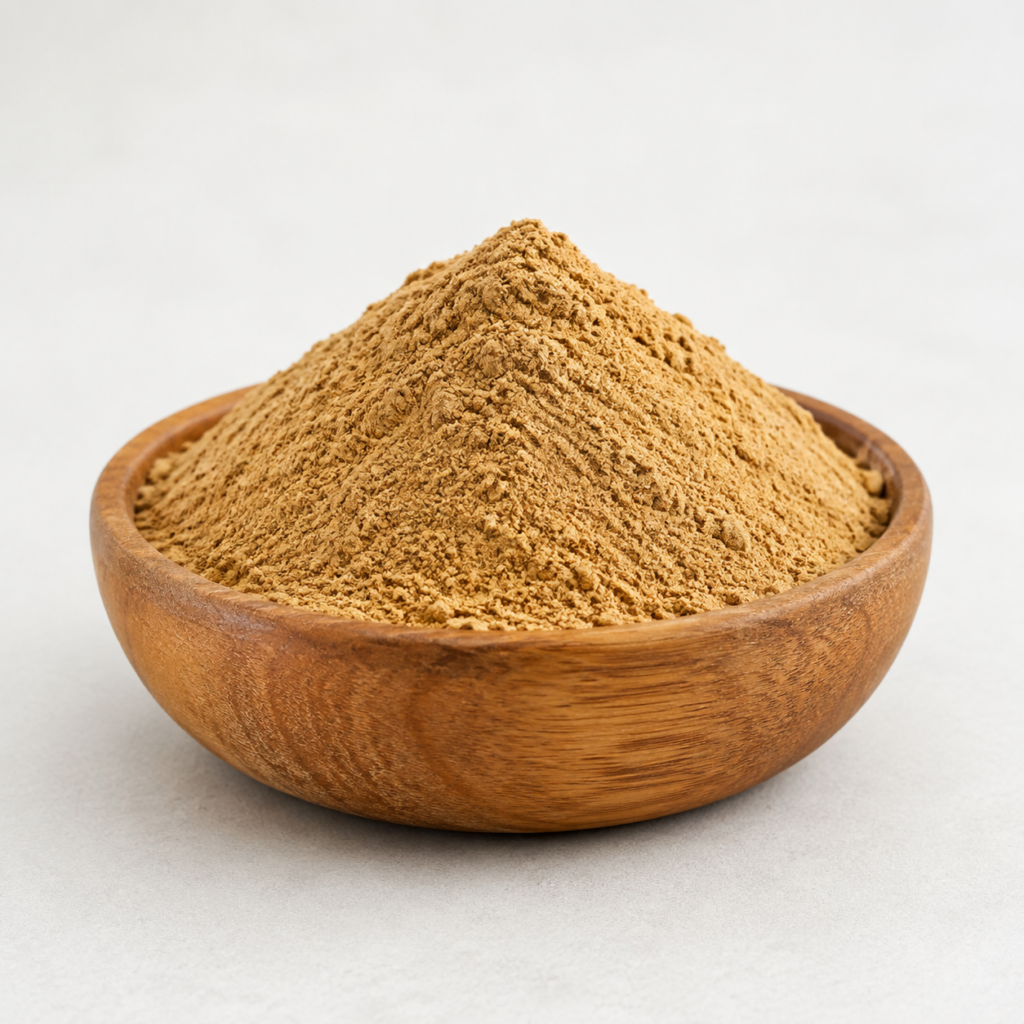
Powder Cat Food Palatant
A powder cat palatant provides another option for enhancing surface flavor.
Powder products can be used individually, but manufacturers seeking stronger performance may combine powder and liquid palatants.
How to Apply Cat Food Attractants to Dry Kibble
For dry cat food, the coating process can significantly influence the effectiveness of the palatant.
A commonly used approach is:
Step 1: Extrude and Dry the Kibble
Complete the main extrusion and drying process before surface coating.
Step 2: Apply Fat or Oil
Apply the required fat layer to the kibble surface.
Step 3: Apply Liquid Palatant
Spray the liquid cat food palatability enhancer as evenly as possible.
Step 4: Apply Powder Palatant
Where a combination system is used, apply the powder palatant after the liquid coating.
A typical sequence can therefore be summarized as:
Fat → Liquid Palatant → Powder Palatant
However, the ideal process should always be validated using the manufacturer’s own formulation and coating equipment.
How Much Cat Food Palatant Should Manufacturers Use?
There is no universal inclusion rate suitable for every cat food.
The correct dosage depends on:
- Base kibble formulation
- Fat content
- Protein source
- Kibble surface characteristics
- Palatant concentration
- Product positioning
- Target production cost
- Required palatability performance
As a general reference for Profypet’s palatability systems, powder palatants may be evaluated around 1–2%, while liquid systems may require a higher application level depending on the specific product.
Rather than simply increasing the dosage, manufacturers should conduct controlled feeding trials to determine the most cost-effective application level.
Stronger Smell Does Not Always Mean Better Palatability
This is an important distinction.
Human evaluation can help check aroma consistency, but humans and cats do not perceive food in exactly the same way.
A palatant that smells extremely strong to a person is not automatically the product cats will prefer.
Therefore, manufacturers should avoid selecting a cat food attractant based solely on human sensory evaluation.
Controlled palatability tests provide much more useful information.
How to Test Cat Food Palatability
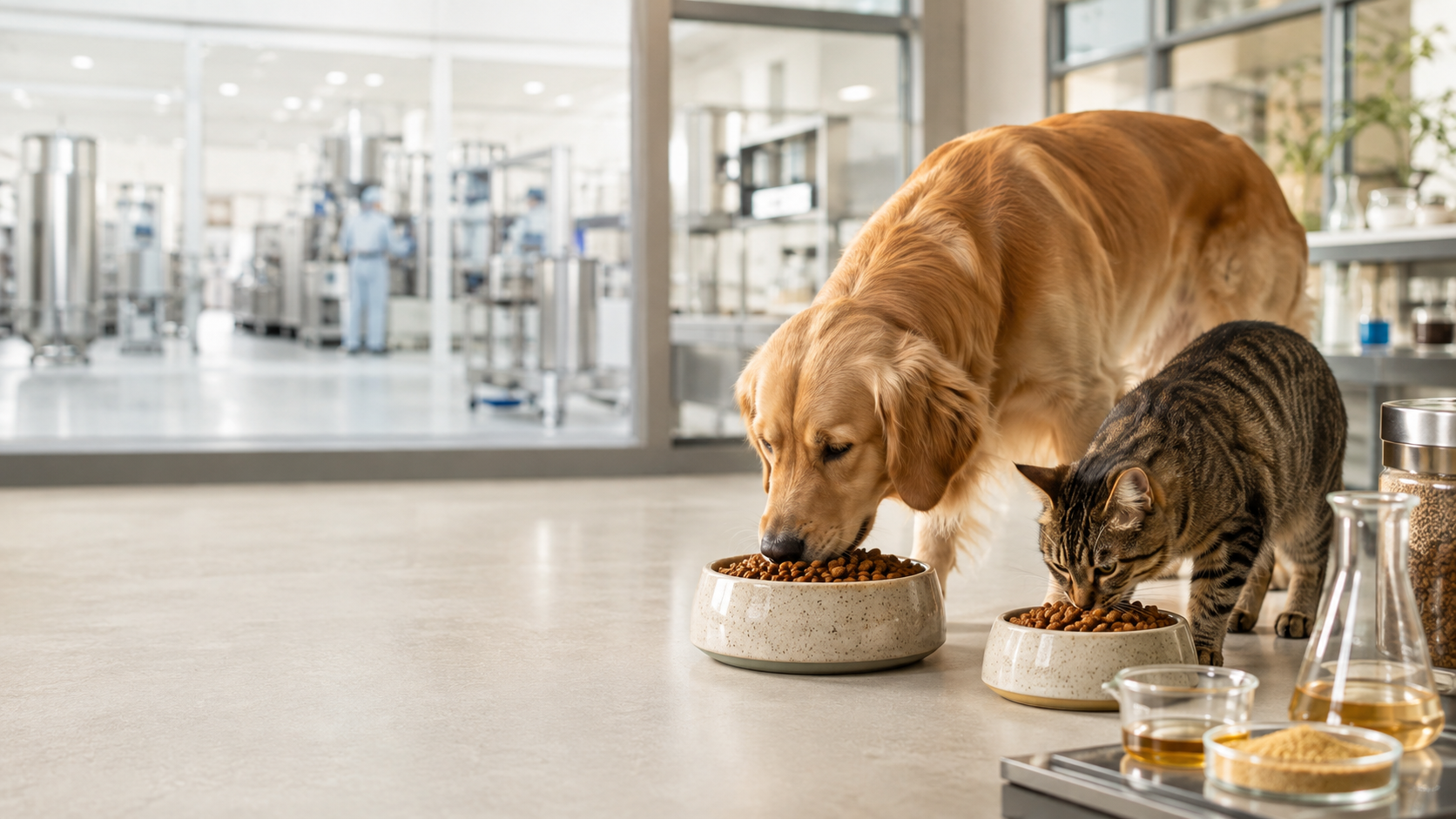
One commonly used approach is a two-bowl feeding trial.
Two formulations are offered under controlled conditions, and the cats’ behavior and consumption are compared.
Manufacturers can evaluate factors such as:
- First approach
- First choice
- Food consumed
- Intake ratio
- Repeat preference
For example, a pet food company can test:
Formula A: Existing cat kibble
Formula B: Same kibble + new cat palatability enhancer
This makes it easier to determine whether the palatant produces a meaningful improvement.
Further trials can compare different application rates or liquid-and-powder combinations.
How to Choose the Right Cat Food Attractant Supplier
For B2B buyers, price per kilogram should not be the only consideration.
A good cat food palatant supplier should be able to help manufacturers evaluate the relationship between performance, dosage and final production cost.
Consider:
1. Raw Material and Flavor Profile
Different protein sources and hydrolysates can create very different sensory characteristics.
2. Liquid or Powder Format
Choose a product compatible with your production line and coating equipment.
3. Palatability Performance
Whenever possible, compare products through controlled feeding trials rather than aroma alone.
4. Cost-in-Use
A lower-priced palatant is not necessarily more economical if a significantly higher dosage is required.
Calculate:
Palatant price × Application rate = Approximate palatant cost per ton of finished food
This gives procurement teams a much more meaningful comparison.
5. Batch Consistency
For commercial pet food production, consistent aroma, appearance and performance between batches are essential.
Improving Cat Food Palatability Is a System, Not a Single Ingredient
One of the biggest mistakes is treating palatability as a problem that can always be solved by adding more attractant.
The final acceptance of cat food can be affected by:
Base formula + raw materials + extrusion + drying + fat coating + palatant + storage + packaging
If kibble is overprocessed, fat becomes oxidized, or the coating is uneven, simply increasing the amount of palatant may not solve the underlying problem.
Manufacturers should therefore optimize the complete system.
Profypet Cat Food Palatability Solutions
Profypet provides cat food attractants and palatability enhancers for commercial pet food manufacturers.
Our cat food palatability solutions include both liquid and powder palatants, with formulations suitable for different dry cat food recipes, performance requirements and cost targets.
For manufacturers developing a new product or trying to improve an existing formula, we recommend evaluating the palatant directly on your own kibble whenever possible.
This allows the palatability system to be optimized according to your actual:
- Recipe
- Coating process
- Production equipment
- Target market
- Cost requirements
Frequently Asked Questions
What is a cat food attractant?
A cat food attractant is a flavor and palatability ingredient used to make cat food more appealing in terms of aroma and taste.
Are cat food attractants the same as palatants?
In commercial pet food manufacturing, the terms are often used similarly. Cat food palatant and cat food palatability enhancer are more common technical or B2B descriptions.
Can chicken liver hydrolysate be used as a cat food palatant?
Yes. Hydrolyzed animal proteins such as chicken liver hydrolysate can be used as important components of pet food flavor and palatability systems.
Can liquid and powder cat palatants be used together?
Yes. Combining liquid and powder palatants is a common strategy when manufacturers require stronger or more complete surface palatability.
How can I improve dry cat food palatability?
Review the base formula, processing conditions, fat quality, coating uniformity and palatant system together. Feeding trials can then be used to identify the most effective combination.
Conclusion
A good cat food attractant does more than create a strong smell. It should help improve initial attraction, taste acceptance and continued consumption while remaining compatible with industrial pet food production.
For manufacturers, achieving better cat food palatability requires the right combination of formulation, processing, fat coating and palatability enhancement.
If you are developing a new dry cat food or want to improve an existing formula, Profypet can provide liquid and powder cat food palatants for formulation testing and industrial applications.
Contact Profypet to discuss your cat food formulation and find a suitable palatability solution for your production needs.