Chicken Liver Powder Flavor Enhancer: An Effective Additive to Improve Cat Food
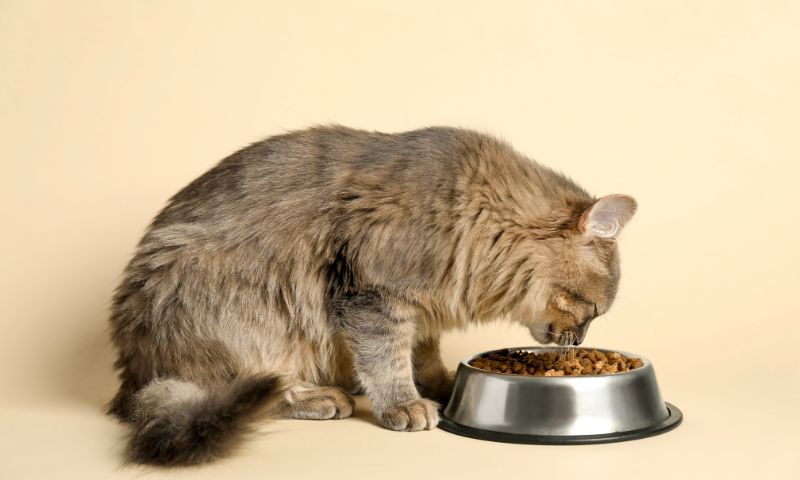
Cats are highly selective eaters. Even when cat food provides complete and balanced nutrition, an unattractive aroma or flavor can result in poor acceptance, food refusal, and waste. For pet food manufacturers, improving palatability is therefore an essential part of product development.
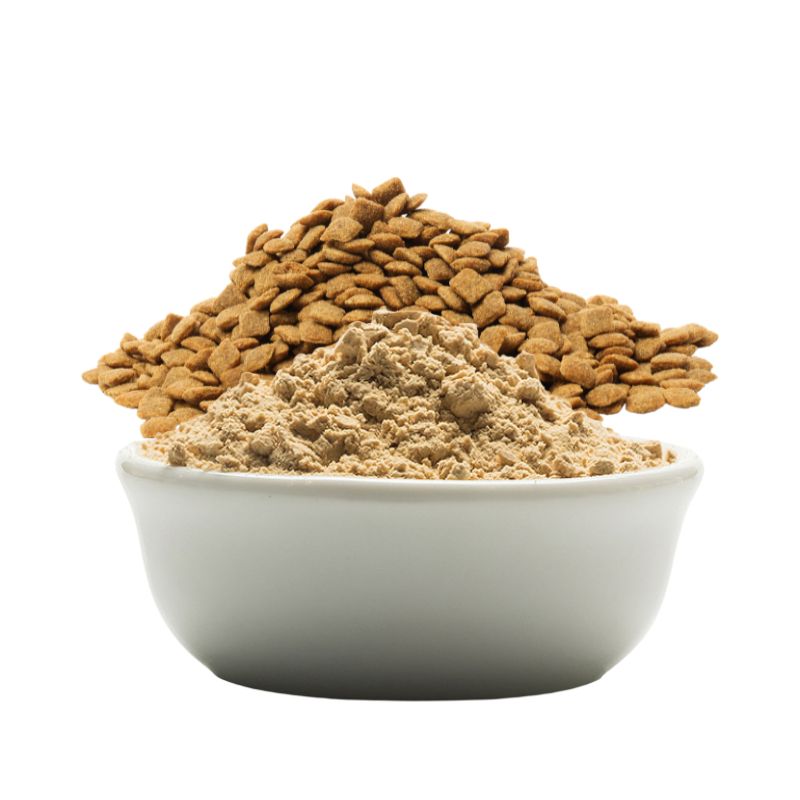
A chicken liver powder flavor enhancer for pet food is a practical additive designed to increase aroma intensity, deliver a meat-rich taste, and encourage cats to begin and continue eating. It can be applied to dry kibble, wet cat food, treats, supplements, and other pet nutrition products.
What Is Chicken Liver Powder Flavor Enhancer?
Chicken liver powder flavor enhancer is a concentrated savory ingredient produced from chicken liver or poultry-derived raw materials. Depending on the formulation and manufacturing process, the liver proteins may be enzymatically hydrolyzed to release peptides and amino acids.
These compounds help produce a strong animal-protein aroma and a flavor profile that cats naturally find attractive. Some products may also use controlled thermal processing or Maillard reaction technology to develop a deeper roasted-meat character.
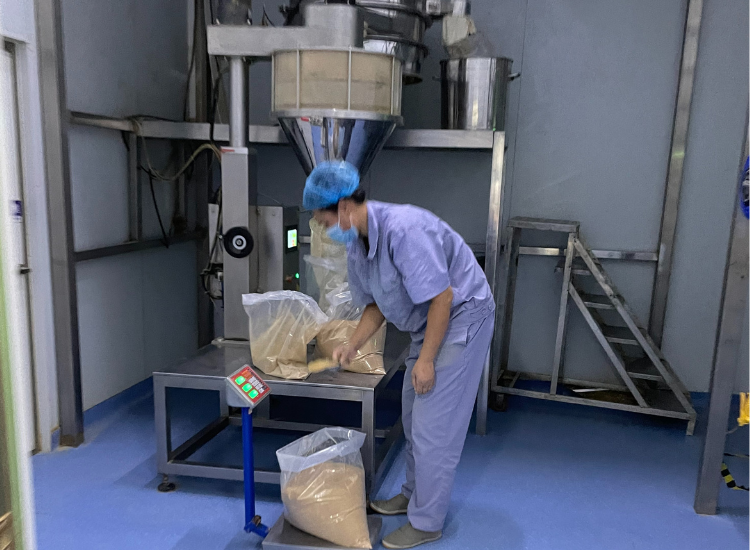
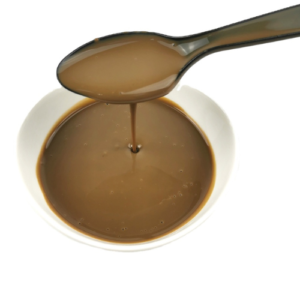
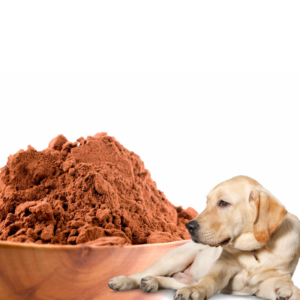
After processing, the liquid material is spray-dried into a stable powder that can be stored, transported, blended, or coated onto finished pet food.
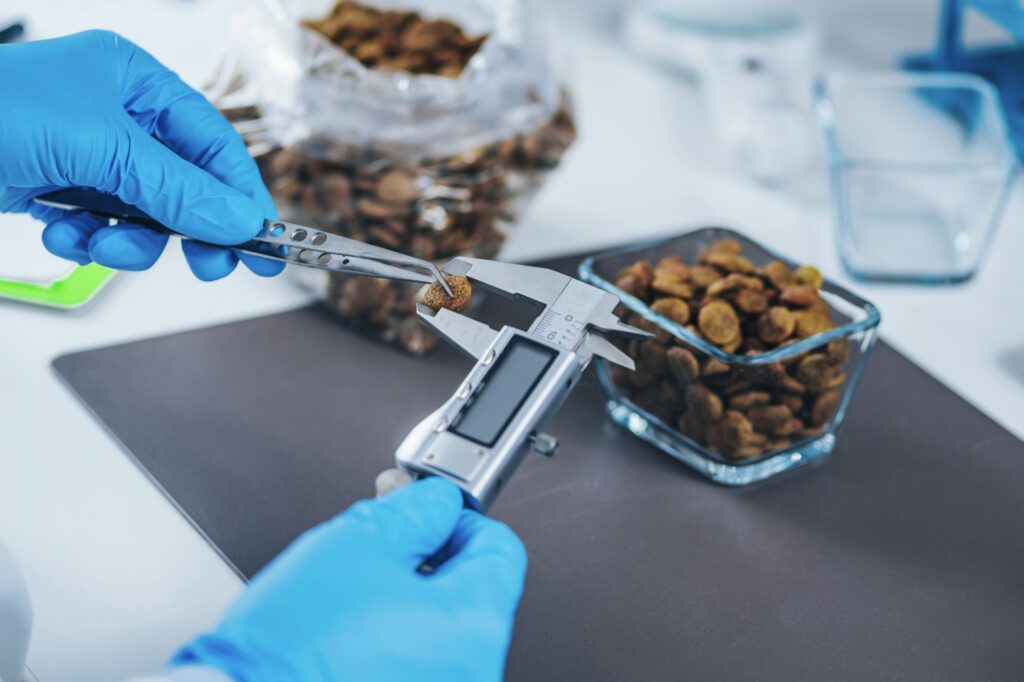
In commercial formulations, chicken liver powder may function as:
- A cat food flavor enhancer
- A dry pet food palatant
- A cat food attractant
- A savory taste additive
- A flavor base for compound palatants
- A coating ingredient for dry kibble
- An aroma enhancer for treats and supplements
It is more than ordinary chicken liver powder. A professionally formulated palatability enhancer is designed to provide consistent aroma release and measurable feeding performance.
Why Is Palatability Especially Important for Cat Food?
Cats evaluate food primarily through aroma, taste, texture, and previous eating experience. Because they have fewer taste receptors than humans but a highly sensitive sense of smell, the aroma released when they approach the bowl strongly influences whether they take the first bite.
Palatability can be affected by many factors, including:
- Protein source and quality
- Fat type and oxidation level
- Kibble shape, density, and texture
- Extrusion temperature
- Drying conditions
- Moisture content
- Mineral and vitamin premixes
- Functional ingredients
- Storage time
- Packaging performance
A nutritionally valuable ingredient may introduce bitterness, metallic notes, or an unfamiliar odor. Chicken liver powder flavor enhancer can help balance these undesirable characteristics and create a more attractive overall flavor profile.

How Does Chicken Liver Powder Improve Cat Food?
1. It creates a strong meat-based aroma
Chicken liver contains naturally appealing animal-protein flavor compounds. When the powder is applied to the surface of cat kibble, these compounds are released quickly and help attract the cat to the food.
This initial aroma is particularly important because cats often smell food before deciding whether to taste it.
2. It enhances savory and umami notes
Hydrolyzed liver proteins contain free amino acids and small peptides that contribute savory, brothy, and meaty characteristics. These components can make a basic cat food formula taste richer and more complete.
3. It supports the first-bite response
The first-bite response describes how quickly a cat begins eating after food is presented. A well-selected chicken liver powder palatant can improve initial attraction, especially when it is evenly distributed on the kibble surface.
4. It can encourage continued consumption
Attracting the cat to the bowl is only the first stage. The flavor must remain appealing during the meal. A balanced chicken liver flavor can help support continued consumption without producing an aroma that is excessively strong or unbalanced.
5. It helps mask undesirable flavors
Some functional cat food ingredients can negatively affect taste. Examples include minerals, vitamins, plant extracts, certain amino acids, medications, and nutritional supplements.
Chicken liver powder may help mask bitter or metallic notes, making functional formulas easier for cats to accept.
6. It provides a familiar protein profile
Chicken is widely used in commercial cat food. A chicken liver flavor enhancer can therefore complement many existing poultry-based recipes without requiring a major change to the original flavor positioning.
Main Applications in Pet Food Production
Dry cat food
Dry kibble is one of the most common applications. The powder can be applied after extrusion and drying as part of the external coating system.
For stronger palatability, manufacturers often use a coating sequence such as:
Fat or oil → liquid palatant → chicken liver powder palatant
This approach helps the powder adhere to the kibble and creates different layers of aroma and taste.
Wet cat food
Chicken liver powder can be incorporated into pâté, mousse, chunks in gravy, soup, and other wet cat food formats. Because heat treatment may change the final flavor, manufacturers should evaluate the enhancer after retorting rather than relying only on the aroma of the uncooked formula.
Cat treats
The powder can be used in baked treats, soft treats, dental products, lickable snacks, and meat-based treats. It can improve flavor while supporting a recognizable chicken or liver product concept.
Pet supplements
Vitamin tablets, nutritional powders, probiotic products, and functional chews may contain ingredients that cats dislike. A chicken liver flavor enhancer can help mask these notes and improve voluntary intake.
Veterinary and functional diets
Specialized diets may require restricted ingredients or higher levels of functional components. A suitable palatant can help maintain acceptance while allowing manufacturers to meet nutritional objectives.

Recommended Inclusion Level
The correct dosage depends on the base recipe, processing method, target market, and required palatability level. For dry cat food, chicken liver powder palatants are commonly evaluated at approximately 1%–2%, but the final level should always be determined through application testing and feeding trials.
Using more powder does not automatically produce better results. Excessive application may create an unbalanced aroma, increase production costs, or affect surface appearance.
Manufacturers should test several dosage levels, such as:
- Low dosage for cost optimization
- Standard dosage for everyday formulas
- Higher dosage for premium or difficult-to-flavor recipes
The enhancer should also be tested in the finished product after normal production, packaging, and storage.
Powder Palatant vs. Liquid Palatant
Both formats can improve cat food, but they perform differently.
| Factor | Powder Palatant | Liquid Palatant |
|---|---|---|
| Handling | Easy to weigh and store | Requires pumping or spraying equipment |
| Application | Surface coating or dry blending | Spraying, coating, or formula inclusion |
| Aroma effect | Strong surface aroma | Good distribution across the kibble |
| Storage | Generally convenient | May require more controlled storage |
| Best use | Dry food, treats, supplements | Dry food and wet food |
| Combination | Can be used alone | Often combined with powder |
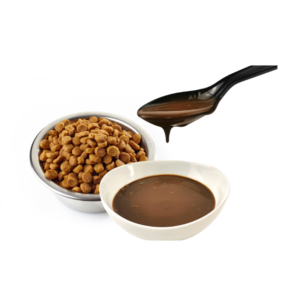
For cat food, combining liquid and powder palatants often produces better results than using either format alone. The liquid component provides broad coverage, while the powder creates a concentrated aroma layer on the kibble surface.
How to Select the Right Chicken Liver Powder
Not all chicken liver powders provide the same performance. Pet food manufacturers should evaluate several factors before choosing a supplier.
Palatability performance
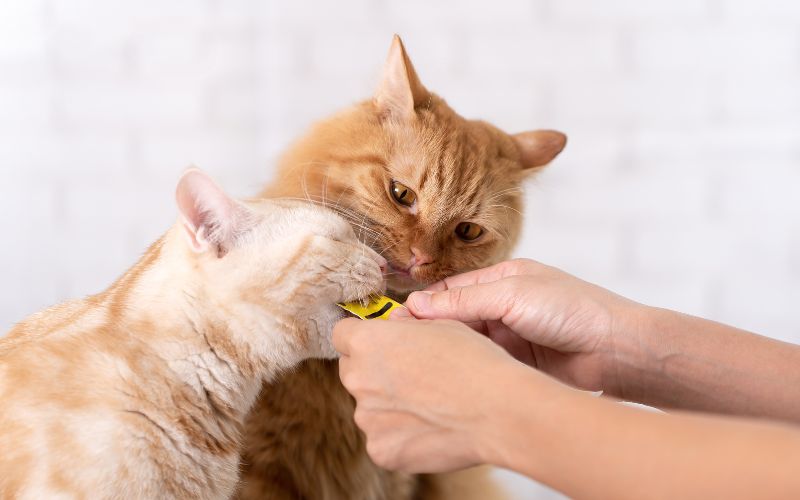
The ingredient should be tested through controlled feeding trials. Important indicators include first choice, first bite, intake ratio, and total consumption.
Aroma profile
A suitable product should provide a clean and recognizable chicken liver aroma. Burnt, bitter, rancid, or excessively salty notes can reduce acceptance.
Batch consistency
Variation in color, aroma, moisture, or particle size can affect finished-product performance. Consistent raw materials and controlled processing are essential.
Dispersibility and coating ability
The powder should mix evenly and adhere properly to the kibble. Poor distribution can create inconsistent flavor between batches or even between individual pieces of kibble.
Heat stability
For wet food and baked treats, the flavor must remain attractive after heating, baking, sterilization, or retorting.
Shelf-life stability
Pet food may be stored for months before consumption. The flavor enhancer should maintain its aroma without developing oxidative or off-flavor notes during storage.
Regulatory compliance
The ingredient must meet the requirements of the target market. Buyers should confirm the ingredient declaration, raw material origin, microbiological specifications, allergen information, and relevant export documentation.
How to Evaluate Palatability Performance
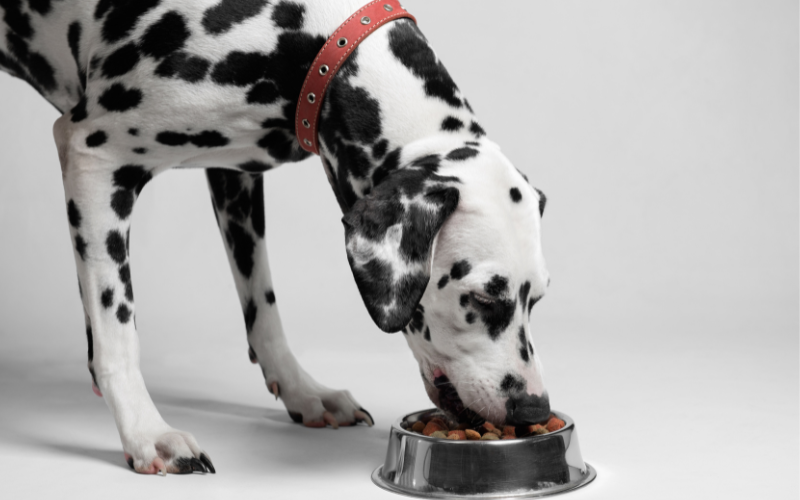
Aroma evaluation by people is useful during development, but human preference cannot replace animal feeding tests. A flavor that smells strong to a person may not necessarily be preferred by cats.
Common evaluation methods include:
One-bowl test
The cat receives one food sample, and researchers measure consumption, eating time, and refusal behavior. This test is useful for understanding general acceptance.
Two-bowl preference test
Two formulas are presented simultaneously. Researchers compare which food is approached first and how much of each sample is consumed.
First-choice and first-bite measurement
First choice indicates which bowl the cat approaches first. First bite measures which food the cat begins eating first. These indicators help assess aroma attraction.
Intake ratio
The amount consumed from each bowl is compared to determine overall preference. This is particularly useful when evaluating different flavor enhancers or inclusion levels.
Reliable testing should use the same base formula, processing conditions, and storage period so that the palatant is the primary variable.
Improving Results Through the Coating Process
Even a high-performing flavor enhancer may produce disappointing results if it is applied incorrectly.
For dry cat food, manufacturers should control:
- Kibble temperature during coating
- Fat application level
- Spray uniformity
- Mixing time
- Powder distribution
- Kibble breakage
- Cooling before packaging
If the kibble is too hot, volatile aroma compounds may be lost. If it is too cold or the surface contains insufficient fat, the powder may not adhere evenly.
Pilot testing can help determine the best coating temperature, mixing time, and sequence for each production line.
Frequently Asked Questions
Is chicken liver powder the same as chicken liver flavor enhancer?
Not always. Standard chicken liver powder may mainly serve as a nutritional or flavor ingredient. A chicken liver flavor enhancer or palatant is specifically processed and formulated to improve food acceptance and feeding performance.
Can chicken liver powder be used in dog food?
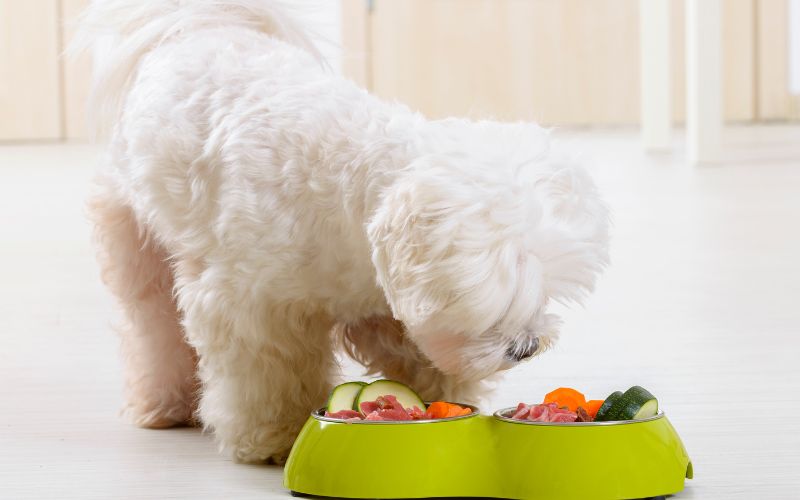
Yes. It can be applied to both dog and cat food. However, dogs and cats have different flavor preferences, so the product should be selected and tested for the intended animal.
Can it be used with fish-flavored cat food?
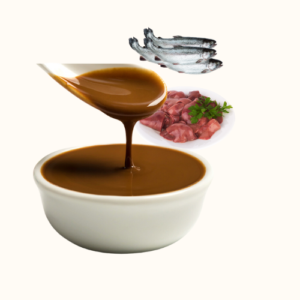
Yes. Chicken liver powder can be combined with fish-based palatants to create a chicken-and-fish flavor profile. The ratio should be optimized through feeding trials.
Does a stronger aroma always mean better palatability?
No. Aroma intensity is only one factor. The balance of volatile compounds, taste components, fat, texture, and aftertaste all influence acceptance.
Can it mask the taste of vitamins and minerals?
It may help reduce the perception of bitter or metallic notes, but its effectiveness depends on the type and concentration of the functional ingredients.
Should manufacturers use powder and liquid palatants together?
For dry cat food, a combination often provides stronger and more consistent performance. However, the best system depends on the base formula, production equipment, and cost target.
Conclusion
A chicken liver powder flavor enhancer for pet food can be an effective additive for improving the aroma, savory taste, and overall acceptance of cat food. It is suitable for dry kibble, wet food, treats, supplements, and functional diets.
The best results depend on more than choosing a strong-smelling powder. Manufacturers should consider palatability performance, coating behavior, dosage, heat stability, shelf life, regulatory compliance, and compatibility with the complete recipe.
Profypet supplies powder and liquid palatability solutions for different cat food formulations and production processes. Customized flavor profiles and application guidance can help manufacturers balance feeding performance, product positioning, and formulation cost.
Contact Profypet to request a sample or discuss a customized chicken liver powder flavor enhancer for your cat food formula.