
Dog Food Flavor Enhancer Powder
Meta Description: Learn how dog food flavor enhancer powder improves palatability, supports feed acceptance, and helps pet food manufacturers create more competitive, consistent, and market-ready products.
When a pet food product succeeds in the market, nutrition is only part of the story. Taste, aroma, and feeding response are just as important. No matter how balanced a formula looks on paper, it must also win the pet’s attention at the bowl. That is why dog food flavor enhancer powder has become an important tool for modern pet food manufacturers, pet food factories, and pet food palatant wholesalers.
In today’s competitive pet food industry, brands are expected to deliver products that satisfy both pets and pet owners. Dogs and cats may not read ingredient lists, but they respond instantly to smell, taste, and texture. This is where palatability enhancer for pet food solutions play a vital role. They help improve feed acceptance, strengthen product consistency, and support the marketability of dry food, wet food, treats, and specialty diets.
For manufacturers developing new products or improving existing formulas, understanding how pet food palatability, cat food flavor enhancer, and feed additives for dogs work together is essential. In this article, we will explore what dog food flavor enhancer powder is, how it supports pet food palatability, why it matters for cats as well as dogs, and what buyers should look for in a reliable palatability enhancer supplier.
What Is Dog Food Flavor Enhancer Powder?
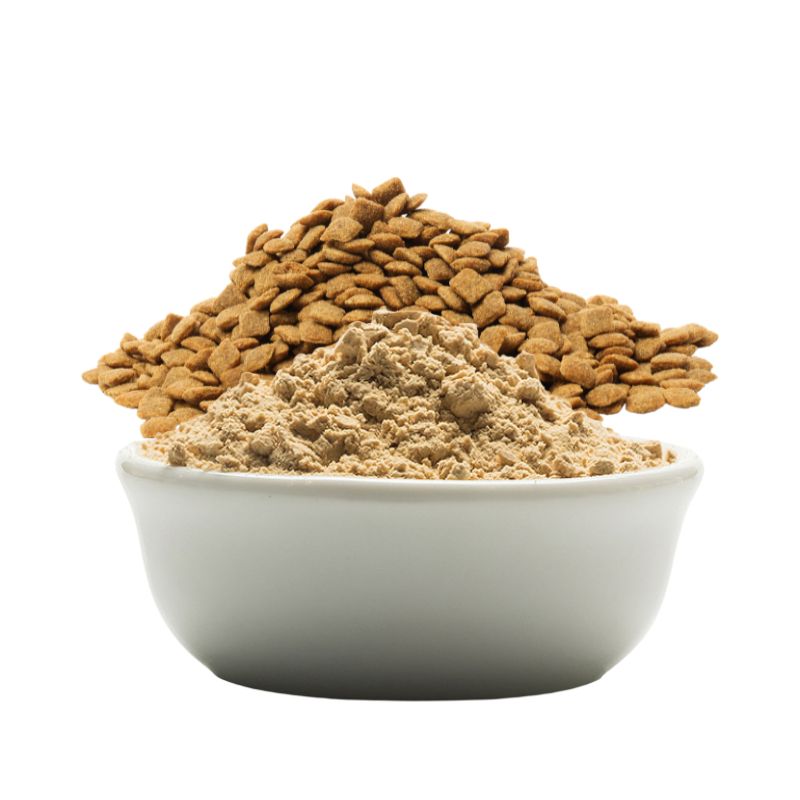
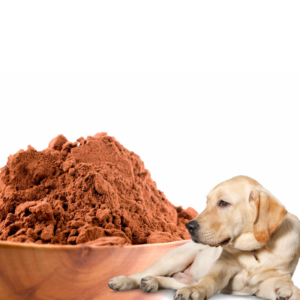
A dog food flavor enhancer powder is a functional palatability ingredient designed to improve the smell, taste, and overall acceptance of pet food. It is commonly applied to kibble, mixed into premixes, or used in treats and functional formulations. These powders are often made from animal-based raw materials, hydrolyzed proteins, yeast derivatives, natural flavor compounds, or other carefully processed pet food ingredients that are attractive to pets.
The main purpose is simple: make food more appealing so pets eat it willingly and consistently.
For pet food producers, this matters in several situations:
- Launching a new dry food recipe
- Improving the acceptance of therapeutic or functional diets
- Offsetting less appealing raw materials
- Making reduced-fat or specialized recipes more attractive
- Increasing repeat purchase potential by improving feeding experience
In B2B manufacturing, palatability is not just a sensory issue. It is directly linked to product performance, customer satisfaction, and brand reputation.
Why Palatability Matters in Pet Food
Palatability pet food performance can influence whether a product succeeds or fails in the market. Pet owners may buy a product once because of packaging, claims, or price. But they will only buy it again if their pets actually enjoy eating it.
A highly nutritious product with poor feeding response often leads to complaints such as:
- “My dog refused to eat it.”
- “My cat sniffed it and walked away.”
- “The transition to the new formula failed.”
- “The product worked nutritionally, but my pet did not like the taste.”
This is why pet food palatability is one of the most practical concerns for manufacturers. It affects product trial, consumption rate, owner satisfaction, and brand loyalty.
In the B2B pet food supply chain, palatability also supports:
- Better formula optimization
- Improved consistency between production batches
- Easier adaptation to market-specific taste preferences
- Higher confidence for private label and OEM/ODM projects
For factories and brand owners, flavor enhancement is not a luxury. It is a product development necessity.
The Role of Flavor Enhancers in Dog Food
Dogs are highly responsive to aroma and taste cues. Even when a formula is nutritionally balanced, dogs may reject it if the sensory profile is weak. A dog food flavor enhancer powder improves product appeal by strengthening key sensory signals.
These flavor enhancers can help:
Improve First-Bowl Acceptance
The first feeding experience often determines whether a customer sees the product as successful. A stronger aroma and more attractive taste profile can improve the chances of immediate acceptance.
Support Formula Changes
When a brand changes ingredients due to cost, availability, or nutrition targets, the taste may also change. Flavor enhancer powder helps smooth that transition and reduce the risk of rejection.
Enhance Dry Kibble Appeal
Dry food often benefits significantly from surface-applied palatants or powdered flavor systems. Since kibble has lower moisture, flavor enhancers help deliver a more attractive eating experience.
Strengthen Functional Diet Acceptance
Functional recipes for digestion, weight management, skin support, or senior nutrition may include ingredients that are less naturally attractive. Flavor enhancers help these diets remain practical in real-world feeding.
Improve Treat Consumption
In treats, taste is everything. Flavor systems can increase the value of training treats, chewy treats, dental treats, and reward snacks.
Why Cat Food Palatability Also Matters
Although this article focuses on dog food flavor enhancer powder, it is impossible to ignore the importance of cat food palatability. Cats are famously selective eaters, and their sensory preferences can be even more demanding than those of dogs.
For manufacturers producing both dog and cat food, a broader understanding of palatability is essential. In fact, many buyers searching for a palatability enhancer supplier are developing multi-species product lines and need application knowledge across both categories.
Cats respond strongly to aroma, mouthfeel, and protein-based flavor notes. A well-designed cat food flavor enhancer can help improve feeding response in:
- Dry cat food
- Wet food
- Cat treats
- Functional toppers
- Specialized veterinary diets
Because cats can be more sensitive to flavor profile changes, palatability strategies for feline products often require careful formulation and testing.
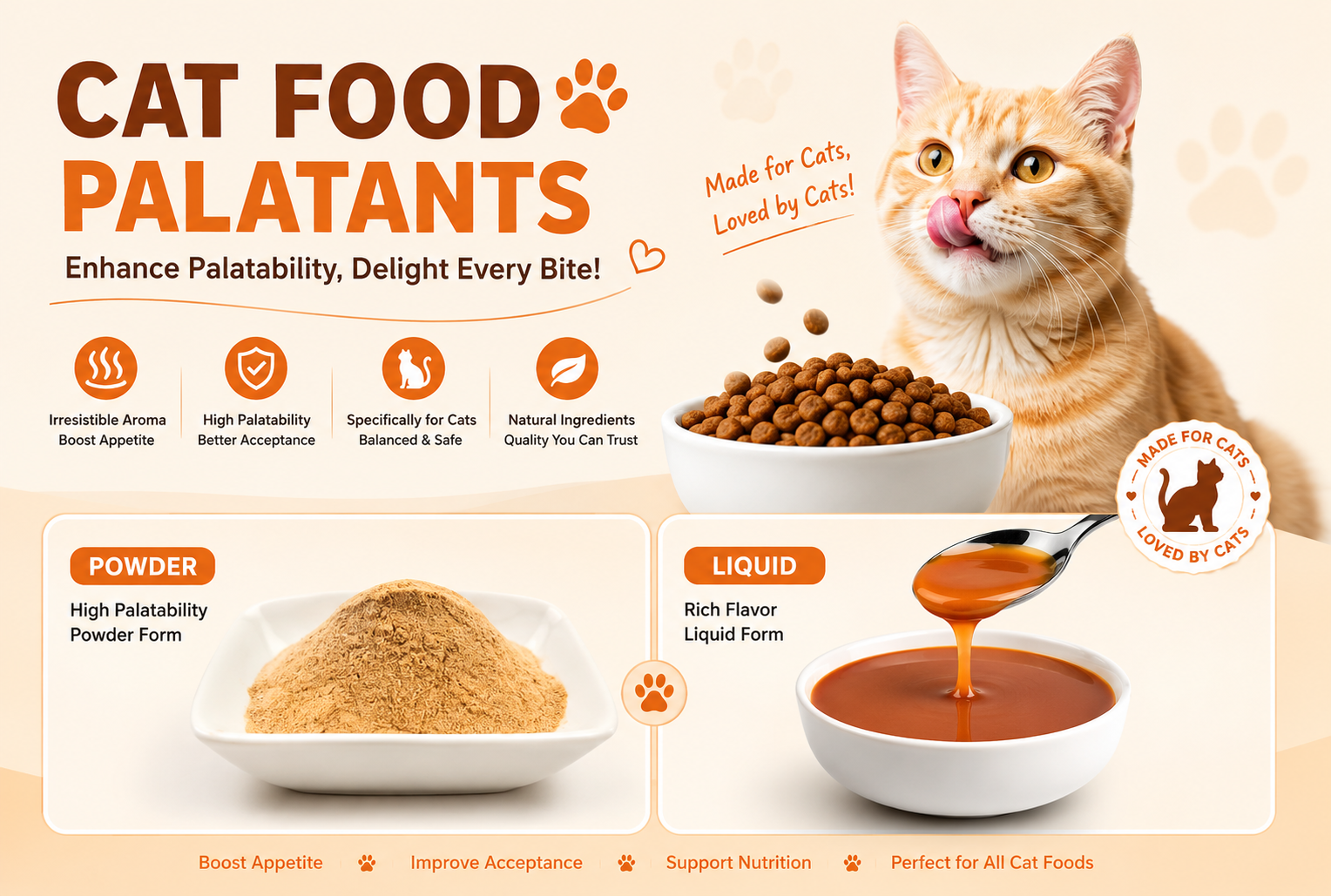
What Is a Cat Food Flavor Enhancer?
A cat food flavor enhancer is a palatability solution designed specifically to appeal to feline sensory preferences. These enhancers may include hydrolyzed proteins, animal tissue derivatives, fermentation-based ingredients, or other flavor-active materials that create desirable meaty or savory notes.
A quality cat food flavor enhancer helps support:
- Better voluntary intake
- Greater acceptance of dry or wet food
- Improved product differentiation
- More stable feeding behavior in picky cats
For pet food manufacturers, developing strong cat palatability is often a technical challenge. This is why working with an experienced palatability enhancer supplier is especially valuable in cat food applications.
How Palatability Enhancer for Pet Food Works
A palatability enhancer for pet food works by improving one or more sensory dimensions of the food:
Aroma
Smell is often the first trigger for interest. Stronger, cleaner, more species-appropriate aroma notes can increase investigation and feeding.
Taste
Flavor systems help improve taste intensity and balance. This can make food more acceptable, especially when the base formula is bland or medicinal in character.
Mouthfeel
Some palatability systems influence how the food is perceived during chewing or licking, which can matter in both dry and wet applications.
Aftertaste
A well-designed enhancer can reduce bitterness, mineral harshness, or other undesirable lingering notes from functional ingredients.
This is particularly important in products containing vitamins, minerals, botanicals, or specialized nutritional additives.

Common Pet Food Ingredients Used in Flavor Enhancement
A variety of pet food ingredients can be used to build palatability systems. The exact combination depends on the species, product type, processing method, and target market.
Common ingredients include:
- Hydrolyzed animal proteins
- Chicken liver powder
- Meat digests
- Yeast extracts
- Fermentation-derived flavor materials
- Natural reaction flavors
- Fat-coated flavor carriers
- Spray-dried protein powders
These ingredients can be selected and blended to create tailored sensory profiles for dogs or cats. In B2B applications, customization is often important because different markets have different preferences, regulations, and price expectations.
Feed Additives for Dogs: More Than Just Taste
Many buyers think of feed additives for dogs only in terms of nutrition or preservation. But flavor enhancers are also a strategic class of feed additive because they help ensure the final formula is consumed properly.
After all, nutrition only works when the pet eats the food consistently.
As part of a complete formula, feed additives for dogs may support:
- Palatability
- Digestive support
- Shelf-life stability
- Functional health positioning
- Product appearance and uniformity
Among these, palatability is one of the most commercially visible outcomes. If feeding response is poor, the value of other additives may never be fully realized.
Dog Food Flavor Enhancer Powder in Different Applications
A good flavor enhancer powder should be versatile enough for multiple pet food formats. Manufacturers often need solutions that adapt to different production lines and product categories.
Dry Dog Food
Powdered enhancers can be applied during coating or blended into the formula to improve the overall sensory profile of kibble.
Semi-Moist Products
These applications often require stable flavor performance under moderate moisture conditions.
Dog Treats
Training treats, biscuits, chewy snacks, and dental treats all benefit from more attractive taste and aroma.
Functional or Prescription Diets
Where compliance is critical, better palatability can improve regular feeding acceptance.
Cat Food and Cat Treats
Although species-specific formulation is essential, similar application concepts also apply to feline products.
What Manufacturers Should Look for in a Palatability Enhancer Supplier
Choosing the right palatability enhancer supplier is a major decision for pet food manufacturers and pet food factories. The supplier is not only providing an ingredient, but also helping shape product performance in the market.
Here are some important points B2B buyers should evaluate:
Technical Expertise
A good supplier should understand species differences, processing conditions, formula compatibility, and product application methods.
Product Consistency
Consistency between lots is critical. If flavor performance changes too much, feeding response may become unstable.
Customization Ability
OEM/ODM and private label projects often require custom palatability solutions. A capable supplier should support tailored flavor systems based on product goals.
Quality Control
Manufacturers should look for suppliers with strong raw material control, traceability, and quality management systems.
Regulatory Awareness
Different export markets have different compliance requirements. A reliable supplier should understand relevant standards for ingredients and labeling.
Testing Support
Palatability testing, application advice, and formulation support can significantly improve product development outcomes.
Why Pet Food Manufacturers Use Customized Palatability Solutions
There is no universal flavor enhancer that fits every formula. A product for premium puppy food may need a different sensory profile from a value dog biscuit or a therapeutic cat diet. That is why customized palatability systems are becoming increasingly important.
Customization may involve:
- Species-specific flavor design
- Aroma profile adjustment
- Powder particle size optimization
- Compatibility with extrusion or coating
- Matching regional taste preferences
- Cost-performance balancing
For B2B buyers, this flexibility can create a real competitive advantage. It allows the final product to better fit the brand’s positioning and target market.
Dog Food Flavor Enhancer Powder and Product Development Strategy
Using dog food flavor enhancer powder should not be treated as a last-minute fix. The best results come when palatability is considered early in the product development process.
Manufacturers should evaluate:
- Target pet type and life stage
- Product format
- Nutritional positioning
- Processing conditions
- Ingredient interactions
- Cost targets
- Regional market expectations
When palatability is built into formulation strategy from the start, the final product is more likely to succeed in both feeding performance and commercial positioning.
The Growing Importance of Palatability in Premium Pet Food
As the pet food industry becomes more premium, pet owners expect more from every product. They want visible quality, clean ingredient stories, and reliable feeding performance. That raises the bar for manufacturers.
Today, brands are not just selling nutrition. They are selling a complete feeding experience.
This is especially true in categories such as:
- Premium dog kibble
- Functional treats
- Freeze-dried toppers
- High-meat recipes
- Cat snacks for picky eaters
- Specialized health-support diets
In all of these areas, palatability enhancer for pet food solutions help bridge the gap between nutritional design and real-life feeding success.
Conclusion
A strong dog food flavor enhancer powder can make the difference between a nutritionally sound product and a truly successful product. For pet food manufacturers, pet food factories, and pet food palatant wholesalers, palatability is not a secondary detail. It is a practical performance driver that affects feeding response, customer satisfaction, and repeat sales.
At the same time, the same principle applies across species. Cat food palatability, cat food flavor enhancer systems, and other feed additives for dogs and cats all contribute to a better finished product when used strategically.
Whether you are developing a new kibble line, improving a treat formula, or searching for a dependable palatability enhancer supplier, it is worth investing in ingredients and partners that understand both technical performance and market expectations.
For pet food businesses looking to build more attractive, more competitive products, flavor enhancement is not just about taste. It is about making nutrition easier to accept, easier to market, and easier to trust.
To explore tailored palatability solutions for your next pet food project, visit profypet.com and discover how the right flavor system can support your product development goals.
FAQ: Dog Food Flavor Enhancer Powder
What is dog food flavor enhancer powder used for?
It is used to improve the smell, taste, and feeding acceptance of dog food, treats, and functional diets.
Can the same palatability enhancer be used for cats?
Not always. Cats and dogs have different preferences, so species-specific formulation is usually recommended.
Why is palatability important in pet food?
Palatability affects whether pets willingly eat the food. Better acceptance supports customer satisfaction and repeat purchases.
What are common ingredients in palatability enhancers?
Common ingredients include hydrolyzed proteins, meat digests, liver powders, yeast extracts, and other flavor-active pet food ingredients.
How do I choose a palatability enhancer supplier?
Look for technical expertise, consistent quality, customization ability, regulatory understanding, and strong application support.