Flavor Enhancer for Cat Food: How to Improve Taste and Palatability
Cats are notoriously selective eaters. Even when a cat food formula delivers excellent nutrition, the product may struggle in the market if cats are reluctant to smell, taste, or continue eating it.
This is where a flavor enhancer for cat food becomes important.
For pet food manufacturers, flavor enhancement is not simply about making food “smell stronger.” A professional palatability solution needs to improve the overall eating experience—from the initial aroma that attracts the cat to the flavor released during chewing.
So, how do cat food flavor enhancers work? And how should manufacturers choose between liquid and powder palatants?
Let’s take a closer look.
What Is a Flavor Enhancer for Cat Food?
A flavor enhancer for cat food is an ingredient or palatability system designed to improve the aroma, taste, and overall acceptance of cat food.
In the pet food industry, these products are often referred to as:
- Cat food palatants
- Cat food attractants
- Cat food flavoring
- Palatability enhancers
- Pet food flavor enhancers
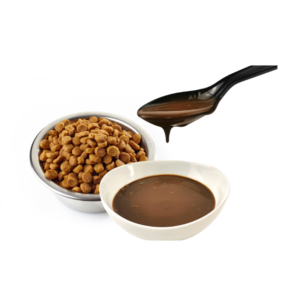
- Liquid palatants
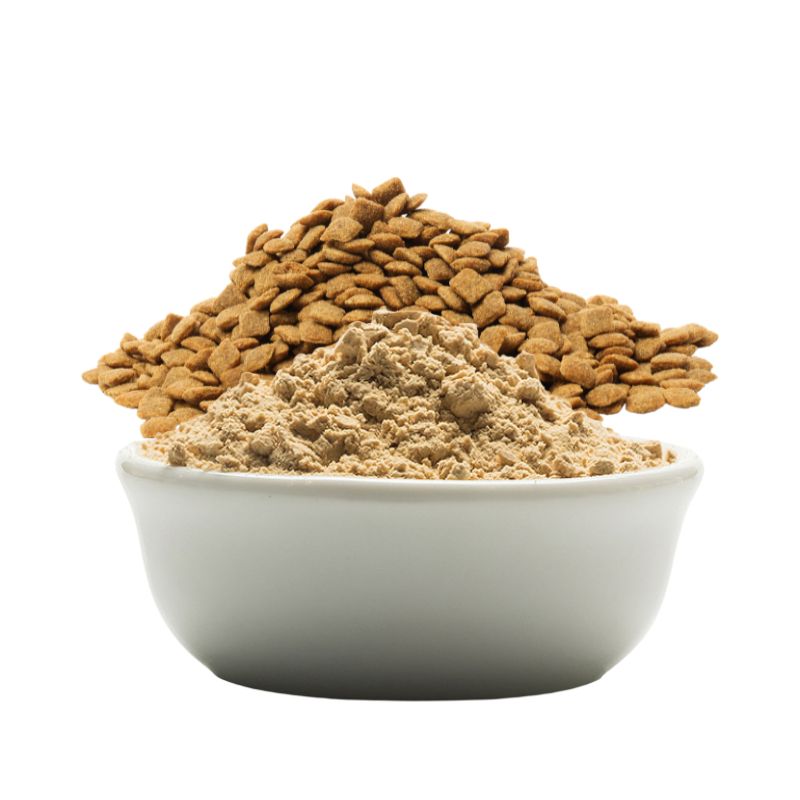
- Powder palatants
They are widely used in dry kibble, wet food, treats, supplements, and other pet food products.
Unlike a simple artificial flavor, a professional cat food palatability enhancer can contain animal-derived proteins, hydrolyzed proteins, yeast products, fats, peptides, amino acids, and reaction flavors.
The objective is straightforward: make nutritionally balanced food more appealing to cats.
Why Is Palatability So Important for Cat Food?
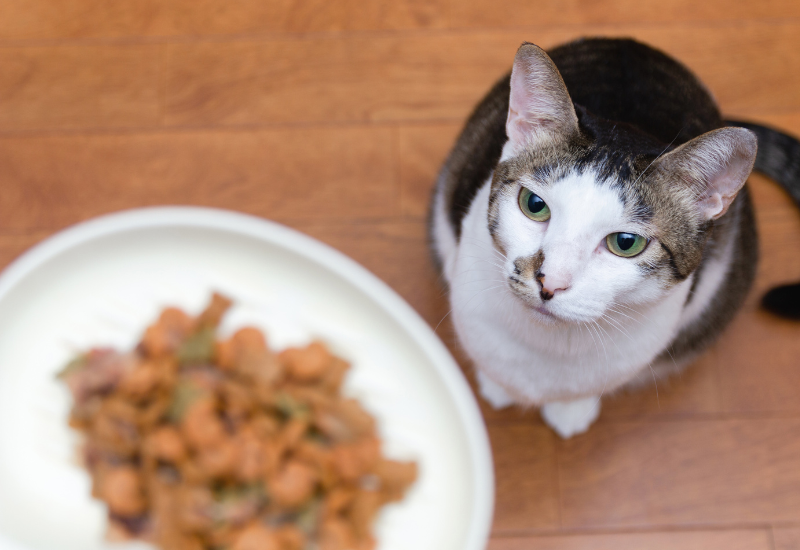
Cats rely heavily on smell when deciding whether to investigate and eat food.
The eating process can be viewed in several stages:
Food aroma → Initial attraction → First bite → Continued consumption
A weakness at any stage can affect overall food acceptance.
For example, a nutritionally excellent kibble might have relatively weak aroma after extrusion and drying. Adding the appropriate flavor enhancer for cat food during the coating process can create a more attractive sensory profile.
For commercial cat food brands, improved palatability can contribute to:
- Better initial food acceptance
- Stronger aroma
- Improved consumption
- More consistent feeding experience
- Better differentiation between formulas
- Improved consumer satisfaction
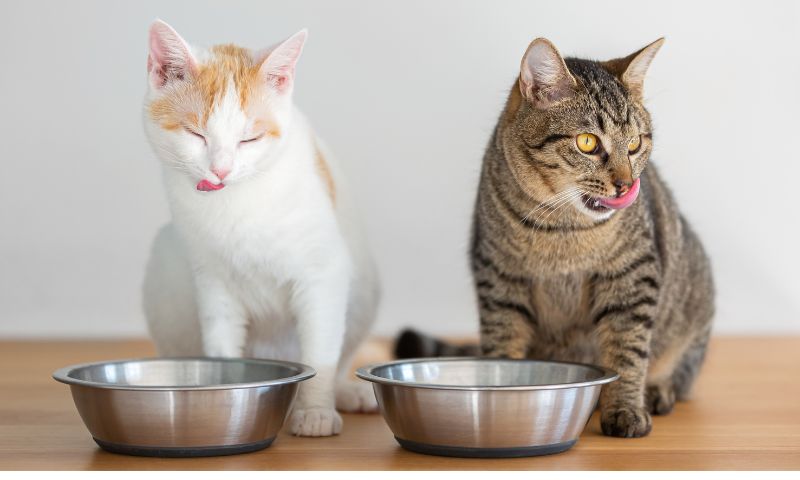
This makes palatability an important consideration during new product development and formula optimization.
How Does a Cat Food Flavor Enhancer Work?
A cat food flavor enhancer usually influences two major areas: aroma and taste.
1. Aroma Attracts the Cat
Before eating, cats first encounter the volatile compounds released from the food.
A suitable cat food attractant can increase the appealing aroma released from kibble, encouraging cats to approach and investigate the food.
This is especially important for dry cat food.
2. Taste Encourages Continued Eating
Getting a cat to approach the bowl is only the beginning.
Once eating starts, the taste characteristics of proteins, fats, peptides, amino acids and other palatable compounds become important.
A properly designed pet food palatant therefore needs to balance both olfactory attraction and oral acceptance.
Common Ingredients Used in Cat Food Flavor Enhancers
The formulation of a palatability enhancer depends on its target application and positioning.
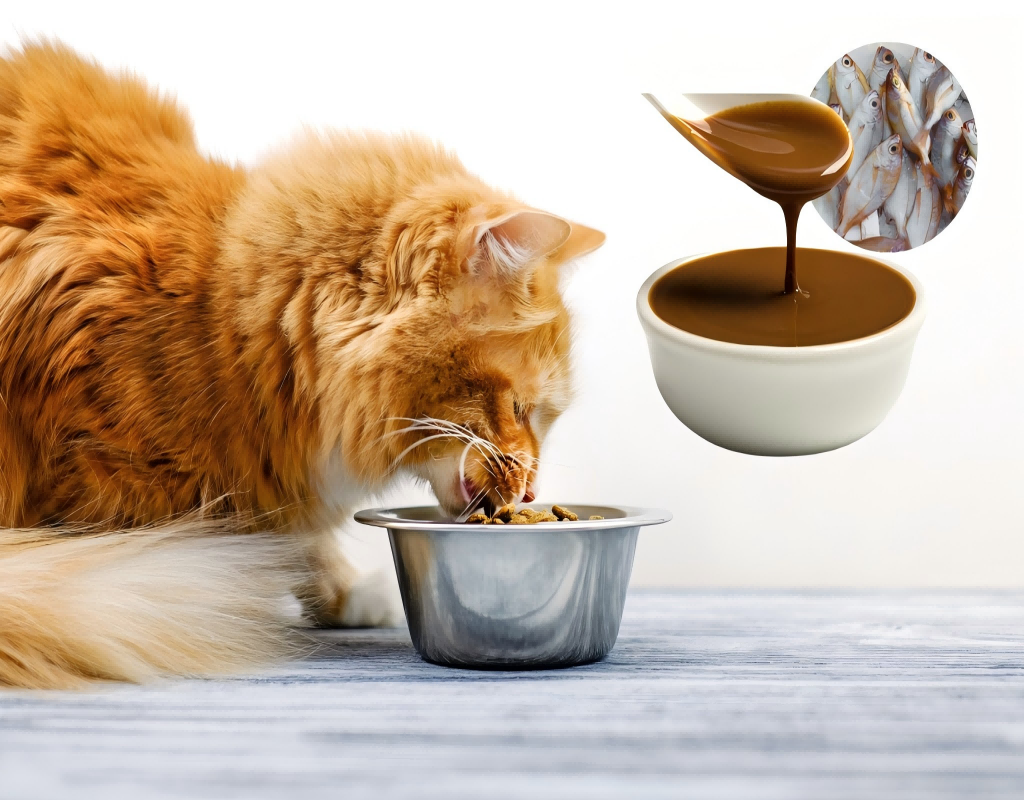
Common components may include:
Hydrolyzed Animal Proteins
Enzymatic hydrolysis breaks larger proteins into smaller peptides and amino acids.
For example, hydrolyzed chicken liver is frequently used in pet food palatability formulations because it provides a rich animal-protein flavor profile.
Chicken Liver
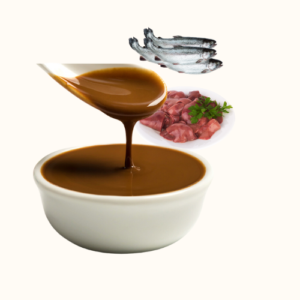
Chicken liver and chicken liver derivatives are commonly used as a flavor base in cat and dog food palatants.
After controlled processing, they can provide concentrated savory notes suitable for pet food applications.
Fish-Derived Ingredients
Fish-based flavors are particularly relevant to many cat food formulations.
Marine or fish flavor profiles can also be combined with poultry ingredients to create more complex palatability systems.
Yeast and Yeast Derivatives
Yeast products can contribute savory characteristics and complement animal protein ingredients.
Maillard Reaction Products
Controlled Maillard reactions between amino compounds and reducing sugars can generate complex aroma compounds.
This technology is commonly used to develop specific roasted, meaty, or savory flavor characteristics.
Liquid vs. Powder Flavor Enhancer for Cat Food
One of the most common questions from cat food manufacturers is:
Should we use a liquid or powder palatant?
There is no universal answer.
| Type | Main Advantages | Typical Application |
|---|---|---|
| Liquid Palatant | Good surface distribution and aroma delivery | Sprayed onto kibble |
| Powder Palatant | Concentrated flavor and convenient coating | Applied to kibble surface |
| Liquid + Powder | More comprehensive palatability system | Premium dry cat food |
For dry cat food in particular, a combination of liquid and powder palatants can be considered when a stronger palatability performance is required.
How Are Flavor Enhancers Applied to Dry Cat Food?
Palatants are commonly applied after extrusion and drying rather than being exposed entirely to the high temperatures of the extrusion process.
A typical dry cat food coating process may follow this sequence:
Dry kibble → Fat/oil coating → Liquid palatant → Powder palatant → Finished product
The exact sequence and dosage depend on equipment, kibble characteristics, fat level, formula, and the palatant system being used.
For example, manufacturers should evaluate:
- Palatant dosage
- Surface oil content
- Coating uniformity
- Kibble porosity
- Drying conditions
- Palatant compatibility
- Storage stability
Simply increasing the amount of flavor enhancer does not necessarily produce proportional improvements in palatability. Optimization through trials is essential.
How Much Cat Food Palatant Should Be Used?
Dosage depends heavily on the palatant formula and application.
As a general starting point for some dry pet food applications, powder palatants may be tested around 1–2%, while liquid systems can require different inclusion levels depending on concentration and product design.
However, manufacturers should not rely on a universal dosage.
The appropriate level should be determined through formulation trials and feeding/palatability tests.
The goal is to achieve the required performance at an economically reasonable dosage.
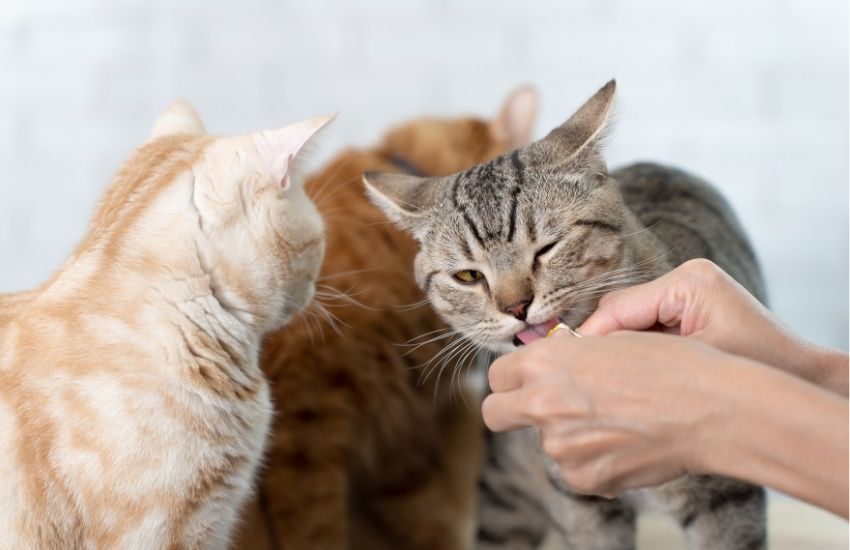
How to Measure Cat Food Palatability
A manufacturer should not evaluate a new flavor enhancer for cat food based on human perception alone.
Something that smells attractive to people is not necessarily preferred by cats.
Controlled feeding tests are therefore important.
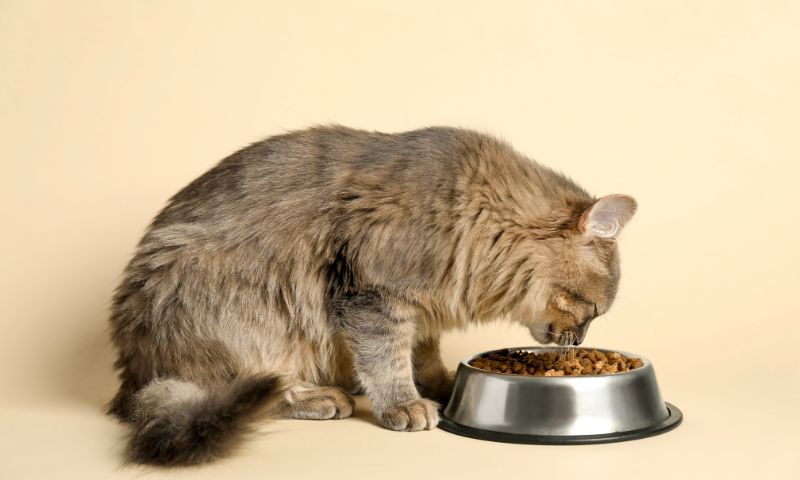
Two-Bowl Preference Test
Two different formulations are offered simultaneously.
Manufacturers can compare parameters such as:
- First approach
- First choice
- Food consumed
- Intake ratio
- Preference between Formula A and Formula B
This method is particularly useful when comparing a new palatant against an existing formula or competitor product.
One-Bowl Acceptance Test
A single diet is offered and consumption is measured.
This approach helps determine whether the food reaches an acceptable level of consumption without directly competing against another formula.
Combining palatability testing with product stability and manufacturing trials provides a much more reliable basis for selecting a palatant.
How to Choose the Right Flavor Enhancer for Cat Food
Price per kilogram should not be the only purchasing criterion.
Pet food manufacturers should consider several factors.
Target Animal
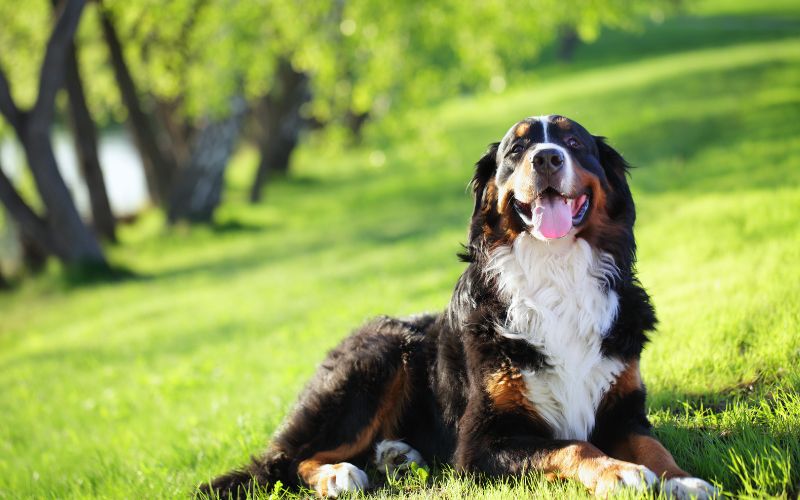
Cat and dog palatability requirements are different. A product developed specifically for cat food is usually preferable to a generic flavoring solution.
Product Format
A palatant developed for dry kibble may not perform identically in:
- Wet cat food
- Cat treats
- Freeze-dried products
- Supplements
- Extruded kibble
The application needs to match the palatant.
Flavor Profile
Depending on the product concept, manufacturers may choose:
- Chicken
- Chicken liver
- Fish
- Poultry-fish combinations
- Other savory profiles
Cost-in-Use
A cheaper palatant may require a higher dosage to reach the desired performance.
Therefore, manufacturers should compare cost-in-use and palatability performance, rather than simply comparing price per kilogram.
Manufacturing Compatibility
The palatant must also work reliably with the manufacturer’s existing coating, spraying, mixing and packaging processes.
Flavor Enhancer vs. Artificial Flavor: Are They the Same?
Not necessarily.
The term flavor enhancer for cat food can describe a much broader palatability system.
Professional pet food palatants may be produced using animal proteins, enzymatic hydrolysis, fermentation-derived ingredients, yeast products, reaction flavors and other specialized technologies.
Their job is not simply to create a particular smell.
They are developed to influence the animal’s actual response to the finished food.
This is why B2B pet food manufacturers typically evaluate palatants using feeding trials rather than human sensory evaluation alone.
Can a Flavor Enhancer Fix Poor Cat Food?
A palatant can substantially improve sensory appeal, but it cannot solve every formulation problem.
Poor raw-material quality, excessive oxidation, inappropriate fat selection, inconsistent extrusion, incorrect drying, or poor storage conditions can all reduce food acceptance.
The best approach is to treat palatability as part of the complete manufacturing system:
Raw materials + formulation + processing + fat coating + palatant + storage = finished product palatability
This is particularly important when manufacturers are trying to improve an existing formula.
Sometimes changing the palatant produces the greatest improvement. In other situations, the coating process or base formula may also need adjustment.
Profypet Cat Food Palatability Solutions
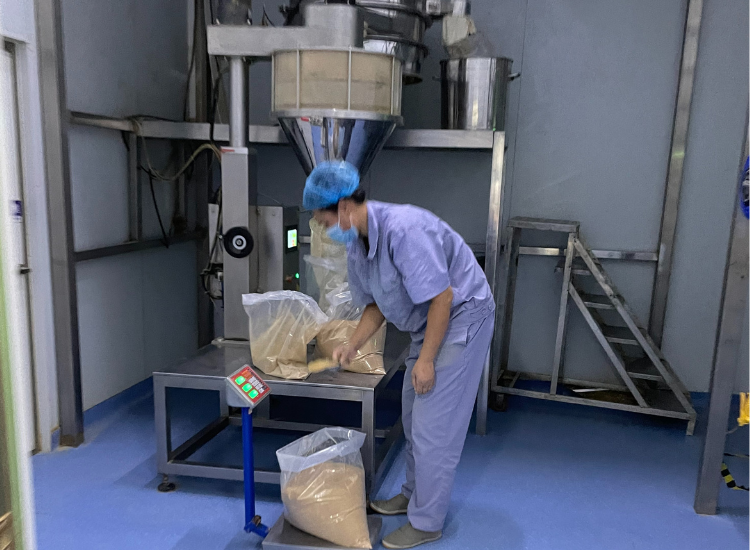
At Profypet, we develop palatability solutions for pet food manufacturers looking to improve the aroma, taste, and acceptance of their products.
Our cat food palatant portfolio includes liquid and powder solutions, with different flavor profiles available for different formulation and cost requirements.
For dry cat food, manufacturers can also evaluate combined liquid + powder coating systems to achieve the required balance between palatability performance and production cost.
Rather than selecting a product based only on flavor description, we recommend evaluating the complete formulation, processing conditions, target market, and desired performance level.
FAQ About Flavor Enhancers for Cat Food
What is the best flavor enhancer for cat food?
There is no single best solution for every cat food formula. The appropriate palatant depends on the base ingredients, processing method, product positioning, target cost, and required palatability performance.
Can chicken liver be used as a cat food flavor enhancer?
Yes. Chicken liver and hydrolyzed chicken liver derivatives are commonly used as components in pet food palatability solutions because of their characteristic animal-protein flavor profile.
Are liquid or powder palatants better for cats?
Both can be effective. Liquid palatants provide convenient surface coating and aroma delivery, while powder palatants can provide concentrated flavor characteristics. Some dry cat food formulations use both.
When should palatants be added to dry cat food?
They are commonly applied during the post-extrusion coating stage. The exact process should be optimized according to the kibble, oil level, coating equipment, and palatant used.
How can manufacturers test a new cat food palatant?
A/B palatability trials, such as two-bowl preference testing, can compare the new formulation with the current product or a benchmark diet.
Final Thoughts
Choosing the right flavor enhancer for cat food is about more than creating a stronger smell.
An effective palatability strategy considers aroma, taste, protein-derived flavor compounds, coating technology, dosage, base formulation, and actual feeding-test results.
For manufacturers developing or optimizing dry cat food, liquid palatants, powder palatants, or a combination of both can provide flexible solutions for different performance and cost targets.
Ultimately, the best cat food flavor enhancer is the one that delivers measurable palatability improvement in your actual formulation while remaining compatible with your manufacturing process and product positioning.
Looking for a flavor enhancer for your cat food formulation?
Profypet provides liquid and powder cat food palatants for pet food manufacturers, including customized palatability solutions for different formulas and target markets. Contact us to discuss your formulation or request samples.