How to Improve Dog Food Appetite: A Guide for Pet Food Manufacturers
A nutritionally complete formula does not automatically guarantee strong consumer acceptance. If dogs hesitate, eat only part of their meals, or refuse a product after several feedings, the problem may be related to aroma, taste, texture, ingredient quality, processing conditions, or palatability consistency.
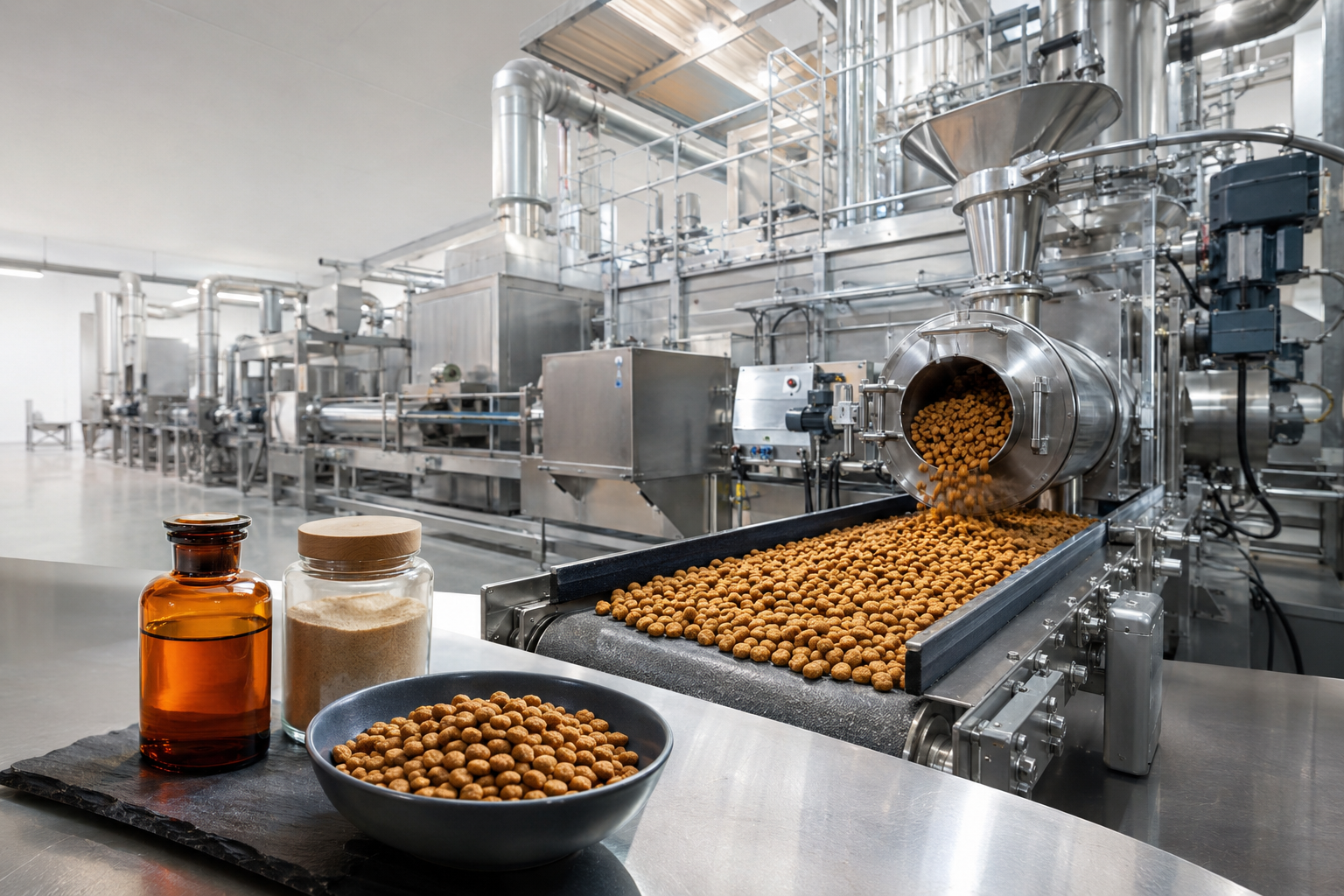
For pet food manufacturers, improving dog food appetite is therefore not simply about making food smell stronger. It requires a systematic approach that combines nutritional formulation, ingredient selection, production control, palatant application, and feeding trials.
This guide explains the primary factors affecting dogs’ willingness to eat and how manufacturers can develop more appealing dry, wet, and semi-moist dog food products.
What Does Dog Food Appetite Mean?
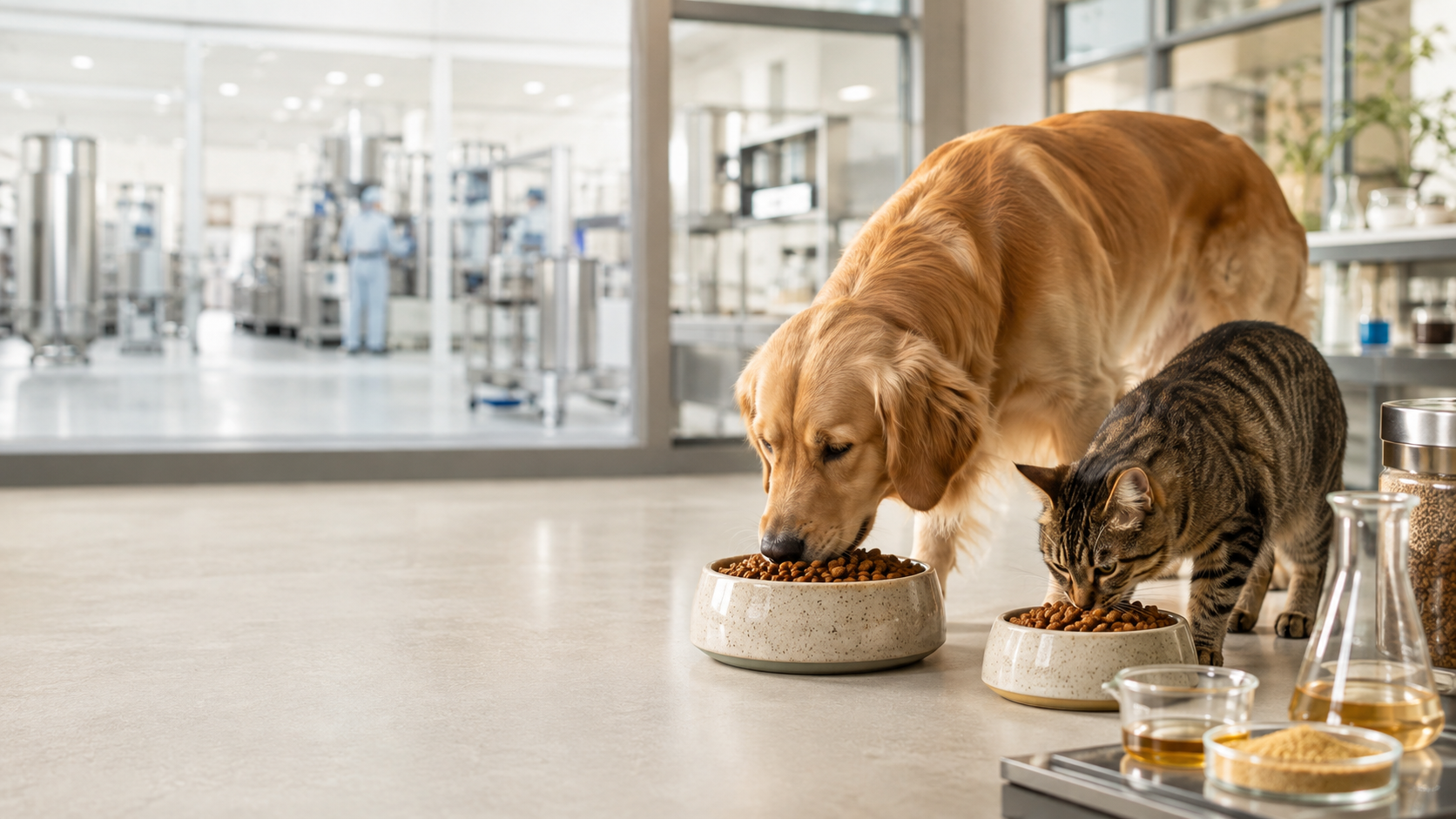
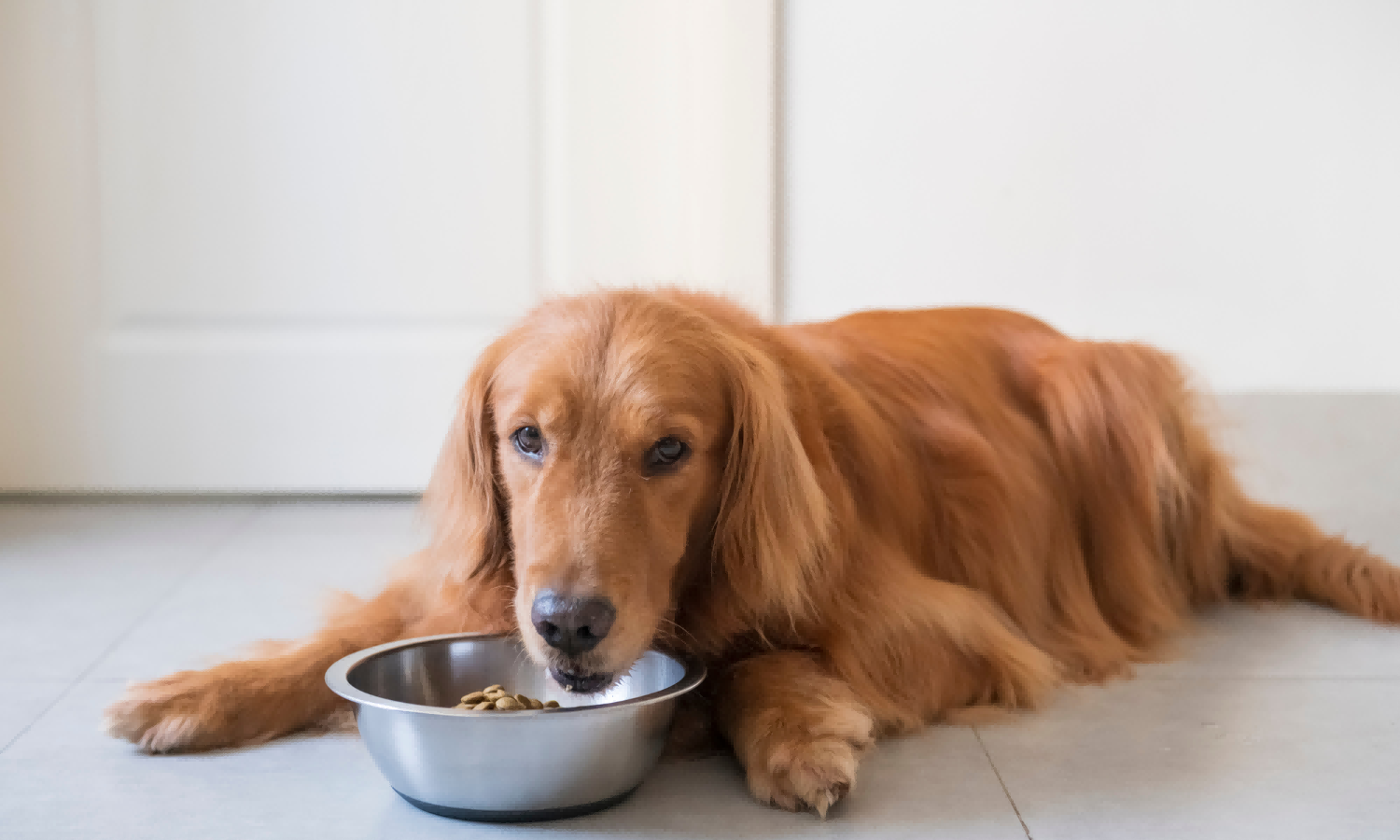
Dog food appetite refers to a dog’s willingness and motivation to consume a particular food. In product development, it is commonly evaluated through several behaviors:
- How quickly the dog approaches the food
- Whether the dog smells the food before eating
- The amount consumed during the first few minutes
- Total food intake
- Preference between two formulas
- Whether consumption remains stable over repeated feedings
Appetite and palatability are closely related, but they are not identical.
Appetite can be affected by the dog’s health, age, activity level, environment, feeding schedule, and previous diet. Palatability describes how attractive and enjoyable the food is based on characteristics such as aroma, taste, texture, and mouthfeel.
A highly palatable formula can encourage food intake, but pet food products should never be positioned as treatments for clinical appetite loss. Persistent refusal to eat may indicate a health problem that requires veterinary attention.
Why Dog Food Appetite Matters to Pet Food Brands
Strong food acceptance affects more than the first feeding. It can influence customer satisfaction, repeat purchases, product reviews, and long-term brand loyalty.
Better first-time acceptance
When consumers introduce a new product, their first concern is often whether their dog will eat it. A product with an attractive initial aroma and flavor can make the transition easier.
More consistent daily consumption
Some dog foods perform well during an initial preference test but lose their appeal after repeated feeding. Manufacturers must evaluate both immediate attraction and long-term consumption.
Fewer complaints and product returns
Poor food acceptance may lead consumers to believe that a product is stale, inconsistent, or unsuitable for their dogs. Stable palatability helps reduce complaints related to food refusal.
Greater flexibility in formulation
Functional ingredients, alternative proteins, plant-based materials, minerals, and certain supplements may create undesirable tastes or odors. A suitable dog food palatant can help balance these characteristics without changing the product’s nutritional purpose.
What Factors Affect Dog Food Appetite?
Dogs evaluate food through a combination of smell, taste, texture, temperature, and previous feeding experience. Understanding these factors helps manufacturers identify the real cause of poor product acceptance.
1. Aroma
Aroma is often the first signal a dog receives before eating. Volatile compounds released from fats, meat ingredients, hydrolyzed proteins, and palatants can encourage the dog to approach the bowl.
Weak aroma may reduce initial interest, while an excessively strong or unbalanced odor may also discourage consumption. The objective is not simply maximum odor intensity but an aroma profile that matches the target formula and consumer expectations.
2. Taste
After the dog begins eating, taste becomes increasingly important. Meat-derived amino acids, peptides, fats, yeast products, and reaction flavors can contribute savory and umami characteristics.
Bitterness from minerals, botanical ingredients, medications, or some functional additives may negatively affect dog food appetite. Masking or balancing these undesirable notes should be considered during formulation.
3. Fat quality
Fat can improve both aroma release and mouthfeel. However, oxidized or low-quality fat may create rancid notes that reduce food acceptance.
Manufacturers should monitor:
- Fat source and freshness
- Antioxidant protection
- Storage temperature
- Exposure to oxygen and light
- Coating consistency
- Finished-product shelf life
A palatant cannot fully compensate for severely oxidized raw materials.
4. Texture and kibble properties
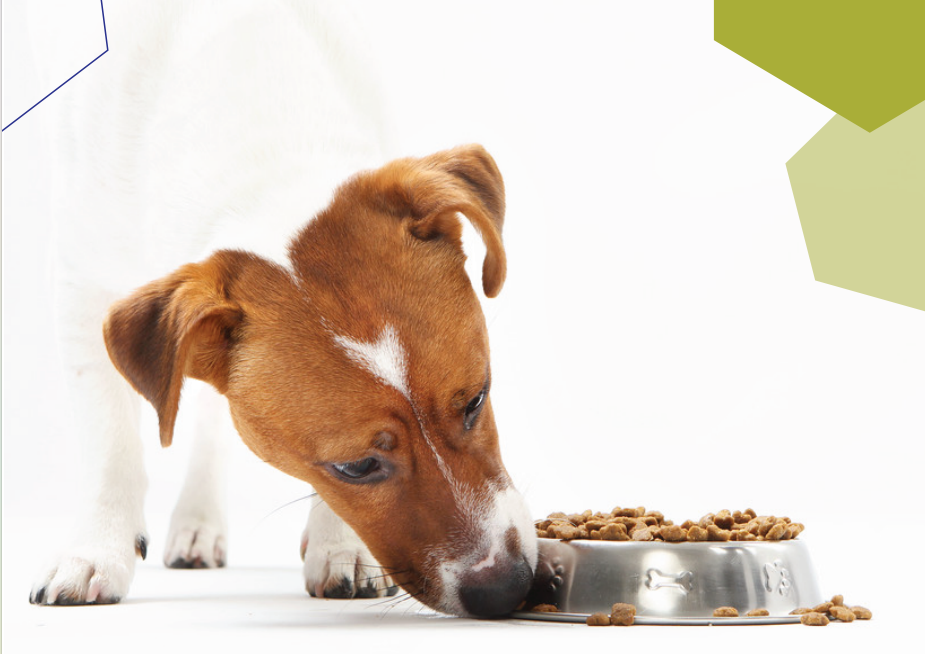
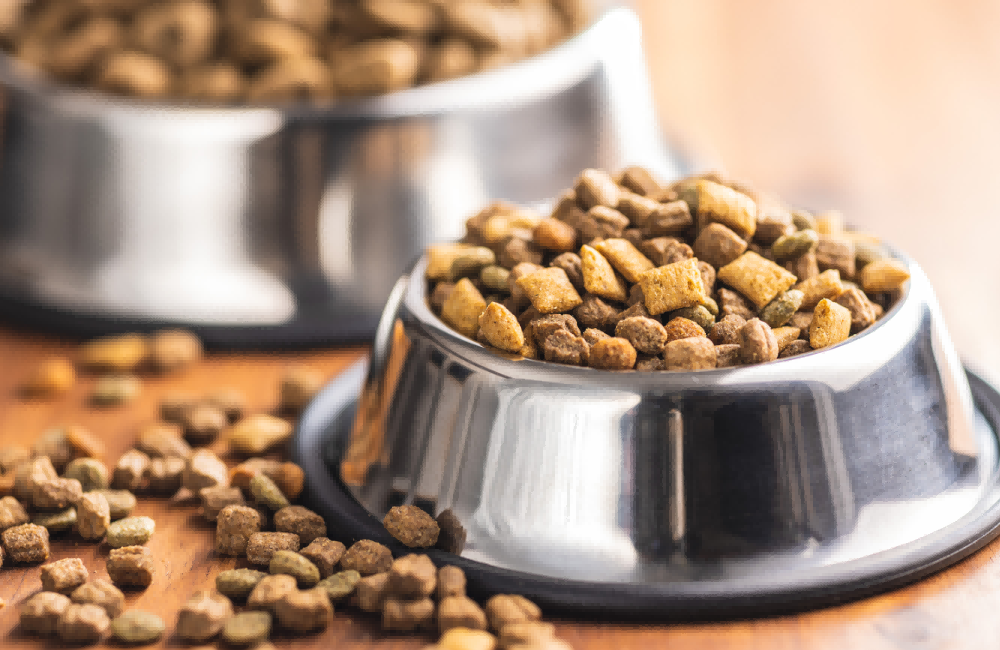
Kibble hardness, density, size, shape, surface roughness, and moisture can all affect eating behavior.
Small dogs may struggle with oversized or extremely hard kibble, while large dogs may prefer a structure that is easier to pick up and chew. Older dogs may also respond better to softer textures or smaller pieces.
For dry dog food, the kibble surface influences how well fat and palatants adhere. Uneven coating can lead to inconsistent aroma and flavor between batches.
5. Raw material variation
Changes in meat meal, grain, fat, hydrolysate, or plant protein can alter the finished product’s sensory profile. Even when the nutritional specification remains unchanged, raw material variation may affect palatability.
This is why supplier qualification and incoming raw material testing are essential parts of dog food appetite management.
6. Processing conditions
Extrusion temperature, drying time, moisture level, pressure, and cooling conditions can change flavor development and aroma retention.
Excessive processing may produce burnt or bitter notes. Improper drying can also affect texture, shelf stability, and coating performance.
Manufacturers should evaluate palatability whenever they modify extrusion settings, ingredient suppliers, kibble size, or production equipment.
7. Feeding history and environment
Dogs accustomed to high-meat or strongly flavored food may be less interested in a milder formula. Stress, temperature, feeding schedule, portion size, and environmental distractions may also influence appetite test results.
Controlled testing conditions are therefore necessary when comparing products.
How Can Manufacturers Improve Dog Food Appetite?
Improving dog food appetite begins with identifying whether the problem occurs during initial attraction, consumption, or repeated feeding.
Optimize the base formula
Before increasing the palatant dosage, evaluate the nutritional base and raw material quality. Check for:
- Bitter or metallic ingredients
- Oxidized fats
- Excessive ash content
- Inconsistent meat meal quality
- Unpleasant plant protein notes
- Overprocessed ingredients
- Poor moisture control
Correcting the base formula often produces better results than simply adding more flavor.
Select an appropriate protein profile
Chicken, beef, liver, fish, and mixed-meat profiles can produce different responses depending on the market and target dog population.
Hydrolyzed chicken liver ingredients are widely used because enzymatic hydrolysis releases small peptides and amino acids that can contribute savory flavor and support aroma development.
However, the best flavor profile should be selected through testing rather than assumption.
Use a suitable dog food palatant
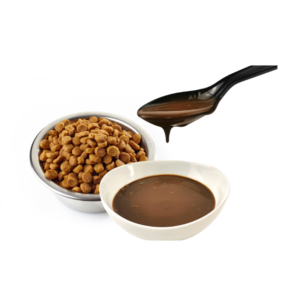
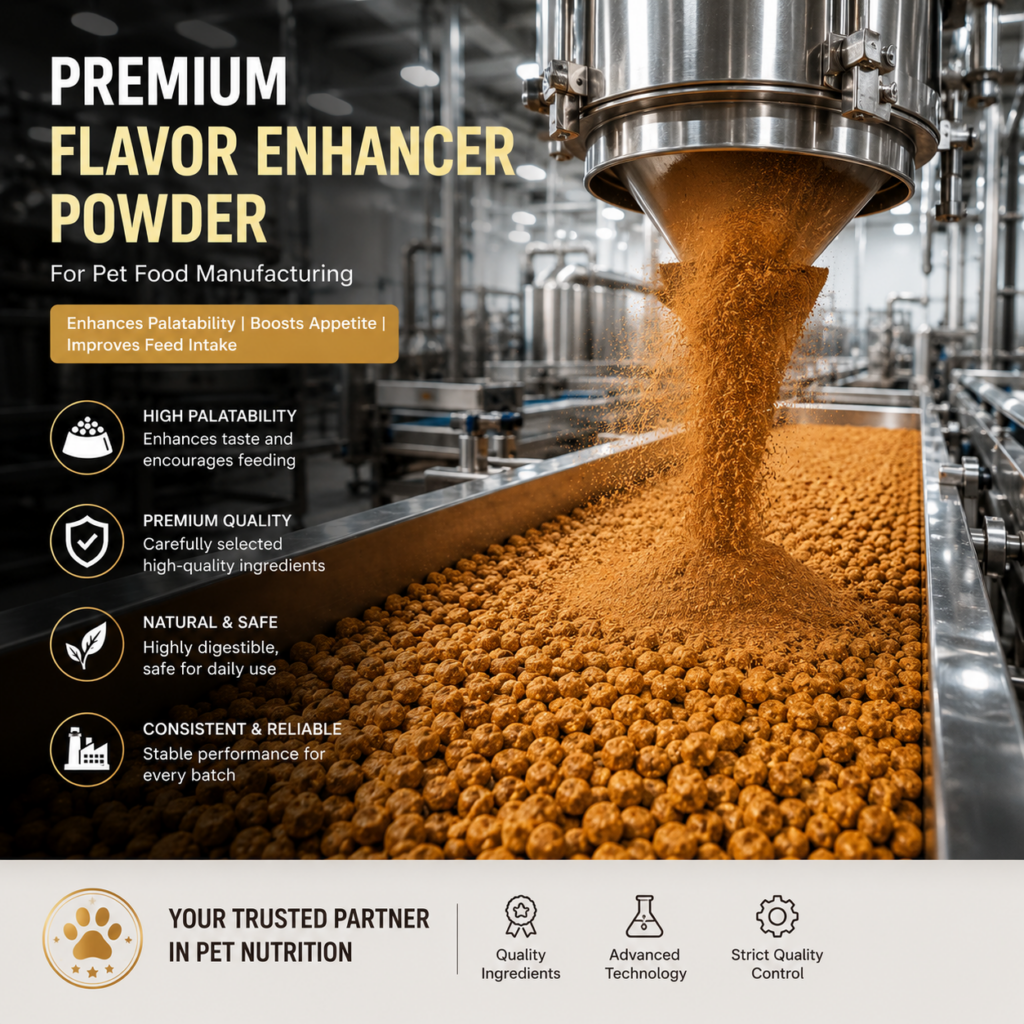
Dog food palatants are designed to improve aroma, taste, and overall product acceptance. They are commonly available in three forms:
Powder palatants
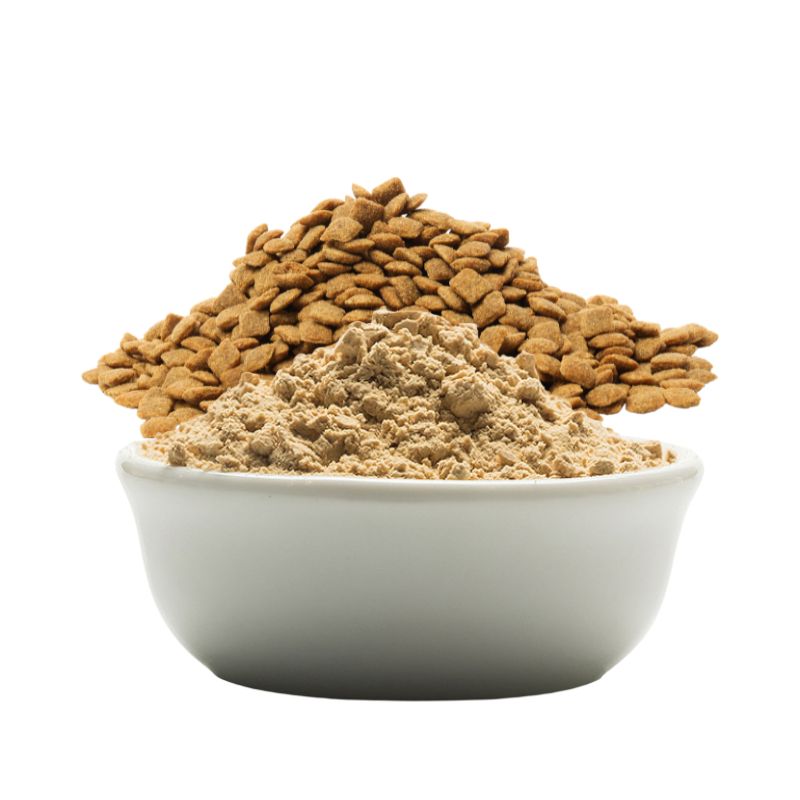
Powder palatants can provide strong surface flavor and are easy to apply to dry kibble. A typical starting dosage may be approximately 1%–2%, depending on the formula and palatant concentration.
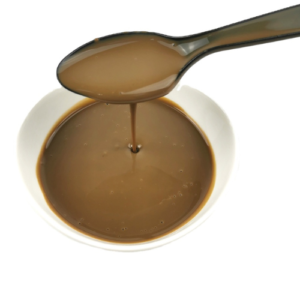
Liquid palatants
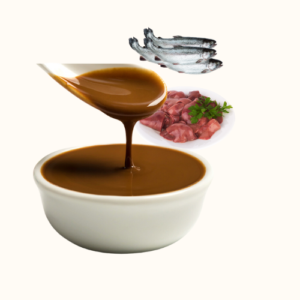
Liquid palatants provide good surface coverage and aroma distribution. They can be sprayed onto kibble after extrusion and drying.
Paste palatants
Paste-type products may deliver a fuller meat and liver flavor profile. Depending on the formulation, liquid or paste palatants may be evaluated at approximately 4%–6%.
These ranges are general starting points. The final dosage should be determined through laboratory evaluation, production trials, cost analysis, and animal feeding tests.
Combine liquid and powder palatants
A layered coating system can provide both immediate aroma and sustained taste.
For dry dog food, a typical application sequence is:
- Apply fat to the cooled kibble.
- Spray the liquid or paste palatant evenly.
- Apply the powder palatant as the final surface layer.
The most suitable sequence may vary according to the coating equipment, kibble porosity, fat level, and target performance.
Control coating uniformity
Even a high-performing palatant may produce inconsistent results if it is unevenly applied.
Manufacturers should monitor:
- Spray nozzle condition
- Liquid temperature and viscosity
- Powder distribution
- Drum rotation speed
- Kibble residence time
- Surface oil level
- Coating loss during packaging
Samples should be collected from different points in the production batch to verify uniformity.
Protect aroma during storage
A product that performs well immediately after production may lose attractiveness during transportation or storage.
Manufacturers should consider oxygen-barrier packaging, proper sealing, antioxidant systems, warehouse temperature, and headspace control. Accelerated and real-time shelf-life testing can help determine whether aroma and palatability remain stable.
How to Test Dog Food Palatability
Palatability testing allows manufacturers to compare formulas and make evidence-based decisions.
Two-bowl preference test
In a two-bowl test, dogs receive two different foods at the same time. Manufacturers measure first choice and intake ratio to determine which product is preferred.
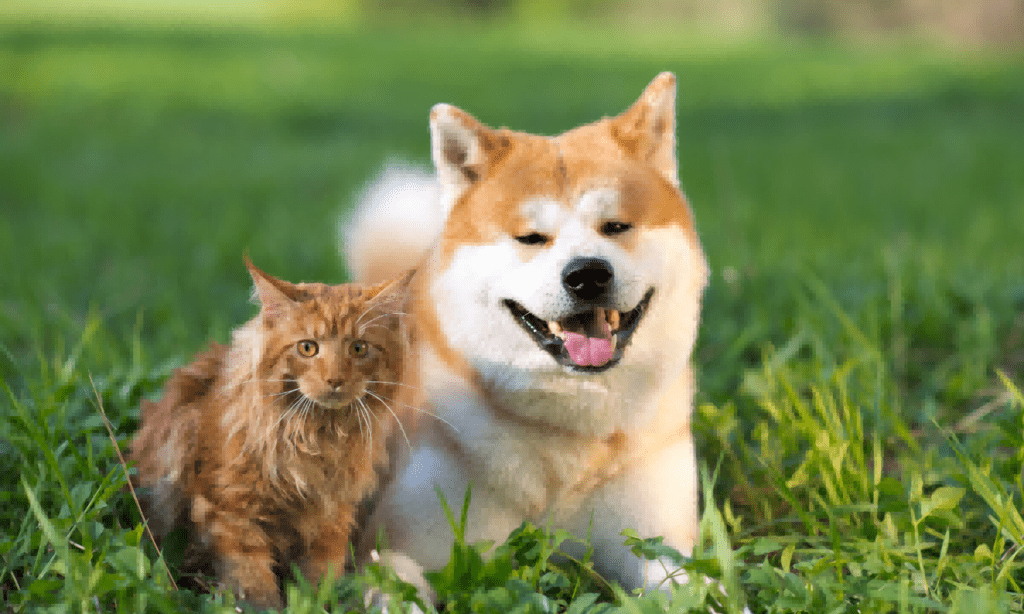
The bowl position should be alternated to reduce side bias.
One-bowl acceptance test
A one-bowl test measures how much of a single food is consumed within a defined period. It can help determine whether the product reaches an acceptable consumption level without direct comparison to another formula.
First-choice measurement
First choice indicates which bowl the dog approaches or eats from first. It is useful for evaluating initial aroma attraction but should not be used as the only performance indicator.
Intake ratio
The intake ratio compares the quantity of each formula consumed. It provides a stronger indication of overall preference than first choice alone.
Repeated-feeding evaluation
Repeated testing helps determine whether the dog continues to eat the product over several days. This is particularly important because strong initial attraction does not always guarantee long-term acceptance.
Common Mistakes When Trying to Improve Dog Food Appetite
Adding too much palatant
More palatant does not always create better performance. Excessive dosage may produce an overpowering aroma, unbalanced taste, coating problems, or unnecessary formulation costs.
Ignoring the base formula
If the product contains oxidized fat or strong bitter notes, increasing the flavor dosage may only mask the problem temporarily.
Testing only fresh samples
Dog food should be evaluated throughout its intended shelf life. Aroma changes, fat oxidation, and packaging performance can affect appetite after several months.
Changing multiple variables at once
If the protein source, fat, kibble size, processing parameters, and palatant are all changed simultaneously, it becomes difficult to identify which adjustment caused the result.
Controlled trials should change one or two variables at a time.
Relying only on human sensory evaluation
Human evaluation can identify rancidity, burnt notes, and production inconsistencies, but human preferences cannot replace properly designed dog feeding trials.
Choosing a Dog Food Palatant Supplier
A reliable supplier should provide more than a standard flavor product. Manufacturers should evaluate whether the supplier can offer:
- Powder, liquid, or paste options
- Different meat and liver flavor profiles
- Technical dosage recommendations
- Application guidance
- Batch consistency
- Product specifications and quality documentation
- Sample support
- Palatability testing assistance
- Customized solutions for different formulas and price targets
The supplier should also understand how raw materials, extrusion conditions, fat coating, packaging, and shelf life interact with the selected palatant.
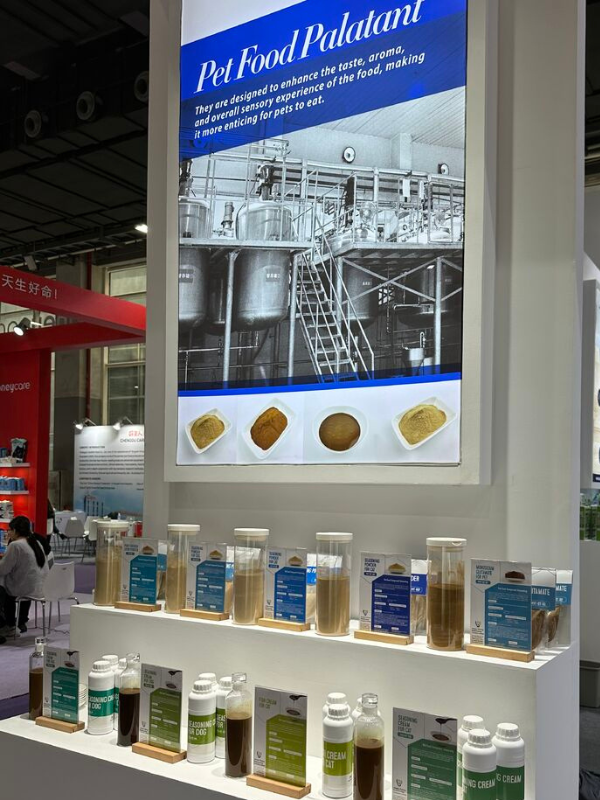
ProfyPet Dog Food Palatability Solutions
ProfyPet supplies palatability solutions for dry, wet, and semi-moist pet food applications. Our dog food palatants are available in powder and liquid formats, with different performance levels for commercial and premium formulations.
Available options include chicken liver-based palatants, beef flavor profiles, hydrolyzed animal protein ingredients, and customized combinations for specific product requirements.
Our technical team can help manufacturers evaluate:
- Current dog food appetite problems
- Target flavor profiles
- Palatant format and dosage
- Coating methods
- Formula cost requirements
- Comparative feeding trial plans
- Production and shelf-life performance
Rather than selecting a palatant based only on aroma strength, we recommend testing it in the actual dog food base. This helps identify the most cost-effective solution for the target formulation.
Frequently Asked Questions
What ingredient can improve dog food appetite?
Animal protein hydrolysates, liver ingredients, yeast products, fats, and specialized dog food palatants may improve aroma and taste. The most effective option depends on the base formula and processing conditions.
What is a dog food appetite enhancer?
In pet food manufacturing, the term usually refers to a palatability enhancer or palatant added to improve the food’s aroma, flavor, and acceptance. It should not be confused with veterinary appetite-stimulating medication.
How much palatant should be added to dry dog food?
As a general starting point, powder palatants may be tested at around 1%–2%, while some liquid or paste products may be evaluated at approximately 4%–6%. The optimal dosage depends on product concentration, formula quality, coating equipment, and target performance.
Can chicken liver hydrolysate improve dog food palatability?
Chicken liver hydrolysate contains peptides, amino acids, and flavor compounds that can contribute savory characteristics and support food acceptance. Its actual performance should be confirmed through controlled feeding trials.
Should palatants be added before or after extrusion?
Many palatants are applied after extrusion and drying to protect their aroma and improve surface impact. In dry kibble production, fat is commonly applied first, followed by liquid and then powder palatants.
Why does dog food appetite decline during storage?
Possible causes include fat oxidation, aroma loss, moisture changes, packaging failure, or interactions between ingredients. Shelf-life and palatability stability testing can help identify the cause.
Conclusion
Improving dog food appetite requires more than adding a strong flavor. Ingredient freshness, formula balance, fat quality, kibble texture, processing conditions, coating uniformity, packaging, and shelf-life stability all contribute to product acceptance.
A well-selected dog food palatant can strengthen initial attraction and encourage continued consumption, but it performs best when combined with a stable base formula and controlled production process.
Looking for a dog food palatant for your formulation?
Contact ProfyPet to request product recommendations and samples. Share your dog food type, protein source, current coating process, target market, and expected performance level, and our team will help you identify a suitable powder or liquid palatability solution.