Palatant for Kibble Coating: The Technology Behind Better Pet Food Acceptance
Walk through the pet food aisle today and you’ll see an endless battle for attention.
Every bag claims better protein, cleaner ingredients, functional nutrition, or premium meat recipes. But inside manufacturing facilities, pet food companies know something consumers rarely think about:
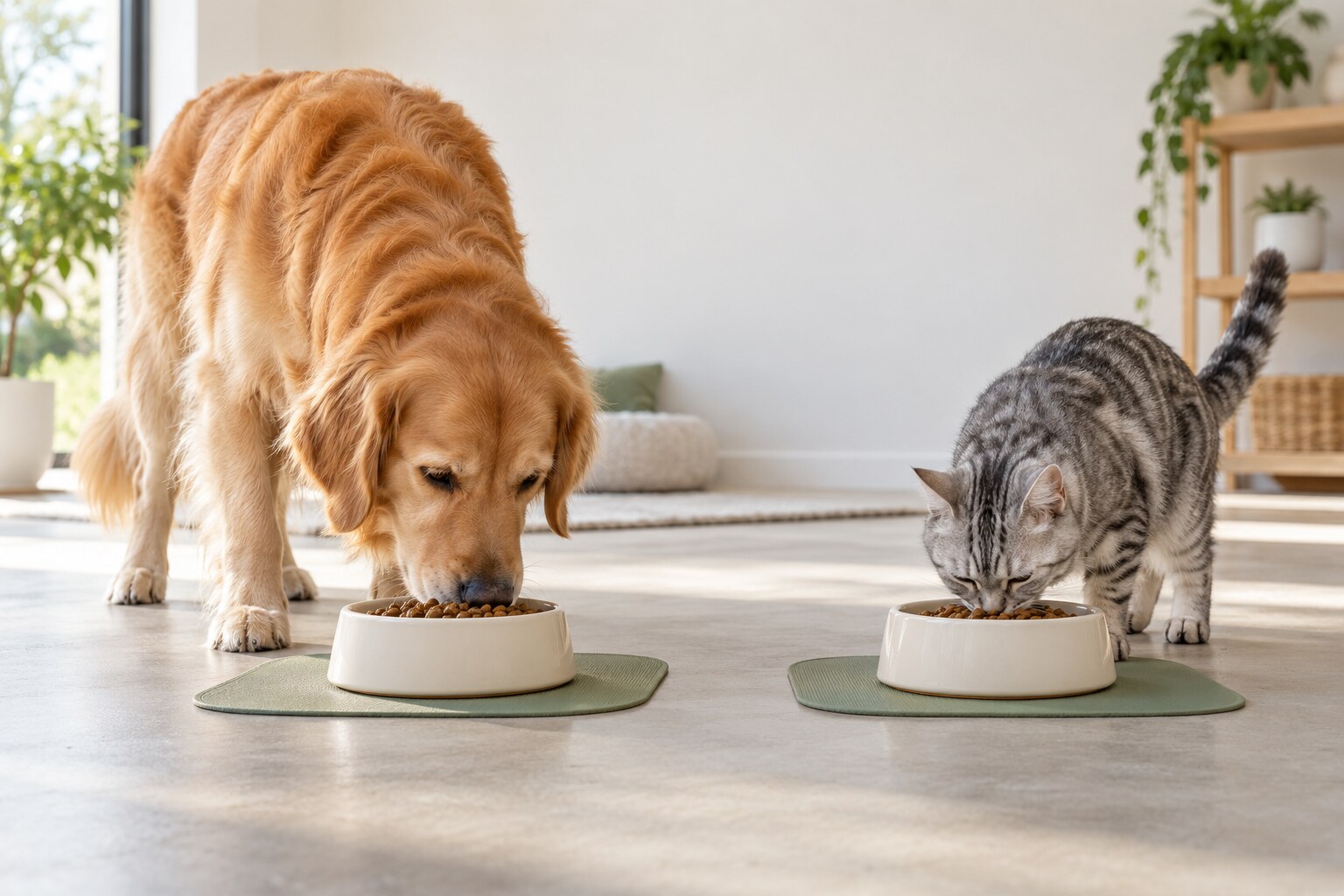
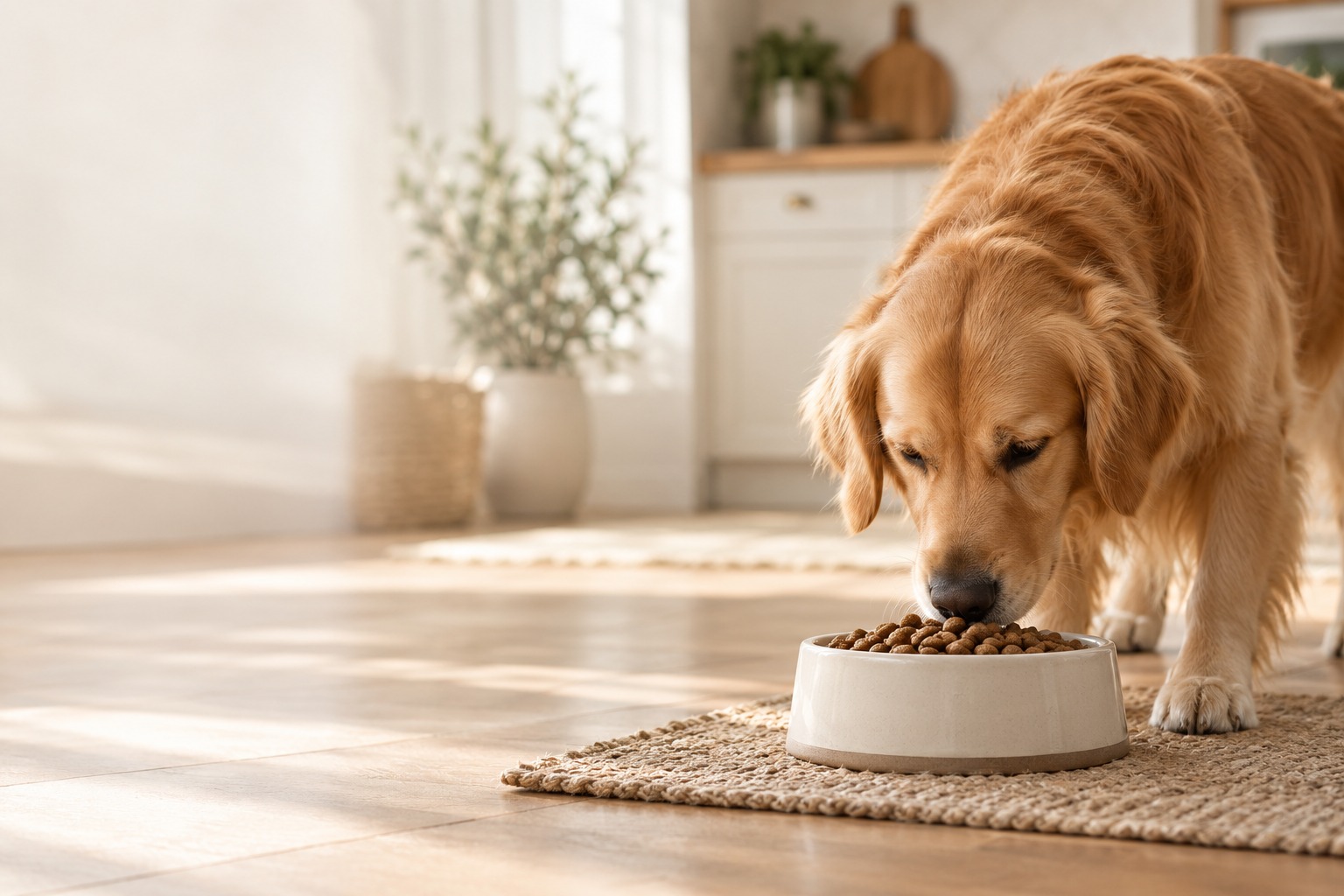
Even the healthiest kibble fails if pets refuse to eat it.
That is why palatant for kibble coating technology has become one of the most important competitive advantages in modern pet food manufacturing.
In today’s premium pet food market, manufacturers are investing heavily in advanced kibble coating systems designed to improve:
- Aroma intensity
- Flavor retention
- Surface adhesion
- Feed intake
- Palatability consistency
- Product differentiation
- Repeat purchase behavior
For pet food factories, kibble coating is no longer just a finishing step.
It has become a critical sensory engineering process.
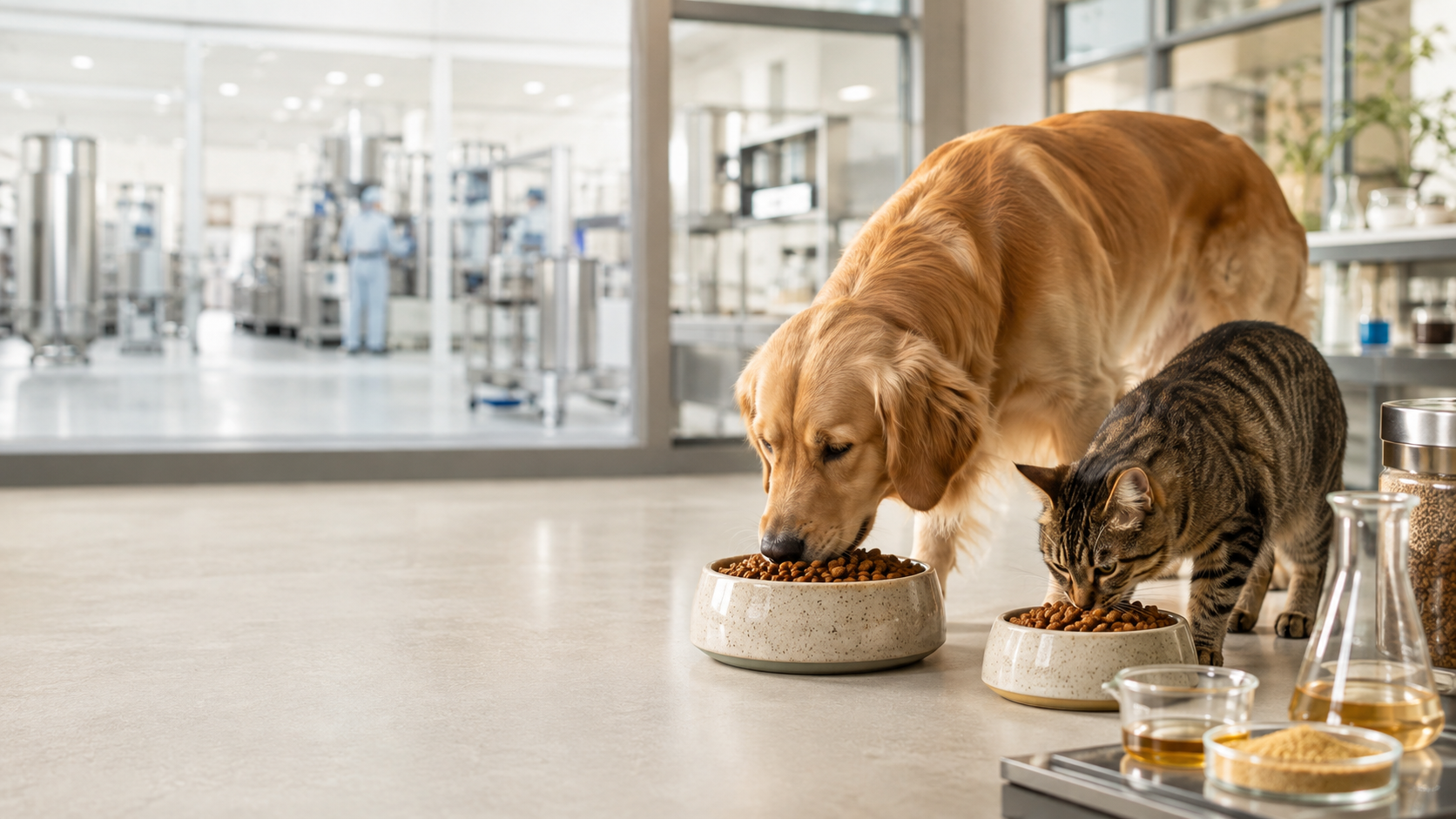
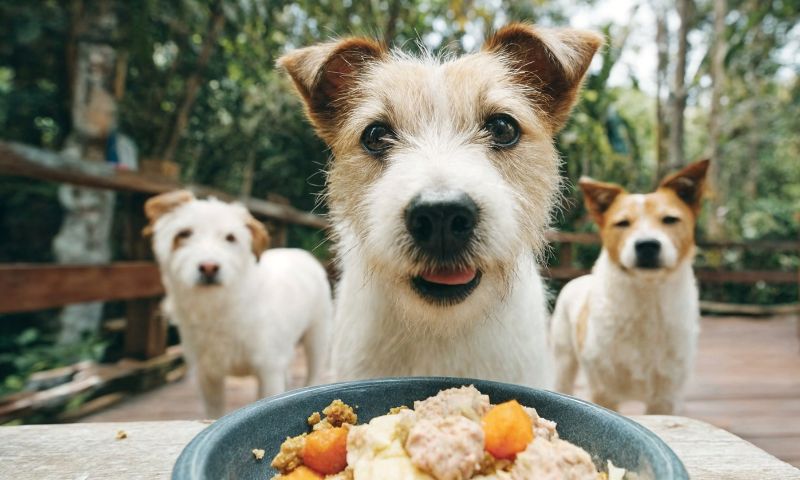
As competition grows globally, brands increasingly rely on pet food palatants and pet food palatability enhancers to improve feeding performance while supporting premium product positioning.
What Is a Palatant for Kibble Coating?
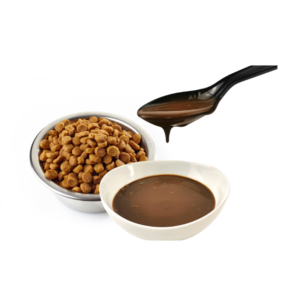
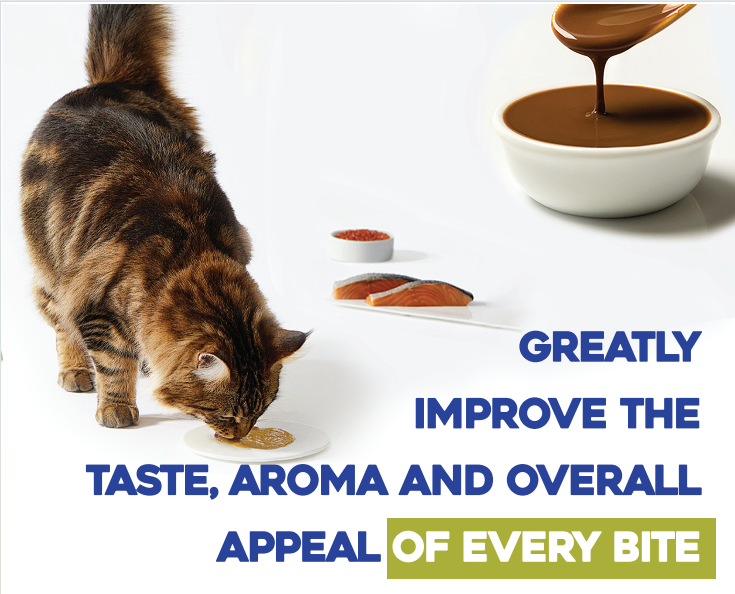
A palatant for kibble coating is a flavor-enhancing ingredient system applied to the surface of dry pet food after extrusion and drying.
These palatants are specifically designed to increase the sensory attractiveness of kibble by improving:
- Smell
- Taste
- Mouthfeel
- Aroma release
- Surface flavor impact
Unlike ingredients blended into kibble dough before cooking, coating palatants are applied after high-temperature extrusion processing.
This matters because extrusion temperatures can damage volatile aroma compounds and reduce natural meat flavor intensity.
Surface coating restores sensory appeal.
That is why coated kibble often delivers stronger aroma and better feeding response compared with uncoated formulas.
Common kibble coating palatants include:
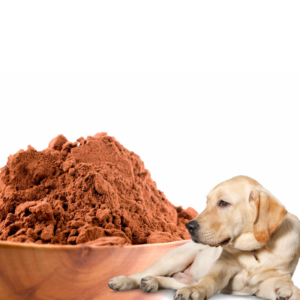
- Hydrolyzed chicken liver powder
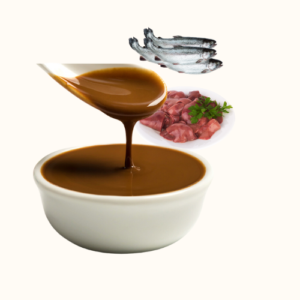
- Poultry digest
- Fish digest
- Animal protein hydrolysates
- Liquid palatants
- Enzymatically treated proteins
- Yeast extracts
- Fat-based flavor systems
- Amino acid enhancers
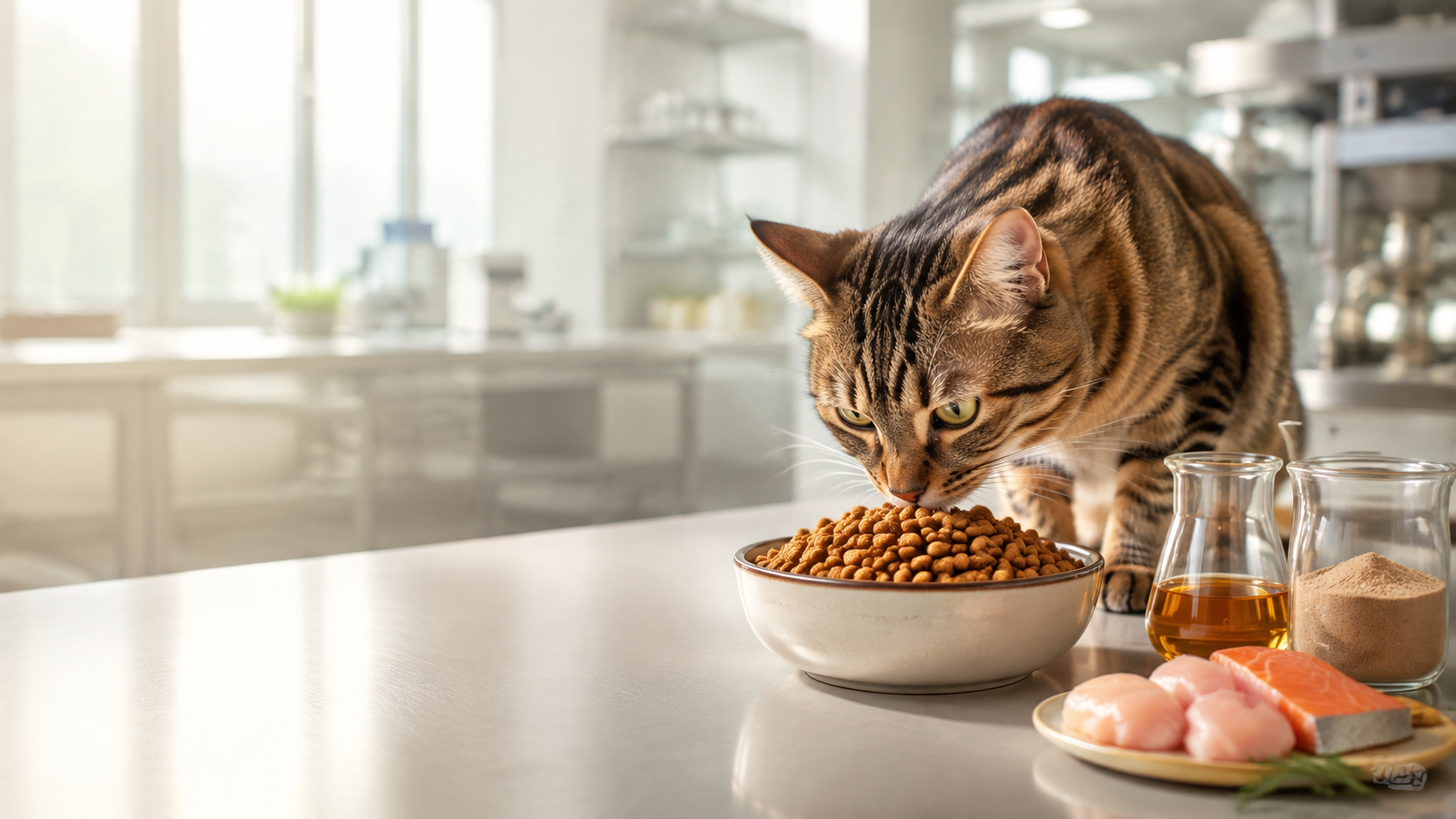
Most coating systems combine palatants with fats or oils to improve flavor adhesion and aroma release.
Why Kibble Coating Matters More Than Ever
The pet food industry has changed dramatically over the last decade.
Modern pet owners expect more than nutritional adequacy.
They expect pets to enjoy eating.
This shift is especially visible in premium dry kibble categories where consumers increasingly associate feeding excitement with product quality.
In practical manufacturing environments, many brands discover that nutritionally balanced formulas may still struggle with:
- Low feeding enthusiasm
- Picky eater rejection
- Poor repeat purchases
- Formula transition resistance
- Inconsistent aroma perception
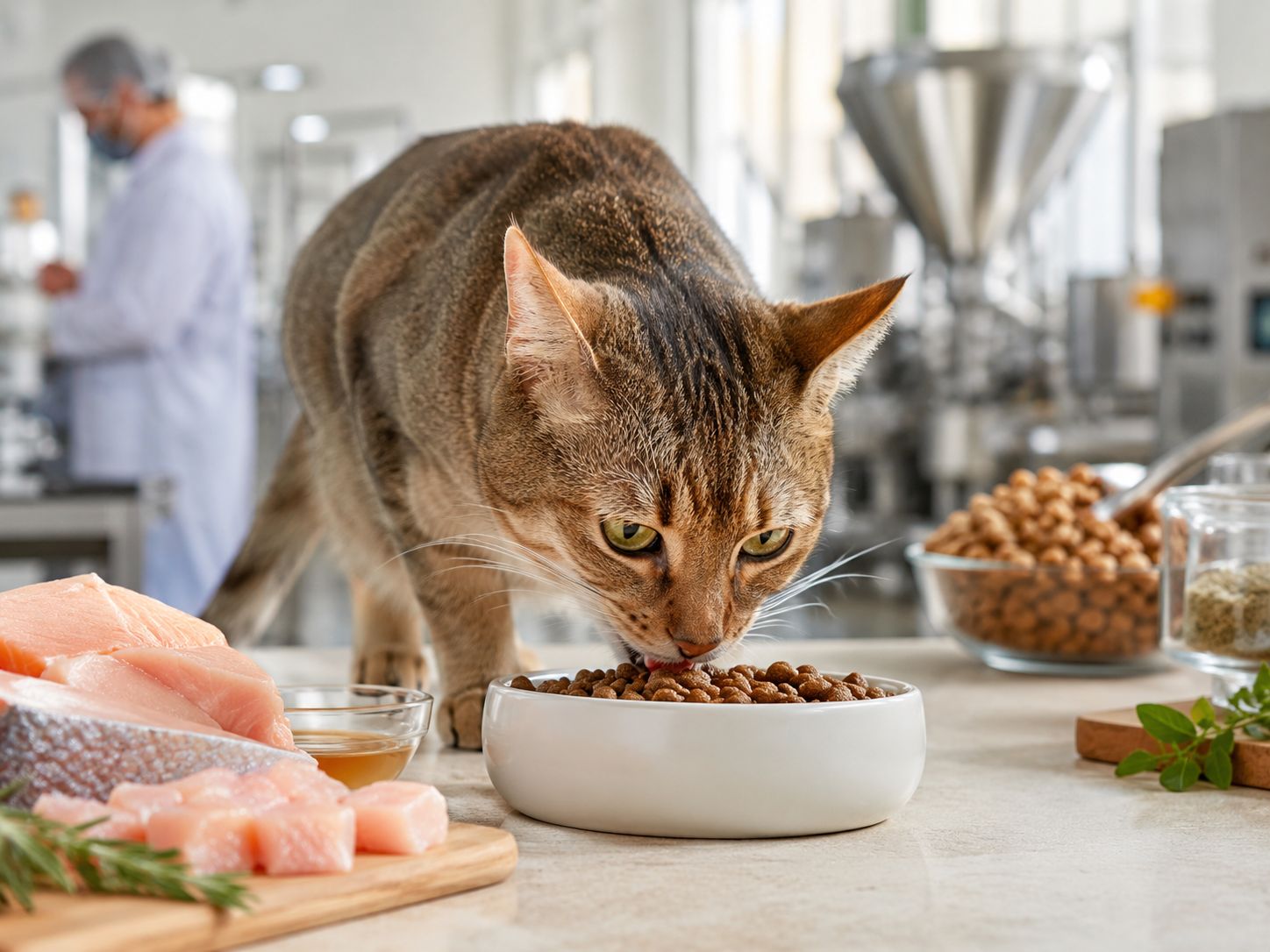
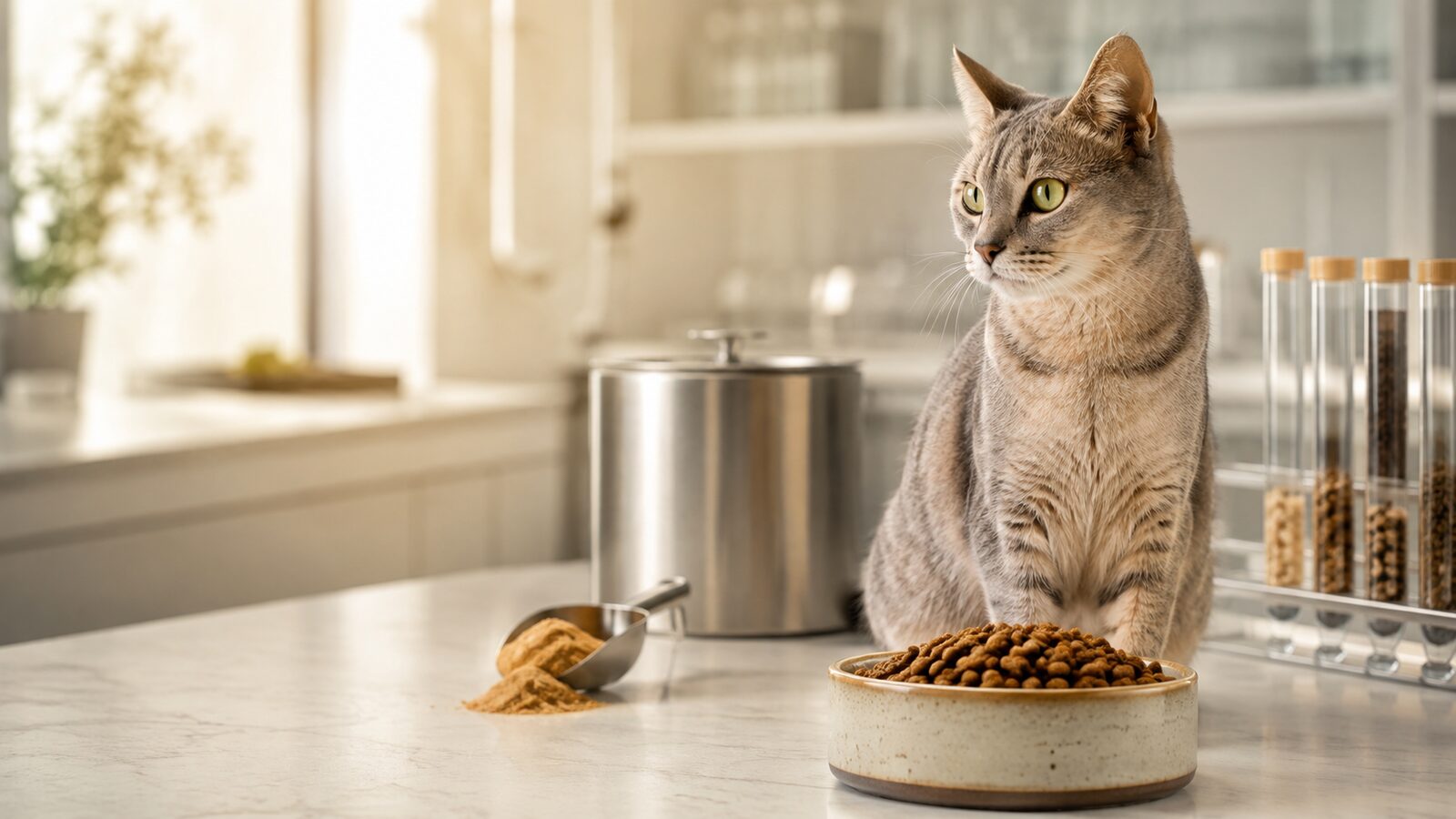
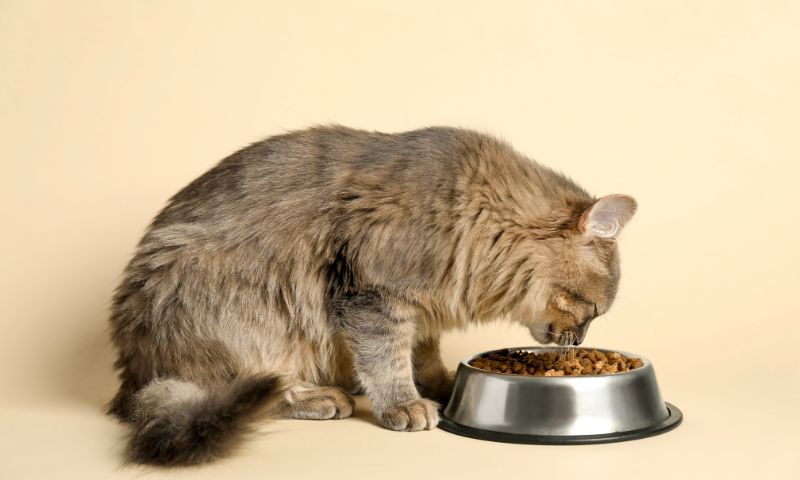
Cats are especially sensitive.
Because cats rely heavily on smell when selecting food, even small aroma inconsistencies may influence feeding behavior.
As a result, kibble coating palatants have become essential in:
- Cat food
- Veterinary diets
- Functional pet food
- Senior formulas
- High-protein recipes
- Weight management diets
- Freeze-dried hybrid kibble
For manufacturers competing in crowded retail markets, palatability has become both a technical and commercial issue.
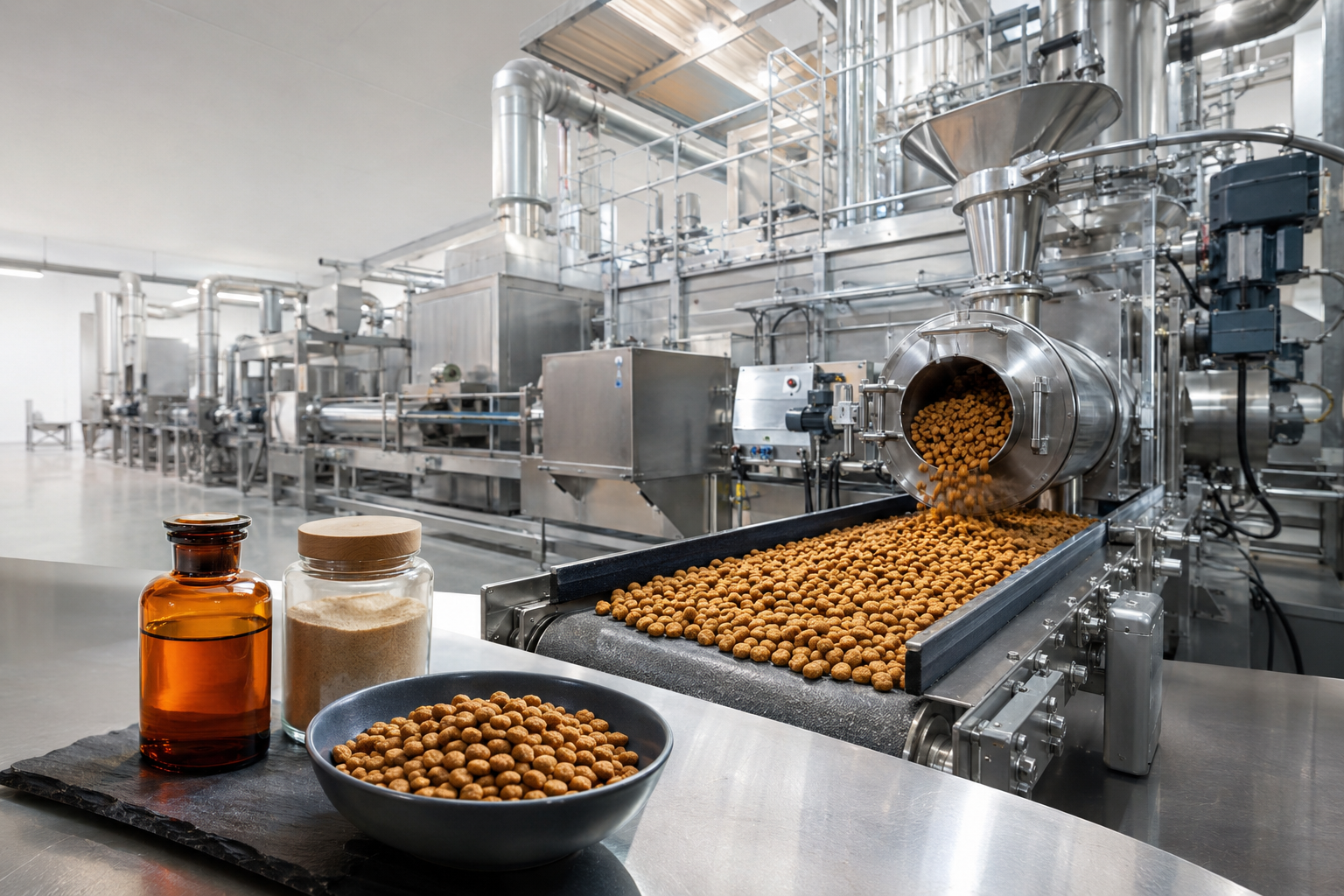
How the Kibble Coating Process Works
Step 1: Extrusion
Raw ingredients are mixed and processed through the extruder using heat, pressure, and moisture.
This stage creates kibble structure and texture.
However, high temperatures may reduce aroma intensity.
Step 2: Drying
Fresh kibble contains excess moisture after extrusion.
Drying improves shelf stability and product safety.
At this stage, kibble remains relatively low in sensory appeal.
Step 3: Fat Application
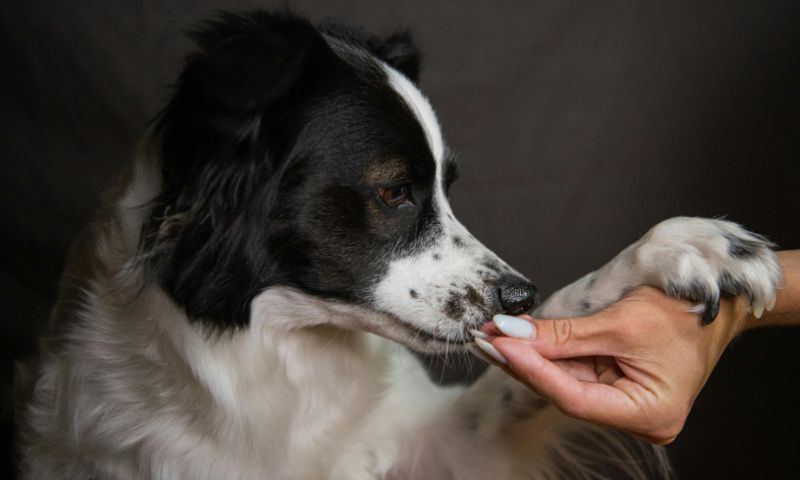
Fats and oils are sprayed onto kibble surfaces.
Common fat systems include:
- Chicken fat
- Fish oil
- Duck fat
- Pork fat
- Beef tallow
Fats help improve mouthfeel while serving as carriers for powdered palatants.
Step 4: Palatant Coating
This is the most critical sensory stage.
Powder or liquid palatants are evenly applied to kibble surfaces using:
- Drum coating systems
- Vacuum coating systems
- Spray coating systems
- Continuous coating lines
The objective is to maximize:
- Surface coverage
- Flavor consistency
- Adhesion performance
- Aroma release
- Feeding acceptance
Step 5: Cooling and Packaging
Proper cooling helps preserve flavor stability and reduce oxidation risks before packaging.
Why Vacuum Coating Is Becoming Popular
Vacuum coating technology is rapidly growing in premium pet food manufacturing.
Traditional coating systems mainly apply flavors to the outer kibble surface.
Vacuum coating works differently.
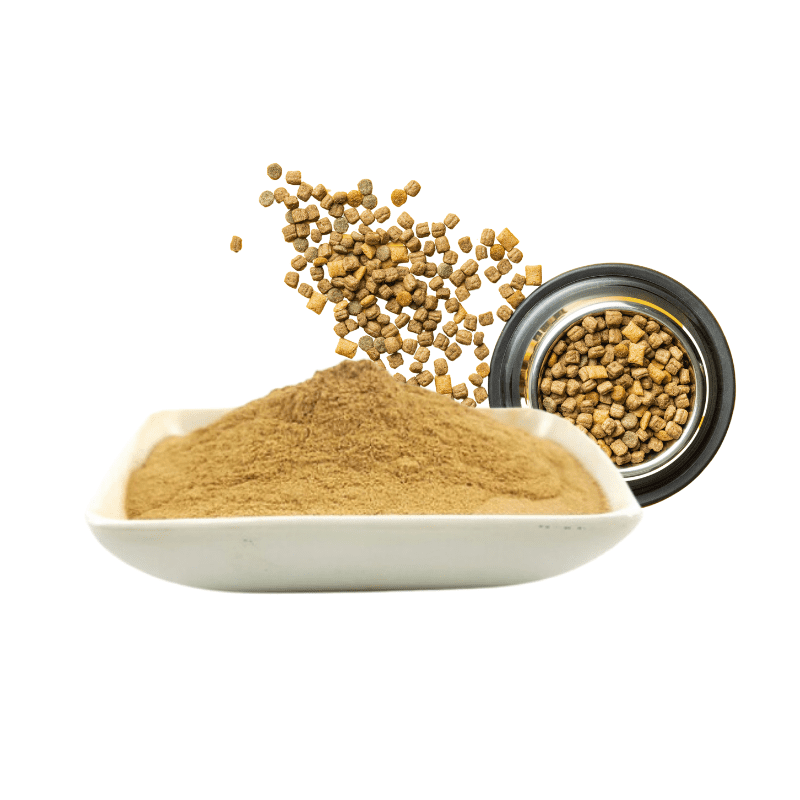
The system creates negative pressure, allowing oils and palatants to penetrate deeper into kibble pores.
This improves coating performance significantly.
Advantages of Vacuum Coating
Better Flavor Retention
Flavor compounds remain more stable inside the kibble structure.
Reduced Surface Greasiness
Vacuum systems help distribute oils more evenly.
Improved Feeding Response
Pets experience stronger and more consistent aroma release.
Higher Oil Loading Capacity
Manufacturers can apply more functional fats without excessive surface oiliness.
Better Shelf Stability
Vacuum-coated kibble often demonstrates improved oxidation resistance.
For premium cat food especially, vacuum coating can significantly improve product consistency.
Why Hydrolyzed Liver Palatants Are Widely Used
Among all kibble coating ingredients, hydrolyzed liver palatants remain some of the most effective.
Hydrolysis breaks proteins into smaller peptides and amino acids that create strong savory aroma profiles.
Hydrolyzed chicken liver is especially popular because it offers:
- Strong meat aroma
- High feline acceptance
- Excellent digestibility
- Stable processing performance
- Cost-effective application
Many pet food manufacturers use hydrolyzed liver palatants in:
- Cat kibble
- Puppy food
- High-protein formulas
- Premium dog food
- Functional nutrition products
Some advanced systems combine poultry digest with liver hydrolysates to create layered sensory profiles.
Common Challenges in Kibble Coating Systems
Even experienced factories encounter coating problems.
Uneven Flavor Distribution
Poor mixing can create inconsistent feeding performance.
Excessive Dusting
Weak adhesion causes flavor powder loss during transportation.
Oil Leakage
Incorrect fat application may damage packaging quality.
Aroma Degradation
Volatile compounds may weaken during storage.
Oxidation Issues
Poor antioxidant systems reduce shelf life.
Reduced Palatability Over Time
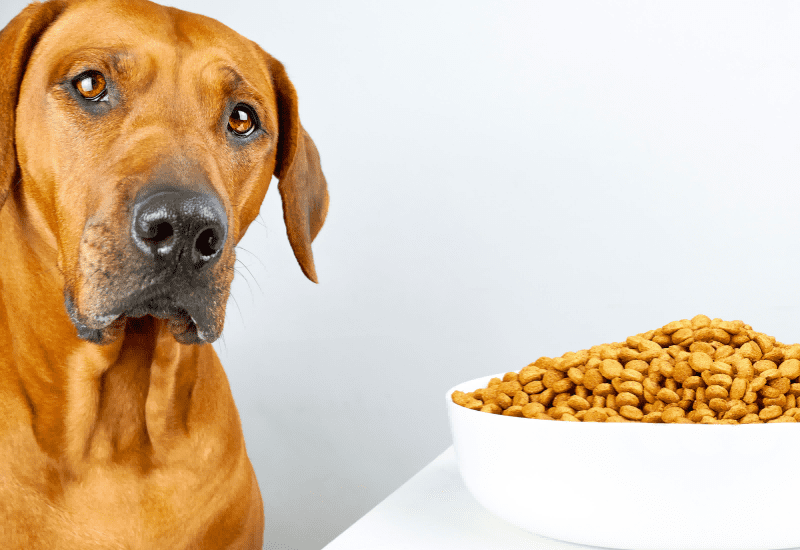
Flavor instability can negatively affect repeat feeding behavior.
In real production environments, coating performance usually depends on multiple interacting factors including:
- Kibble porosity
- Fat quality
- Coating temperature
- Particle size
- Equipment design
- Storage conditions
This is why selecting the right pet food palatant supplier is extremely important.
What Makes a High-Quality Palatant for Kibble Coating?
Not all palatants perform equally.
Professional manufacturers evaluate several factors before selecting a coating solution.
Strong Aroma Performance
Effective palatants deliver immediate sensory impact.
Good Adhesion
The coating must remain stable during transportation and storage.
Processing Compatibility
Palatants should work with existing coating systems and production conditions.
Oxidation Stability
High-quality palatants maintain aroma integrity over shelf life.
Species-Specific Acceptance
Dog and cat flavor preferences differ significantly.
Consistent Raw Material Quality
Stable ingredient sourcing helps ensure repeatable production performance.
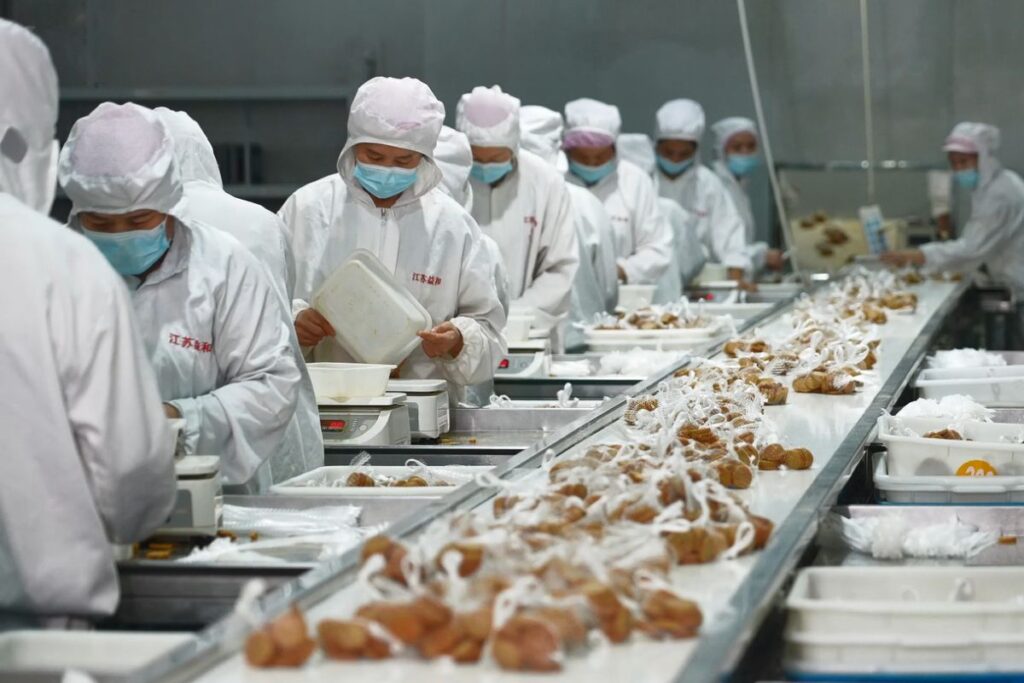
Reliable suppliers often support manufacturers through:
- Feeding trials
- Two-bowl preference testing
- Aroma evaluations
- Shelf-life studies
- Technical application support
Current Trends in Kibble Coating Palatants
The pet food industry continues evolving rapidly.
Several major trends are influencing coating technology development.
Premiumization
Consumers increasingly expect stronger sensory experiences from pet food.
Clean Label Formulations
Manufacturers are exploring more natural palatant systems with recognizable ingredients.
Functional Coating Systems
Some modern palatants combine flavor enhancement with nutritional functionality.
Cat-Specific Flavor Engineering
Cats require highly targeted aroma systems due to selective feeding behavior.
Sustainable Protein Sources
Alternative protein palatants are gaining attention, including:
- Insect protein hydrolysates
- Fish by-product digest
- Sustainable poultry proteins
Improved Aroma Encapsulation
Encapsulation technologies help preserve volatile flavor compounds longer.
How to Choose the Right Pet Food Palatant Supplier
For B2B buyers, selecting a supplier involves more than comparing prices.
Look for Technical Expertise
Suppliers should understand extrusion and coating processes deeply.
Evaluate Product Stability
Shelf-life performance is critical for international distribution.
Verify Certifications
Professional suppliers commonly maintain:
- BRC
- IFS
- ISO22000
- HACCP
Request Testing Support
Reliable suppliers often provide palatability evaluation support.
Assess Production Capacity
Consistent supply matters for commercial manufacturing.
Consider Customization Ability
Different formulas require different sensory solutions.
Manufacturers increasingly prefer suppliers capable of developing customized coating systems for specific applications.
Why Palatant for Kibble Coating Will Continue Growing
As the global pet food market becomes more premiumized, sensory performance is becoming increasingly important.
Many brands already meet basic nutritional requirements.
The next competitive advantage is feeding experience.
Pet owners want to see:
- Excitement at mealtime
- Strong aroma
- Consistent acceptance
- Better appetite response
Retailers want products with:
- Strong repeat purchases
- Fewer complaints
- Better product differentiation
Kibble coating palatants help manufacturers achieve these goals.
As a result, coating technology is evolving from a secondary production step into a strategic product development tool.
Final Thoughts
Palatant for kibble coating technology has become one of the most important innovations in modern pet food manufacturing.
While consumers focus on ingredient marketing and protein percentages, manufacturers understand the real challenge:
Creating food pets genuinely want to eat.
From hydrolyzed liver powders to advanced vacuum coating systems, modern kibble coating combines sensory science, flavor engineering, and manufacturing precision.
For pet food brands competing in global markets, palatability is no longer optional.
It is a major commercial advantage.
Manufacturers seeking stronger feeding performance, improved product differentiation, and better customer retention increasingly rely on advanced pet food palatants and kibble coating technologies to remain competitive.
To learn more about customized pet food palatants, kibble coating solutions, and pet food palatability enhancers, visit:
Profypet Official Website
Frequently Asked Questions
What is a palatant for kibble coating?
A palatant for kibble coating is a flavor-enhancing ingredient system applied to dry pet food surfaces after extrusion to improve aroma, taste, and feeding acceptance.
Why are palatants added after extrusion?
High extrusion temperatures can damage aroma compounds. Surface coating helps restore flavor intensity and improve palatability.
What ingredients are commonly used in kibble coating palatants?
Common ingredients include hydrolyzed chicken liver, poultry digest, fish digest, yeast extracts, liquid palatants, and animal protein hydrolysates.
What is vacuum coating in pet food manufacturing?
Vacuum coating uses negative pressure to help oils and palatants penetrate deeper into kibble pores for improved flavor retention and coating stability.
Why are palatants important in cat food?
Cats rely heavily on smell when selecting food, making strong aroma and flavor systems essential for feeding acceptance.