Pet Food Flavour Enhancer: The Key to Better Pet Food Acceptance
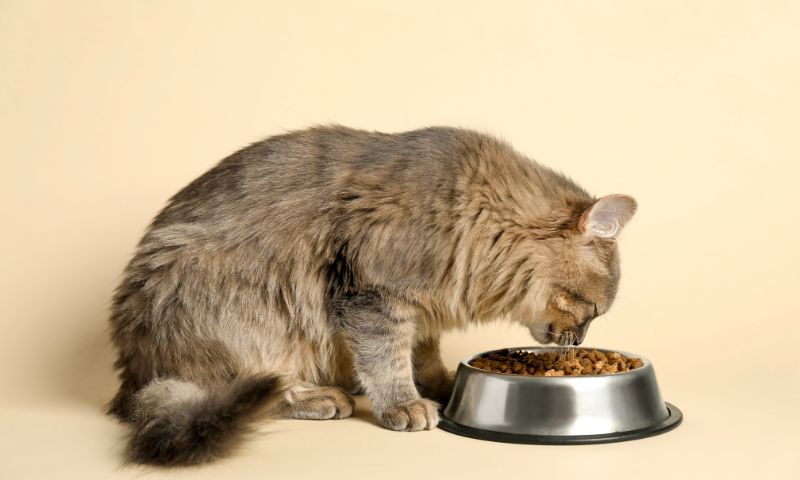
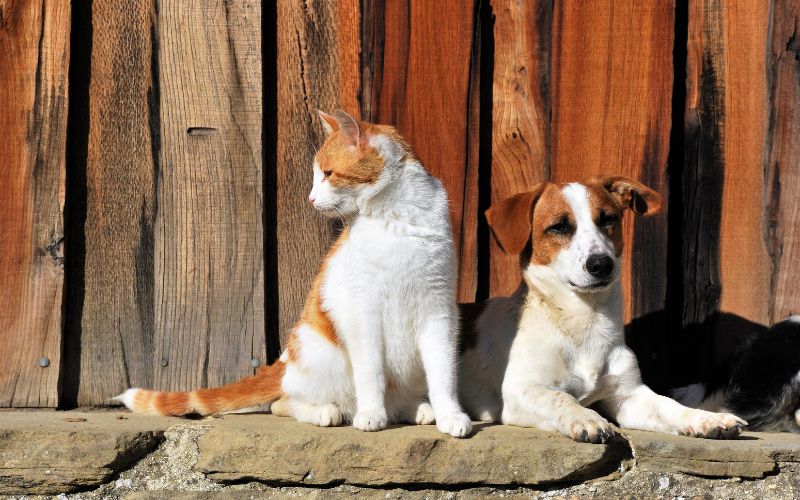
Pet owners may choose a pet food based on nutrition, ingredients, or brand reputation. However, dogs and cats make their decision based on one simple factor: whether the food smells and tastes appealing.
Even the most nutritionally balanced formula can fail if pets refuse to eat it. This is why pet food flavour enhancers have become an essential ingredient in modern pet food manufacturing.
Whether producing dry kibble, treats, wet food, freeze-dried products, or functional diets, manufacturers increasingly rely on flavour enhancers to improve palatability, encourage consistent consumption, and strengthen customer satisfaction.
In this article, we explore what pet food flavour enhancers are, how they work, and how manufacturers can choose the right solution for their products.
What Is a Pet Food Flavour Enhancer?
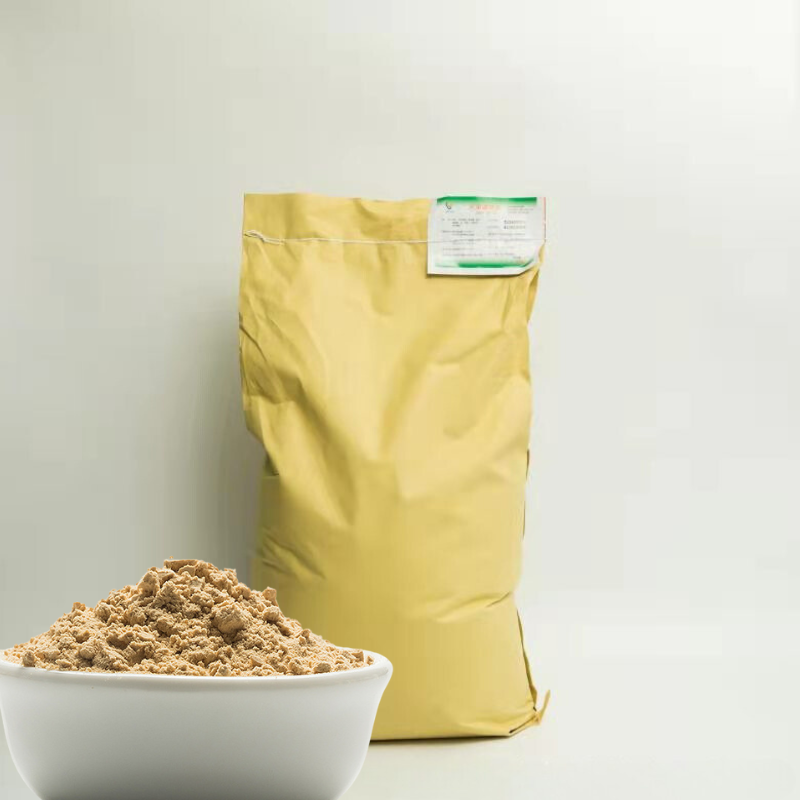
A pet food flavour enhancer is an ingredient specifically designed to improve the aroma, taste, and overall eating experience of pet food.
Unlike human food flavorings, pet food flavour enhancers are developed according to the unique sensory preferences of dogs and cats.
They typically contain:
- Hydrolyzed animal proteins
- Animal fats
- Liver digests
- Meat extracts
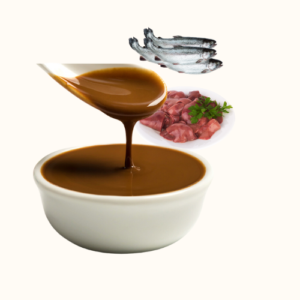
- Fish extracts
- Yeast extracts
- Natural flavor compounds
These ingredients create attractive sensory signals that encourage pets to approach, smell, and consume food more readily.
Why Pet Food Palatability Matters
Many pet owners assume that nutrition alone determines product success.
In reality, palatability is often the first factor influencing repeat purchases.
When pets consistently enjoy a product, owners are more likely to continue buying the same brand.
Poor palatability can lead to:
- Reduced feed intake
- Weight loss
- Feeding stress
- Increased product returns
- Negative reviews
- Brand switching
For premium pet food brands, maintaining strong palatability is just as important as maintaining nutritional quality.
How Pet Food Flavour Enhancers Work
1. Improve Aroma Attraction
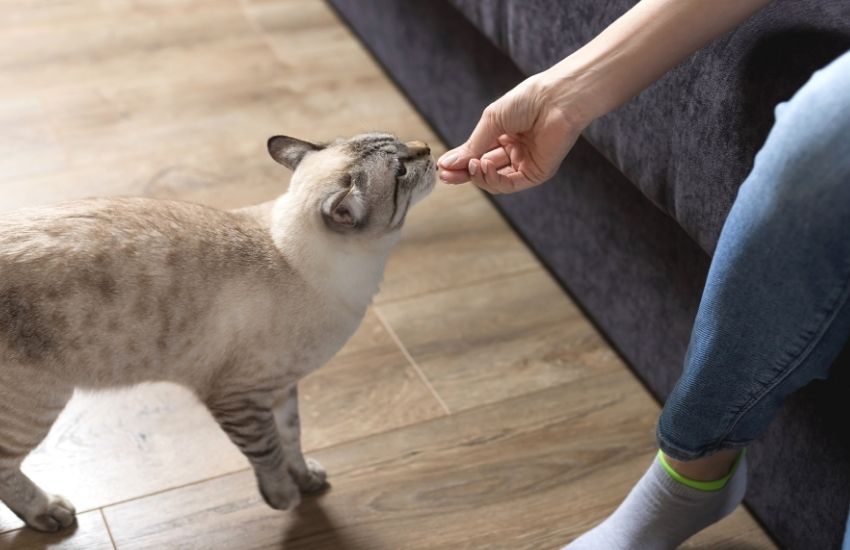
Dogs and cats rely heavily on their sense of smell when evaluating food.
Cats possess highly sensitive olfactory receptors and often reject foods with weak aroma profiles.
Flavour enhancers release attractive meat-based aromas that immediately capture attention during feeding.
2. Enhance Taste Perception
Once pets begin eating, flavor compounds interact with taste receptors and encourage continued consumption.
This is especially important for:
- Veterinary diets
- Low-fat formulas
- Functional foods
- Senior pet diets
- Weight management products
These formulations often sacrifice natural palatability due to nutritional restrictions.
3. Increase Feeding Consistency
Consistent consumption is critical for maintaining nutritional intake.
Flavour enhancers help reduce:
- Selective feeding
- Food refusal
- Feeding interruptions
This results in better overall product performance and customer satisfaction.
Common Types of Pet Food Flavour Enhancers
Hydrolyzed Protein-Based Enhancers
Hydrolyzed proteins are produced by breaking proteins into smaller peptides and amino acids.
Advantages include:
- Strong palatability
- Excellent digestibility
- High protein value
- Stable performance
Common sources include:
- Chicken liver
- Poultry protein
- Fish protein
- Pork protein
Animal Fat-Based Enhancers
Animal fats remain one of the most effective palatability solutions.
Popular options include:
- Chicken fat
- Duck fat
- Salmon oil
- Beef fat
These ingredients provide both flavor and aroma while increasing energy density.
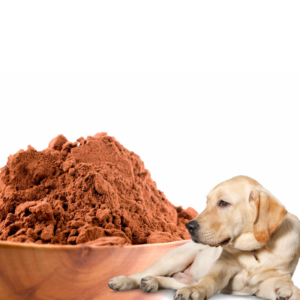
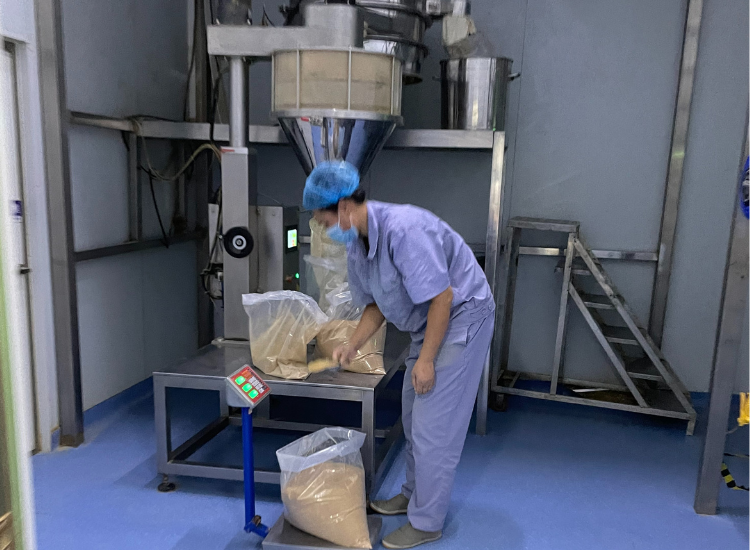
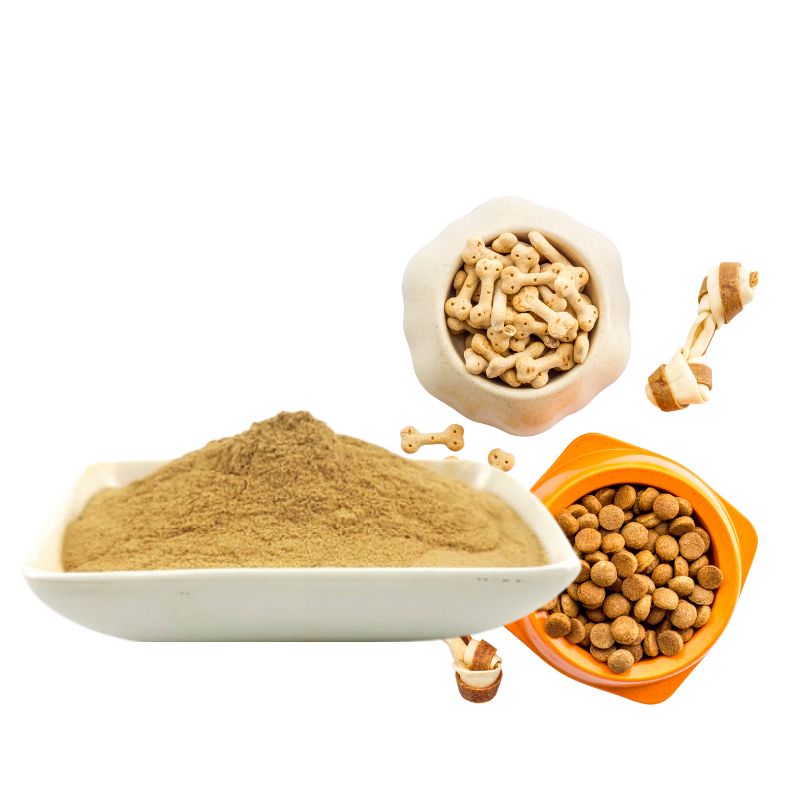
Powder Flavour Enhancers
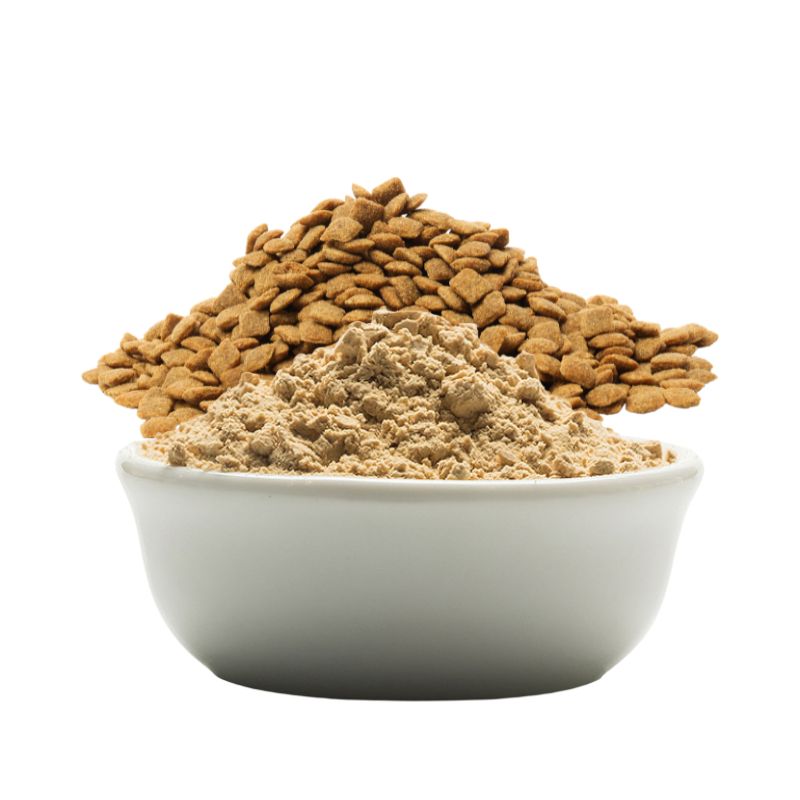
Spray-dried powders are widely used in dry pet food applications.
Benefits include:
- Easy handling
- Uniform coating
- Longer shelf life
- Excellent processing stability
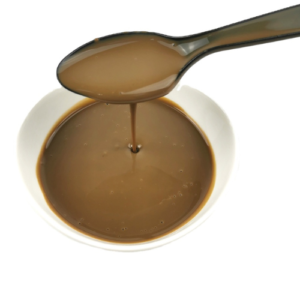
Liquid Flavour Enhancers
Liquid palatants are commonly applied after extrusion.
Advantages include:
- Strong aroma release
- Superior surface coverage
- Enhanced flavor intensity
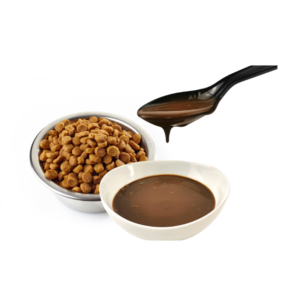
Many premium kibble brands use liquid palatants in combination with fats for maximum effectiveness.

Pet Food Flavour Enhancers for Dog Food
Dogs generally prefer:
- Chicken flavors
- Beef flavors
- Pork flavors
- Liver flavors
Flavour enhancers help dog food manufacturers:
- Increase kibble acceptance
- Improve premium product appeal
- Enhance training treats
- Support functional formulations
Products containing hydrolyzed chicken liver are particularly popular due to their strong acceptance across multiple dog breeds.
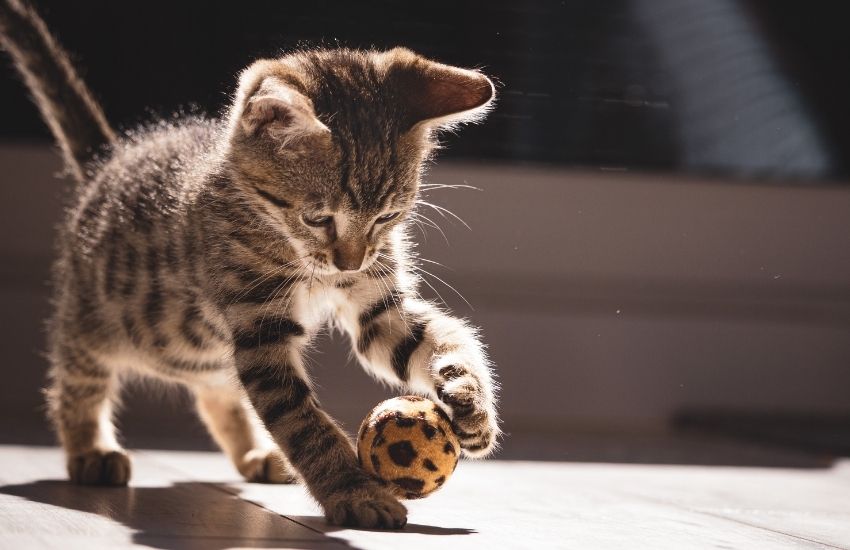
Pet Food Flavour Enhancers for Cat Food
Cats are typically more selective than dogs.
They rely heavily on aroma and animal protein signals.
Popular cat flavor profiles include:
- Tuna
- Salmon
- White fish
- Chicken liver
- Seafood blends
Cat food manufacturers often require highly specialized flavour enhancers to achieve optimal feeding performance.
Even small improvements in palatability can significantly increase long-term customer retention.
Applications of Pet Food Flavour Enhancers
Dry Pet Food
The largest application segment.
Enhancers are usually sprayed onto kibble after extrusion.
Freeze-Dried Pet Food
Used to boost aroma while maintaining natural positioning.
Pet Treats
Improves acceptance and repeat consumption.
Wet Food
Supports aroma enhancement and flavor consistency.
Veterinary Diets
Critical for improving acceptance of therapeutic formulations.
How to Choose the Right Pet Food Flavour Enhancer
When evaluating suppliers, manufacturers should consider:
Raw Material Quality
Look for:
- High-quality animal protein sources
- Traceable ingredients
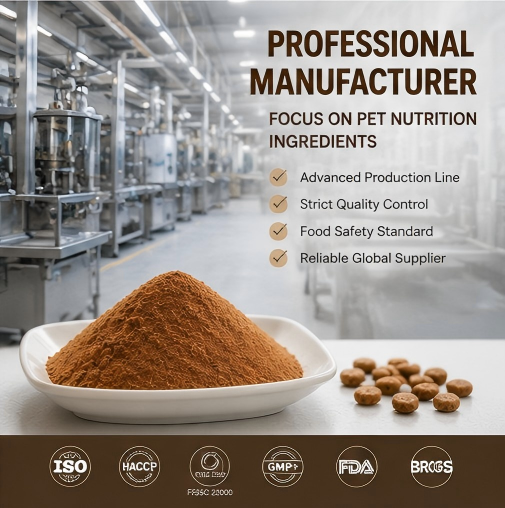
- Food safety certifications
Palatability Testing
Reliable suppliers should conduct:
- Single-bowl tests
- Two-bowl preference tests
- Species-specific evaluations
Product Stability
Enhancers should remain effective during:
- Processing
- Transportation
- Storage
Regulatory Compliance
Ensure compliance with:
- FDA requirements
- FEDIAF guidelines
- Local market regulations
Technical Support
An experienced supplier should provide:
- Application guidance
- Dosage recommendations
- Formula optimization support
Future Trends in Pet Food Flavour Enhancement
The pet food industry is moving toward more advanced palatability solutions.
Emerging trends include:
Natural Flavour Enhancers
Consumers increasingly prefer clean-label ingredients.
Functional Palatants
Combining flavor enhancement with:
- Digestive support
- Immune support
- Nutrient absorption benefits
Species-Specific Solutions
Customized products developed specifically for:
- Cats
- Dogs
- Puppies
- Kittens
- Senior pets
Sustainable Protein Sources
Alternative proteins and upcycled ingredients are gaining attention while maintaining palatability performance.
Why Work with Profypet?
At Profypet, we specialize in developing high-performance pet food flavour enhancers for manufacturers worldwide.
Our solutions include:
- Liquid pet food palatants
- Spray-dried flavour powders
- Hydrolyzed chicken liver enhancers
- Cat-specific flavour systems
- Dog-specific flavour systems
- Customized palatability solutions
With extensive experience serving pet food manufacturers, OEM factories, and private-label brands, we help customers improve feed acceptance while maintaining product quality and consistency.
Conclusion
Pet food flavour enhancers play a vital role in modern pet food formulation.
By improving aroma, taste, and overall palatability, they help manufacturers increase feed intake, improve customer satisfaction, and strengthen brand loyalty.
As consumer expectations continue to rise, investing in effective flavour enhancement technology is becoming a key competitive advantage for pet food brands worldwide.
Whether developing premium kibble, freeze-dried treats, wet food, or veterinary diets, the right flavour enhancer can significantly improve product performance and market success.
Request Samples
Looking for high-performance pet food flavour enhancers for your next formulation?