Why Pet Food Loses Flavour: The Hidden Problem Affecting Pet Food Acceptance
A pet owner opens a newly purchased bag of dog food.
The first few meals go perfectly.
The dog runs to the bowl with excitement.
Two weeks later, something changes.
The same food sits untouched for hours.
The owner assumes the pet has become picky.
In reality, the food itself may have changed.
Flavor loss is one of the most overlooked challenges in pet food manufacturing. While consumers focus on protein content, grain-free formulas, and functional ingredients, manufacturers understand that maintaining flavor stability throughout a product’s shelf life is equally important.
Even a nutritionally complete formula can fail if pets lose interest in eating it.
For pet food manufacturers, wholesalers, and private label brands, understanding why pet food loses flavour is critical for improving customer satisfaction, repeat purchases, and product performance.
What Does “Flavor Loss” Mean in Pet Food?
Flavor loss occurs when the aroma, taste, and sensory characteristics of pet food gradually decline during production, storage, transportation, or retail display.
Unlike humans, pets rely heavily on smell when evaluating food.
Studies from the pet nutrition industry consistently show that aroma is one of the strongest drivers of food acceptance, particularly for cats.
When flavor compounds deteriorate, pets often experience:
- Reduced feeding enthusiasm
- Slower food consumption
- Selective eating
- Increased food refusal
- Lower long-term acceptance
Many pet owners interpret these behaviors as picky eating when the real issue may be declining product palatability.
Why Aroma Matters More Than Taste
Humans often judge food primarily through taste.
Pets are different.
Dogs possess approximately 220 million scent receptors, while cats have significantly more scent sensitivity than humans.
Before taking the first bite, pets evaluate food through aroma.
If key volatile compounds disappear, the food becomes less attractive even when the nutritional composition remains unchanged.
This is why maintaining aroma stability has become a major focus for modern pet food manufacturers.
The 7 Main Reasons Pet Food Loses Flavour
1. Fat Oxidation
Fat oxidation is the most common cause of flavor deterioration.
Pet foods often contain:
- Chicken fat
- Fish oil
- Salmon oil
- Duck fat
- Beef fat
These ingredients contribute significantly to aroma and palatability.
However, fats are highly vulnerable to oxygen exposure.
When oxidation occurs, fats begin to break down and create undesirable odors.
Common signs include:
- Rancid smell
- Reduced aroma intensity
- Bitter notes
- Lower feeding acceptance
High-fat formulas are particularly susceptible to oxidation.
How Manufacturers Prevent Fat Oxidation
- Natural antioxidants
- Mixed tocopherols
- Rosemary extract
- Oxygen barrier packaging
- Nitrogen flushing
- Controlled storage conditions
2. Loss of Volatile Aroma Compounds
Many desirable flavor molecules are volatile.
This means they naturally evaporate over time.
Important aroma compounds can gradually disappear during:
- Extrusion
- Drying
- Packaging
- Warehousing
- Transportation
Even premium pet food may lose aroma intensity if volatile compounds are not properly protected.
For cats especially, small changes in aroma can significantly impact feeding behavior.
3. High Extrusion Temperatures
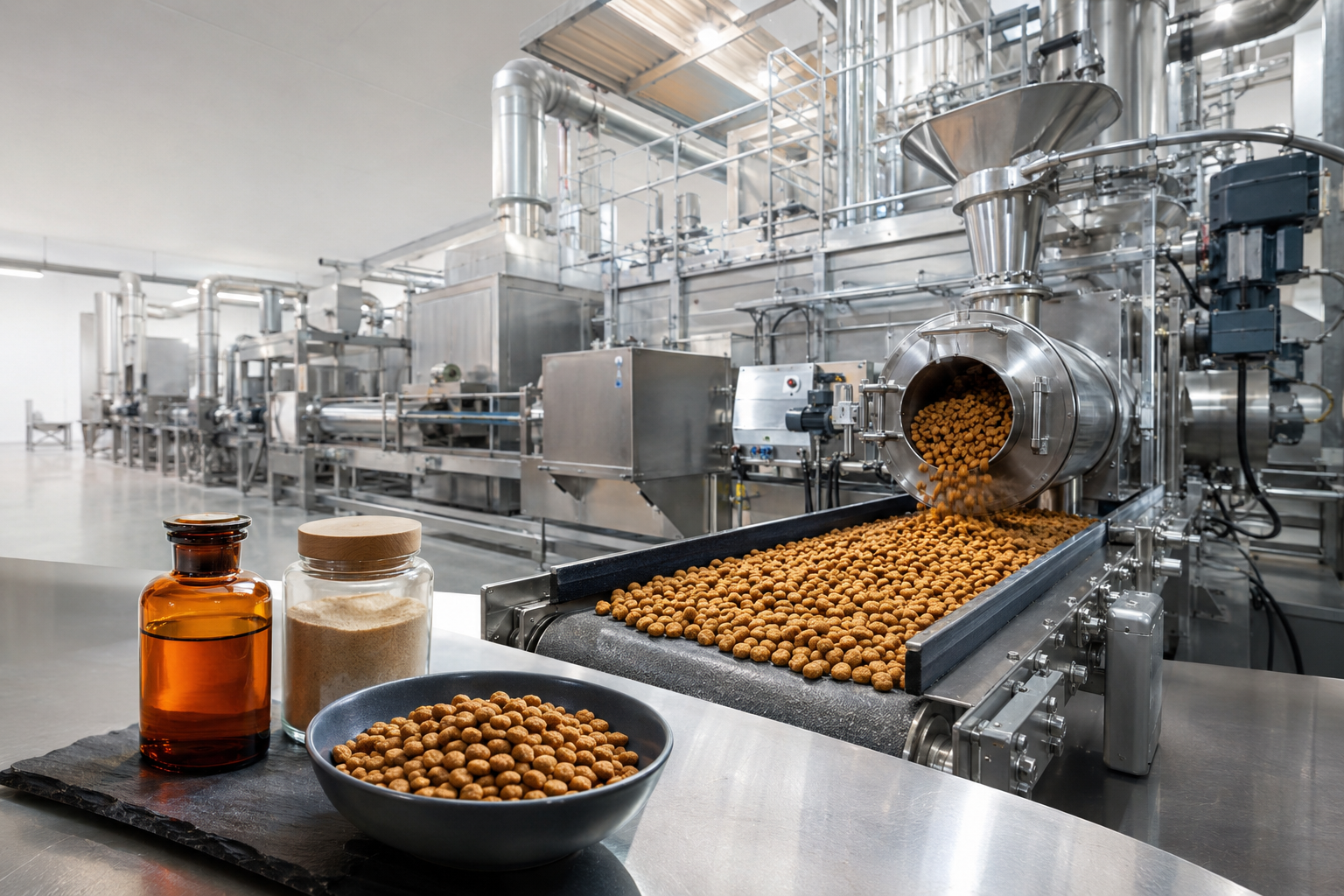
Extrusion is essential for producing dry kibble.
However, extrusion temperatures often exceed 120°C–180°C.
While these temperatures improve food safety and digestibility, they can also damage flavor compounds.
Potential consequences include:
- Aroma degradation
- Reduced flavor complexity
- Protein reaction changes
- Loss of natural meat notes
This is one reason why modern manufacturers apply pet food palatants after extrusion rather than during formulation.
4. Poor Coating Performance
The coating stage plays a critical role in preserving flavor.
Most premium pet foods rely on post-extrusion coating systems to apply:
- Liquid palatants
- Poultry digest
- Hydrolyzed liver
- Fish digest
- Chicken fat
When coating performance is inconsistent, manufacturers may experience:
- Uneven flavor distribution
- Surface dusting
- Poor adhesion
- Reduced aroma retention
In practical production environments, coating issues are among the most common causes of inconsistent product acceptance.
5. Improper Storage Conditions
Even well-manufactured pet food can lose flavor if storage conditions are poor.
Major risk factors include:
Heat
High temperatures accelerate oxidation and aroma loss.
Humidity
Excess moisture can affect flavor stability and ingredient quality.
Light Exposure
UV light can degrade fats and sensitive flavor compounds.
Oxygen Exposure
Oxygen remains the primary enemy of long-term flavor retention.
This is why premium packaging has become increasingly important in the pet food industry.
6. Packaging Quality Problems
Packaging is often the final defense against flavor loss.
Low-quality packaging may allow:
- Oxygen penetration
- Moisture migration
- Aroma escape
- Oxidation acceleration
Modern premium pet food packaging increasingly uses:
- Multi-layer barrier films
- Aluminum structures
- Resealable closures
- Nitrogen flushing
These technologies help preserve product freshness throughout its shelf life.
7. Ingredient Quality Variability
Flavor stability begins with raw materials.
Low-quality ingredients may:
- Oxidize faster
- Produce inconsistent aroma
- Contain unstable fats
- Deliver weaker palatability
Ingredient consistency is especially important for:
- Poultry digest
- Liver hydrolysates
- Fish-based palatants
- Animal protein hydrolysates
Experienced manufacturers carefully monitor ingredient quality to maintain stable flavor performance.
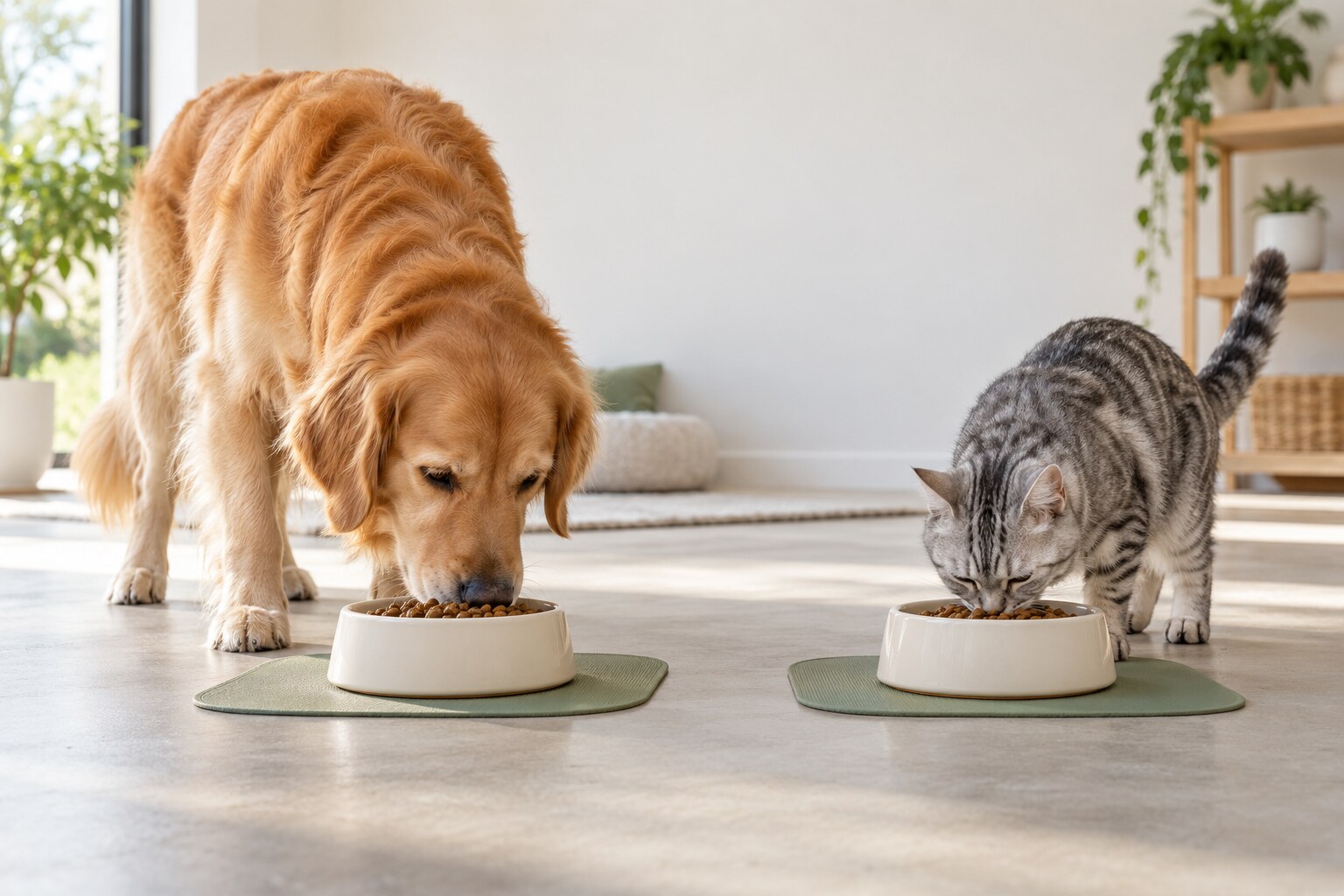
Why Cats Notice Flavor Loss Faster Than Dogs
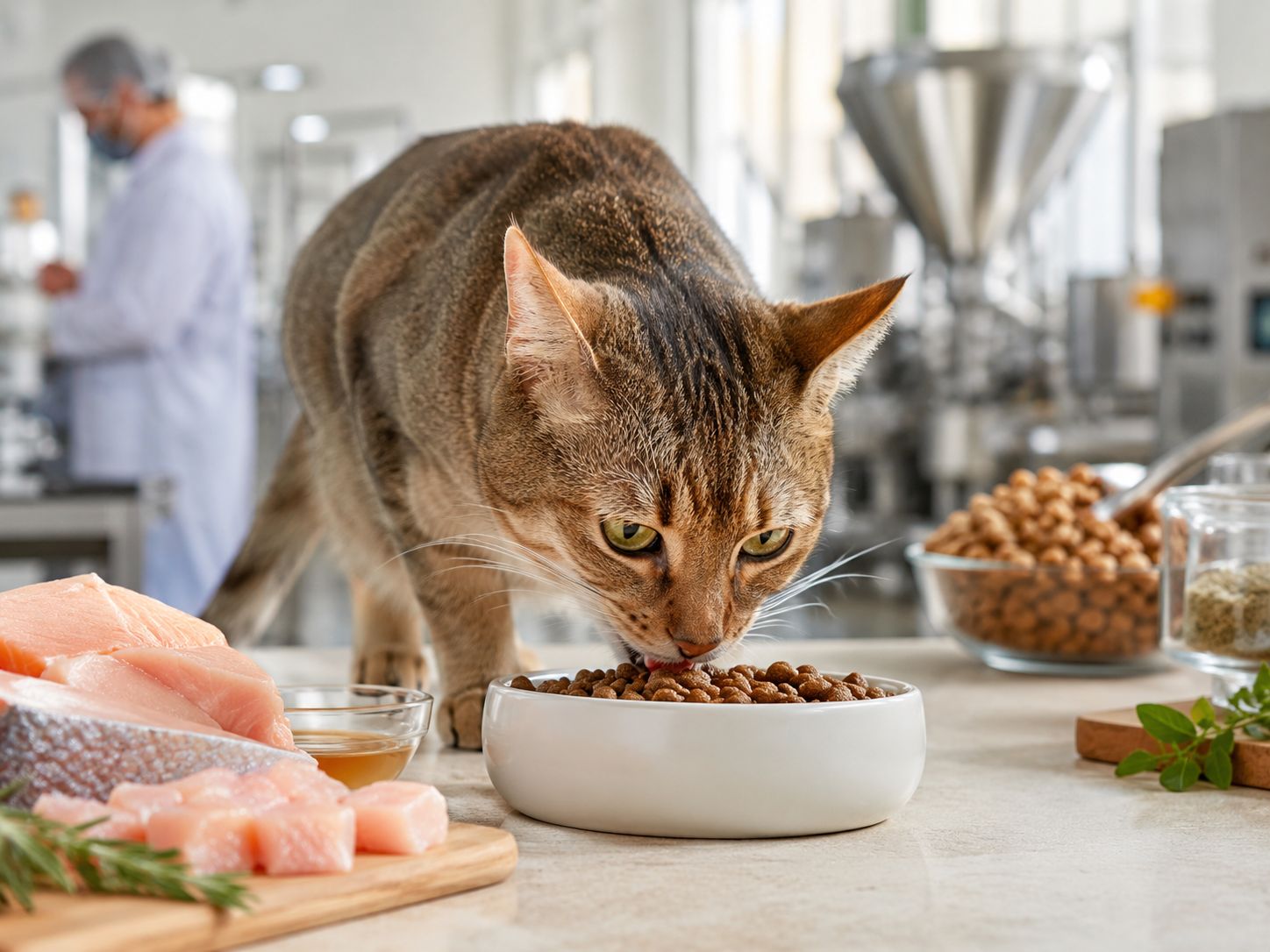
Cats are among the most demanding consumers in the pet food industry.
Unlike dogs, cats are obligate carnivores and rely heavily on meat-based aroma signals.
They often detect flavor changes that dog owners might never notice.
In commercial feeding trials, cats frequently show stronger responses to:
- Aroma intensity
- Meat notes
- Flavor freshness
- Coating consistency
This is why flavor stability is especially important in:
- Kitten food
- Senior cat food
- Veterinary diets
- Hairball formulas
- Functional cat nutrition
For cat food manufacturers, maintaining flavor consistency is often just as important as nutritional formulation.
How Pet Food Palatants Help Prevent Flavor Loss
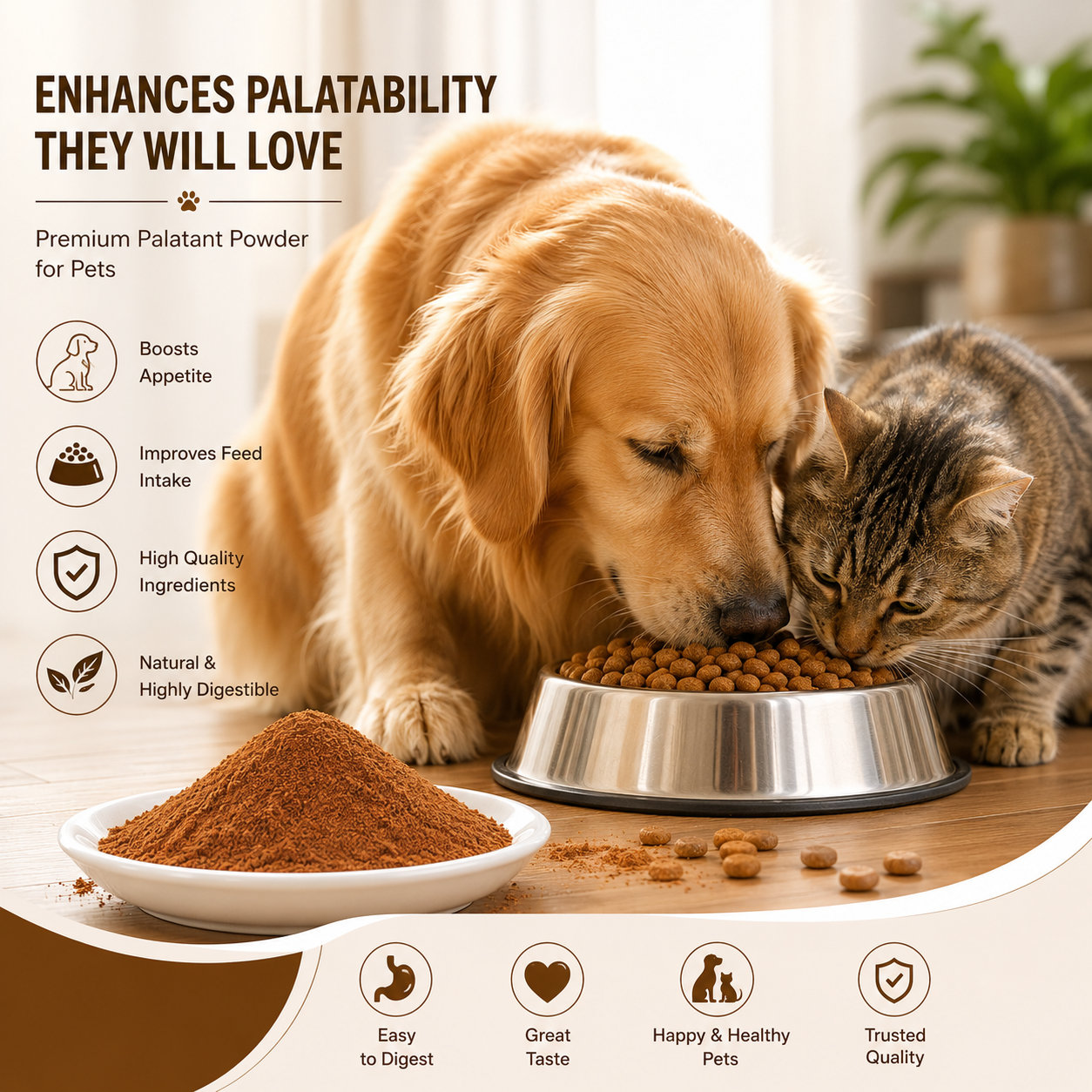
Modern pet food palatants are designed to improve both flavor intensity and flavor stability.
High-quality palatants can:
- Enhance aroma release
- Improve feeding acceptance
- Support flavor consistency
- Strengthen first-bite attraction
- Increase long-term palatability
Common palatant ingredients include:
- Hydrolyzed chicken liver
- Poultry digest
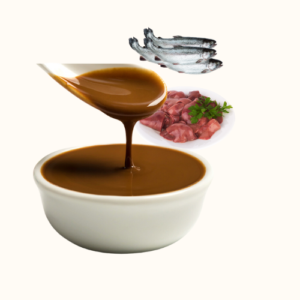
- Fish digest
- Animal protein hydrolysates
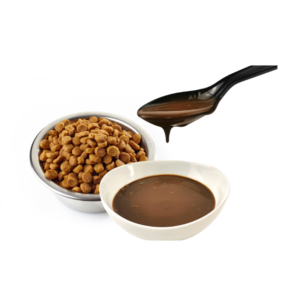
- Liquid palatants
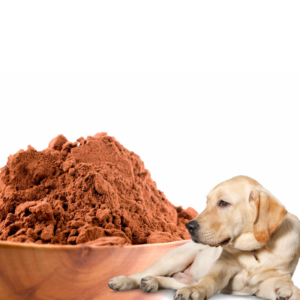
- Powder palatants
Many manufacturers now view palatants as an essential part of flavor management rather than simply a flavor booster.
The Role of Vacuum Coating in Flavor Retention
One of the most significant developments in modern pet food manufacturing is vacuum coating technology.
Traditional drum coating primarily places flavor ingredients on the surface.
Vacuum coating works differently.
By creating negative pressure, oils and palatants penetrate deeper into kibble pores.
Benefits of Vacuum Coating
- Improved flavor retention
- Better aroma stability
- More uniform distribution
- Reduced surface dusting
- Enhanced feeding consistency
- Longer-lasting palatability
Many premium pet food brands now use vacuum coating systems to maximize product acceptance.
Current Industry Trends in Flavor Stability
Several trends are reshaping pet food flavor technology.
Natural Palatants
Consumers increasingly prefer natural flavor systems over artificial alternatives.
Clean Label Solutions
Manufacturers are simplifying ingredient lists while maintaining strong palatability.
Advanced Encapsulation
Encapsulation technologies help protect volatile flavor compounds during storage.
Functional Flavor Systems
Modern palatants increasingly combine:
- Flavor enhancement
- Digestive support
- Immune support
- Nutritional functionality
Improved Packaging Technologies
Barrier packaging continues to evolve to better preserve aroma and freshness.
How Manufacturers Can Reduce Flavor Loss
Successful flavor management requires a comprehensive approach.
Use High-Quality Raw Materials
Ingredient consistency is the foundation of stable flavor.
Optimize Extrusion Conditions
Carefully controlling temperature helps preserve aroma compounds.
Invest in Advanced Coating Systems
Vacuum coating and precision spraying improve flavor retention.
Select Professional Pet Food Palatants
High-quality palatants support both immediate attraction and long-term acceptance.
Improve Packaging
Barrier materials and oxygen control significantly reduce flavor degradation.
Monitor Storage Conditions
Temperature and humidity management remain essential throughout distribution.
Why Flavor Stability Is Becoming a Competitive Advantage
The pet food industry has become increasingly crowded.
Today, many brands offer similar nutritional profiles.
As a result, flavor performance is becoming a key differentiator.
Pet owners may compare:
- Protein percentages
- Ingredient lists
- Functional claims
But pets ultimately decide whether the food is eaten.
Manufacturers that maintain consistent flavor quality often benefit from:
- Higher customer retention
- Stronger repeat purchases
- Better product reviews
- Reduced feeding complaints
Flavor stability is no longer just a technical issue.
It has become a business advantage.
Final Thoughts
Pet food flavor loss is a complex challenge involving ingredients, processing, coating technology, packaging, and storage conditions.
While nutrition remains essential, maintaining aroma and palatability throughout a product’s shelf life is equally important for commercial success.
Modern pet food manufacturers increasingly use advanced coating systems, vacuum coating technology, and specialized pet food palatants to preserve flavor and improve feeding acceptance.
As consumer expectations continue rising, brands that invest in flavor stability will be better positioned to create products that pets continue to enjoy from the first bowl to the last.
To learn more about pet food palatants, liquid palatants, hydrolyzed liver flavor systems, and pet food palatability enhancers, visit:
Frequently Asked Questions
Why does pet food lose flavour over time?
The main causes include fat oxidation, aroma evaporation, high processing temperatures, poor coating performance, and oxygen exposure during storage.
Does flavor loss affect pet nutrition?
Usually not directly, but it can reduce feeding enthusiasm and food intake.
How do pet food palatants improve flavor stability?
Palatants enhance aroma intensity, improve flavor consistency, and help maintain pet acceptance throughout shelf life.
Is vacuum coating better than traditional coating?
Vacuum coating often provides better flavor retention, coating uniformity, and long-term palatability.
Why are cats more sensitive to flavor loss?
Cats rely heavily on smell when selecting food and can detect subtle changes in aroma more easily than dogs.