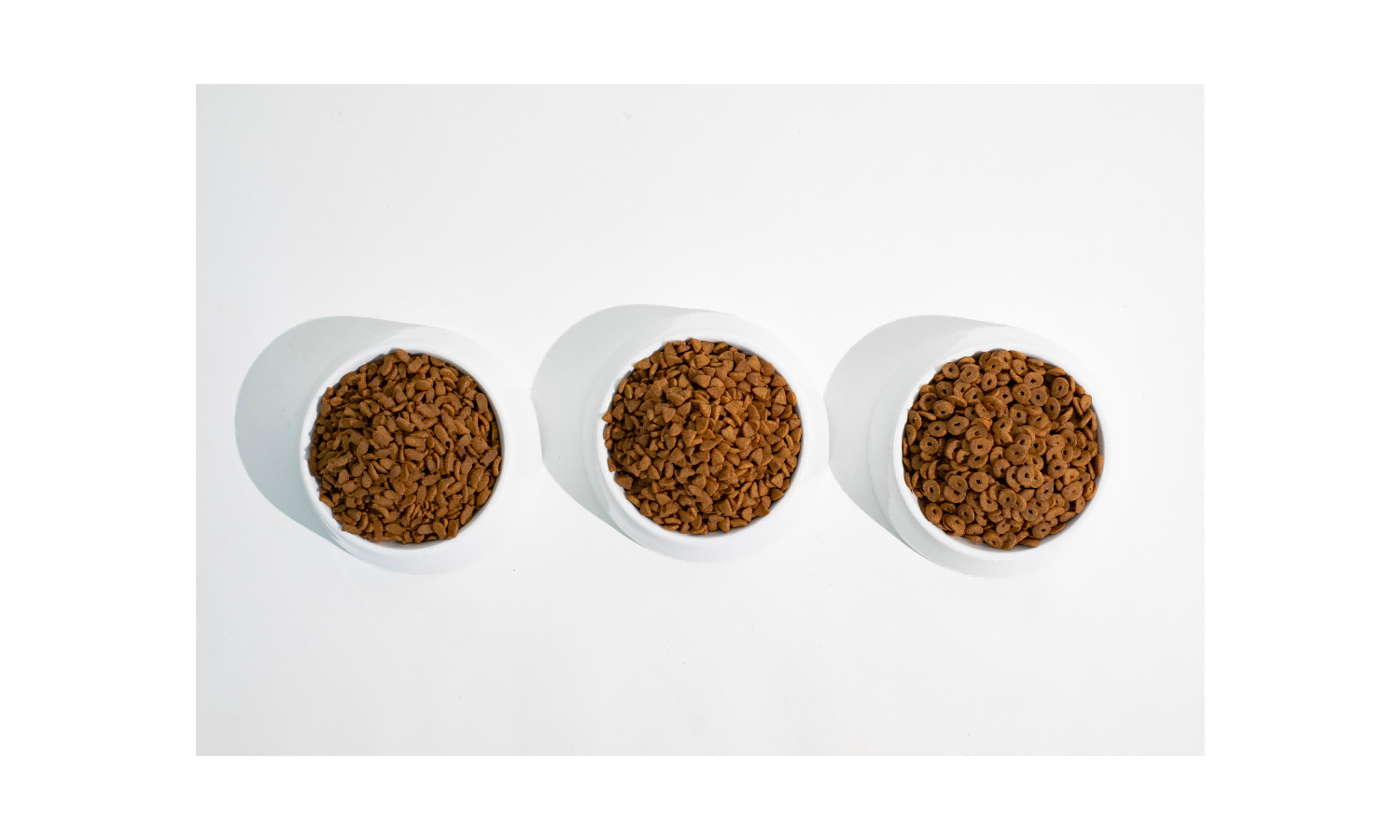
Dehydrated Pet Food Powder: The Complete Guide for Pet Food Manufacturers
As pet owners continue to seek healthier, more natural nutrition for their dogs and cats, manufacturers are under increasing pressure to develop products that combine convenience, nutrition, and exceptional palatability. One ingredient gaining significant attention is dehydrated pet food powder.
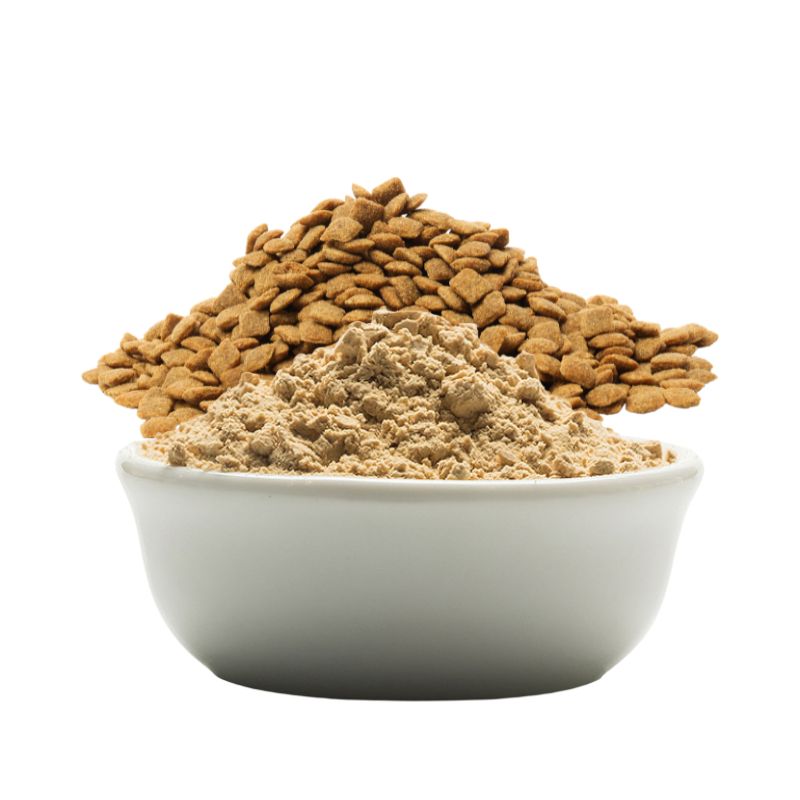
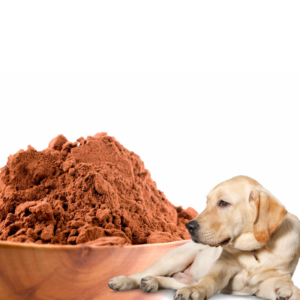
Unlike traditional meat meals or fresh ingredients, dehydrated pet food powder offers a concentrated source of animal protein, natural flavor, and nutrients while providing excellent shelf stability. It has become a valuable ingredient in dry kibble, freeze-dried diets, treats, toppers, functional supplements, and pet food palatants.
This guide explains everything manufacturers need to know about dehydrated pet food powder—from production methods and applications to sourcing considerations and quality standards.
What Is Dehydrated Pet Food Powder?
Dehydrated pet food powder is produced by removing moisture from fresh animal-based ingredients such as:
- Chicken
- Beef
- Duck
- Fish
- Turkey
- Lamb
- Liver
- Seafood
The dehydration process preserves valuable proteins, amino acids, vitamins, minerals, and natural flavors while reducing moisture to improve shelf life and transportation efficiency.
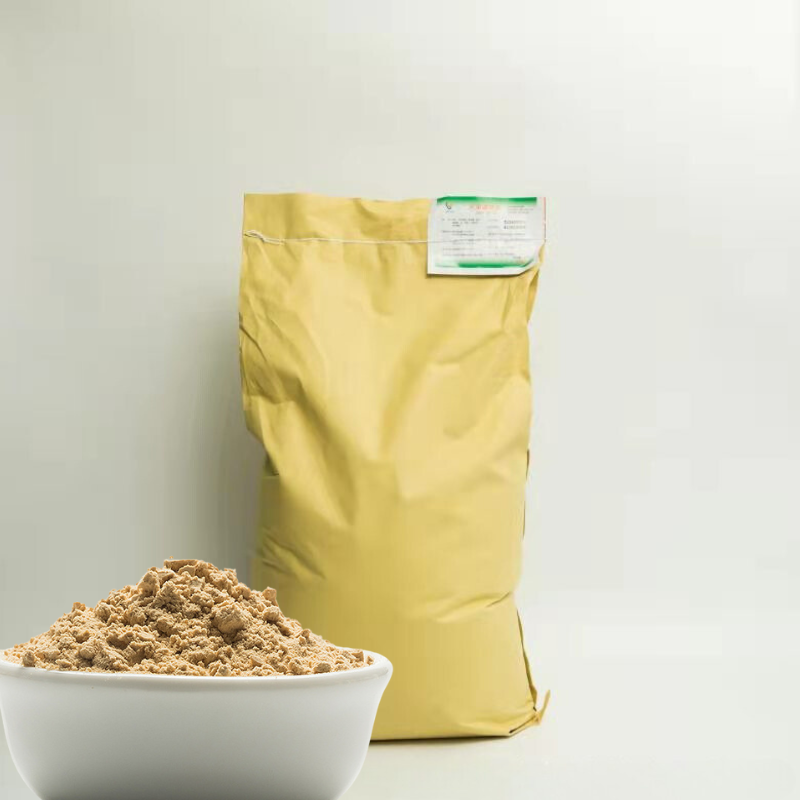
The resulting fine powder can be incorporated into various pet food formulations, making it an ideal ingredient for both nutritional enhancement and flavor improvement.
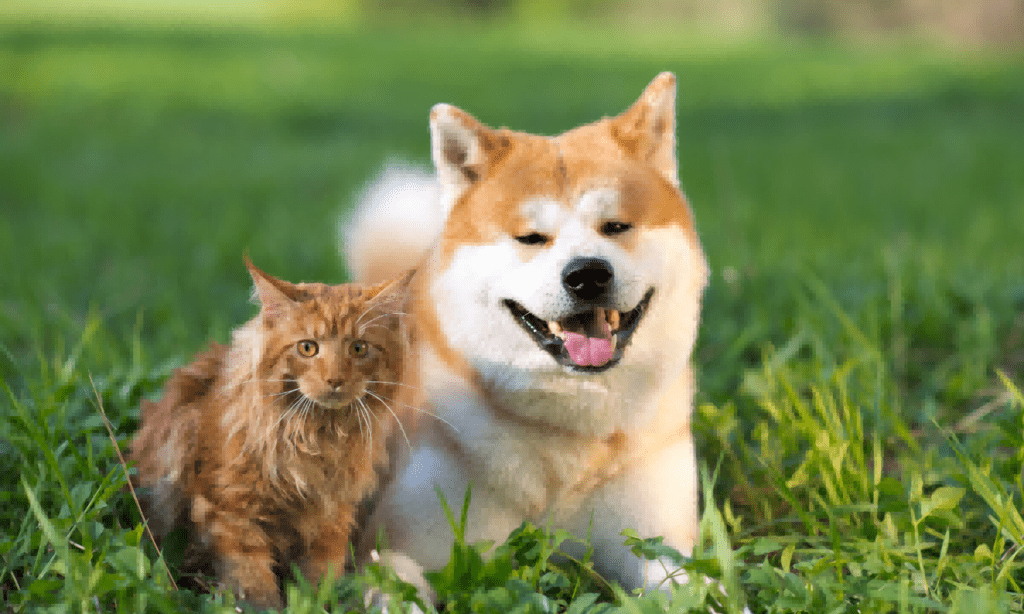
Why More Pet Food Brands Are Choosing Dehydrated Powders
Modern pet food manufacturers are moving toward minimally processed ingredients that provide both functional and marketing advantages.
Key benefits include:
Excellent Nutrient Retention
Compared with high-temperature rendering, carefully controlled dehydration helps retain more:
- Essential amino acids
- Natural meat aroma
- Vitamins
- Bioactive compounds
This contributes to better nutritional quality and enhanced palatability.
Longer Shelf Life
With significantly reduced moisture content, dehydrated pet food powder offers:
- Lower microbial risk
- Better storage stability
- Reduced spoilage
- Lower transportation costs
This makes it suitable for international distribution.
Highly Concentrated Nutrition
Because water has been removed, nutrients become more concentrated.
Manufacturers can formulate products with:
- Higher protein density
- Better ingredient consistency
- Improved formulation flexibility
Natural Flavor Enhancement
Many dehydrated meat powders retain their original meat aroma.
They are widely used in:
- Premium kibble
- Wet food
- Freeze-dried treats
- Functional toppers
- Pet food palatants
The natural aroma often improves feed acceptance without relying heavily on artificial flavorings.
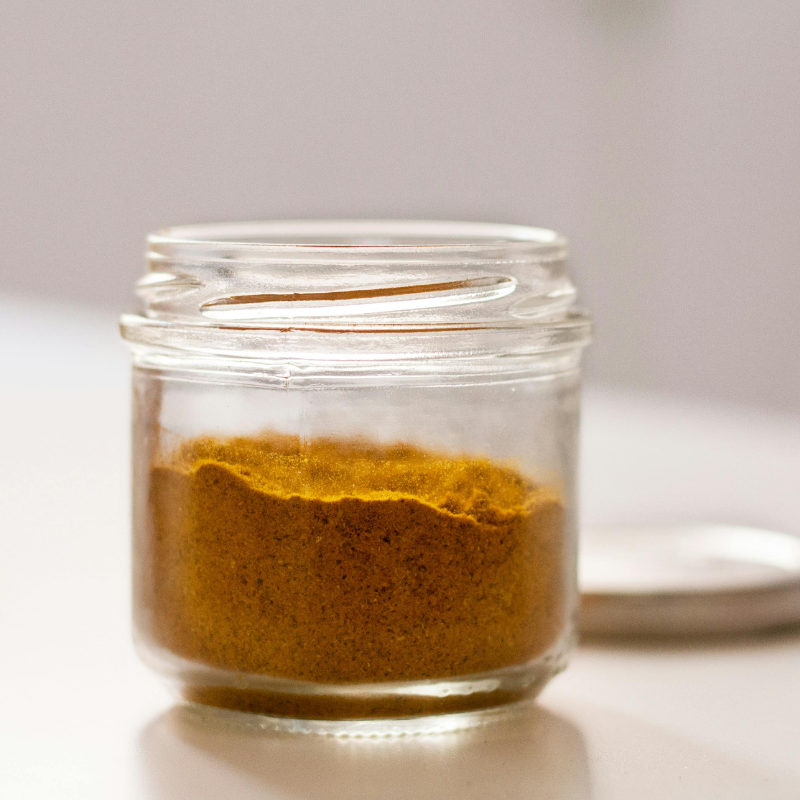
Common Types of Dehydrated Pet Food Powder
Different protein sources provide different nutritional and sensory characteristics.
Chicken Powder
One of the most widely used options due to its balanced nutrition, mild flavor, and excellent digestibility.
Suitable for:
- Puppy food
- Adult dog food
- Cat food
- Functional treats
Chicken Liver Powder
Rich in:
- Vitamin A
- Iron
- Natural umami compounds
Often used to improve palatability.
Fish Powder
Provides:
- Marine proteins
- Omega fatty acids
- Strong natural aroma
Frequently used in premium cat foods.
Beef Powder
Offers a robust meat flavor suitable for:
- High-protein dog food
- Training treats
- Freeze-dried snacks
Duck Powder
Often selected for limited-ingredient diets and premium recipes.
How Is Dehydrated Pet Food Powder Manufactured?
Quality depends heavily on processing technology.
A typical production process includes:
1. Raw Material Selection
Only high-quality animal ingredients should be used.
Strict supplier qualification helps ensure:
- Traceability
- Food safety
- Consistent nutrition
2. Cleaning and Preparation
Ingredients are trimmed, inspected, and prepared before processing.
3. Controlled Dehydration
Different technologies may include:
- Low-temperature dehydration
- Hot-air drying
- Vacuum drying
- Spray drying (for liquid ingredients)
- Freeze drying
The objective is to preserve nutrients while reducing moisture efficiently.
4. Grinding
The dried material is milled into a uniform powder suitable for blending.
5. Quality Inspection
Professional manufacturers test for:
- Moisture
- Protein
- Fat
- Ash
- Microbiology
- Heavy metals
- Particle size
6. Packaging
Moisture-proof packaging maintains product stability during storage and transportation.
Applications of Dehydrated Pet Food Powder
Its versatility makes it useful across many product categories.
Dry Pet Food
Used to increase:
- Protein content
- Meat flavor
- Product consistency
Freeze-Dried Pet Food
Adds nutritional value while maintaining natural positioning.
Pet Treats
Widely used in:
- Soft chews
- Dental treats
- Biscuits
- Freeze-dried snacks
Functional Supplements
Suitable for products targeting:
- Joint health
- Skin and coat
- Immune support
- Digestive health
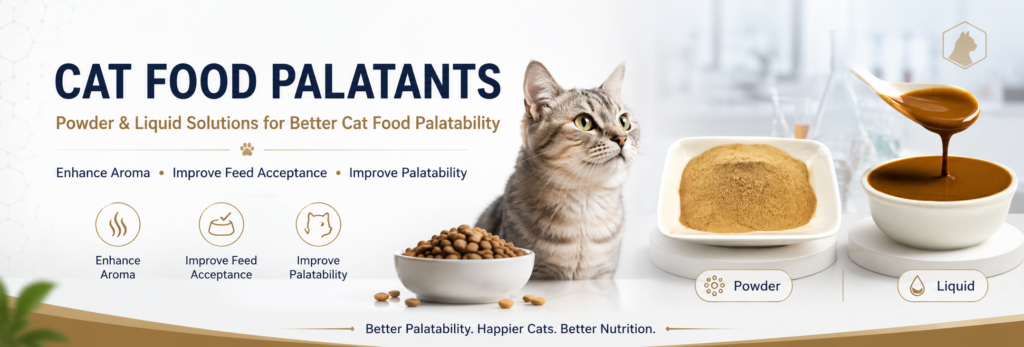
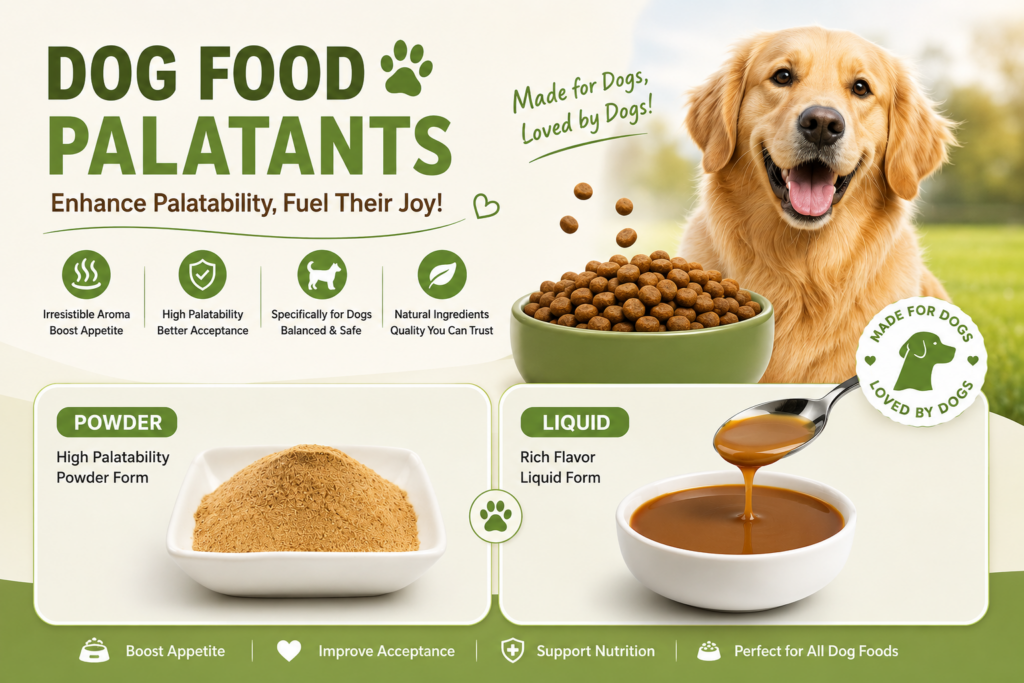
Pet Food Palatants
Many manufacturers incorporate dehydrated meat powder into dry or liquid palatant systems to improve kibble acceptance.
Dehydrated Powder vs. Meat Meal
Although these ingredients may appear similar, there are important differences.
| Feature | Dehydrated Pet Food Powder | Traditional Meat Meal |
|---|---|---|
| Processing | Gentle dehydration | High-temperature rendering |
| Flavor | Better natural aroma | Often reduced |
| Nutrient retention | Higher | Moderate |
| Premium positioning | Excellent | Standard |
| Palatability | High | Moderate |
For premium pet food brands, dehydrated powders are often preferred when natural ingredient claims and superior taste are priorities.
What to Look for in a Supplier
Choosing the right ingredient supplier is just as important as selecting the ingredient itself.
Consider suppliers that offer:
- Stable raw material sourcing
- Complete traceability
- Consistent production batches
- Third-party laboratory testing
- OEM and custom formulation support
- Global export experience
- Food safety certifications
Reliable manufacturers should also provide technical assistance for formulation optimization.
Quality Standards That Matter
Professional pet food manufacturers typically evaluate:
- Protein content
- Moisture level
- Fat percentage
- Particle size
- Microbiological safety
- Heavy metal compliance
- Shelf-life stability
Consistent quality ensures stable production and customer satisfaction.
Future Trends
Demand for dehydrated pet food powder continues to grow because consumers increasingly prefer products made with recognizable, natural ingredients.
Key market trends include:
- Higher meat inclusion rates
- Clean-label formulations
- Functional nutrition
- Premium freeze-dried diets
- Natural palatability enhancement
- Customized protein blends
Manufacturers investing in high-quality dehydrated ingredients are well positioned to meet evolving consumer expectations.
Frequently Asked Questions
Is dehydrated pet food powder the same as meat meal?
No. Dehydrated powder is generally produced using gentler drying methods that better preserve natural nutrients and aroma, whereas meat meal is typically produced through high-temperature rendering.
Can dehydrated pet food powder improve palatability?
Yes. High-quality dehydrated meat powders retain natural meat aromas that can significantly improve feed acceptance, especially when combined with pet food palatants.
Which pets can consume dehydrated meat powder?
It can be formulated into products for both dogs and cats, depending on the protein source and nutritional formulation.
Is dehydrated pet food powder suitable for freeze-dried treats?
Absolutely. It is commonly used to enhance protein levels, flavor, and nutritional value in freeze-dried products.
Can manufacturers customize protein sources?
Yes. Many OEM ingredient suppliers provide customized formulations using chicken, beef, fish, duck, turkey, lamb, liver, or mixed protein sources.
Conclusion
Dehydrated pet food powder has become an essential ingredient for modern pet food manufacturing. It combines concentrated nutrition, natural flavor, long shelf life, and excellent formulation flexibility, making it suitable for premium kibble, treats, toppers, supplements, and palatants.
For brands seeking consistent quality and customized ingredient solutions, partnering with an experienced manufacturer can help accelerate product development while maintaining high standards of safety and performance.
Request Samples
Looking for a reliable OEM supplier of dehydrated pet food powder?
Profypet offers customized dehydrated meat powders, pet food palatants, and ingredient solutions tailored to your formulations. Contact our technical team today to request samples and discuss your next pet food project.