Flavor Enhancer for Cat Food: How Manufacturers Improve Palatability
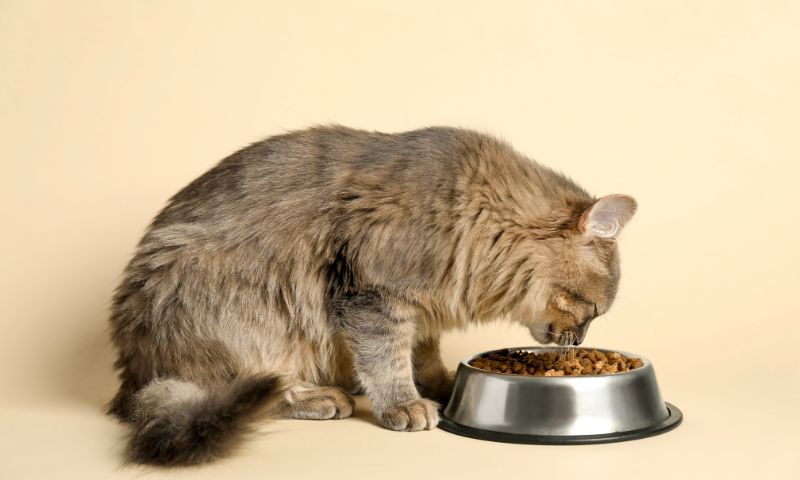
Cats can be highly selective eaters. A formula may meet its nutritional specifications and still perform poorly if its aroma, taste, texture, or aftertaste does not match feline preferences. For cat food manufacturers, this makes palatability an important part of product development rather than a final cosmetic adjustment.
A suitable flavor enhancer for cat food can strengthen the aroma released when the package is opened, encourage the cat to approach the food, and support continued consumption after the first bite. However, good performance depends on more than choosing the strongest-smelling ingredient. The base formula, protein source, fat quality, processing conditions, coating method, packaging, and shelf life all affect the result.
This guide explains how cat food flavor enhancers work, the differences between liquid and powder palatants, and how manufacturers can select, apply, and test them in commercial formulas.
What Is a Flavor Enhancer for Cat Food?
A flavor enhancer for cat food is an ingredient or formulated palatant used to improve the food’s sensory appeal. Depending on its composition and application, it may contribute:
- Meat, liver, poultry, or fish aroma
- Savory and umami taste
- Amino acids and small peptides
- Better masking of bitter or metallic notes
- Improved surface flavor on dry kibble
- More consistent acceptance between production batches
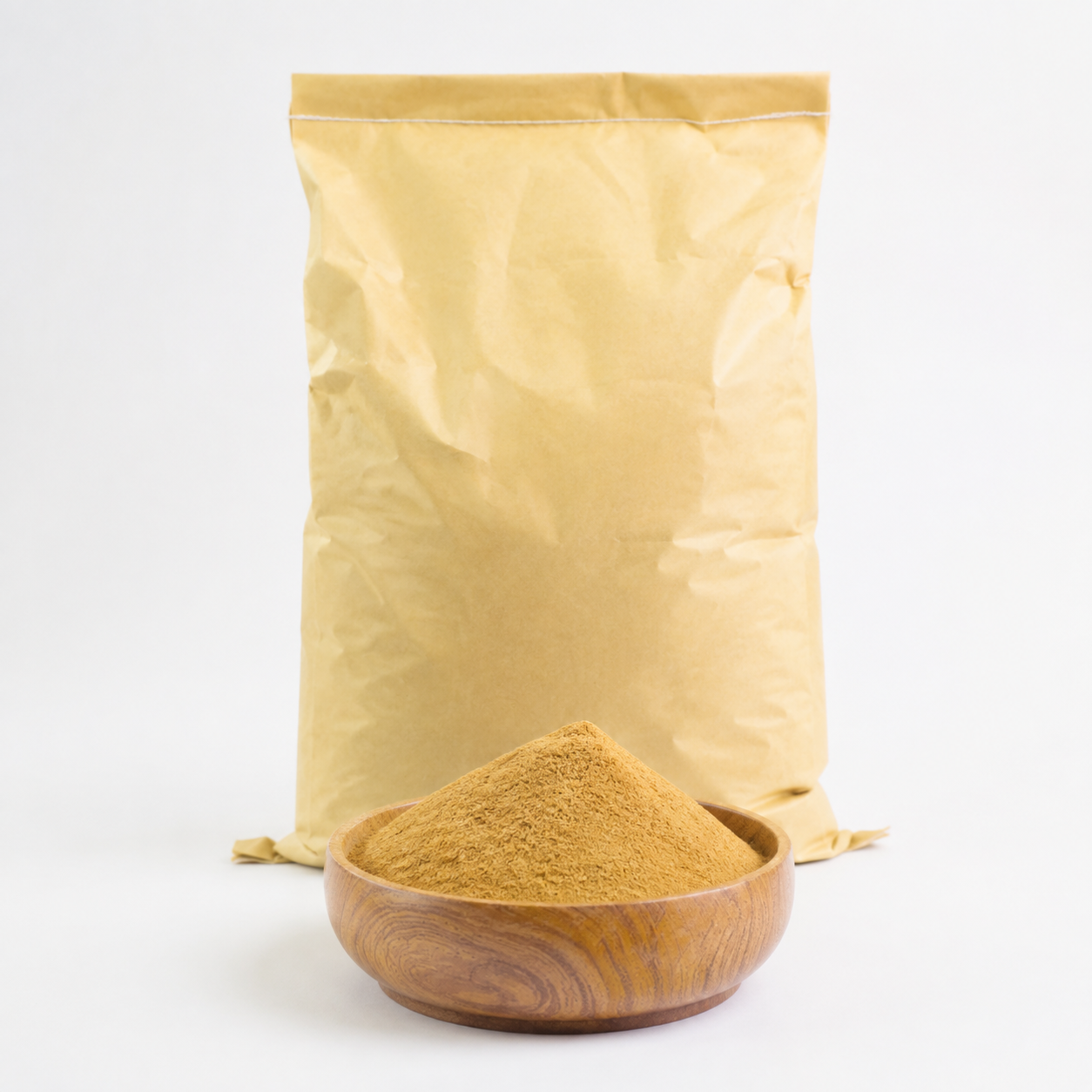
In the pet food industry, the terms cat food palatant, cat food attractant, and cat food palatability enhancer are often used for products serving a similar purpose. These are formulation ingredients, not veterinary appetite-stimulating drugs. A palatant is designed to improve the appeal of the food itself; it is not intended to treat a cat that has stopped eating because of illness.
Why Cat Food Palatability Is Difficult to Control
Cats do not evaluate food in the same way humans or dogs do. As obligate carnivores, they are strongly influenced by animal-derived aroma and taste signals. At the same time, individual cats can develop distinct preferences based on their feeding history.
Several characteristics make feline palatability especially demanding.
Aroma determines the first approach
Before a cat tastes the food, it evaluates volatile aromas released from meat ingredients, fats, hydrolysates, and surface coatings. If the aroma is weak, stale, oxidized, or unfamiliar, the cat may walk away without taking a bite.
Taste must support continued eating
An attractive opening aroma may encourage first choice, but it does not guarantee full consumption. Amino acids, peptides, animal proteins, fats, minerals, and reaction flavors influence what happens after the cat starts eating. A formula with an appealing smell but a bitter or unbalanced taste can produce strong first choice and poor intake.
Texture and mouthfeel matter
Kibble size, hardness, density, shape, surface roughness, and fat level can affect chewing behavior. In wet food, viscosity, meat particle size, gravy distribution, and serving temperature may change acceptance even when the flavor system remains the same.
Cats can show neophobia or monotony
Some cats resist unfamiliar aromas, while others lose interest after repeated exposure. This is why a single short preference test cannot fully predict long-term product performance.
How Cat Food Flavor Enhancers Work
An effective palatability system supports several stages of the eating experience.
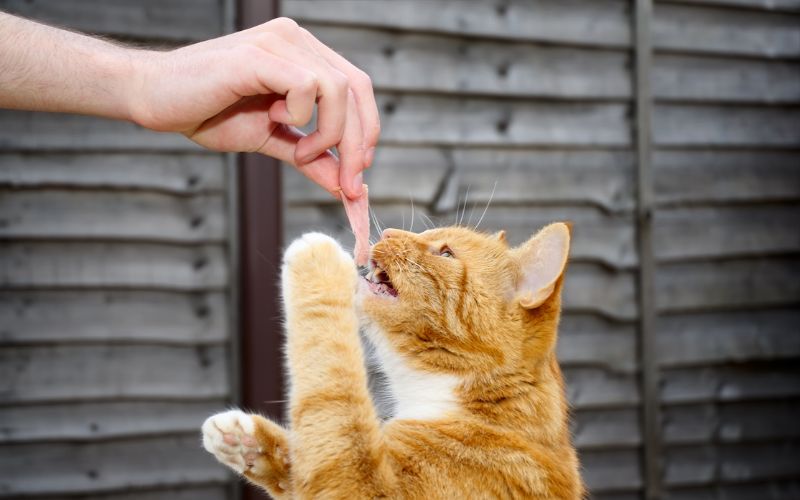
1. Initial attraction
Volatile aroma compounds help the cat detect and investigate the food. Liquid palatants and fresh fats often play an important role at this stage because they provide broad surface coverage and release aroma readily.
2. First bite
Surface-applied flavor compounds create an immediate taste impact. Powder palatants can be especially useful because they remain concentrated on the outer layer of dry kibble.
3. Continued consumption
Savory compounds, amino acids, peptides, fats, and balanced aftertaste can help maintain interest beyond the first few bites. A flavor enhancer should therefore be evaluated by total intake, not aroma strength alone.
4. Repeat feeding
The finished food must remain appealing over several meals and throughout its intended shelf life. Oxidation, moisture migration, packaging permeability, and aroma loss can reduce performance after production.
Common Types of Flavor Enhancers for Cat Food
The right format depends on the food type, processing line, desired performance, and cost target.
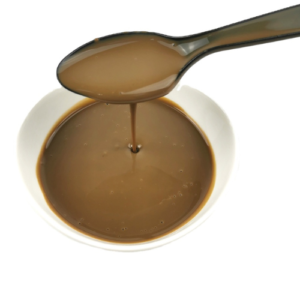
Liquid cat food palatants
Liquid palatants are commonly sprayed onto dry kibble after extrusion, drying, and cooling. Their advantages include:
- Uniform surface coverage
- Effective aroma distribution
- Compatibility with continuous coating systems
- Easy combination with fat and powder palatants
- Flexible dosage adjustment during production trials
Liquid products may use hydrolyzed poultry, chicken liver, fish, or mixed animal protein profiles. Viscosity, pumpability, spray temperature, and nozzle performance should be checked before full-scale use.
Powder cat food palatants
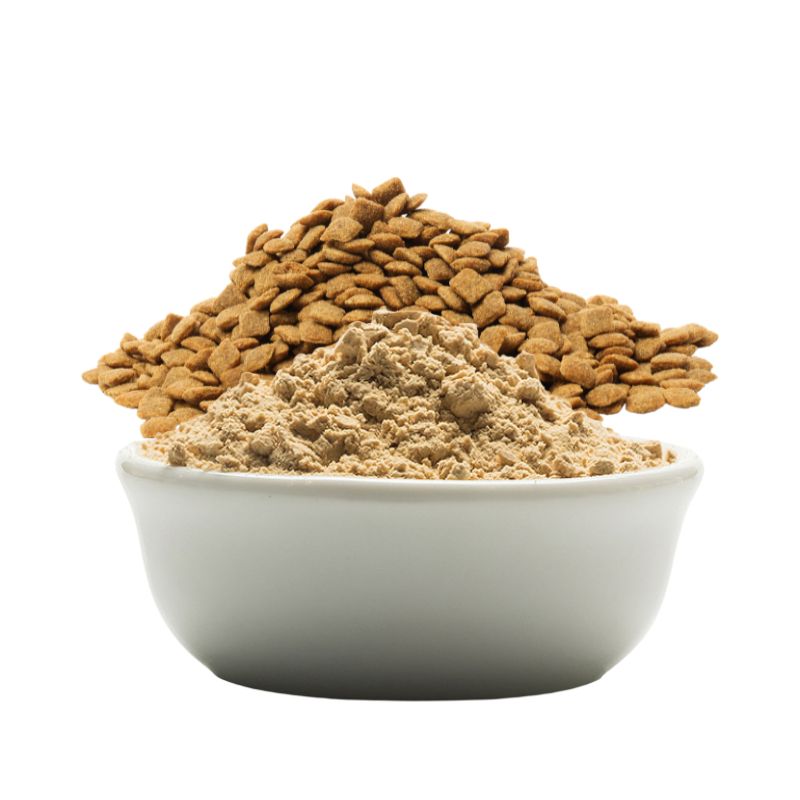
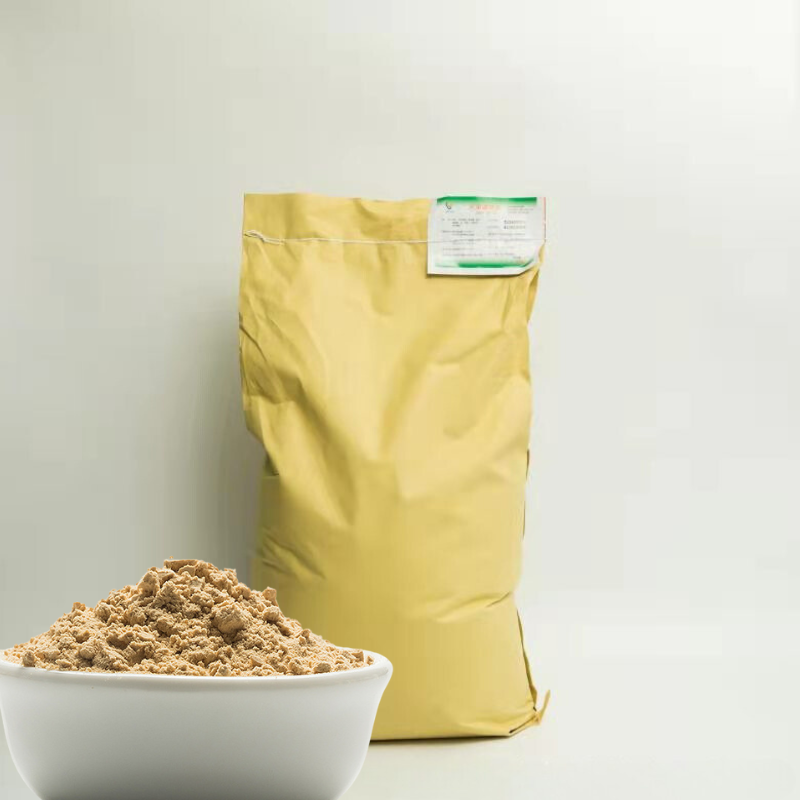
Powder palatants are typically applied as the final surface layer on dry food. They can provide concentrated flavor impact and complement the aroma coverage of a liquid product.
Their performance depends on particle size, flowability, adhesion, kibble surface oil, mixing time, and coating uniformity. Excessive handling after application may cause powder loss and reduce consistency.
Hydrolyzed chicken liver
Hydrolyzed chicken liver is widely used in pet food flavor systems. Enzymatic hydrolysis breaks proteins into smaller peptides and amino acids, creating a savory animal-protein profile that can support feline acceptance.
Its performance is influenced by raw material freshness, degree of hydrolysis, solids content, aroma profile, preservation system, and interaction with the base formula. A chicken liver hydrolysate that works well in one kibble may not deliver the same result in a fish-based or high-mineral formula, so application testing remains essential.
Fish and poultry flavor profiles
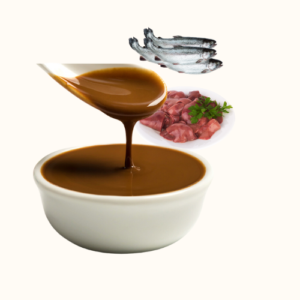
Fish aromas may be suitable for formulas positioned around tuna, salmon, or marine protein, while poultry profiles can support chicken- and liver-led recipes. A chicken-and-fish combination may provide broader sensory complexity for some dry cat foods.
The flavor named on the package and the palatant profile do not always need to be identical, but the finished aroma should be coherent and acceptable to both cats and their owners.
Yeast, reaction flavors, and supporting ingredients
Yeast derivatives, Maillard reaction products, fats, amino acids, and other savory ingredients may be incorporated into a complete palatant system. Their purpose may include strengthening umami character, balancing undesirable notes, or improving flavor persistence.
Manufacturers should evaluate the complete ingredient declaration, regulatory status, stability, and effect on nutrition rather than selecting a product solely by smell.
Liquid vs. Powder Palatants for Cat Food
| Factor | Liquid Palatant | Powder Palatant |
|---|---|---|
| Main contribution | Surface coverage and aroma distribution | Concentrated surface taste and flavor impact |
| Typical application | Sprayed after fat coating | Applied as the final coating layer |
| Equipment considerations | Pumps, tanks, temperature, viscosity, nozzles | Dosing accuracy, dust control, flowability, adhesion |
| Main production risk | Uneven spray or blocked nozzles | Powder loss or poor surface adhesion |
| Best use | Used alone or as part of a layered system | Commonly paired with liquid palatant for stronger performance |
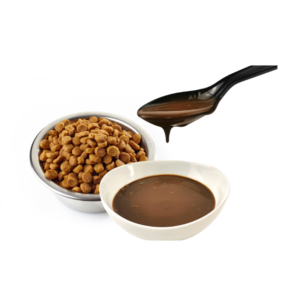
For many dry cat food formulas, using both formats can produce a more complete sensory effect than relying on either one alone. The liquid contributes coverage and aroma, while the powder provides a concentrated final surface layer.
How to Apply a Flavor Enhancer to Dry Cat Food
For dry kibble, the usual coating sequence is:
- Apply fat to cooled kibble. Fat supports mouthfeel, aroma release, and powder adhesion.
- Spray the liquid palatant. Control product temperature, viscosity, spray pattern, and coverage.
- Apply the powder palatant. Add it as the final layer and mix gently enough to maintain adhesion.
This sequence is a practical starting point, not a universal rule. Vacuum coating systems, high-fat formulas, porous kibble, and specialized equipment may require a different process.
Key production variables include:
- Kibble temperature at coating
- Surface moisture and porosity
- Fat type and inclusion level
- Liquid palatant viscosity
- Spray nozzle pressure and pattern
- Powder feeding accuracy
- Drum speed and residence time
- Coating loss during conveying and packaging
Samples should be collected from the beginning, middle, and end of a production run. This helps determine whether the flavor enhancer is distributed consistently across the batch.
Suggested Starting Dosages
The following ranges can be used as initial trial points for some dry cat food applications:
| Palatant Format | General Trial Range |
|---|---|
| Powder palatant | Approximately 1%–2% |
| Liquid or paste palatant | Approximately 4%–6% |
These values are not fixed recommendations for every product. Palatant concentration, moisture, solids content, kibble composition, fat level, equipment, target market, and cost requirements can all change the optimum dosage.
A well-designed dosage study should compare several inclusion levels. Increasing the dosage does not always improve intake, and the highest-performing level may not provide the best cost-to-performance ratio.
Selecting a Flavor Enhancer for Different Cat Food Formats
Dry cat food
Dry food usually benefits from a surface-focused palatability system. The palatant must adhere well, withstand packaging and transportation, and remain stable during storage. A liquid-and-powder combination is often evaluated when stronger performance is required.
Wet cat food
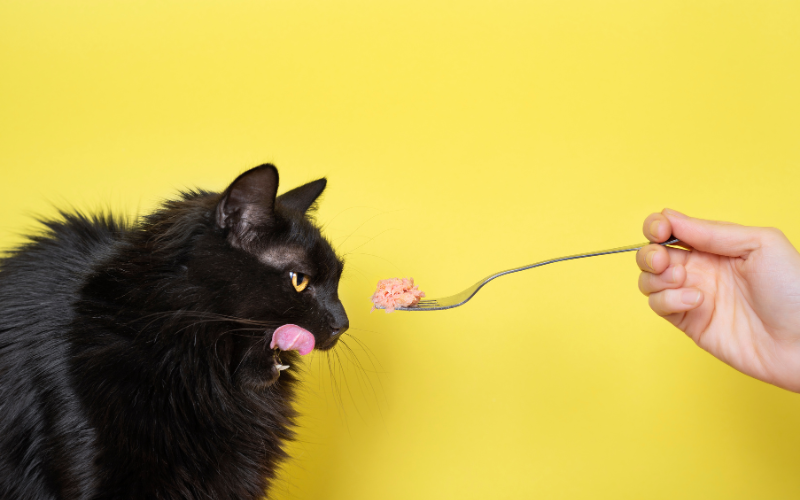
In wet food, the flavor enhancer may be blended into the meat phase, gravy, broth, or sauce before retorting. The supplier should confirm whether the product can tolerate the intended thermal process. Retort conditions may change aroma, color, flavor, or peptide profile.
The palatant should also be assessed in the complete product because gums, minerals, fats, moisture, and meat particles influence aroma release and mouthfeel.
Semi-moist food and treats
Semi-moist products require attention to water activity, humectants, preservatives, and texture. A palatant must remain compatible with the product’s moisture-control system and intended shelf life.
A Practical Palatability Testing Process
Manufacturers can reduce development time by using a controlled testing plan.
Step 1: Define the performance target
Decide whether the goal is to improve first choice, total intake, repeated consumption, or performance against a market benchmark. These targets require different interpretations of the test data.
Step 2: Keep the base formula constant
Compare palatants using the same kibble batch whenever possible. If the protein source, fat, extrusion settings, and palatant all change at once, it becomes difficult to identify the reason for the result.
Step 3: Prepare controlled dosage variants
Test several inclusion levels and record actual coating recovery. A laboratory coating that performs well should then be validated using production equipment.
Step 4: Run feeding trials
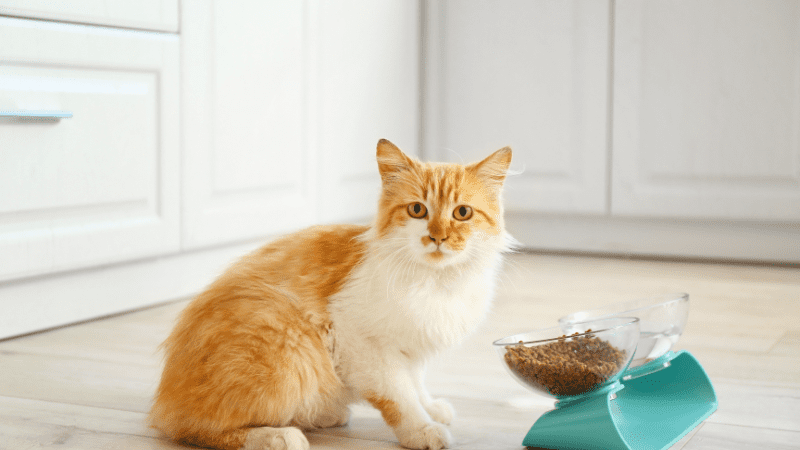
A two-bowl test can compare a trial formula against a control or benchmark. Common measurements include:
- First bowl approached
- First food tasted
- Intake of each food
- Intake ratio
- Total consumption
- Eating speed
- Refusal or interruption behavior
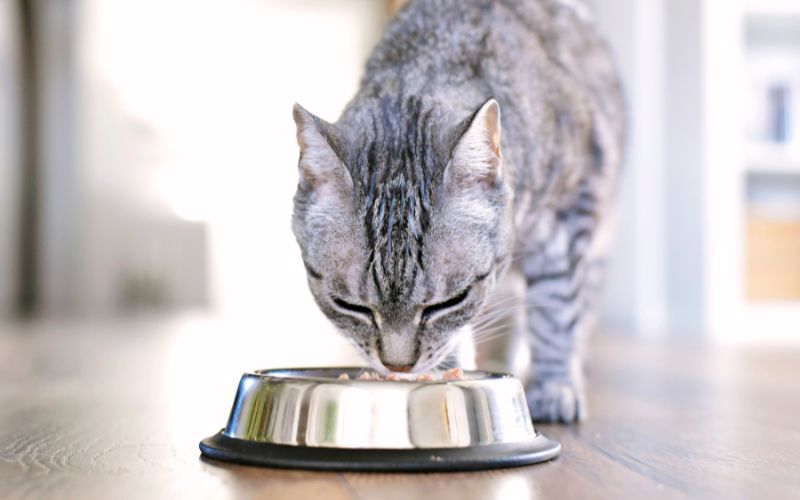
A one-bowl acceptance test can also help determine whether a single product reaches an acceptable consumption level without a direct competitor.
Step 5: Repeat the evaluation
Test over multiple meals or days when the product requires dependable long-term acceptance. One strong first-choice result should not be treated as proof of sustained preference.
Step 6: Confirm shelf-life performance
Evaluate freshly produced food and stored samples. Packaging barrier, oxygen exposure, fat oxidation, moisture change, and aroma loss can all alter palatability during distribution.
Why a Cat Food Flavor Enhancer May Not Work
When a palatant does not deliver the expected improvement, the problem may lie outside the flavor product itself.
Oxidized fat or raw materials
Rancid or stale notes can reduce acceptance and cannot always be covered by a higher palatant dosage. Fat freshness, antioxidants, storage conditions, and packaging should be checked first.
Bitter functional ingredients
Minerals, botanical materials, some supplements, and certain protein ingredients may create bitter, metallic, or astringent notes. The flavor system must be tested in the real formula rather than in a neutral laboratory base.
Poor coating uniformity
Blocked nozzles, unstable liquid temperature, inaccurate powder feeding, or insufficient mixing can produce large differences within one batch.
Incompatible aroma profile
A strong aroma is not automatically attractive. The flavor profile must fit the target cats, base protein, product positioning, and feeding history.
Excessive dosage
Adding more palatant can create an overpowering aroma, unbalanced taste, sticky kibble surface, poor powder adhesion, or unnecessary cost. Dose-response testing is more reliable than assuming that more is better.
Aroma loss during storage
Even a successful fresh sample may decline if the package allows oxygen or volatile compounds to pass through. Finished-product evaluation should include the intended packaging format.
How to Choose a Cat Food Palatant Supplier
A suitable supplier should help solve a formulation problem, not simply provide a flavor sample. When comparing suppliers, cat food manufacturers should ask about:
- Liquid, powder, and combined palatant options
- Poultry, liver, fish, and mixed-protein profiles
- Product specifications and batch controls
- Recommended trial dosages
- Coating and processing support
- Heat stability for wet food applications
- Shelf-life and storage requirements
- Regulatory documents for the destination market
- Sample availability and technical response time
- Support for comparative palatability trials
- Cost-in-use at the effective dosage
Consistency is as important as peak performance. A palatant that wins one trial but varies between batches can create consumer complaints and complicate production control.
ProfyPet Flavor Enhancers for Cat Food
ProfyPet supplies liquid and powder palatability solutions for dry, wet, and semi-moist pet food. Available flavor directions include chicken liver, poultry, fish, and combined profiles for different formula and price requirements.
For dry cat food, ProfyPet can help manufacturers evaluate a liquid-and-powder coating system based on the actual kibble, fat level, equipment, benchmark product, and target market. Technical evaluation can include:
- Selection of a suitable flavor profile
- Initial dosage planning
- Coating sequence and process review
- Comparison with an existing palatant
- Cost-to-performance evaluation
- Sample and feeding-trial planning
The most reliable way to choose a flavor enhancer for cat food is to test it in the real base formula under controlled conditions. This reveals not only which product produces the strongest response, but also which option delivers stable performance at a commercially practical dosage.
Frequently Asked Questions
What is the best flavor enhancer for cat food?
There is no single best option for every formula. The ideal flavor enhancer depends on the base protein, fat, mineral level, processing method, target cats, desired flavor direction, and cost target. Controlled feeding trials are necessary to select the best-performing system.
Is hydrolyzed chicken liver suitable for cat food?
Hydrolyzed chicken liver can provide animal-derived peptides, amino acids, and savory flavor compounds that support palatability. Its performance should be confirmed in the finished formula because raw materials and processing conditions affect the result.
Can liquid and powder palatants be used together?
Yes. In dry cat food, a liquid palatant can support aroma distribution and surface coverage, while a powder palatant provides concentrated surface flavor. Many manufacturers test the combination when one format alone does not reach the target performance.
When should a cat food palatant be added?
For dry kibble, palatants are commonly applied after extrusion, drying, and cooling. A typical sequence is fat first, liquid palatant second, and powder palatant last. For wet food, the application point depends on the recipe and retort process.
How much flavor enhancer should be added to cat food?
As general trial starting points, some powder palatants may be evaluated at approximately 1%–2%, while certain liquid or paste products may be tested at around 4%–6%. Always follow the product specification and confirm the final dosage through production and feeding trials.
Can a palatant fix every cat food acceptance problem?
No. Oxidized fat, poor-quality raw materials, excessive bitterness, unsuitable texture, uneven coating, or weak packaging can all reduce acceptance. The complete formulation and production process should be reviewed before increasing palatant dosage.
Conclusion
A flavor enhancer for cat food can improve initial attraction, first-bite response, and continued intake, but its performance depends on the complete product system. Ingredient quality, fat freshness, kibble structure, coating uniformity, processing, packaging, and shelf life must all be controlled.
For dry cat food, liquid and powder palatants can be used as complementary layers. For wet and semi-moist products, processing stability and matrix compatibility become especially important. In every case, controlled feeding trials provide stronger evidence than aroma strength alone.
Looking for a cat food flavor enhancer for your formulation?
Contact ProfyPet to request product information and samples. Share your cat food format, protein source, current palatant, coating process, target market, and desired performance level. Our team will recommend a suitable liquid, powder, or combined palatability solution for evaluation.