Cat Food Palatability Enhancer
Improving Acceptance, Intake, and Product Performance in Modern Pet Food
In the highly competitive pet food industry, nutrition alone is not enough. Even the most scientifically balanced formula will fail commercially if cats refuse to eat it. This is why cat food palatability enhancers have become a critical component in modern pet food formulation, especially for wet food, dry kibble, and liquid applications.
For pet food palatant wholesalers, pet food manufacturers, and pet food factories, understanding how palatability enhancers work—and how to select the right supplier—is essential to developing successful, repeat-purchase products.
This article provides a professional overview of cat food palatability, the role of cat food flavor enhancers, and how palatability enhancers for pet food are used as functional pet food ingredients and feed additives.
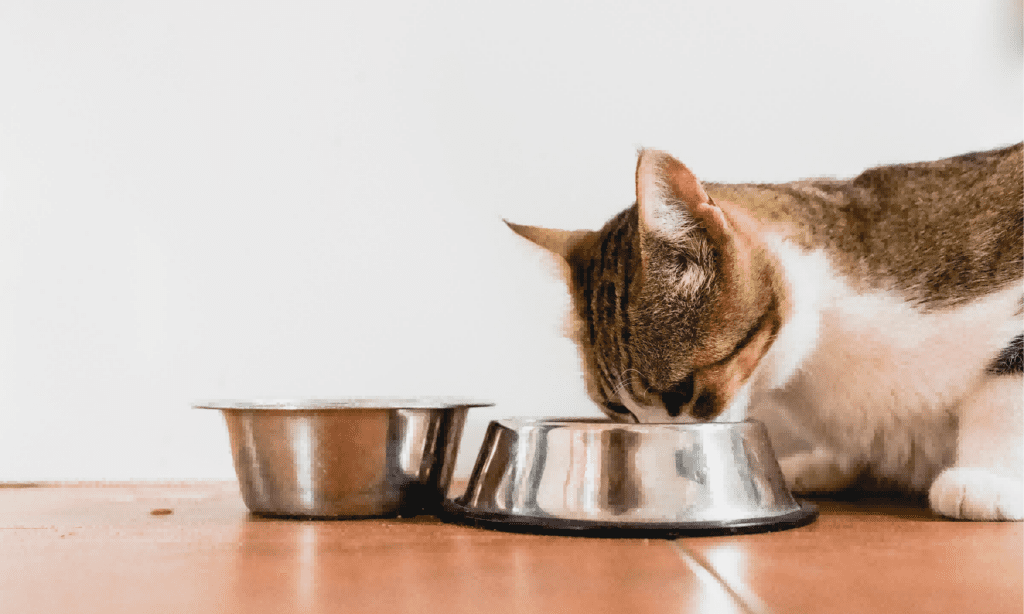
What Is Cat Food Palatability?
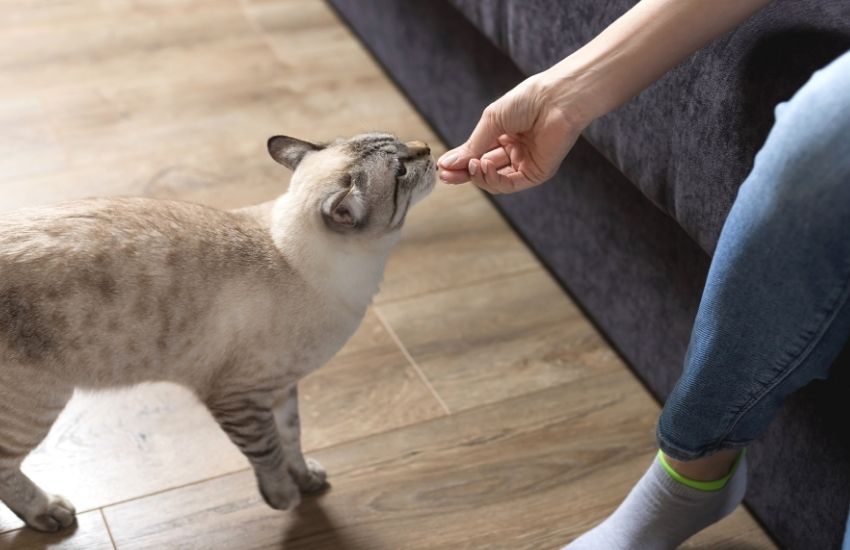
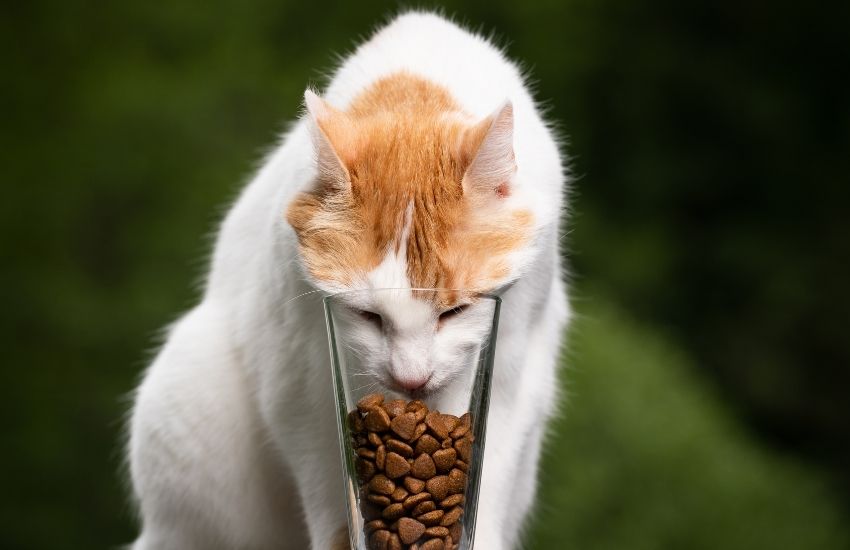
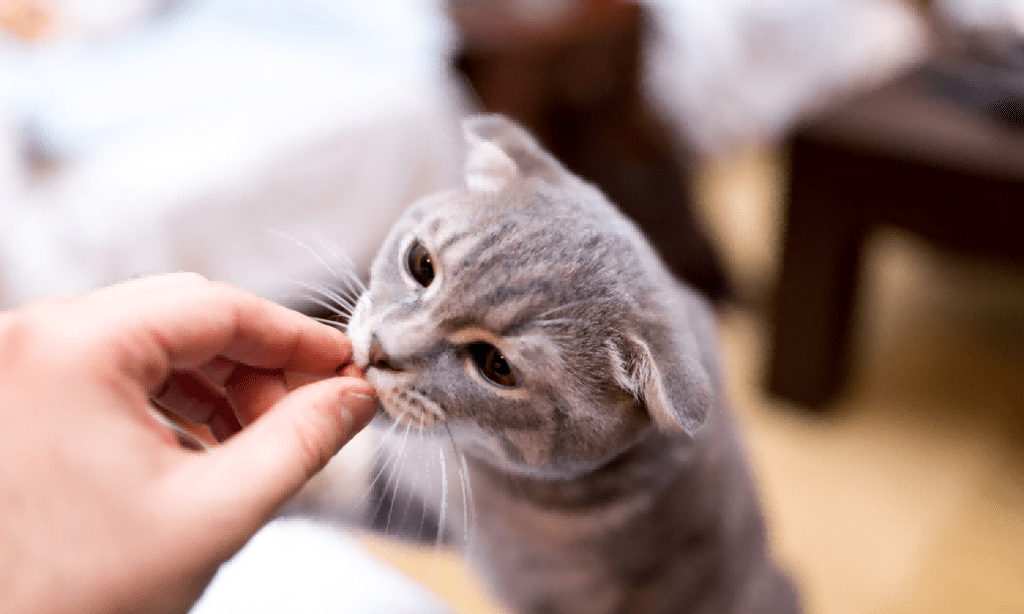
Cat food palatability refers to how willingly and enthusiastically cats consume a product. It is typically evaluated through:
- First-bite acceptance
- Speed of consumption
- Total intake volume
- Repeat feeding behavior
Cats are highly selective eaters. Unlike dogs, they rely heavily on aroma and flavor complexity, not just hunger. Small changes in formulation—especially in protein source, processing method, or functional additives—can dramatically impact acceptance.
This is where a cat food palatability enhancer becomes indispensable.
Why Cat Food Flavor Enhancers Are Essential
Aroma-Driven Feeding Behavior in Cats
Cats make feeding decisions primarily based on smell. If a product does not release an attractive aroma immediately, it may be rejected—even if nutritionally complete.
A cat food flavor enhancer is designed to:
- Strengthen meaty and umami aroma notes
- Improve flavor perception at low inclusion rates
- Deliver consistent sensory performance across batches
This is particularly important in:
- High-protein formulas
- Functional or veterinary diets
- Reduced-fat or novel-protein recipes
Palatability Challenges in Modern Pet Food
Today’s pet food formulations often include ingredients that negatively affect taste, such as:
- Vitamins and minerals
- Taurine and amino acids
- Herbal extracts
- Functional actives
- Plant-based proteins
A palatability enhancer for pet food helps mask bitterness, metallic notes, and off-odors while maintaining a clean, natural sensory profile.
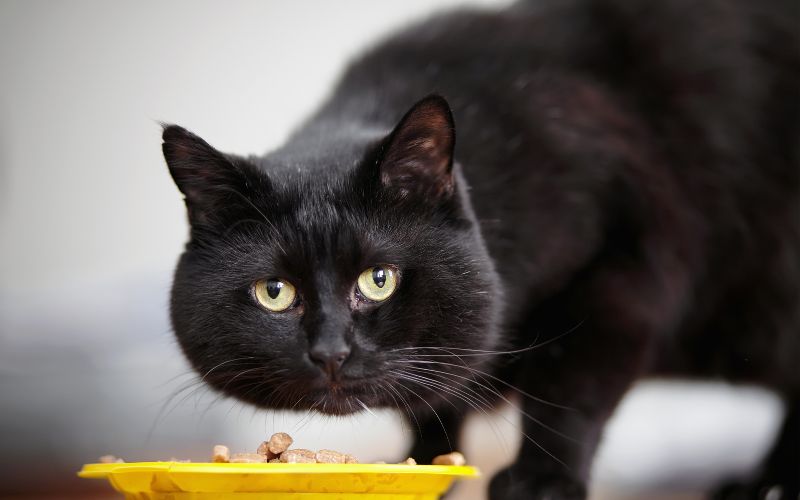
How Cat Food Palatability Enhancers Work
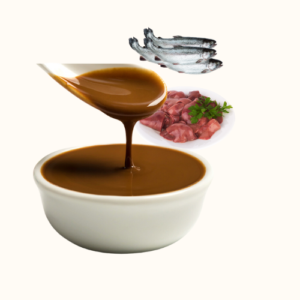
Professional cat food palatability enhancers are developed using animal-based raw materials and advanced processing technologies to deliver:
- Free amino acids and peptides
- Natural nucleotides
- Fat-soluble aroma compounds
- Umami and savory taste components
These compounds stimulate both:
- Olfactory receptors (smell-driven attraction)
- Gustatory receptors (taste-driven acceptance)
The result is improved feeding enthusiasm and higher overall intake.
Application in Different Pet Food Formats
Dry Cat Food (Kibble)
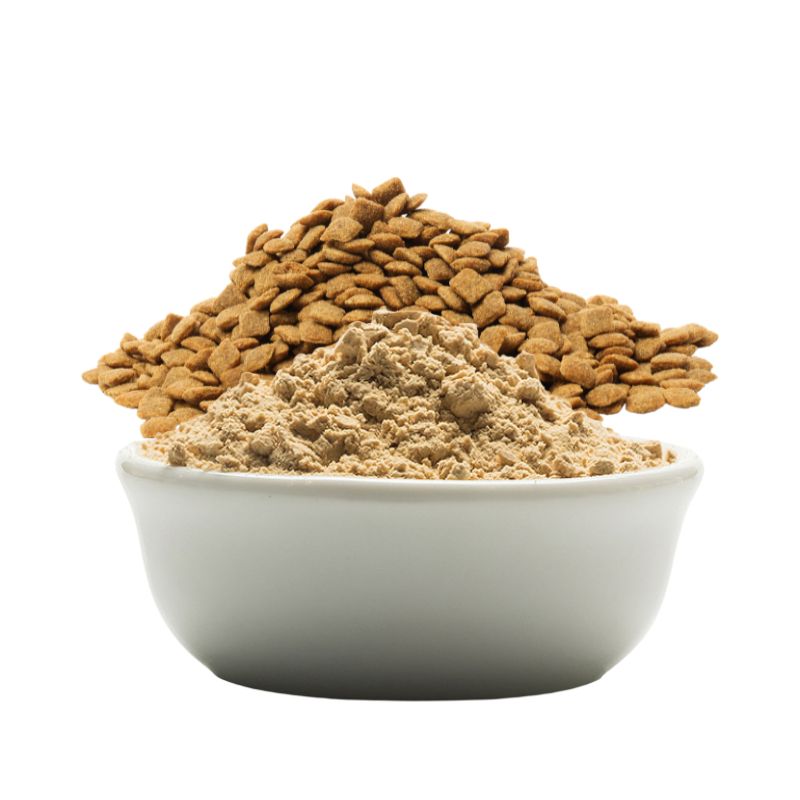
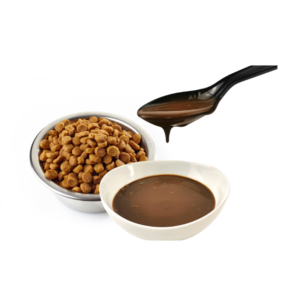
In dry applications, cat food flavor enhancers are commonly used as:
- Surface coatings
- Spray-applied palatants
They help compensate for aroma loss during high-temperature extrusion and drying.
Wet and Semi-Moist Cat Food
In wet food, gravies, and loaf-style products, palatability enhancers:
- Improve aroma release upon opening
- Enhance broth and sauce flavor
- Increase acceptance of functional recipes
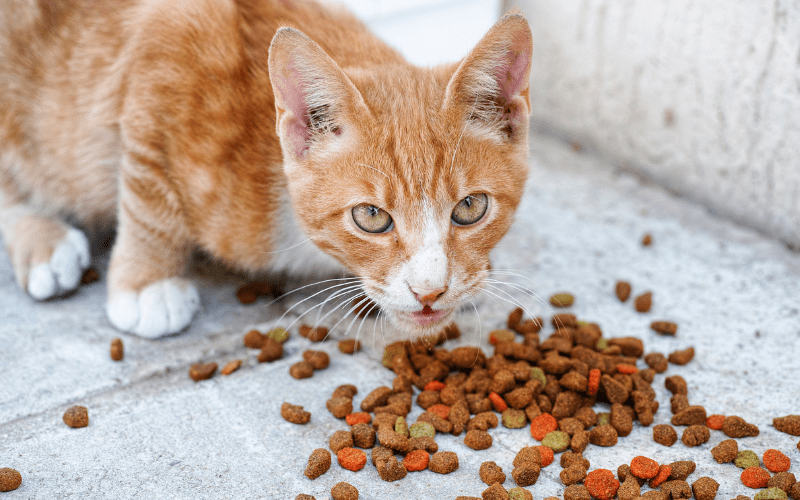
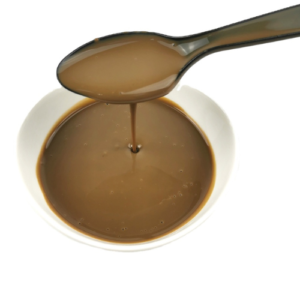
Liquid Cat Food and Supplements
Liquid systems are especially sensitive to flavor balance. A high-quality cat food palatability enhancer ensures:
- Good solubility
- Stable dispersion
- No bitterness or aftertaste
Role as Pet Food Ingredients and Feed Additives
From a formulation perspective, cat food palatability enhancers are classified as functional pet food ingredients. In many markets, they are also regulated as feed additives for dogs and cats.
Key advantages include:
- Low inclusion rates
- High cost-performance ratio
- Compatibility with other ingredients
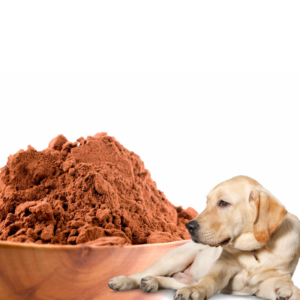
For manufacturers producing both cat and dog food, certain palatability enhancers can function as feed additives for dogs as well, improving cross-species formulation efficiency.
Clean Label and Customization Trends
As pet owners become more ingredient-conscious, B2B buyers are increasingly demanding:
- Clean-label solutions
- Transparent raw material sourcing
- Region-compliant formulations
- Custom flavor profiles
Professional cat food flavor enhancer suppliers can offer:
- Species-specific optimization
- Adjustable aroma intensity
- Tailored sensory profiles for different markets
This allows pet food factories to differentiate products while maintaining regulatory compliance.
Choosing the Right Cat Food Palatability Enhancer Supplier
Selecting a reliable palatability enhancer supplier is a strategic decision. Key evaluation criteria include:
Raw Material Quality
- Traceable animal protein sources
- Consistent sensory performance
Technical Capability
- Application support for dry, wet, and liquid systems
- Stability and compatibility testing
Custom Development
- Formula-specific optimization
- Market-oriented flavor design
Quality & Compliance
- Global pet food standards
- Stable long-term supply
A professional supplier functions not just as a vendor, but as a technical partner supporting product success.
Market Outlook: Growing Demand for Palatability Solutions
With continued pet humanization and premiumization, the demand for cat food palatability enhancers is expected to grow steadily. Key drivers include:
- Increased consumption of wet and liquid cat food
- Growth in functional and veterinary diets
- Expansion of private label and OEM production
In this environment, palatability enhancers are no longer optional—they are a core formulation tool.
Final Thoughts
A cat food palatability enhancer plays a decisive role in product acceptance, repeat purchase, and long-term brand success. For pet food manufacturers, factories, and palatant wholesalers, investing in high-quality cat food flavor enhancers ensures:
- Better feeding performance
- Greater formulation flexibility
- Stronger market competitiveness
As the pet food industry evolves, palatability will remain one of the most powerful differentiators—and the right palatability enhancer supplier makes all the difference.