
Chicken Powder for Pet Food: Why It Remains a Key Ingredient in Modern Pet Food Formulations
Walk down any pet food aisle and you’ll see countless claims about high protein, real meat ingredients, and enhanced nutrition.
Behind many of these successful formulations lies one of the industry’s most versatile ingredients:
Chicken powder.
Whether used in dry kibble, treats, wet food, toppers, or pet food palatants, chicken powder continues to play a critical role in improving product quality, nutritional value, and feeding acceptance.
For pet food manufacturers, choosing the right chicken powder can significantly impact:
- Product palatability
- Protein content
- Aroma intensity
- Formula cost efficiency
- Production consistency
- Consumer perception
As global demand for premium pet food continues to rise, understanding the role of chicken powder has become increasingly important for product developers and purchasing teams alike.
What Is Chicken Powder for Pet Food?
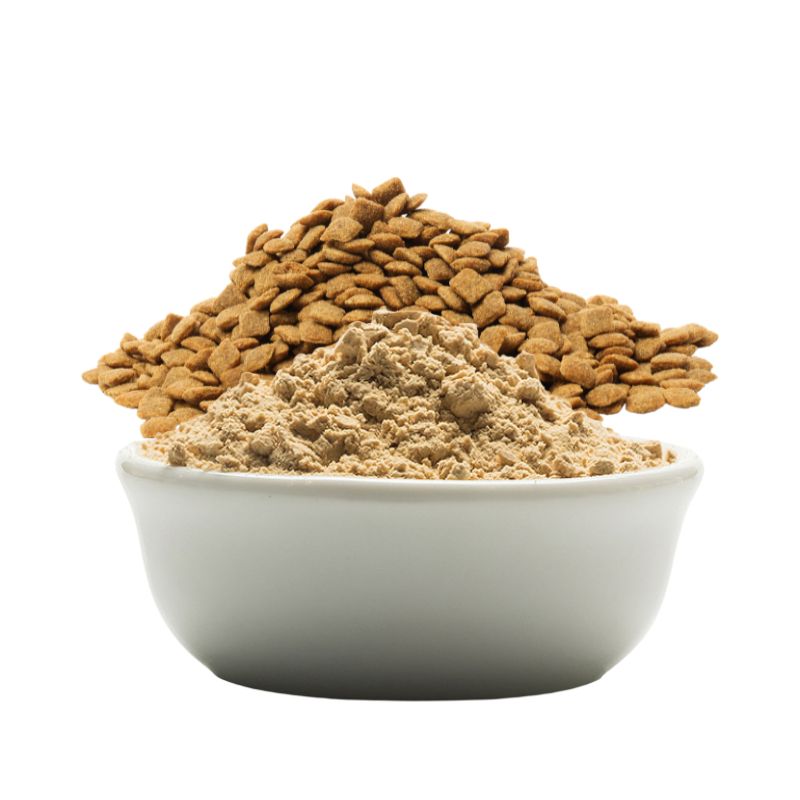
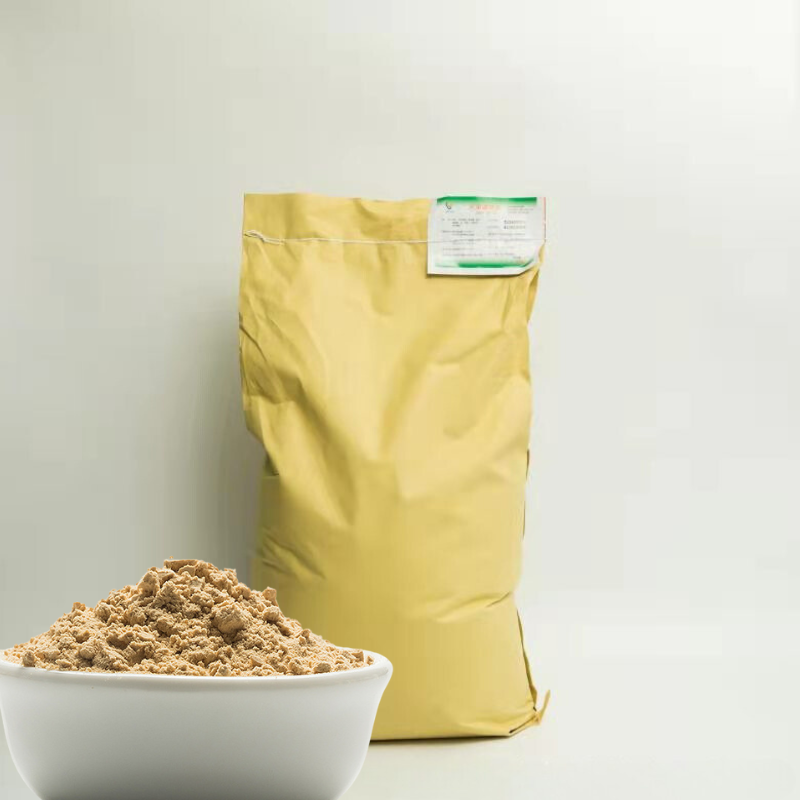
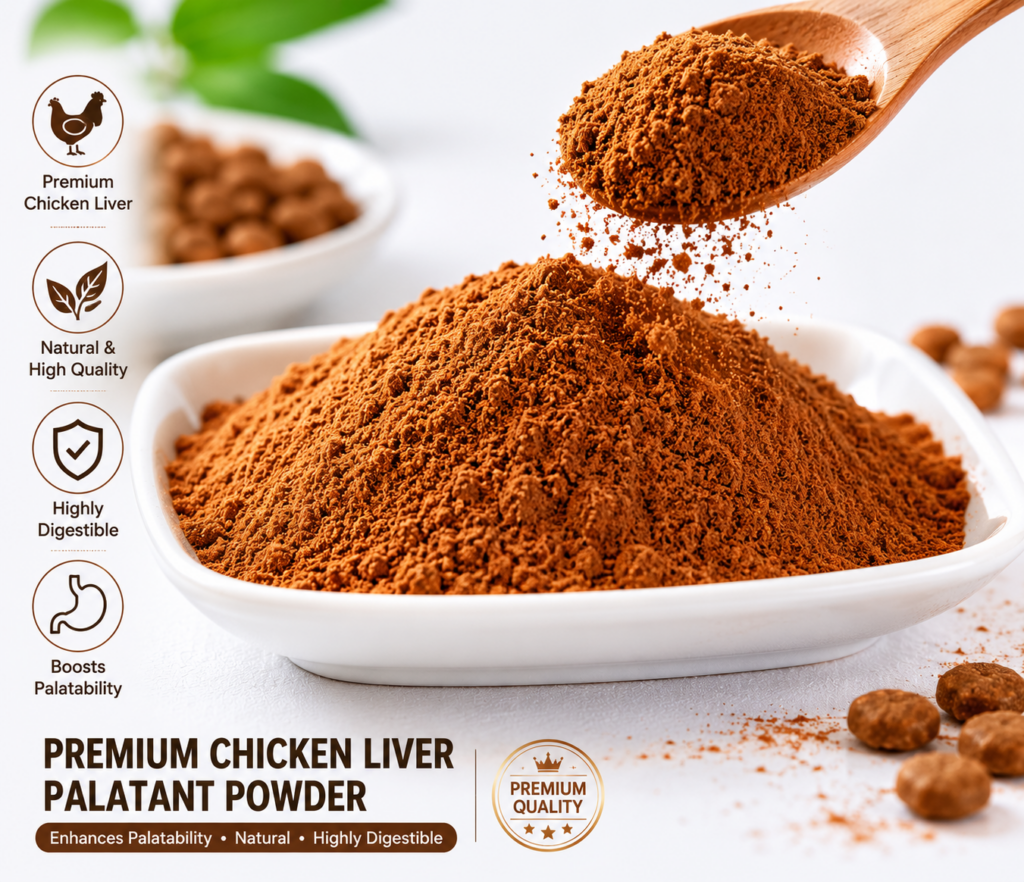
Chicken powder is a concentrated ingredient produced from chicken meat, chicken by-products, or chicken protein sources through cooking, processing, and drying technologies.
The final product is typically a fine powder that delivers:
- High protein concentration
- Rich meaty aroma
- Natural poultry flavor
- Good processing stability
- Excellent blending properties
Unlike fresh chicken, chicken powder offers improved shelf stability and easier incorporation into commercial pet food production.
Depending on the manufacturing process, chicken powder may contain varying levels of:
- Crude protein
- Fat
- Moisture
- Amino acids
- Flavor compounds
The ingredient is widely used across dog food, cat food, treats, supplements, and pet food palatability enhancers.
Why Chicken Powder Is Widely Used in Pet Food
The pet food industry values chicken powder because it delivers multiple benefits simultaneously.
1. Excellent Palatability
One of the primary reasons manufacturers use chicken powder is its strong flavor profile.
Dogs and cats are naturally attracted to meat-based aromas.
High-quality chicken powder provides:
- Rich poultry aroma
- Enhanced flavor intensity
- Better feeding acceptance
- Improved first-bowl consumption
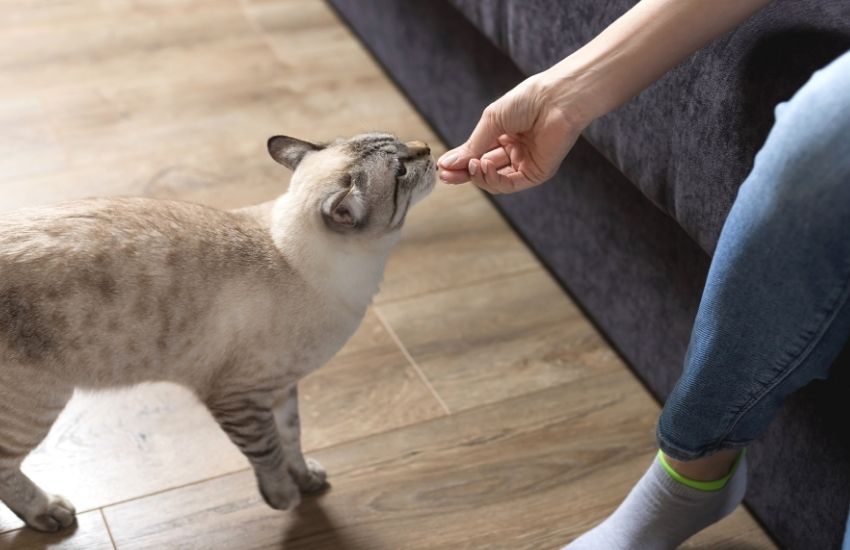
For picky pets, aroma often determines whether food is accepted or rejected.
This is particularly important in cat food, where smell heavily influences feeding behavior.
2. Concentrated Protein Source
Chicken powder can provide a significant amount of protein in a relatively small inclusion rate.
Protein contributes to:
- Muscle maintenance
- Growth and development
- Immune support
- Overall health
Many premium pet food formulations utilize chicken powder to help achieve targeted protein levels while maintaining formulation flexibility.
3. Cost-Effective Formulation
Compared with fresh meat ingredients, chicken powder offers several economic advantages:
- Easier transportation
- Lower storage costs
- Longer shelf life
- More consistent quality
- Reduced manufacturing waste
For large-scale production, these benefits can substantially improve operational efficiency.
4. Consistent Product Quality
Fresh ingredients naturally vary from batch to batch.
Professionally manufactured chicken powder provides more predictable performance.
This consistency helps manufacturers maintain:
- Stable flavor profiles
- Uniform nutrition
- Reliable production parameters
- Better quality control
How Chicken Powder Is Produced
The quality of chicken powder depends heavily on the manufacturing process.
Raw Material Selection
Premium chicken powder typically begins with carefully selected poultry ingredients.
Sources may include:
- Chicken meat
- Chicken breast
- Chicken trimmings
- Chicken protein materials
The quality of raw materials directly influences the final product’s nutritional value and palatability.
Cooking and Processing
Raw materials undergo controlled thermal processing to:
- Reduce microbial risks
- Improve digestibility
- Concentrate nutrients
- Develop desirable flavor compounds
Drying
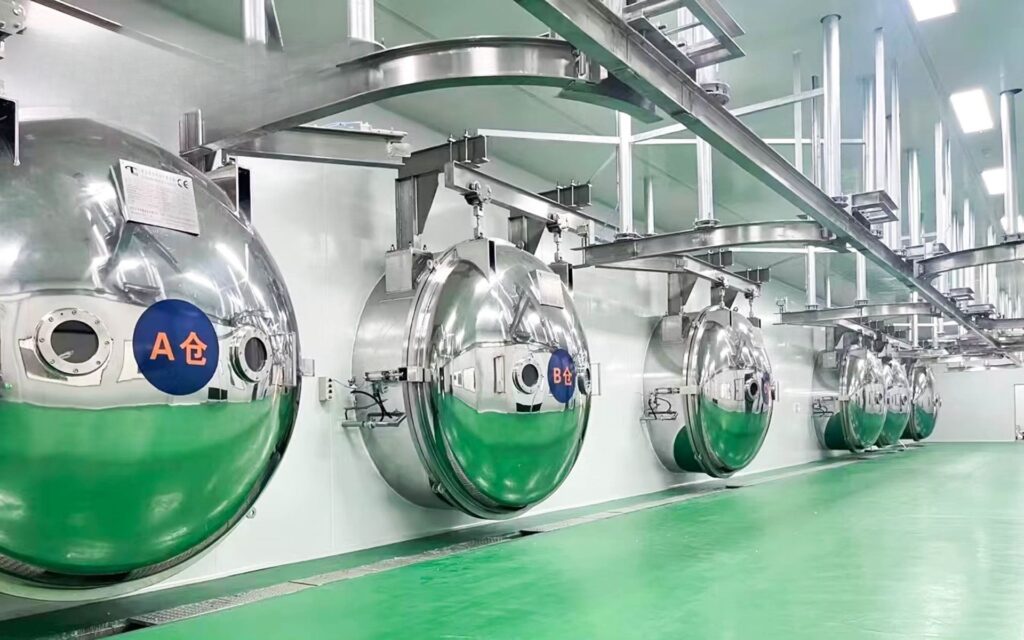
After processing, moisture is removed through drying systems.
This step helps achieve:
- Long shelf life
- Product stability
- Easy handling
- Consistent storage performance
Milling
The dried material is milled into a uniform powder suitable for commercial manufacturing applications.
Chicken Powder vs Chicken Meal: What’s the Difference?
Many buyers confuse chicken powder with chicken meal.
Although similar, they serve different purposes.
| Feature | Chicken Powder | Chicken Meal |
|---|---|---|
| Primary Purpose | Flavor & protein enhancement | Protein source |
| Aroma Intensity | High | Moderate |
| Palatability Impact | Excellent | Moderate |
| Particle Size | Fine | Coarser |
| Inclusion Rate | Lower | Higher |
| Application | Palatants, treats, premium foods | Main protein formulations |
Chicken meal is typically used as a primary protein ingredient.
Chicken powder often functions as both a protein source and a palatability enhancer.
Many manufacturers use both ingredients together.
Applications of Chicken Powder in Pet Food
Dry Dog Food
Chicken powder enhances:
- Surface flavor
- Protein content
- Feeding enthusiasm
- Product aroma
It is commonly incorporated into extrusion coating systems and palatant blends.
Dry Cat Food
Cats are highly sensitive to aroma.
Chicken powder helps improve:
- Food acceptance
- Aroma attractiveness
- Formula consistency
Many cat food manufacturers combine chicken powder with hydrolyzed chicken liver palatants for even stronger results.
Pet Treats
Chicken powder is widely used in:
- Soft treats
- Dental chews
- Biscuits
- Freeze-dried snacks
- Functional treats
The ingredient provides a strong poultry flavor that pets enjoy.
Wet Pet Food
In canned food and pouches, chicken powder contributes:
- Flavor enhancement
- Protein fortification
- Consistent taste profiles
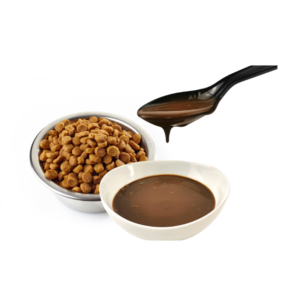
Pet Food Palatants
One of the fastest-growing applications is in pet food palatability enhancers.
Chicken powder often serves as a foundational ingredient in:
- Powder palatants
- Liquid palatants
- Coating systems
- Flavor concentrates
Why Chicken Powder Is Important for Pet Food Palatability
Modern pet food brands face increasing competition.
Nutritional quality alone is no longer enough.
Consumers expect their pets to eagerly consume food.
Manufacturers frequently use chicken powder because it helps create:
- Immediate aroma appeal
- Strong first-bite acceptance
- Better feeding consistency
- Higher repeat purchase potential
In many feeding trials, products with optimized palatability systems consistently outperform products relying solely on base nutrition.
For this reason, chicken powder remains one of the most widely used ingredients in palatability-focused formulations.
Factors That Determine Chicken Powder Quality
Not all chicken powders perform equally.
When evaluating suppliers, manufacturers should consider several key factors.
Protein Content
Higher protein levels generally indicate better nutritional value.
Digestibility
Highly digestible ingredients improve nutrient utilization and feeding performance.
Aroma Profile
Aroma is critical for palatability.
Premium chicken powders should deliver a natural and appealing poultry scent.
Microbiological Safety
Reliable suppliers implement strict quality control systems to ensure product safety.
Consistency
Uniform batches help maintain stable production and product performance.
Current Trends in Chicken Powder for Pet Food
The pet food industry continues evolving rapidly.
Several trends are influencing chicken powder demand.
Premiumization
Pet owners increasingly seek premium products featuring recognizable animal proteins.
Natural Ingredients
Manufacturers are shifting toward natural flavor solutions and cleaner ingredient labels.
Functional Nutrition
Chicken powder is increasingly combined with:
- Probiotics
- Prebiotics
- Omega fatty acids
- Functional supplements
Enhanced Palatability Systems
Brands are investing more heavily in flavor technologies to improve feeding acceptance and customer retention.
Cat Food Growth
Global cat ownership continues increasing, creating additional demand for highly palatable poultry-based ingredients.
How to Choose a Chicken Powder Supplier
Selecting the right supplier can significantly influence product success.
Consider suppliers that offer:
Consistent Quality
Reliable raw material sourcing and batch-to-batch consistency.
Technical Support
Application expertise for pet food manufacturing.
Food Safety Certifications
Look for certifications such as:
- ISO22000
- HACCP
- BRC
- IFS
Customization Options
Different pet food applications often require different particle sizes, protein levels, and flavor profiles.
Global Supply Capability
Stable international supply chains help reduce production disruptions.
Why Chicken Powder Will Continue Growing in Pet Food
The future of pet food is increasingly focused on three key areas:
- Nutrition
- Palatability
- Consumer trust
Chicken powder supports all three.
It delivers:
- High-quality protein
- Strong flavor performance
- Manufacturing flexibility
- Cost efficiency
- Broad application potential
As pet food brands continue developing premium, functional, and highly palatable products, chicken powder is expected to remain one of the industry’s most important ingredients.
Final Thoughts
Chicken powder has become a foundational ingredient across modern pet food manufacturing.
From dry kibble and cat food to treats and pet food palatants, its ability to enhance flavor, improve protein content, and support product consistency makes it indispensable.
For manufacturers seeking stronger product acceptance and better market competitiveness, choosing the right chicken powder supplier is just as important as selecting the right formulation.
As pet owners continue demanding premium products that pets genuinely enjoy eating, chicken powder will remain a key driver of pet food innovation.
Frequently Asked Questions
What is chicken powder used for in pet food?
Chicken powder is used to improve flavor, aroma, protein content, and palatability in pet food products.
Is chicken powder good for dogs and cats?
Yes. High-quality chicken powder provides protein and attractive poultry flavor that most dogs and cats enjoy.
What’s the difference between chicken powder and chicken meal?
Chicken meal primarily serves as a protein ingredient, while chicken powder is often used for both protein enhancement and palatability improvement.
Can chicken powder be used in pet food palatants?
Yes. Chicken powder is widely used as a core ingredient in powder palatants, liquid palatants, and coating systems.
How do manufacturers choose a chicken powder supplier?
Key factors include protein quality, aroma performance, food safety certifications, consistency, technical support, and supply reliability.