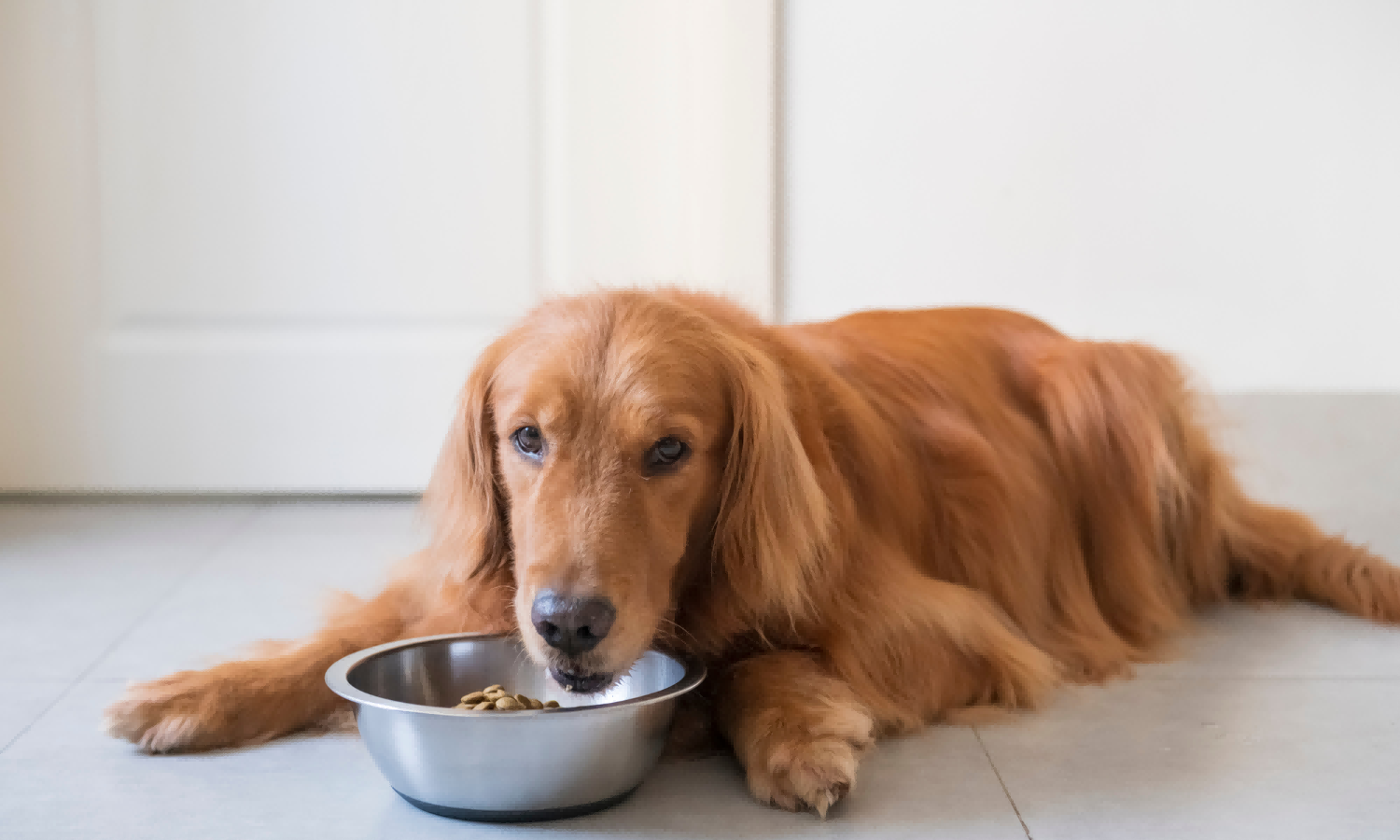
Dog Food Flavor Enhancer Powder: The Secret Behind Better Kibble Acceptance
Many pet food manufacturers invest heavily in premium proteins, functional ingredients, and advanced processing technologies. However, even the most nutritionally balanced dog food can fail if dogs refuse to eat it.
This is where dog food flavor enhancer powder becomes essential.
Flavor enhancers are specially developed palatability ingredients that improve the smell, taste, and overall eating experience of pet food. They help manufacturers increase feed intake, improve customer satisfaction, and reduce complaints related to poor acceptance.
As competition in the pet food market continues to grow, dog food flavor enhancer powder has become one of the most important tools for creating successful products.
What Is Dog Food Flavor Enhancer Powder?
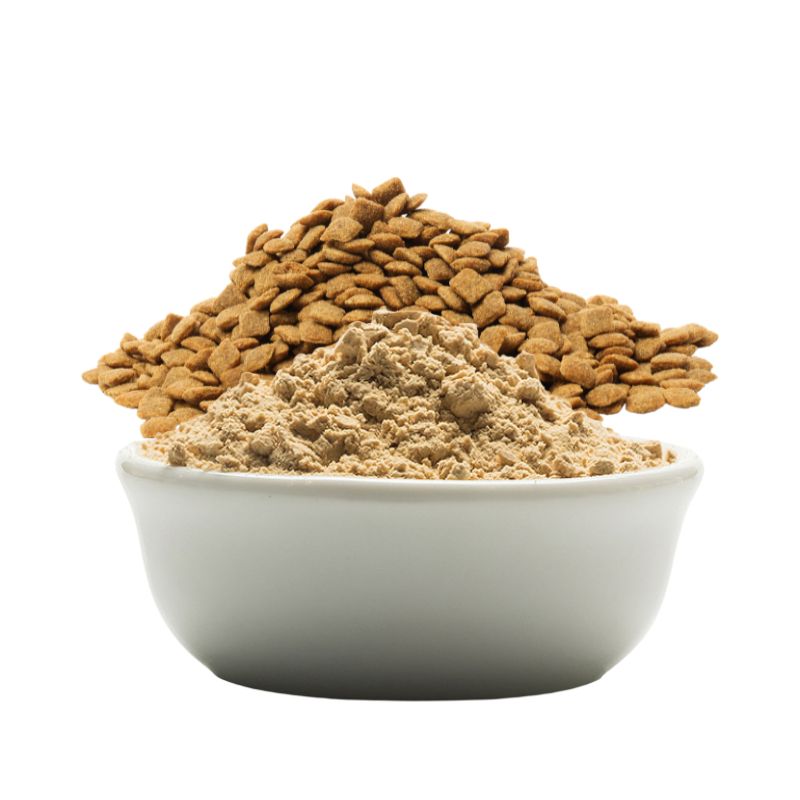
Dog food flavor enhancer powder, often referred to as a powder palatant, is a dry ingredient applied to the surface of kibble or incorporated into pet food formulations to improve palatability.
These products are typically manufactured from highly digestible animal-based ingredients, including:
- Hydrolyzed chicken liver
- Chicken fat powder
- Meat extracts
- Poultry digest
- Fish protein hydrolysates
- Yeast extracts
- Maillard reaction compounds
The primary goal is simple:
Make dogs more willing to eat and continue eating the food.
Unlike nutritional ingredients that focus on health benefits, flavor enhancers are specifically designed to stimulate appetite and create a positive feeding experience.
Why Palatability Matters in Dog Food
Pet owners often assume dogs will eat anything. In reality, dogs can be surprisingly selective.
Several factors influence food acceptance:
Aroma
Dogs have an extremely sensitive sense of smell.
Aroma is often the first factor influencing feeding decisions.
Taste
Dogs respond strongly to savory and meat-based flavors.
Certain amino acids and peptides can significantly increase preference.
Texture
The coating applied to kibble affects mouthfeel and overall acceptance.
Consistency
Dogs prefer foods that maintain a consistent flavor profile from batch to batch.
Without adequate palatability enhancement, even premium formulas may struggle to achieve repeat purchases.
How Dog Food Flavor Enhancer Powder Works
Flavor enhancer powders work through multiple mechanisms.
Stimulating Aroma Release
When dogs approach the bowl, volatile compounds released from the coating attract their attention.
Strong meat aromas can trigger feeding behavior before the first bite.
Enhancing Taste Perception
Hydrolyzed proteins contain peptides and amino acids that dogs find highly attractive.
These compounds activate taste receptors and encourage continued consumption.
Improving Surface Coverage
Powder palatants are typically applied after oil or liquid fat coating.
This allows flavor particles to adhere evenly across kibble surfaces.
The result is a consistent eating experience with every bite.
Types of Dog Food Flavor Enhancer Powder
Not all palatants are created equal.
Chicken-Based Flavor Enhancers
Chicken remains one of the most popular protein sources in dog food.
Benefits include:
- High acceptance rates
- Familiar taste profile
- Cost-effective formulation
- Broad market appeal
Liver-Based Palatants
Hydrolyzed chicken liver is widely recognized for its strong palatability performance.
Advantages:
- Rich umami flavor
- High digestibility
- Excellent aroma profile
Fish-Based Flavor Enhancers
Often used in premium and specialty diets.
Benefits include:
- Strong aroma attraction
- Suitable for seafood recipes
- High-value positioning
Mixed Protein Palatants
Combining poultry, liver, and fish ingredients can create highly attractive flavor systems tailored to specific formulations.
Benefits of Using Dog Food Flavor Enhancer Powder
Increased Feed Intake
One of the most significant advantages is improved consumption.
Dogs are more likely to finish meals and maintain consistent eating habits.
Better Customer Satisfaction
Pet owners judge food quality largely by their dog’s reaction.
When dogs eagerly eat a product, customers are more likely to reorder.
Reduced Product Returns
Poor palatability is a common reason for product complaints and returns.
Flavor enhancers help reduce these issues.
Greater Formula Flexibility
Manufacturers can incorporate functional ingredients that may have less appealing tastes while maintaining overall acceptance.
Improved Market Competitiveness
In crowded retail environments, products with superior palatability often outperform similar nutritional formulations.
Dog Food Flavor Enhancer Powder vs Liquid Palatants
Many manufacturers ask whether powder or liquid palatants are better.
The answer depends on the application.
Powder Palatants
Advantages:
- Easy storage
- Longer shelf life
- Excellent coating performance
- Lower transportation costs
Liquid Palatants
Advantages:
- Strong aroma impact
- Uniform application
- High immediate acceptance
Many premium manufacturers use both systems together.
A common coating process is:
- Fat coating
- Liquid palatant application
- Powder palatant finishing layer
This combination often delivers the highest acceptance scores.
Applications in Different Dog Food Categories
Dry Dog Food
The largest application segment.
Powder flavor enhancers are widely used on kibble surfaces.
Functional Dog Food
Products targeting:
- Digestive health
- Joint support
- Weight management
- Senior dog nutrition
Often require palatants to offset functional ingredient flavors.
Veterinary Diets
Prescription diets frequently face acceptance challenges.
Flavor enhancement helps improve compliance.
Training Treats
Palatants can increase reward value and improve treat appeal.
How to Choose the Right Dog Food Flavor Enhancer Powder
When evaluating suppliers, manufacturers should consider:
Raw Material Quality
Look for:
- Traceable ingredients
- High-quality animal proteins
- Consistent sourcing
Palatability Performance
Request:
- Single-bowl testing
- Two-bowl preference testing
- Feeding trial data
Manufacturing Standards
Reliable suppliers should offer certifications such as:
- ISO 22000
- HACCP
- BRC
- IFS
Technical Support
A strong supplier should provide:
- Application guidance
- Formula recommendations
- Coating optimization support
Future Trends in Dog Food Flavor Enhancement
The pet food industry continues to evolve.
Several trends are shaping future demand:
Natural Flavor Systems
Consumers increasingly prefer clean-label solutions.
Functional Palatants
Combining taste enhancement with health benefits is becoming more popular.
Sustainable Protein Sources
Manufacturers are exploring novel proteins while maintaining palatability.
Precision Palatability Technology
Advanced testing methods are helping manufacturers develop more targeted flavor solutions.
Conclusion
Dog food flavor enhancer powder plays a critical role in modern pet food manufacturing.
By improving aroma, taste, and overall feeding experience, these ingredients help manufacturers increase acceptance rates, strengthen customer loyalty, and create more successful products.
Whether developing premium kibble, functional diets, or private label dog food, selecting the right flavor enhancer can make a measurable difference in product performance.
As consumer expectations continue to rise, palatability will remain one of the key drivers of success in the global pet food market.
Frequently Asked Questions
What is dog food flavor enhancer powder?
It is a powdered palatability ingredient designed to improve the taste and aroma of dog food, encouraging dogs to eat more readily.
How is flavor enhancer powder applied?
Most manufacturers apply it as a surface coating after oil or fat application during kibble production.
Are flavor enhancers safe for dogs?
Yes. Reputable suppliers use food-grade ingredients specifically developed for pet food applications.
What ingredients are commonly used?
Common ingredients include hydrolyzed chicken liver, poultry digest, meat extracts, fish hydrolysates, and yeast extracts.
Can flavor enhancers improve picky eating?
Yes. Many pet food brands use palatants specifically to improve acceptance among selective or picky dogs.