Dry Cat Food Shapes
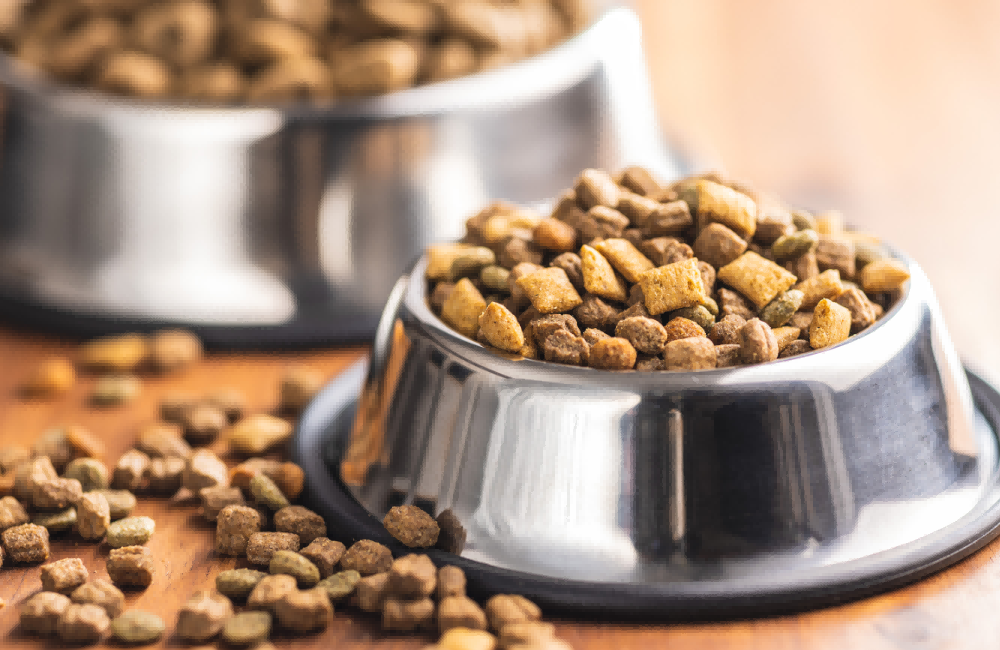
In today’s competitive pet food market, dry cat food shapes are no longer just aesthetic choices. For pet food manufacturers and factories, kibble shape directly influences cat food palatability, coating performance, production efficiency, and brand differentiation.
If you are a pet food manufacturer, private label brand, or pet food palatability enhancer wholesaler, understanding how kibble structure interacts with flavor systems is essential to improving repeat purchase rates and market performance.
Let’s break it down professionally and practically.
1. Why Dry Cat Food Shape Matters More Than You Think
Cats don’t just eat with taste — they eat with texture, aroma, and mouthfeel sensitivity. Compared to dogs, cats have:
- Fewer taste receptors
- Stronger aroma-driven feeding behavior
- Specific chewing preferences
- Sensitive oral tactile response
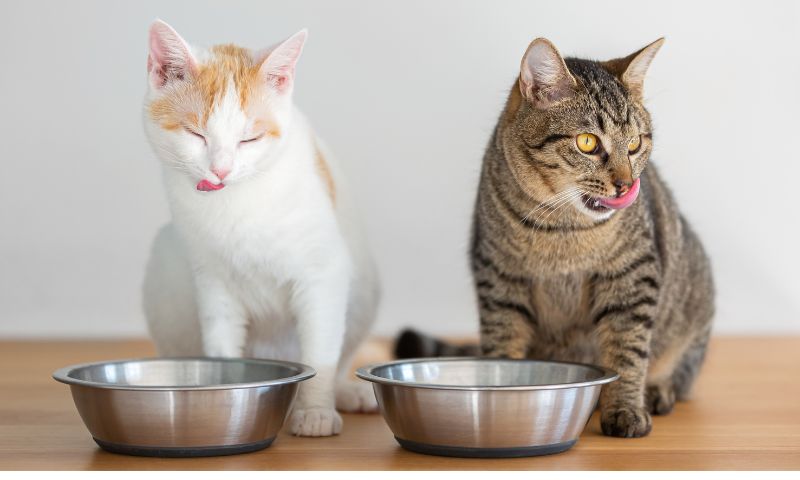
The shape, size, and density of dry cat food directly influence:
- Surface area available for palatability enhancer coating
- Aroma release speed
- Crunch perception
- Bite mechanics
- Acceptance rate in picky eaters
In simple terms:
A well-designed kibble shape enhances the performance of your cat food flavor enhancer.
2. Common Dry Cat Food Shapes in the Market
2.1 Round Kibble (Most Standard)
Advantages:
- Uniform extrusion stability
- Easy die manufacturing
- Excellent coating efficiency
- Lower breakage rate
Palatability impact:
Round shapes provide even oil and palatability enhancer distribution, making them ideal for spray-dried animal protein palatants and liquid flavor systems.
Best for:
- Mass-market formulas
- OEM/ODM bulk production
- High-speed extrusion lines
2.2 Triangular & Cross Shapes
Advantages:
- Increased surface area
- Enhanced aroma adsorption
- Strong visual differentiation
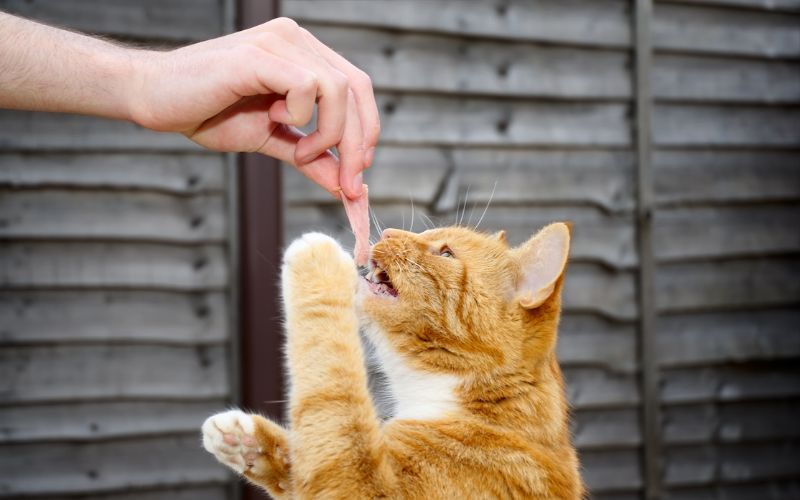
These shapes improve palatability in pet food because:
- More surface area = better cat food flavor enhancer adhesion
- Edges create improved crunch feedback
- Faster saliva penetration releases flavor quickly
For manufacturers targeting premium positioning, these shapes pair extremely well with high-intensity palatability enhancer for pet food.
2.3 Fish & Custom Novelty Shapes
These shapes are often used for:
- Premium branding
- Breed-specific formulas
- Retail shelf differentiation
However, there are technical considerations:
- More fragile during drying
- Higher die cost
- Requires precise moisture control
- Coating uniformity must be optimized
When using complex shapes, choosing the right cat food flavor enhancer supplier becomes critical to ensure consistent palatability performance.
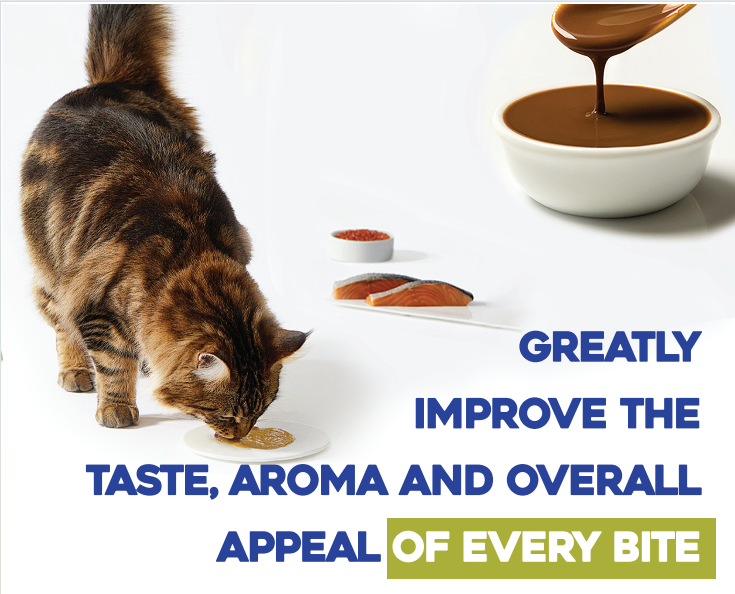
3. The Science: Shape & Palatability Interaction
Dry cat food palatability depends on three structural factors:
3.1 Surface Area & Coating Retention
Higher surface complexity increases:
- Palatant adsorption
- Liquid fat retention
- Aroma stability
This directly enhances feeding response in cats.
3.2 Density & Internal Porosity
Porous kibbles:
- Absorb liquid palatability enhancers better
- Release aroma gradually
- Improve crunch satisfaction
Well-controlled extrusion parameters combined with high-quality pet food ingredients improve this balance.
3.3 Bite Mechanics & Oral Comfort
Cats prefer:
- Small to medium size (6–10 mm typical)
- Moderate hardness
- Sharp but not abrasive edges
Matching kibble geometry with palatability enhancer systems creates synergistic feeding stimulation.
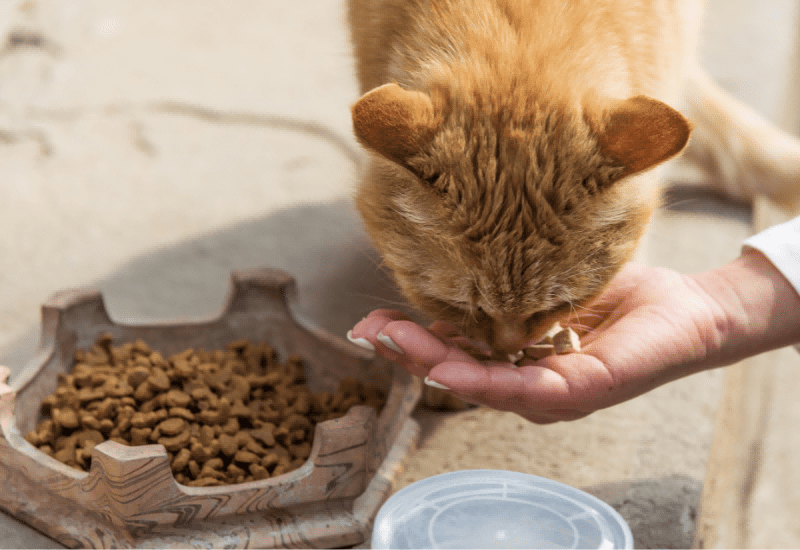
4. How Palatability Enhancers Work with Different Shapes
For pet food factories, this is the most practical question.
Spray-Dried Animal Protein Palatants
Best for:
- Rough surface shapes
- Porous triangular kibbles
- Premium formulas
They adhere well to complex surfaces and deliver strong first-bite aroma.
Liquid Palatability Enhancer Systems
Best for:
- Round kibble
- High-speed coating drums
- Standard commercial production
They provide:
- Uniform coverage
- Cost efficiency
- Stable fat-binding capacity
Dual-Layer Palatability Strategy
Advanced manufacturers combine:
- Liquid fat layer
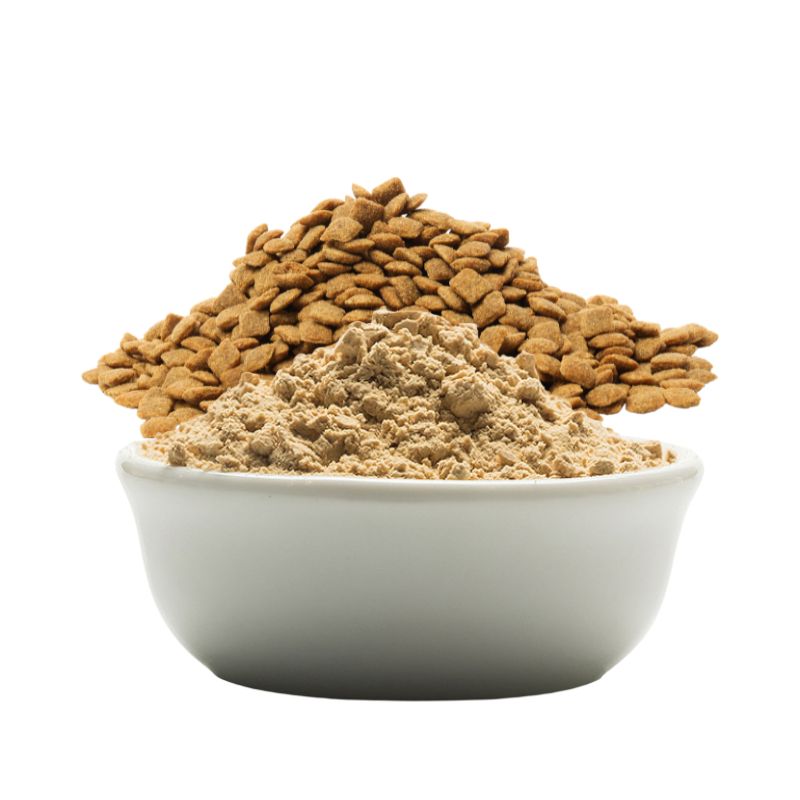
- Powdered cat food flavor enhancer
This maximizes palatability pet food performance across all shapes.
If you are sourcing from a professional palatability enhancer supplier, technical support on coating compatibility is essential.
5. Manufacturing Considerations for Different Shapes
| Factor | Round | Triangle | Fish Shape |
|---|---|---|---|
| Extrusion Stability | High | Medium | Lower |
| Die Cost | Low | Medium | High |
| Coating Efficiency | Excellent | Very Good | Variable |
| Breakage Risk | Low | Medium | High |
| Palatability Potential | Good | Excellent | Excellent |
For large-scale OEM production, balancing palatability performance with yield efficiency is critical.
6. Market Trends: Why Shape Innovation Is Growing
The global premium cat food segment is driving:
- Functional kibbles (dental, hairball control)
- Shape-based texture marketing
- Breed-specific sizes
- Multi-shape blends in one formula
In North American and European markets, retailers increasingly demand visual differentiation combined with proven palatability results.
Shape alone does not guarantee repeat purchase.
Palatability performance does.
This is where professional feed additives for dogs and cats, especially species-specific palatability systems, become strategic.
7. Choosing the Right Cat Food Flavor Enhancer Supplier
When evaluating a palatability enhancer supplier, manufacturers should consider:
- Species-specific research capability
- Spray-dried animal protein expertise
- Coating adhesion testing
- Palatability trials data
- Compatibility with extrusion moisture levels
- Stability under different kibble geometries
A qualified supplier does more than sell flavor powder.
They optimize your kibble structure + coating system together.
For factories producing both feed additives for dogs and cat food formulas, having a partner with dual-species expertise ensures portfolio expansion flexibility.
8. Strategic Recommendations for Pet Food Manufacturers
If you want to improve cat food palatability:
- Evaluate your kibble surface area
- Test coating retention rate
- Optimize porosity via extrusion control
- Match shape complexity with palatability enhancer type
- Conduct two-bowl palatability tests
Do not treat kibble shape and palatability enhancer as separate decisions.
They must be engineered together.
9. Conclusion: Shape Is Structure, Structure Drives Flavor
Dry cat food shapes influence:
- Coating efficiency
- Aroma release
- Crunch perception
- Feeding stimulation
- Brand differentiation
But the true performance breakthrough happens when kibble design meets advanced palatability enhancer for pet food systems.
For pet food manufacturers, wholesalers, and OEM factories, the competitive advantage lies in:
Integrating extrusion technology with high-performance cat food flavor enhancer solutions.
If you are looking for a professional cat food flavor enhancer supplier with strong technical support for different kibble structures, collaborating early in the product development stage will significantly improve palatability outcomes and repeat purchase rates.
In the premium pet food era, details like kibble shape are no longer cosmetic.
They are strategic.