Enhancing Cat Food Palatability
As a pet food manufacturer, wholesaler, or factory owner, ensuring your cat food products stand out in a crowded market is critical. One of the most effective ways to achieve this is by enhancing cat food palatability through specialized flavor enhancers. Cats, known for their discerning tastes, often require a bit more than basic ingredients to encourage consistent feeding. This article explores everything you need to know about cat food flavor enhancers and their vital role in the pet food industry.
Understanding Cat Food Palatability
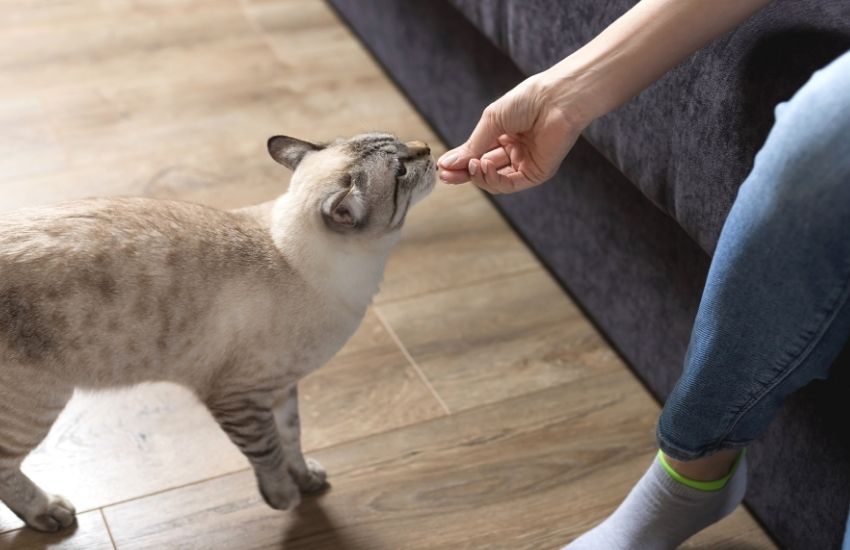
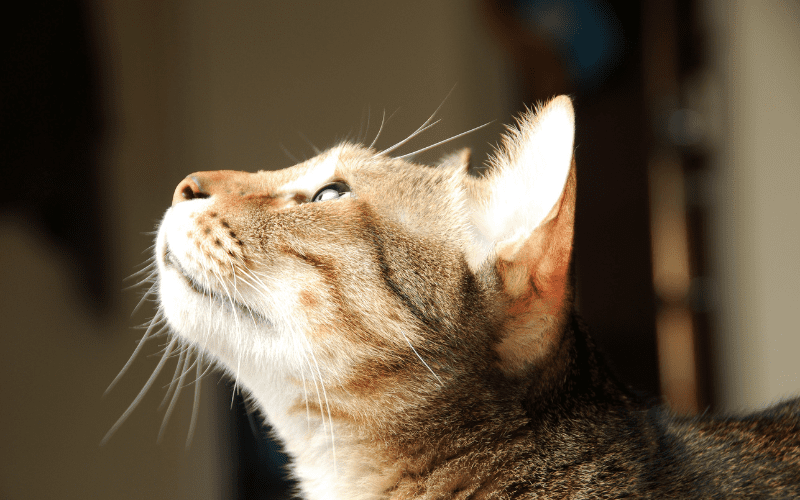
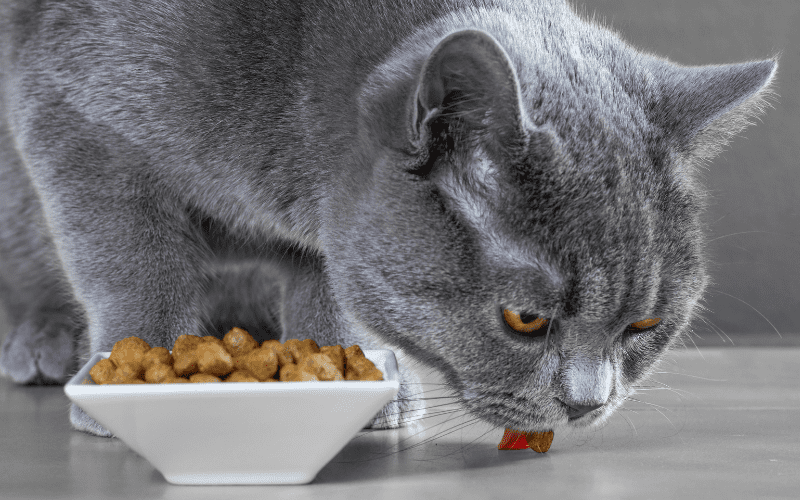
Palatability refers to how appealing a food product is to an animal, significantly impacting a pet’s acceptance of food. For cats, palatability encompasses factors such as taste, smell, texture, and even appearance. Unlike dogs, cats are notably more selective and rely heavily on their senses, especially smell, to assess food before consumption.

Improving cat food palatability ensures your product meets the sensory expectations of feline consumers, ultimately leading to higher acceptance rates and customer satisfaction.
The Importance of Cat Food Flavor Enhancers
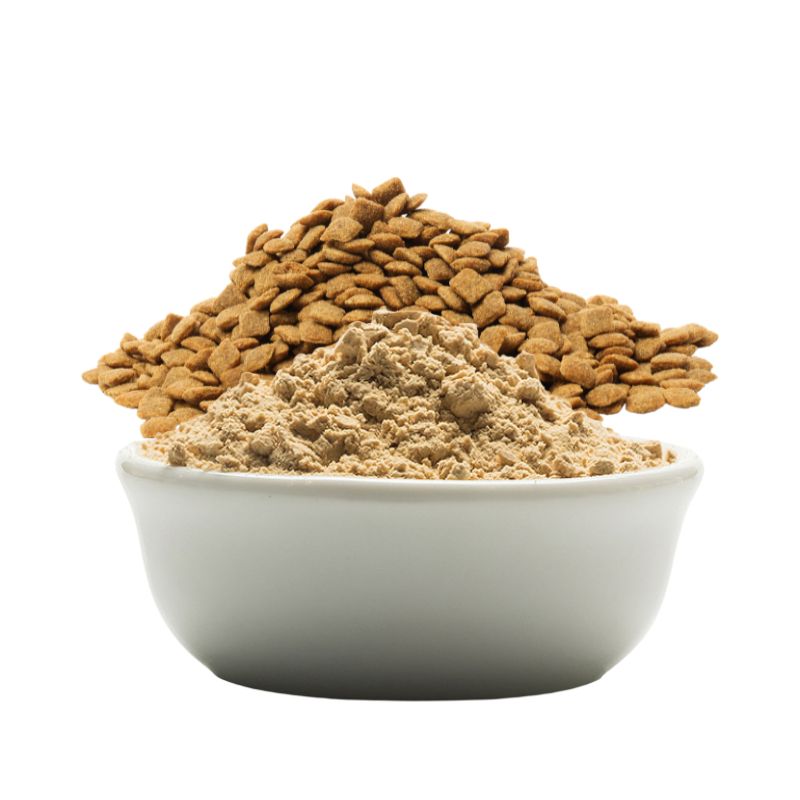
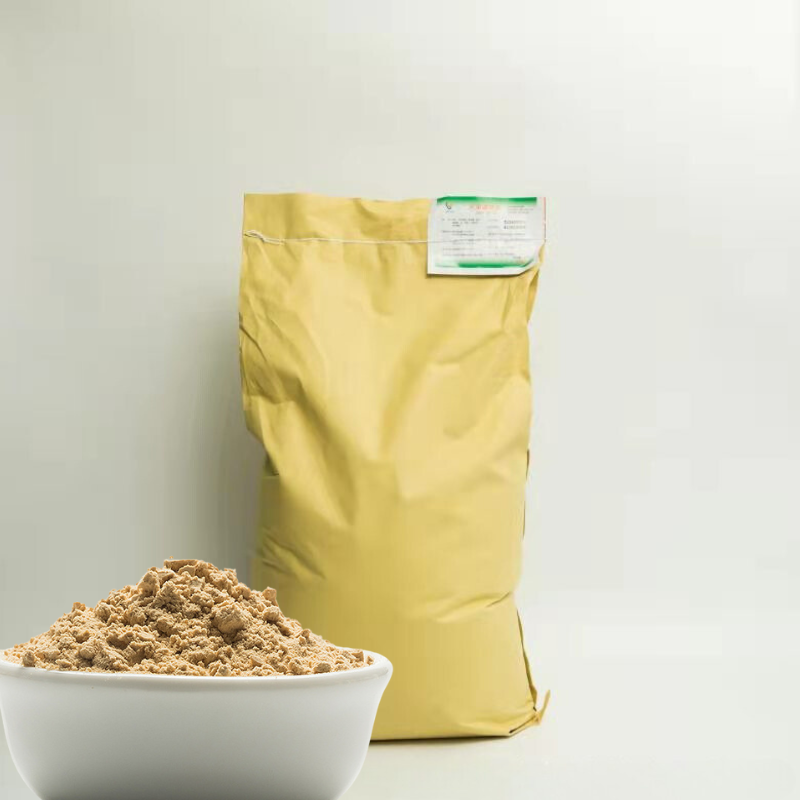
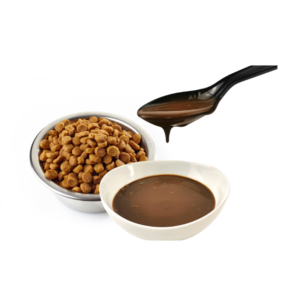
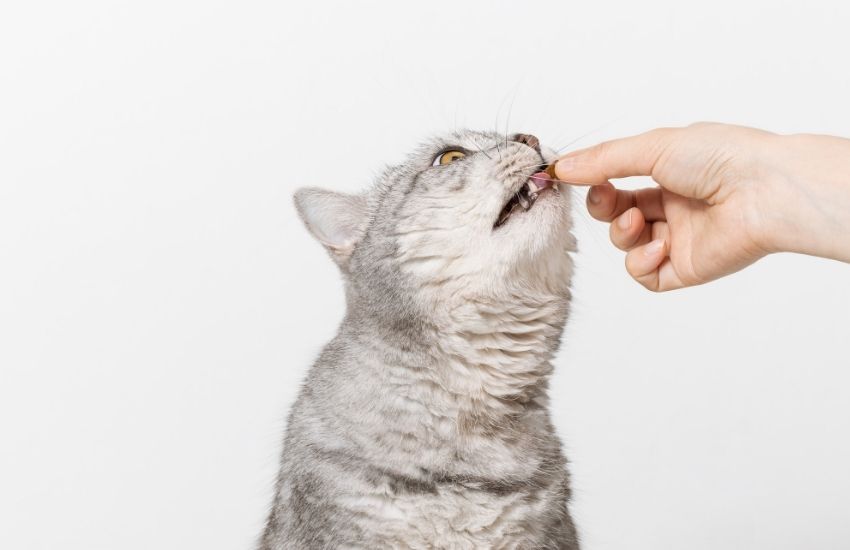
Flavor enhancers, often known as palatability enhancers, are crucial additives designed to increase the sensory appeal of cat food. They are meticulously formulated to cater specifically to feline tastes and olfactory preferences. By integrating high-quality flavor enhancers, manufacturers can significantly improve the desirability of their pet food products.
Key benefits include:
- Increased appetite and food acceptance, particularly among picky eaters or cats recovering from illness.
- Enhanced nutritional intake, ensuring cats consume adequate nutrients for optimal health.
- Differentiation of products in a competitive marketplace.

Exploring Palatability Enhancers for Pet Food
Types of Cat Food Flavor Enhancers
Several effective flavor enhancers are commonly used in the pet food industry:
1. Animal-Based Enhancers
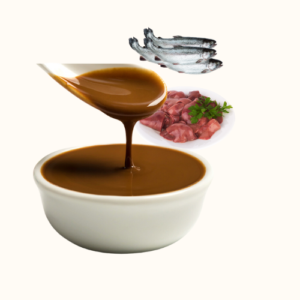
These include poultry, fish, beef, and liver extracts. They are highly effective due to their intense and natural flavors, aligning closely with cats’ carnivorous preferences.
2. Synthetic or Natural Flavor Compounds
Natural and artificial flavorings can also be tailored to meet specific taste profiles. Natural flavors, often preferred by consumers for health reasons, include plant extracts and essential oils.
3. Hydrolyzed Proteins
Hydrolyzed animal proteins, especially chicken and fish, are widely used. Hydrolysis breaks down proteins into peptides and amino acids, intensifying flavor and aroma, thus enhancing palatability.
Selecting Quality Palatability Enhancers
Choosing the right palatability enhancer supplier is crucial. Here are some factors to consider:
- Quality Standards: Look for suppliers who meet stringent quality certifications, such as ISO 22000, GMP, or HACCP.
- Ingredient Traceability: Reliable suppliers should provide complete traceability of raw materials to ensure safety and quality.
- Research and Development Capabilities: Suppliers with robust R&D teams can offer customized flavor solutions tailored to specific nutritional and market demands.
Pet Food Ingredients: The Backbone of Flavor
The foundation of effective palatability enhancers is high-quality pet food ingredients. Ingredients not only determine nutritional value but also significantly influence taste and aroma. Popular ingredients that enhance cat food flavor include:
- Meat and Fish Meals: Rich in proteins and amino acids, meat and fish meals are naturally attractive to cats.

- Broths and Stocks: Enhance moisture content and provide enticing aromas.
- Animal Fats and Oils: These ingredients add richness and improve the food’s aroma, greatly enhancing its palatability.
Feed Additives for Dogs: A Parallel Market Insight
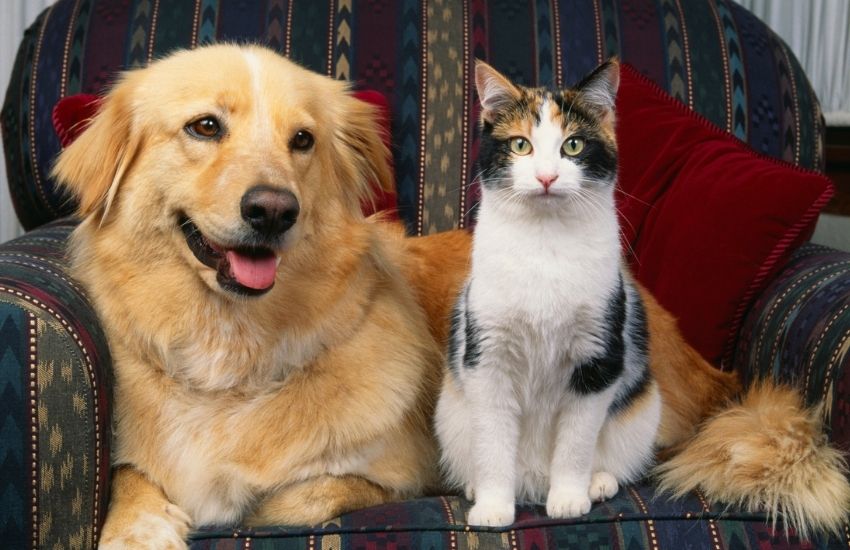
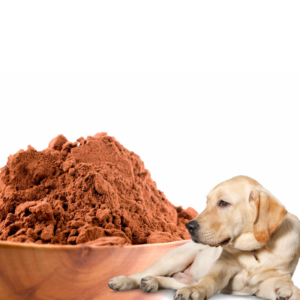
Although this article focuses on cats, understanding dog feed additives can offer valuable market insights. Dogs also benefit from enhanced palatability, and similar additives are used in their food products. Popular dog food additives include:
- Digestive Enzymes: Aid in digestion and improve nutrient absorption.
- Probiotics and Prebiotics: Support gut health, enhancing overall food acceptance.
- Natural Antioxidants: Preserve freshness and nutritional quality, indirectly contributing to palatability.
Choosing the Right Palatability Enhancer Supplier
The importance of partnering with a reputable palatability enhancer supplier cannot be overstated. Suppliers should provide:
- Comprehensive product testing results, including palatability trials.
- Certifications from recognized food safety and quality assurance organizations.
- Flexibility in production scales, catering from small-scale product testing to large-scale manufacturing.
A reliable supplier becomes your partner in product innovation, offering technical support and expertise to ensure your cat food products consistently meet and exceed market expectations.
Conclusion
In the competitive landscape of pet food manufacturing, enhancing cat food palatability is a necessity, not a luxury. Utilizing effective cat food flavor enhancers ensures your products appeal to both pets and their owners. By selecting quality ingredients and establishing relationships with trusted palatability enhancer suppliers, manufacturers can create superior products that delight cats, satisfy owners, and ultimately drive business success.
At Profypet, we understand the nuances of pet food palatability. We offer innovative, scientifically-backed flavor enhancers designed to meet your unique manufacturing needs. Contact us today to explore how we can help elevate your cat food products to new heights of excellence.