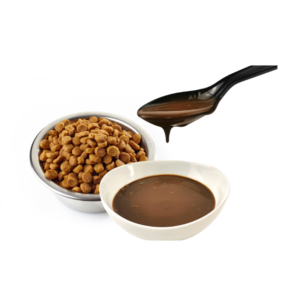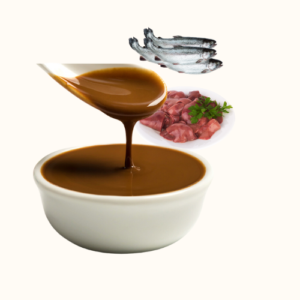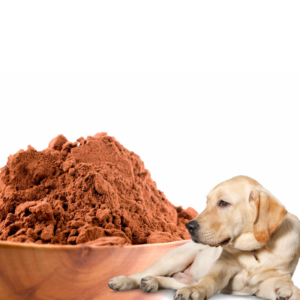
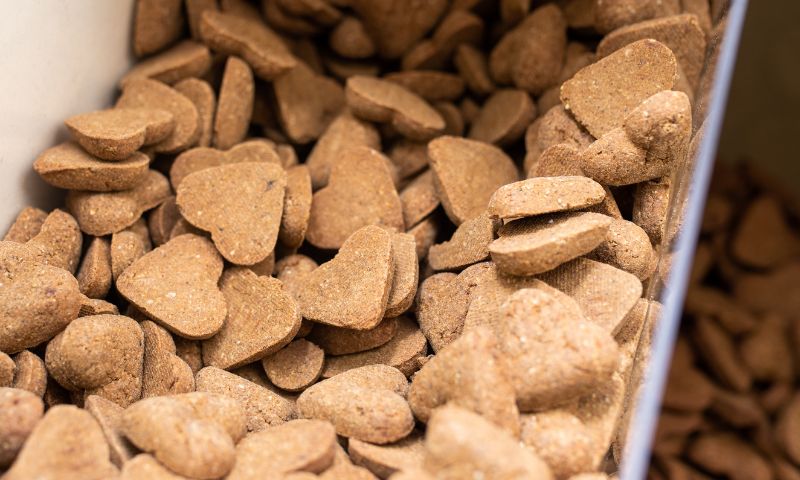
Functional Pet Food Flavor Trends: The Future of Pet Food Palatability
The pet food industry is changing rapidly.
Not long ago, flavor was primarily about making pet food taste better. Today, pet owners expect much more. They want products that not only appeal to their pets but also support digestion, immunity, hydration, skin health, cognitive function, and overall wellness.
This shift is creating one of the most important developments in the industry: functional pet food flavors.
For pet food manufacturers, brands, and formulators, flavor systems are no longer just about increasing feed intake. Modern flavor solutions are increasingly designed to combine palatability enhancement with functional health benefits.
As a leading pet food palatants manufacturer, Profypet has observed significant changes in how brands approach flavor development. In this article, we’ll explore the latest functional pet food flavor trends shaping the global market and what they mean for pet food manufacturers.
What Are Functional Pet Food Flavors?
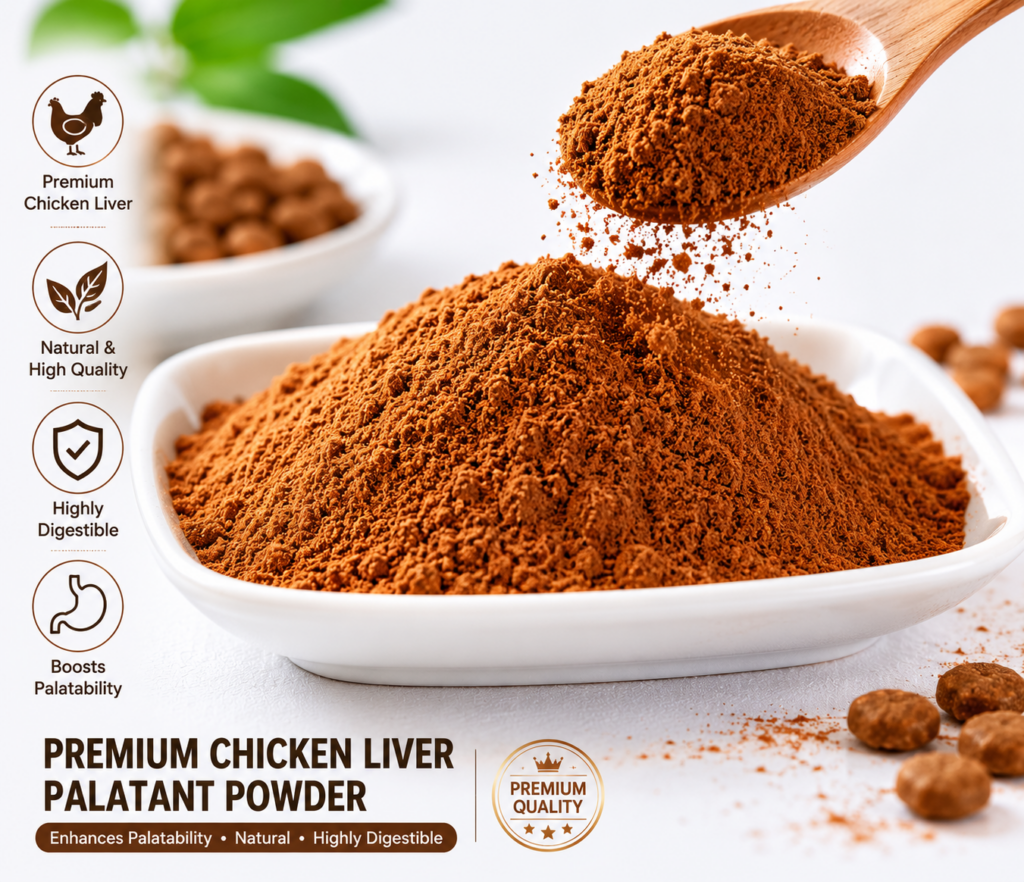
Functional pet food flavors are flavor systems designed to provide benefits beyond taste and aroma.
Traditional palatants focus primarily on:
- Improving feed acceptance
- Increasing aroma attraction
- Enhancing flavor intensity
- Encouraging repeat feeding
Functional flavor systems go further by incorporating ingredients that may support:
- Digestive health
- Immune function
- Hydration
- Healthy skin and coat
- Joint health
- Cognitive support
- Stress management
The goal is simple:
Make pet food both desirable and beneficial.
This trend aligns closely with growing consumer demand for premium and science-backed pet nutrition.
Why Functional Flavors Are Becoming a Major Trend
The driving force behind functional flavors is pet humanization.
Today’s pet owners increasingly view their pets as family members.
According to industry reports from organizations such as the American Pet Products Association and the FEDIAF, consumers are spending more on premium products that promote long-term health and wellness.
Pet owners are asking questions such as:
- Can this food improve digestion?
- Does it support immunity?
- Will it help hydration?
- Can it improve coat quality?
- Is it made from natural ingredients?
As a result, manufacturers are developing flavor systems that contribute to these health goals while maintaining strong palatability.
Trend #1: Gut Health-Flavored Solutions
Gut health continues to dominate pet nutrition innovation.
A healthy digestive system affects:
- Nutrient absorption
- Immune response
- Stool quality
- Overall wellbeing
Manufacturers increasingly combine flavor systems with ingredients such as:
- Prebiotics
- Postbiotics
- Probiotics
- Fermented proteins
- Yeast extracts
Hydrolyzed proteins are particularly popular because they offer both:
- Excellent flavor characteristics
- Digestibility benefits
Hydrolyzed chicken liver remains one of the most widely used ingredients in modern pet food palatants because it provides strong meaty flavor while supporting digestibility.
Trend #2: Immunity-Supporting Flavor Systems
Since the pandemic era, pet owners have become increasingly focused on immune health.
This has influenced flavor development across:
- Dry kibble
- Wet food
- Freeze-dried diets
- Functional treats
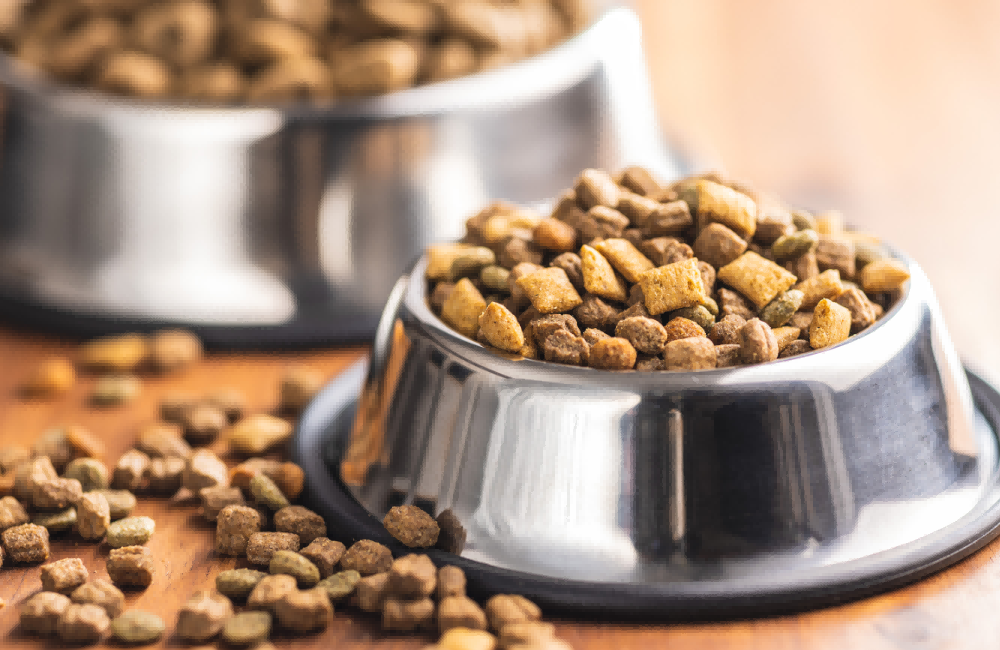
Manufacturers are exploring flavor systems containing:
- Nucleotides
- Yeast beta-glucans
- Antioxidant-rich ingredients
- Functional peptides
- Marine-derived nutrients
These ingredients may contribute to immune support while also improving product appeal.
For brands, this creates a valuable marketing opportunity because immunity remains one of the most searched pet health topics online.
Trend #3: Natural Palatants Are Replacing Artificial Flavor Systems
Consumers increasingly prefer clean-label products.
Many pet owners now carefully read ingredient labels before purchasing.
This trend is driving demand for:
- Natural chicken palatants
- Fish-based palatants
- Liver hydrolysates
- Fermented protein ingredients
- Natural digest systems
Manufacturers are reducing reliance on:
- Artificial flavor compounds
- Synthetic taste enhancers
- Unrecognizable ingredient names
Brands that emphasize natural flavor systems often gain stronger consumer trust and premium positioning.
Trend #4: Hydration-Focused Flavor Innovation
Hydration has become a major focus, especially in cat nutrition.
Cats naturally have a low thirst drive, making hydration support increasingly important.
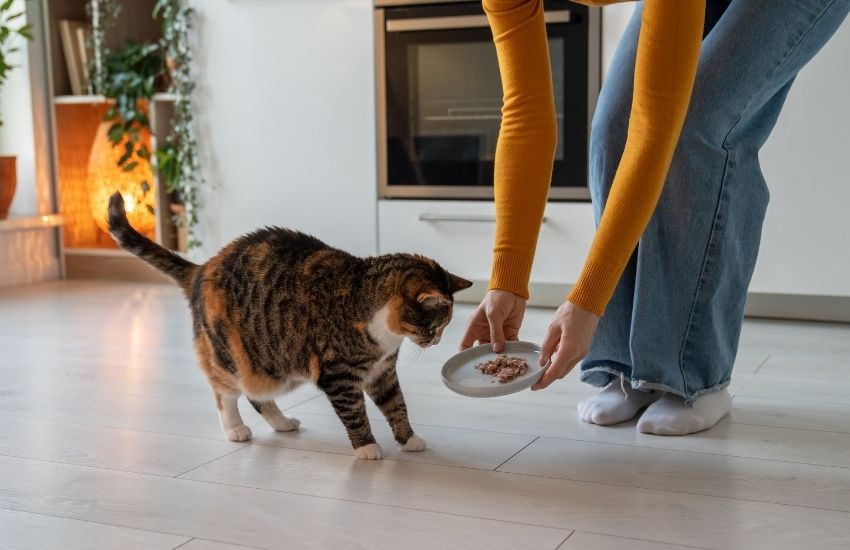
Manufacturers are introducing flavor systems designed for:
- Soup products
- Broths
- Gravies
- Hydration toppers
- Functional wet foods
Popular flavor ingredients include:
- Tuna broth
- Salmon broth
- Chicken bone broth
- Seafood hydrolysates
These ingredients improve aroma while encouraging fluid intake.
For cats, hydration-supporting flavor systems can significantly increase product attractiveness.
Trend #5: Species-Specific Flavor Engineering
One-size-fits-all palatants are becoming less common.
Modern manufacturers recognize that dogs and cats perceive flavor differently.
Cats often prefer:
- Fish notes
- Liver aromas
- Umami-rich proteins
Dogs frequently respond well to:
- Roasted meat flavors
- Poultry profiles
- Fat-based flavor systems
As a result, suppliers are creating species-specific flavor solutions that target unique sensory preferences.
This approach often improves feeding performance compared to generic palatants.
Trend #6: Functional Flavors for Senior Pets
Senior pet nutrition is one of the fastest-growing segments globally.
Older pets often experience:
- Reduced appetite
- Dental issues
- Digestive sensitivity
- Cognitive decline
Functional flavor systems are being developed to support:
- Easier feeding
- Enhanced aroma perception
- Digestibility
- Nutrient absorption
Ingredients frequently used include:
- Hydrolyzed proteins
- Fish oils
- Antioxidant compounds
- Joint-support ingredients
Strong aroma becomes especially important because aging pets may experience reduced sensory perception.
Trend #7: Protein-Rich Flavor Systems
High-protein diets continue gaining popularity.
Many premium brands now formulate products with:
- High meat inclusion
- Limited carbohydrates
- Animal-first formulations
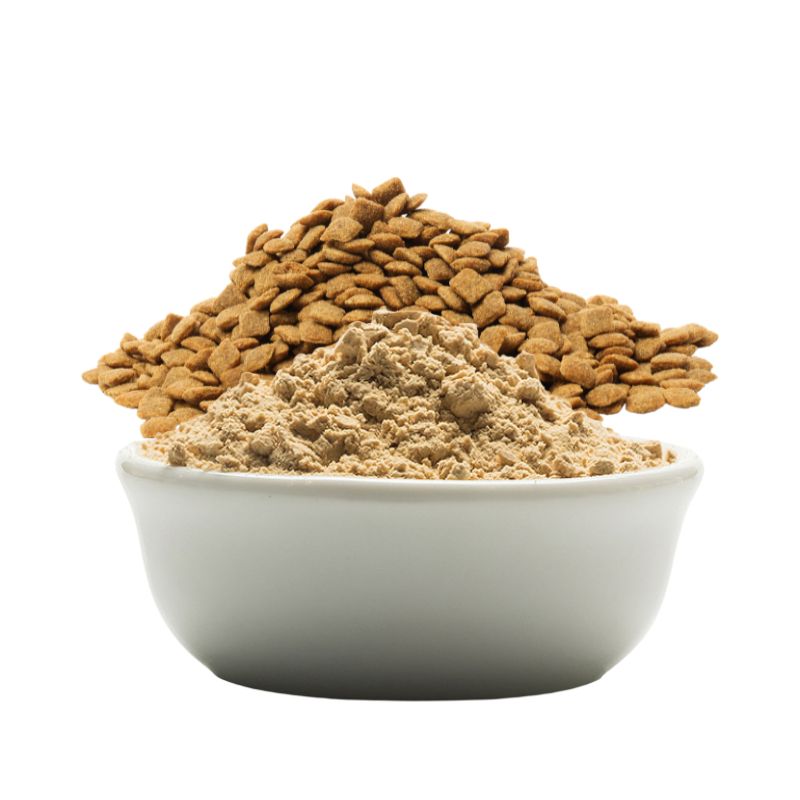
This trend has increased demand for flavor systems derived from:
- Chicken liver
- Duck liver
- Salmon hydrolysate
- Tuna digest
- Poultry digest
These ingredients naturally complement high-protein formulations while improving palatability.
Trend #8: Functional Cat Food Flavors
Cats remain one of the most challenging species when it comes to palatability.
Even minor changes in aroma can affect food acceptance.
As a result, manufacturers are investing heavily in feline-specific flavor systems designed to support:
- Appetite stimulation
- Hydration
- Hairball management
- Digestive health
- Urinary health
Many premium cat foods now combine functional ingredients with specialized flavor technologies to maximize feeding success.
Trend #9: Sustainable Functional Flavor Ingredients
Sustainability is influencing ingredient sourcing worldwide.
Manufacturers are exploring alternative protein sources such as:
- Insect protein hydrolysates
- Sustainable fish by-products
- Upcycled animal proteins
- Fermented protein ingredients
These solutions offer environmental advantages while maintaining palatability performance.
As sustainability becomes increasingly important, functional flavor systems will likely play a major role in supporting eco-friendly product development.
Trend #10: Multi-Benefit Flavor Systems
Perhaps the biggest trend is convergence.
Manufacturers no longer want separate solutions for flavor and functionality.
Instead, they increasingly seek ingredients that provide multiple benefits simultaneously.
For example:
A hydrolyzed chicken liver ingredient may contribute:
- Excellent aroma
- Improved feed acceptance
- Digestibility support
- Protein contribution
Similarly, fish-derived ingredients may provide:
- Strong palatability
- Omega-3 fatty acids
- Skin and coat support
This multi-benefit approach helps brands simplify formulations while improving product value.
How Pet Food Manufacturers Can Stay Ahead
To remain competitive, manufacturers should focus on three key areas.
1. Invest in Functional Palatability
Future products must deliver both health benefits and excellent feeding response.
2. Prioritize Natural Ingredients
Consumers increasingly favor recognizable ingredients over artificial alternatives.
3. Work with Experienced Palatant Suppliers
Choosing the right supplier can help optimize:
- Flavor performance
- Application rates
- Cost efficiency
- Stability
- Functional ingredient integration
A knowledgeable supplier can significantly accelerate product development.
The Future of Functional Pet Food Flavors
The next generation of pet food will not separate nutrition from palatability.
Instead, flavor systems themselves will become active contributors to pet health.
Future innovations will likely include:
- Precision nutrition flavor systems
- Personalized pet food flavors
- Advanced hydrolyzed protein technologies
- Microbiome-supporting palatants
- Functional coating systems
- AI-assisted flavor optimization
Manufacturers that embrace these trends today will be better positioned to meet tomorrow’s consumer expectations.
Final Thoughts
Functional pet food flavors are transforming the industry.
What was once simply a matter of taste is now becoming a sophisticated combination of nutrition, science, and sensory engineering.
For pet food manufacturers, the opportunity is clear:
Develop products that pets love to eat while delivering meaningful health benefits.
As demand for premium nutrition continues growing worldwide, functional flavor systems will become a key competitive advantage for brands seeking stronger product differentiation and customer loyalty.
At Profypet, we specialize in innovative pet food palatants and pet food palatability enhancer solutions designed to help manufacturers improve both flavor performance and functional value.
Frequently Asked Questions
What are functional pet food flavors?
Functional pet food flavors are flavor systems that improve palatability while also supporting benefits such as digestion, immunity, hydration, or skin health.
Why are functional flavors becoming popular?
Pet owners increasingly seek products that provide health benefits in addition to great taste and aroma.
Are natural palatants better than artificial flavors?
Natural palatants are increasingly preferred because they align with clean-label trends and consumer expectations.
Which functional flavor trend is growing fastest?
Gut health, hydration support, and immune-supporting flavor systems are currently among the fastest-growing segments.
How do pet food palatants improve product performance?
Palatants enhance aroma, flavor, feed acceptance, and overall feeding enthusiasm, helping improve customer satisfaction and repeat purchases.