For pet food manufacturers, palatant wholesalers, and ingredient buyers
Why Cats Care About Smell More Than Taste
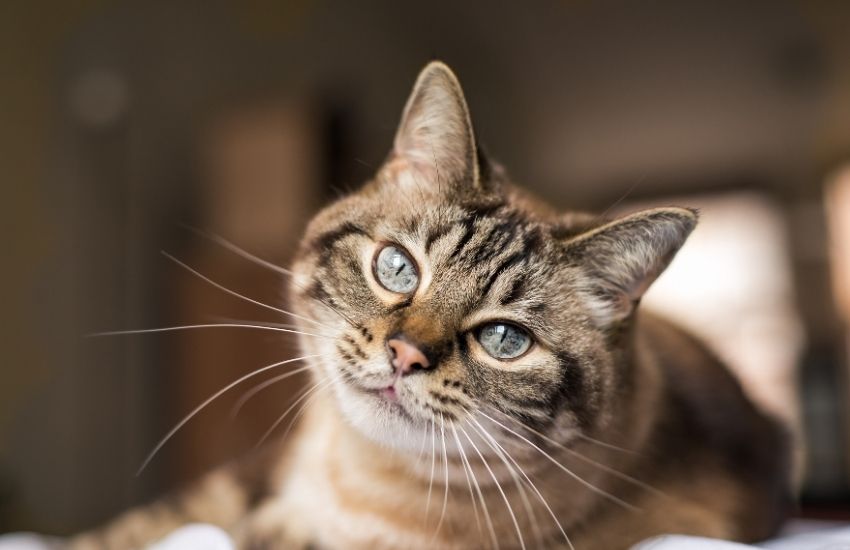
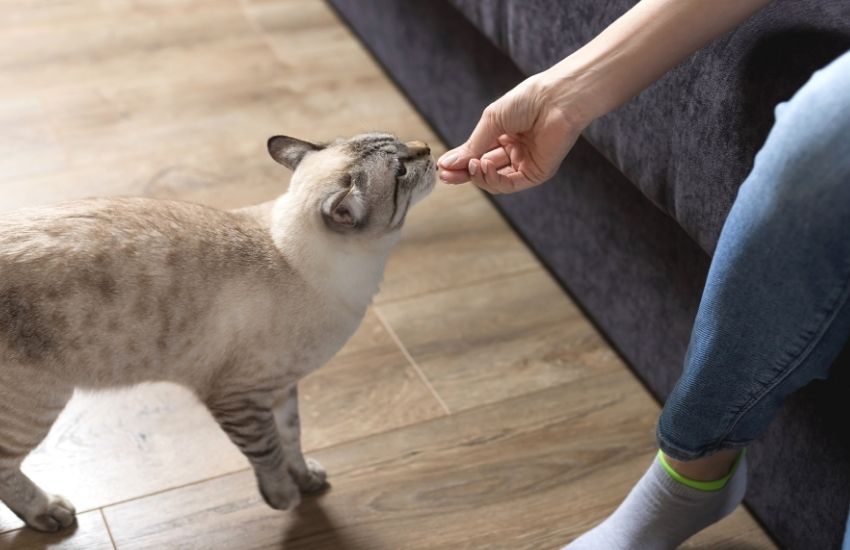
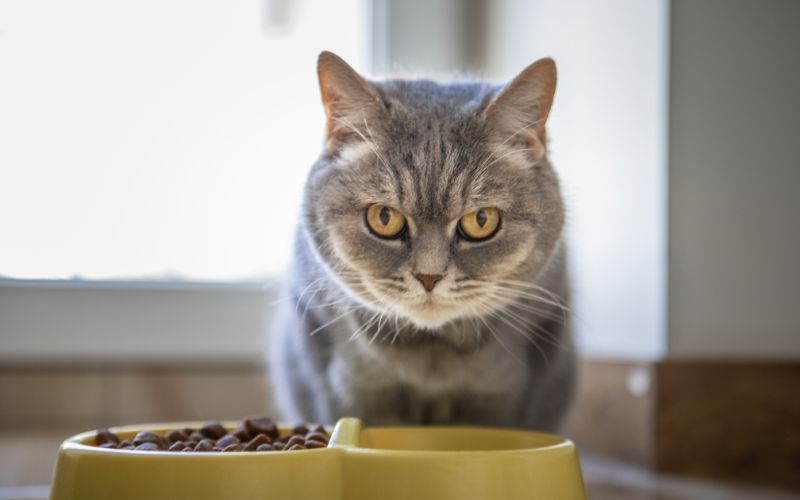
If you’ve ever tried feeding a picky cat, you know the struggle: no matter how nutritious or visually appealing the food looks, some cats just turn their noses up. That’s because for felines, smell is everything. Their sense of smell is incredibly sharp—over 200 million odor receptors compared to our mere 5 million.
This is where cat food aroma enhancers, also called palatants, come in. They are specially designed to make food smell irresistible, encouraging cats to eat happily and consistently. For pet food manufacturers, choosing the right enhancer isn’t just about flavor—it’s about creating a product cats actually want to eat.
What Are Aroma-Based Appetite Enhancers?
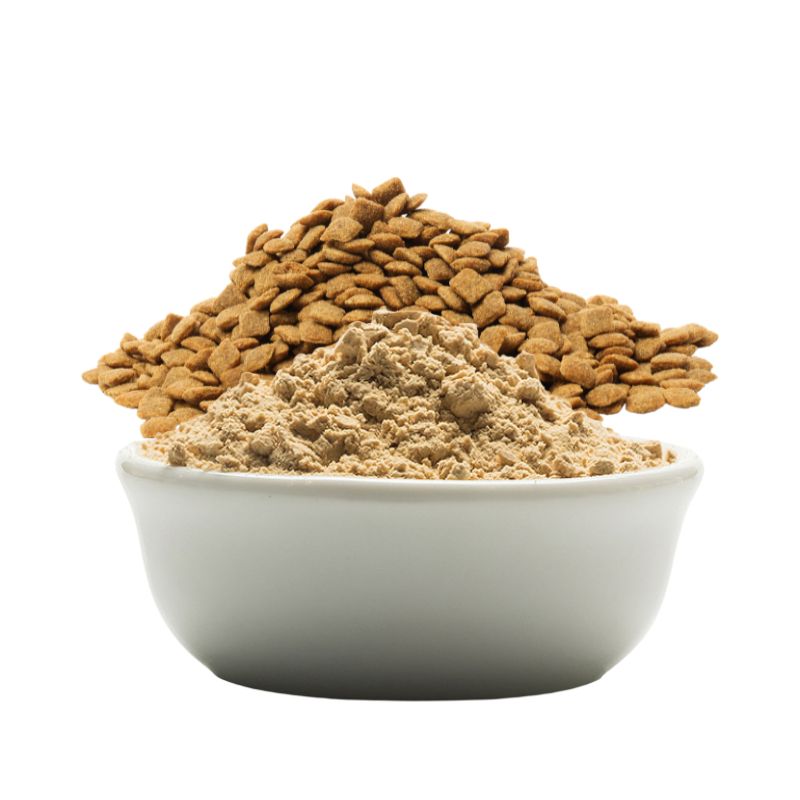
Aroma enhancers are feed additives that make cat food smell more appealing. They’re commonly used in both wet and dry foods and come in various forms: powders, liquid coatings, or spray-dried extracts.
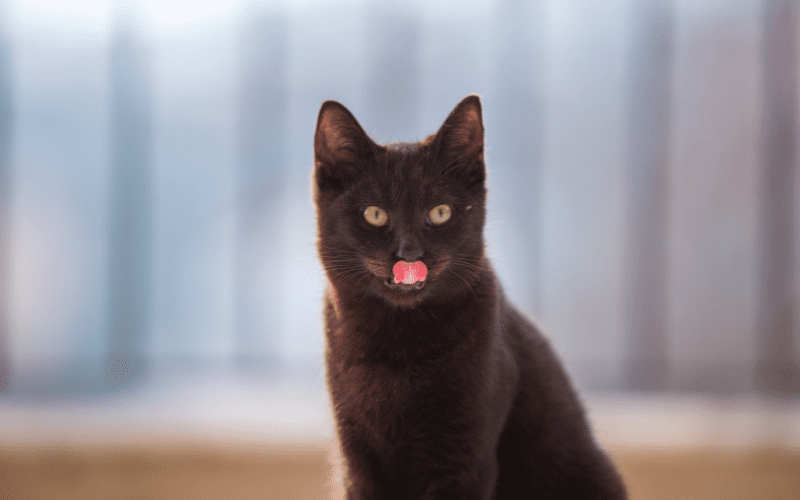
Common ingredients include:
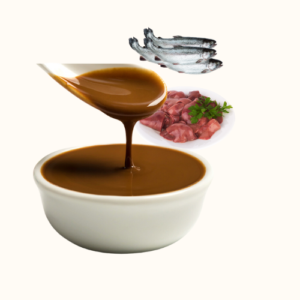
- Hydrolyzed animal proteins (chicken liver, tuna, salmon)
- Yeast extracts and fermentation products
- Amino acids and peptides that add umami flavor
- Natural fats and oils for richer aroma
Even small amounts of these enhancers can dramatically improve how a cat reacts to food.
Why Palatability Matters for Manufacturers
Cats are notoriously selective, and a product that fails to capture their attention can end up uneaten. Aroma enhancers help brands:
- Increase acceptance rates for picky or older cats
- Maintain consistent flavor across batches
- Ensure wet, dry, and semi-moist foods deliver a satisfying sensory experience
- Appeal to pet owners looking for high-quality, natural ingredients
For brands competing in the crowded cat food market, investing in palatability isn’t optional—it’s essential.
How Palatants Work in Cat Food
Different types of food require different approaches:
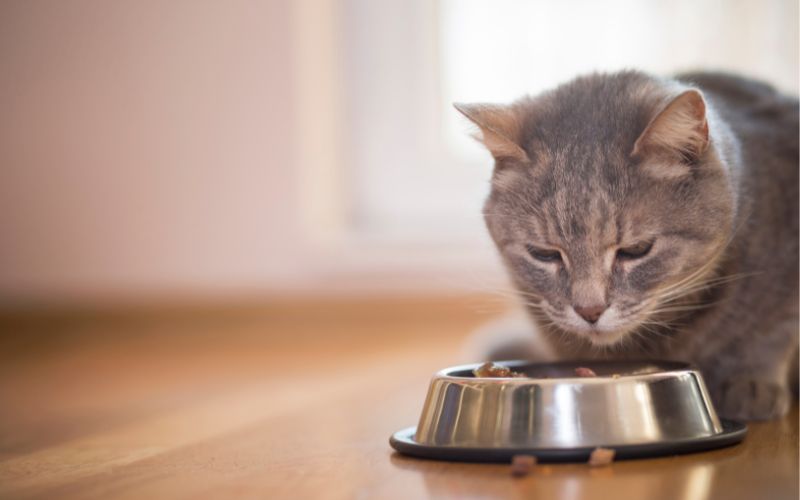
- Dry kibble: Fat-soluble enhancers coat the surface and release aroma during chewing.
- Wet food: Blended extracts and hydrolysates infuse the food with rich, savory scents.
- Treats and toppers: Powdered or oil-based enhancers make them instantly appealing.
By stimulating a cat’s sense of smell, these palatants encourage eating and improve overall satisfaction.
Cats vs. Dogs: Why One Size Doesn’t Fit All
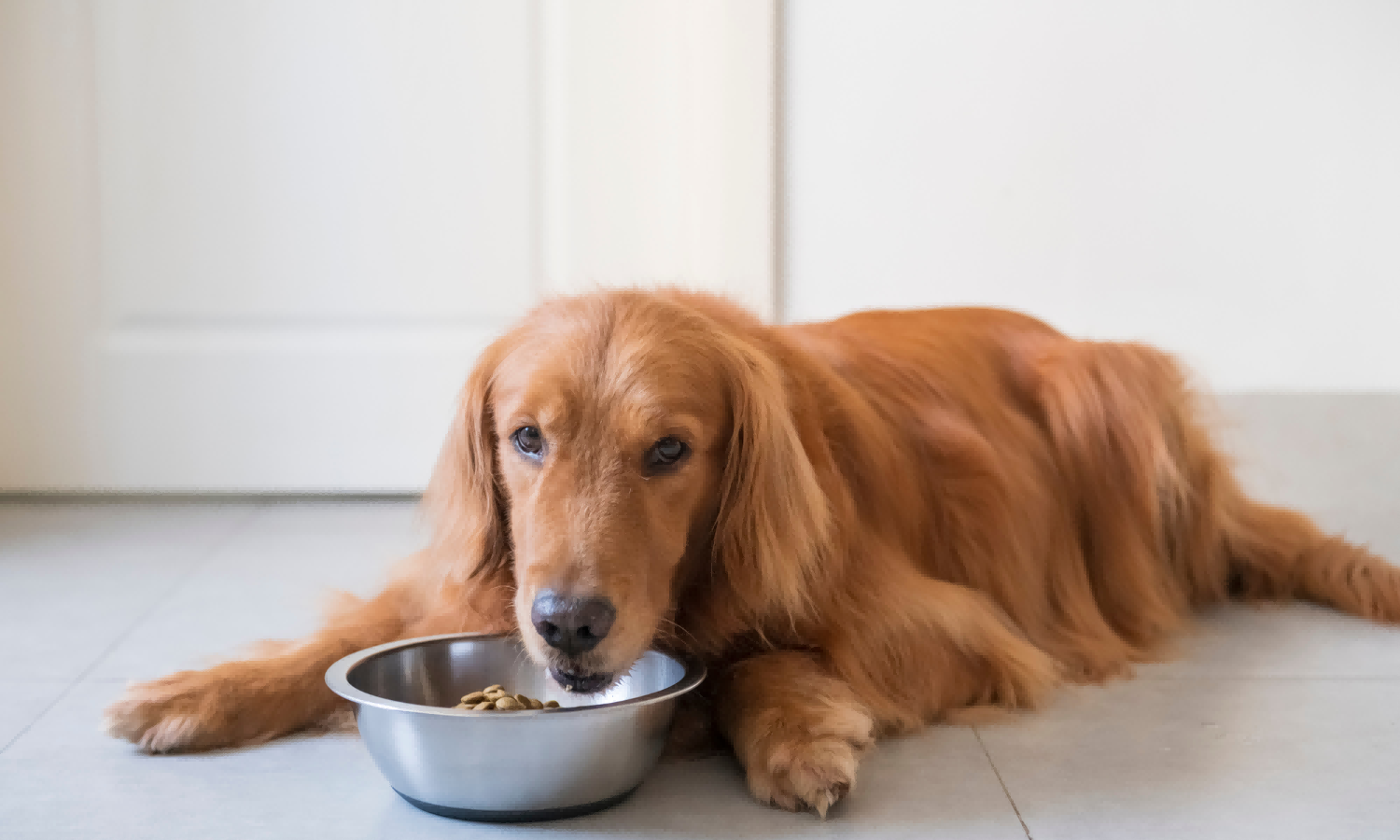
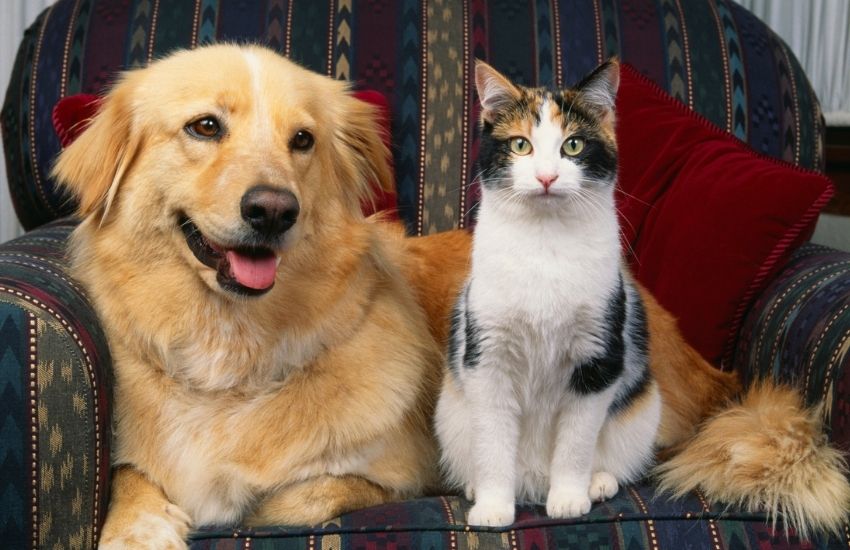
It’s tempting to think that a flavor enhancer for dogs will work for cats—but it won’t. Cats are obligate carnivores. They crave high-protein, meaty aromas and respond less to sweet or plant-based flavors that dogs enjoy.
For manufacturers producing both dog and cat food, species-specific palatants are key. Using the wrong one can mean wasted ingredients and unhappy pets.
Ingredients That Make Cats Come Back for More
Some of the most effective aroma-boosting ingredients in cat food include:
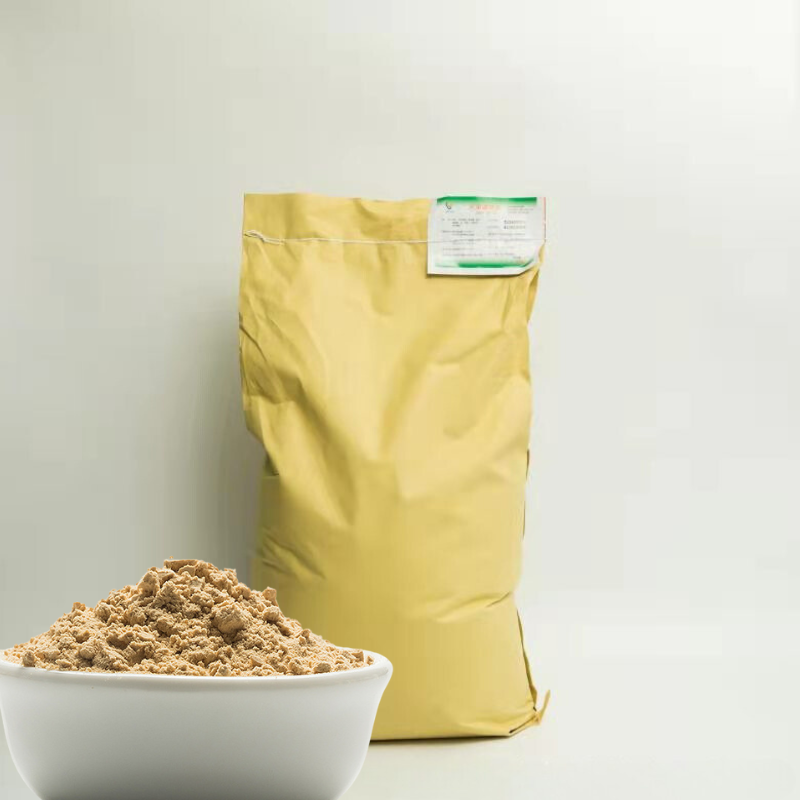
- Spray-dried chicken liver powder – strong, savory scent
- Fish hydrolysates – rich, marine flavor
- Animal digest – concentrated taste cats love
- Yeast extracts – adds umami and digestive benefits
- Natural oils and fats – enhance aroma release

Even in small doses, these ingredients make a huge difference in how cats perceive food.
Choosing the Right Palatant Supplier
For pet food manufacturers, picking the right supplier is just as important as choosing the ingredients. Look for partners who can offer:
- Reliable and consistent supply
- Custom formulations tailored to your product
- In-house testing and R&D support
- Regulatory compliance for international markets
At ProfyPet, we specialize in science-backed, cat-specific palatants that help your products succeed in the global market.
Conclusion: Aroma Is the First Bite
Cats may be small, but their standards are high. Aroma is their first impression, and palatants are your secret weapon. With the right ingredients, your cat food can be not just nutritious—but irresistible.
ProfyPet helps manufacturers and brands create food that cats love from the very first sniff.