Hydrolyzed Chicken Liver Palatant
In today’s competitive pet food industry, nutrition alone is no longer enough. Pet owners may read ingredient labels carefully, but if cats or dogs refuse to eat the food, even the most balanced formula fails.
That is exactly why hydrolyzed chicken liver palatant has become one of the fastest-growing ingredients in modern pet food formulation.
From premium dry kibble to wet cat food and freeze-dried treats, manufacturers are increasingly using hydrolyzed chicken liver to improve aroma, taste, and feeding acceptance. For pet food factories and private label brands, this ingredient is no longer just a flavor addition — it has become a strategic tool for increasing repeat purchases and customer satisfaction.
According to the American Pet Products Association (APPA), U.S. pet industry spending continues to rise, with pet food and treats representing the largest category of expenditure. Consumers are also moving toward premium, high-protein, highly palatable formulas that pets actively enjoy eating.
This shift is pushing demand for advanced pet food palatants and pet food palatability enhancers across global markets.
What Is Hydrolyzed Chicken Liver Palatant?
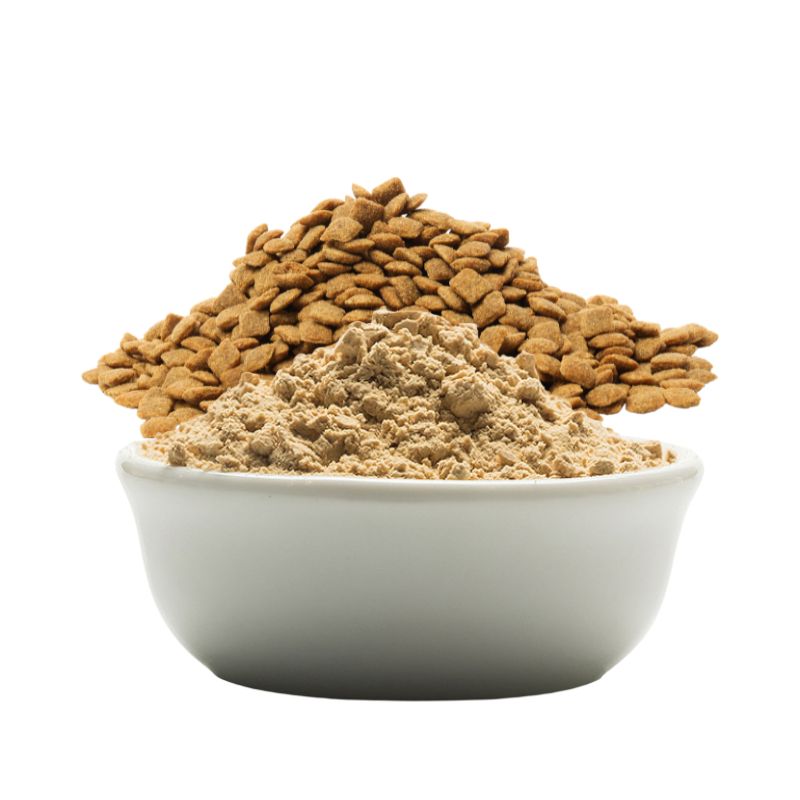
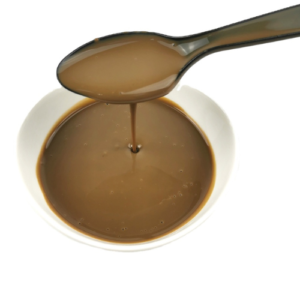
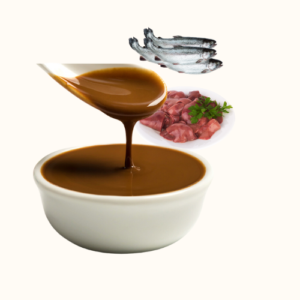
Hydrolyzed chicken liver palatant is a flavor-enhancing ingredient produced by enzymatically hydrolyzing chicken liver proteins into smaller peptides, amino acids, and flavor-active compounds.
During hydrolysis, complex proteins are broken down into highly digestible and highly aromatic molecules. These compounds naturally stimulate pets’ sensory responses, especially smell and taste.
The result is a concentrated ingredient that delivers:
- Strong meaty aroma
- Enhanced umami flavor
- Improved feeding attraction
- Better coating adhesion for dry kibble
- Increased palatability in wet and dry applications
Unlike artificial flavor systems, hydrolyzed chicken liver offers a more natural and protein-rich solution that aligns with clean-label trends in premium pet nutrition.
Why Palatability Matters More Than Ever
Pet owners often assume that nutritional formulation alone determines product quality. However, manufacturers know that palatability directly affects product success.
A nutritionally complete formula still fails commercially if pets consistently reject it.
This challenge is especially important for:
- Cat food manufacturers
- Senior pet food formulas
- Functional veterinary diets
- Grain-free products
- High-protein recipes
- Freeze-dried applications
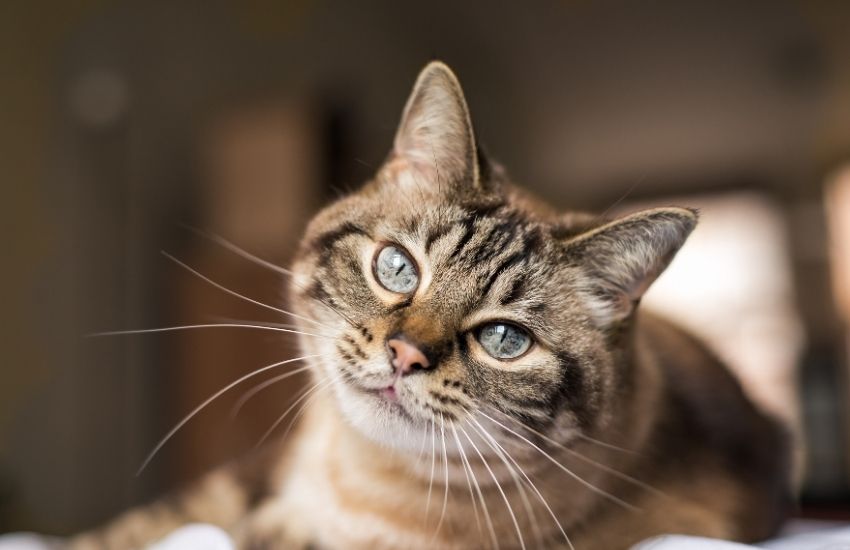
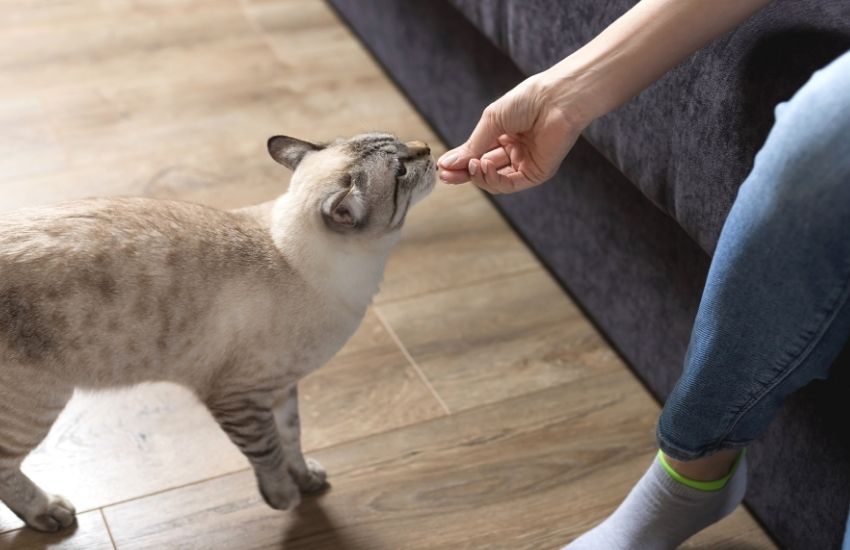
Cats, in particular, are extremely sensitive to aroma and taste. Research published by the National Research Council highlights that cats rely heavily on smell when selecting food.
Because hydrolyzed chicken liver contains naturally occurring amino acids and volatile compounds, it helps create the savory profile cats instinctively prefer.
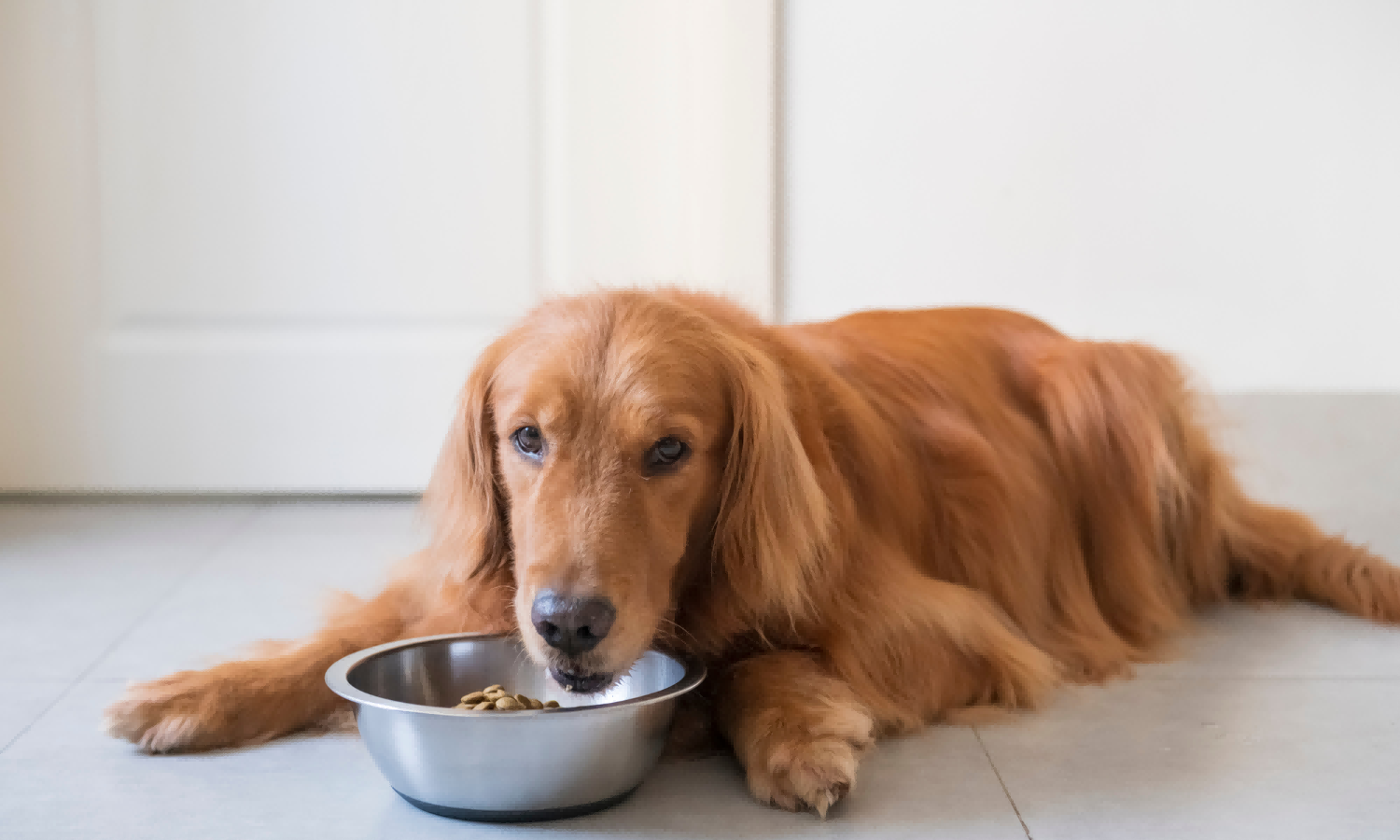
For dogs, palatability also impacts feeding consistency, especially in active breeds, picky eaters, and pets transitioning between diets.
How Hydrolyzed Chicken Liver Improves Pet Food Palatability
1. Strong Natural Aroma
One of the biggest advantages of hydrolyzed chicken liver is its highly attractive aroma profile.
The enzymatic hydrolysis process releases volatile flavor compounds that produce rich meaty notes. These aromas become especially effective in dry pet food applications, where aroma loss during extrusion is a common issue.
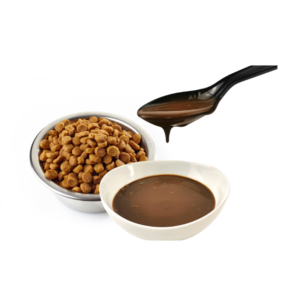
Manufacturers often spray liquid hydrolyzed liver palatants onto kibble surfaces after extrusion to restore aroma intensity.
2. Rich Umami Taste
Hydrolyzed chicken liver naturally contains amino acids such as glutamic acid, which contribute to umami flavor perception.
This savory taste profile is highly attractive to both dogs and cats.
Compared with basic poultry meal coatings, hydrolyzed liver provides deeper flavor complexity and stronger feeding stimulation.
3. Improved Feeding Acceptance
Palatability trials frequently show higher first-choice preference and sustained consumption rates when liver-based palatants are used.
This is especially important for:
- Kitten food
- Puppy food
- Prescription diets
- Limited-ingredient formulas
- Functional pet nutrition products
Improved feeding acceptance can directly reduce customer complaints and increase repurchase rates.
4. Better Digestibility
Because proteins are hydrolyzed into smaller peptides, the ingredient becomes easier to digest.
This makes hydrolyzed chicken liver especially suitable for sensitive digestion formulations and premium pet diets focused on gut health.
Applications in Modern Pet Food Manufacturing
Hydrolyzed chicken liver palatants are widely used across multiple product categories.
Dry Dog Food
Dry kibble often loses flavor during high-temperature extrusion.
Liquid liver palatants help restore aroma and improve surface taste after processing.
Dry Cat Food
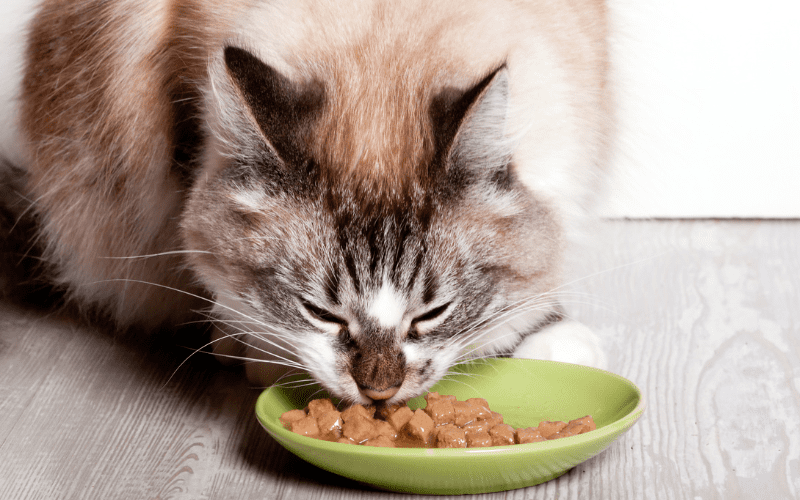
Cats are highly selective eaters. Chicken liver flavor profiles can significantly improve feeding interest in dry cat kibble.
Wet Pet Food
Hydrolyzed chicken liver can intensify meaty notes in canned or pouch formulas without requiring excessive fresh meat inclusion.
Freeze-Dried Treats
Freeze-dried treats already have strong nutritional positioning, but liver palatants can further improve aroma intensity and immediate pet attraction.
Functional Veterinary Diets
Prescription diets sometimes sacrifice taste due to nutritional restrictions.
Hydrolyzed palatants help improve compliance in therapeutic feeding programs.
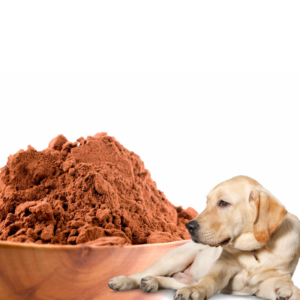
Powder vs. Liquid Hydrolyzed Chicken Liver Palatants
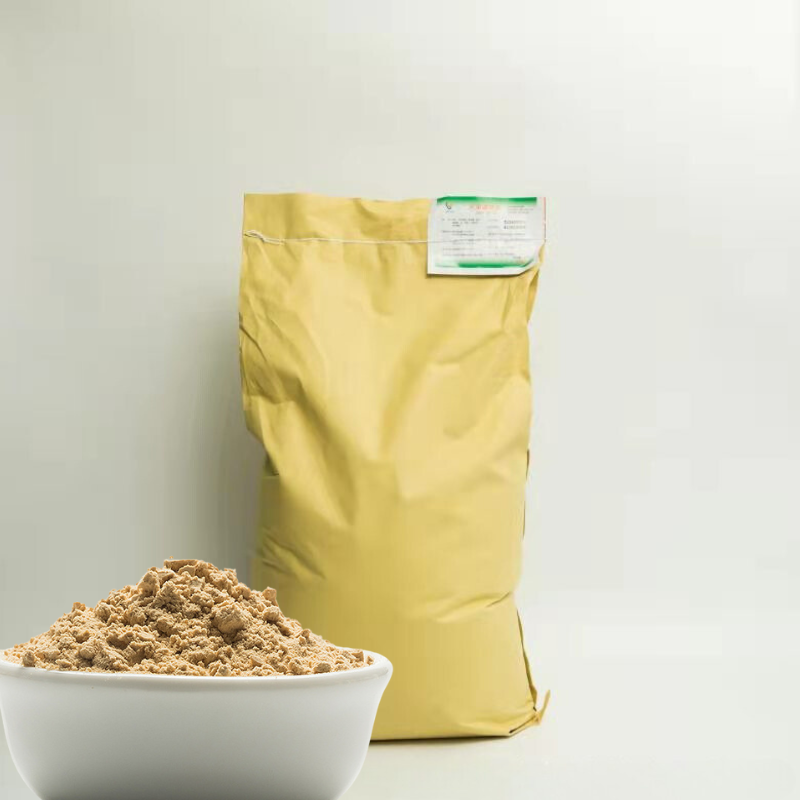
Manufacturers generally choose between powder and liquid forms depending on production requirements.
| Type | Advantages | Common Applications |
|---|---|---|
| Powder | Easy storage, stable shelf life, convenient dry blending | Premixes, baked treats, dry formulations |
| Liquid | Strong aroma release, superior coating performance | Extruded kibble coating systems |
Many large-scale pet food factories use liquid systems in vacuum coating lines for maximum flavor retention.
Market Trends Driving Demand
Several global trends are accelerating demand for hydrolyzed chicken liver palatants.
Premiumization of Pet Food
Consumers increasingly treat pets as family members and seek premium nutrition products.
According to industry reports from the Pet Food Industry publication, premium pet food continues to outperform standard economy segments globally.
Growth of High-Protein Formulas
High-protein diets can sometimes create bitterness or reduced acceptance.
Hydrolyzed liver helps balance flavor and maintain feeding appeal.
Clean Label Expectations
Brands are moving away from artificial flavor systems.
Natural protein-derived palatants fit better with modern ingredient transparency trends.
Expansion of Cat Food Markets
Cat ownership growth in Asia, Europe, and North America is increasing demand for highly specialized cat food palatability enhancers.
What Pet Food Manufacturers Should Look for in a Palatant Supplier
Not all hydrolyzed chicken liver palatants are equal.
Professional buyers usually evaluate suppliers based on several key factors.
Raw Material Quality
The quality of the original chicken liver directly affects flavor consistency and safety.
Enzymatic Hydrolysis Technology
Controlled hydrolysis determines peptide size, aroma release, and digestibility.
Flavor Stability
Palatants must remain stable during transportation, coating, and shelf storage.
Regulatory Compliance
Export-oriented manufacturers often require:
- HACCP systems
- ISO certifications
- BRC or IFS standards
- Traceability documentation
Customization Capability
Different markets prefer different flavor profiles.
For example:
- Southeast Asian markets often prefer stronger aroma intensity
- European formulations may favor cleaner-label positioning
- Premium U.S. brands often request higher protein specifications
A flexible supplier can customize palatability solutions based on formulation goals.
The Future of Pet Food Palatability Enhancement
Pet food palatability is becoming increasingly scientific.
Modern manufacturers now analyze:
- Feeding behavior
- Aroma release patterns
- Coating adhesion
- Species-specific flavor preferences
- Amino acid response profiles
Hydrolyzed chicken liver palatants fit perfectly into this next-generation formulation strategy because they combine:
- Natural protein sourcing
- Strong sensory appeal
- Functional digestibility
- Flexible application compatibility
As competition in premium pet food intensifies, flavor performance will become even more important for product differentiation.
Final Thoughts
Hydrolyzed chicken liver palatant is no longer just a simple flavor additive. It has become an essential part of modern pet food formulation strategy.
For pet food manufacturers, wholesalers, and private label brands, improving feeding acceptance can directly influence:
- Customer retention
- Brand reputation
- Repeat purchase rates
- Product positioning
Whether used in dry kibble, wet food, freeze-dried treats, or veterinary diets, hydrolyzed chicken liver continues to prove its value as an effective pet food palatability enhancer.
Manufacturers looking to develop more competitive pet food products can explore customized palatability solutions and technical support from Profypet, a specialized pet food palatants manufacturer focused on advanced flavor enhancement technologies for global pet food factories and wholesalers.