Introduction: Why Liquid Flavor Matters in Dog Food
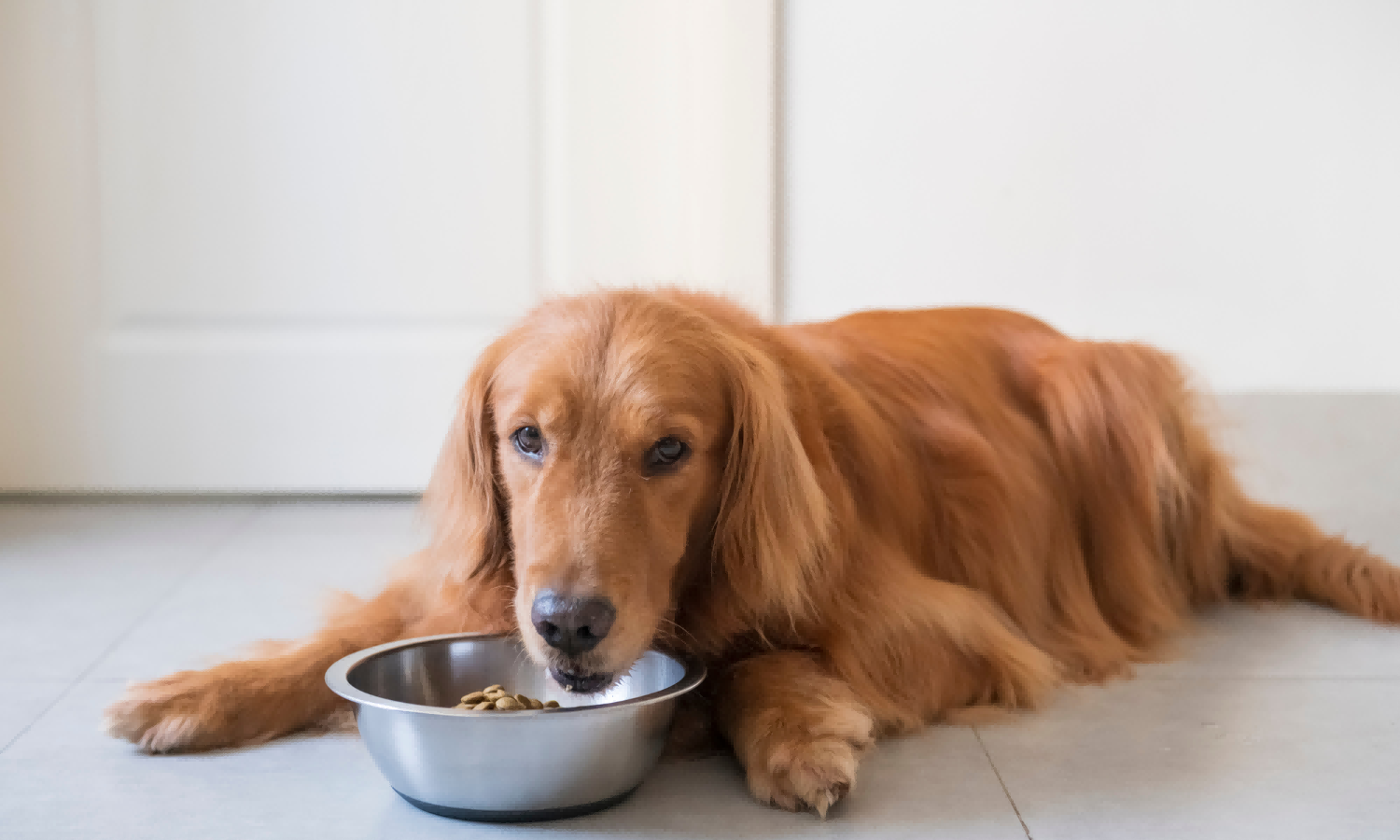
In a competitive pet food market, palatability is no longer optional—it’s a differentiator. Dogs, like humans, have preferences, and how food smells and tastes can drastically affect their willingness to eat. This is where liquid flavor enhancers for dog food come in. These concentrated, highly effective liquids are widely used in both dry and wet food manufacturing to increase food acceptance, repeat purchase rates, and brand loyalty.
For pet food factories, manufacturers, and palatant wholesalers, understanding the role and application of liquid flavoring is essential for staying ahead in product innovation and quality.
What Are Dog Food Flavor Liquids?
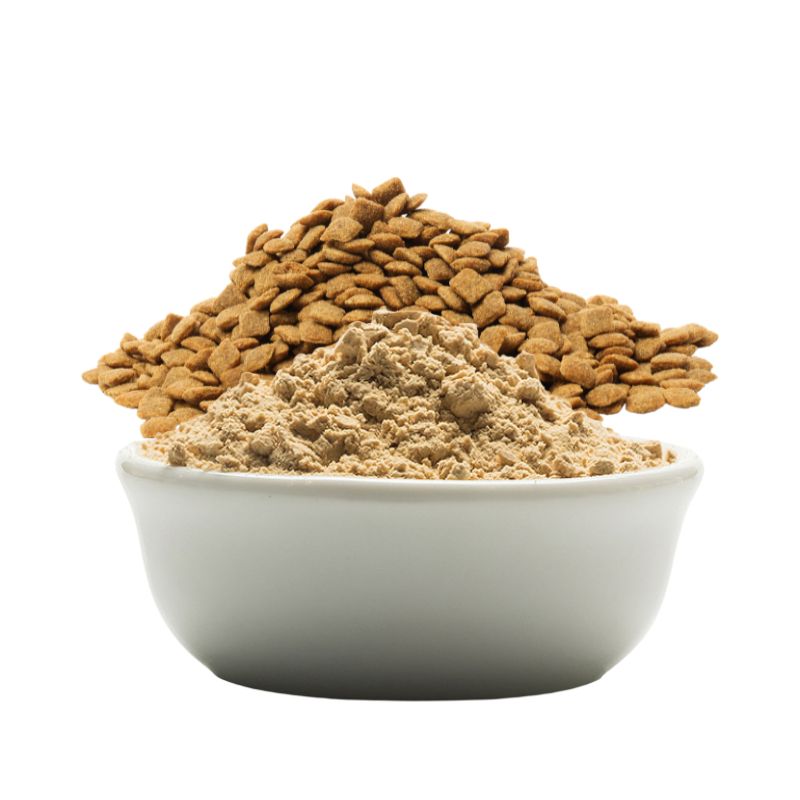
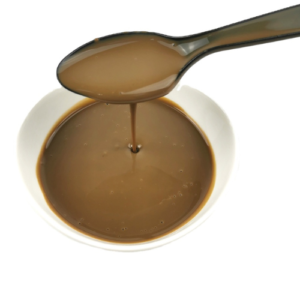
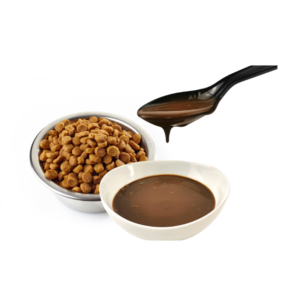
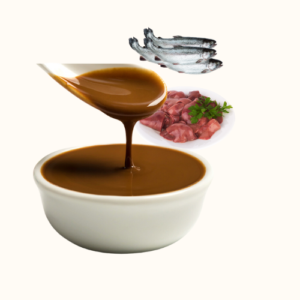
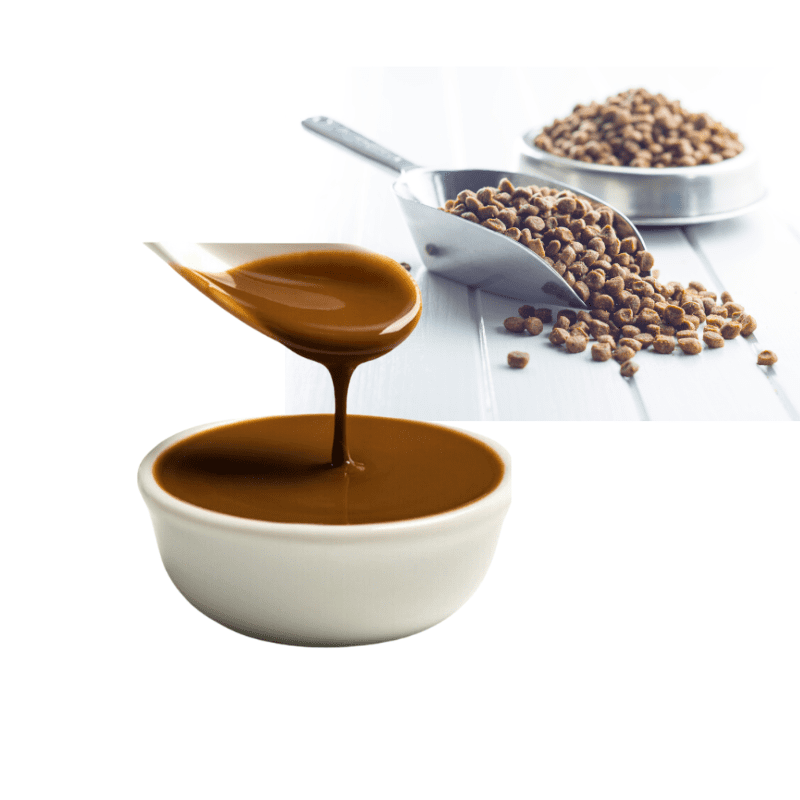
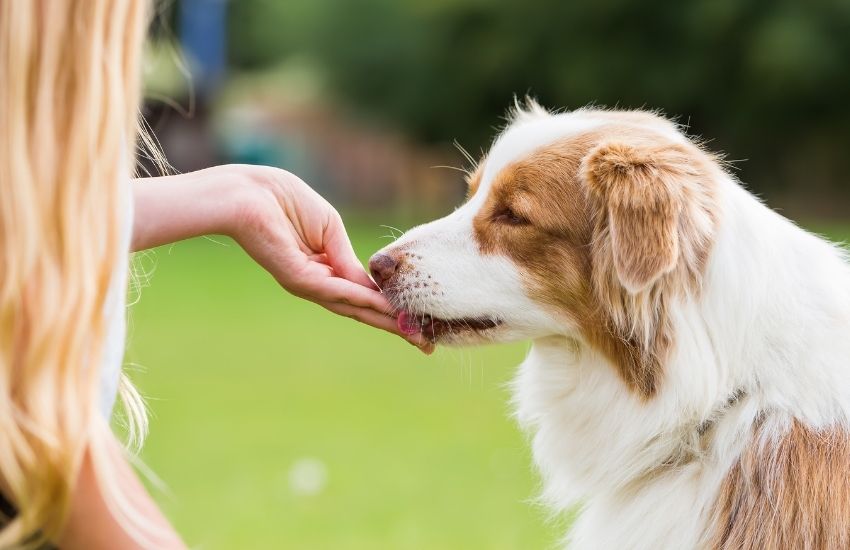
Dog food flavor liquids—also known as liquid palatants—are savory sauces, oils, or hydrolysate-based solutions applied to pet food (usually during or after the cooking or extrusion process). Their main purpose is to enhance aroma, taste, and overall appeal, making the food more attractive to dogs.
These flavor enhancers often include ingredients such as:
- Liver hydrolysates
- Meat broths
- Yeast extracts
- Natural oils and fats (e.g., chicken fat)
- Amino acids and nucleotides
They’re carefully formulated to meet not just taste but also nutritional and safety standards.
Why Use Liquid Flavor Enhancers in Dog Food?
1. Boost Palatability for Picky Eaters
Some dogs naturally have a reduced appetite or are selective eaters, especially older dogs or those with medical issues. Liquid palatants stimulate appetite and ensure adequate nutritional intake.
2. Improves First-Time Acceptance
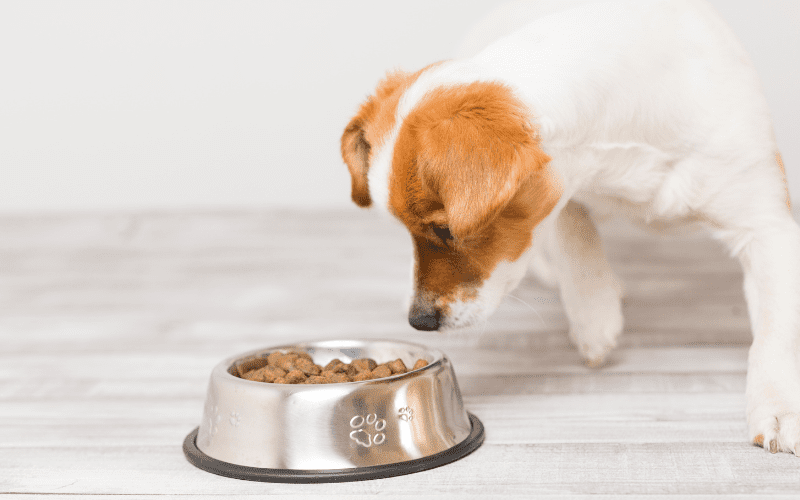
Flavor liquid coatings on dry kibble can increase the chance of first-time acceptance—a crucial factor in customer satisfaction and product reviews.
3. Customizable for Brand Differentiation
Manufacturers can create custom flavor profiles using specific animal proteins (e.g., chicken liver, duck, salmon), giving their product a unique sensory identity.
4. Compatible with Wet, Dry, and Semi-Moist Food
Whether it’s coating kibble, flavoring pouches, or enhancing wet food formulas, liquid palatants are versatile and adaptable to most food forms.
5. Supports Functional Nutrition
Liquid flavor enhancers can also carry functional additives such as vitamins, probiotics, or prebiotics—making them not just tasty but health-promoting too.

Types of Dog Food Flavor Liquids
| Type | Key Features | Common Use |
|---|---|---|
| Hydrolyzed Animal Proteins | High digestibility, rich umami | Dry kibble and wet food |
| Meat Fats (e.g. chicken fat) | Strong aroma, high palatability | Dry food coating |
| Yeast Extracts | Rich in glutamates, savory profile | Enhancing depth of flavor |
| Fish Oils (e.g. salmon oil) | Adds omega-3 benefits, distinct aroma | Functional and premium pet foods |
| Custom Flavored Oils | Brand-specific flavors, enhanced aroma | Signature formulas for OEM/ODM |
How Are Flavor Liquids Applied?
The most common method is surface coating using vacuum infusion or drum coating technology. This is especially popular for dry extruded kibble. The application involves:
- Spraying the kibble with oil or fat to create adhesion.
- Applying the liquid flavor evenly to coat the surface.
- Ensuring proper drying to avoid mold or spoilage.
In wet food manufacturing, liquid palatants can be added during the blending process or used as a top dressing in pouches or cans.

Considerations When Choosing a Dog Food Flavor Liquid
✅ Regulatory Compliance
Ensure the palatants meet AAFCO, FEDIAF, or CFIA standards depending on the target market.
✅ Shelf Stability
Choose liquids with controlled water activity and preservatives to ensure product stability and longer shelf life.
✅ Raw Material Quality
High-quality liver, meat, and fat sources lead to more consistent flavor and better consumer trust.
✅ Customization Options
Partnering with a flavor enhancer supplier that offers tailor-made formulations enables branding and taste innovation.
Trends in Liquid Flavor Enhancers for Dogs
- Natural & Clean Label Ingredients: Growing demand for “real meat” flavors and avoidance of synthetic additives.
- Functional Palatants: Combining flavor with health benefits like joint support or skin & coat enhancements.
- Sustainability: More brands exploring fish by-product or insect-based protein liquids as eco-friendly options.
- Breed-Specific Palatants: Some manufacturers now formulate flavors based on breed preferences and chewing behavior.
Challenges and Solutions
| Challenge | Solution |
|---|---|
| Palatant oxidation | Use of antioxidants like mixed tocopherols |
| Flavor consistency | Batch testing and supplier QC checks |
| Application uniformity | Invest in precise coating equipment |
| Shelf-life concerns | Microbial testing and water activity control |

Partner with a Trusted Palatant Manufacturer
At ProfyPet, we specialize in custom-developed liquid palatants for dog food. Whether you’re looking for a chicken liver extract for dry kibble or a fish-based enhancer for wet formulations, we provide B2B solutions that deliver flavor performance and food safety.
Our team supports:
- OEM/ODM customization
- Regulatory documentation
- Export compliance
- Palatability testing services
Final Thoughts
Liquid flavor enhancers are an essential tool for modern pet food formulation—not just for improving taste, but for boosting brand reputation and customer retention. As dogs become more like family members to consumers, the demand for flavorful, nutritious, and enjoyable food only continues to rise.
If you’re a pet food factory, brand owner, or palatant wholesaler looking to upgrade your product offerings, liquid flavor technology is a game changer.