
Meat Digest for Pet Food: Why It Has Become Essential in Modern Pet Nutrition
Imagine spending months developing a premium pet food formula.
You carefully select high-quality proteins, balance amino acids, add functional ingredients, and optimize nutrition. Everything looks perfect on paper.
Then the ultimate judges arrive:
The pets.
And surprisingly, some of them simply walk away from the bowl.
This challenge is far more common than many pet food manufacturers realize.
In today’s highly competitive pet food industry, nutrition alone is no longer enough. Palatability has become one of the most important factors influencing product success, customer satisfaction, and repeat purchases.
That’s why meat digest for pet food has become one of the most widely used ingredients in dry kibble, treats, wet food, supplements, and veterinary diets.
For pet food manufacturers, meat digest is not merely a flavor ingredient. It is a scientifically developed palatability solution that helps transform nutritionally balanced products into foods that pets genuinely enjoy eating.
In this guide, we’ll explore what meat digest is, how it’s produced, why it’s so effective, and how manufacturers use it to improve feeding performance.
What Is Meat Digest for Pet Food?
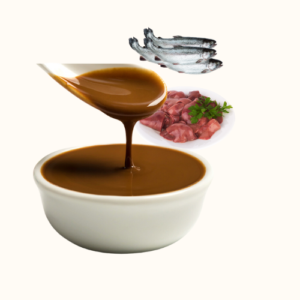
Meat digest is a highly palatable ingredient produced through the controlled enzymatic hydrolysis of animal proteins and tissues.
During hydrolysis, proteins are broken down into:
- Small peptides
- Free amino acids
- Flavor-active compounds
- Soluble protein fractions
The resulting liquid or powder contains concentrated meat flavors that are extremely attractive to dogs and cats.
Unlike whole meat ingredients, meat digest is primarily used to enhance aroma and taste rather than provide major nutritional value.
The ingredient is commonly applied to:
- Dry dog food
- Dry cat food
- Semi-moist pet food
- Pet treats
- Dental chews
- Veterinary diets
- Functional pet supplements
Because of its strong flavor profile, only relatively small application levels are typically required to achieve significant palatability improvements.
Why Palatability Matters More Than Ever
The global pet food industry has entered an era of premiumization.
Pet owners increasingly purchase products featuring:
- High protein content
- Functional ingredients
- Limited ingredient recipes
- Grain-free formulations
- Novel proteins
- Veterinary nutrition
However, many of these nutritional innovations create formulation challenges.
For example:
- Reduced fat content may lower flavor intensity.
- Functional ingredients may introduce bitterness.
- Alternative proteins may have unfamiliar aromas.
- High-fiber diets may reduce feeding enthusiasm.
This creates a dilemma for manufacturers.
How do you maintain excellent nutrition while ensuring pets continue eating enthusiastically?
The answer often involves advanced palatability technologies such as meat digest and pet food palatants.
How Meat Digest Is Produced
Many pet owners hear the term “digest” and assume it refers to an artificial additive.
In reality, high-quality meat digest is produced through a carefully controlled biological process.
Step 1: Raw Material Selection
Manufacturers select protein-rich animal materials such as:
- Chicken
- Turkey
- Beef
- Pork
- Duck
- Fish
The quality of raw materials directly affects the final flavor profile.
Step 2: Enzymatic Hydrolysis
Specialized enzymes break proteins into smaller molecules.
This process creates:
- Flavor precursors
- Peptides
- Amino acids
- Natural savory compounds
Hydrolysis also increases digestibility compared with intact proteins.
Step 3: Flavor Development
The hydrolyzed mixture develops rich meat aromas through controlled processing.
Some manufacturers further optimize flavor characteristics for specific species.
Step 4: Stabilization
The digest is stabilized into:
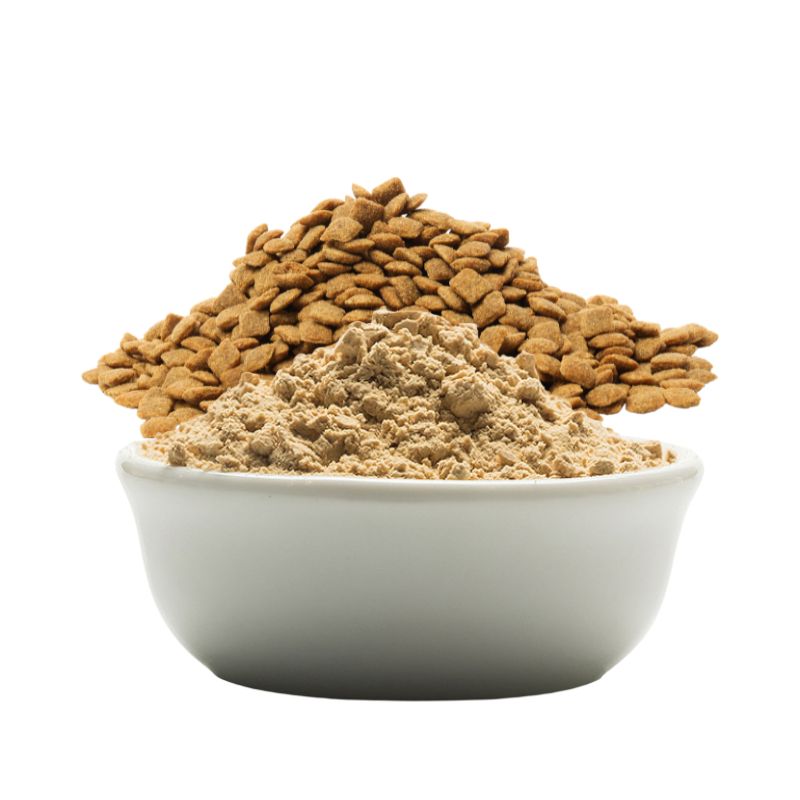
- Liquid meat digest
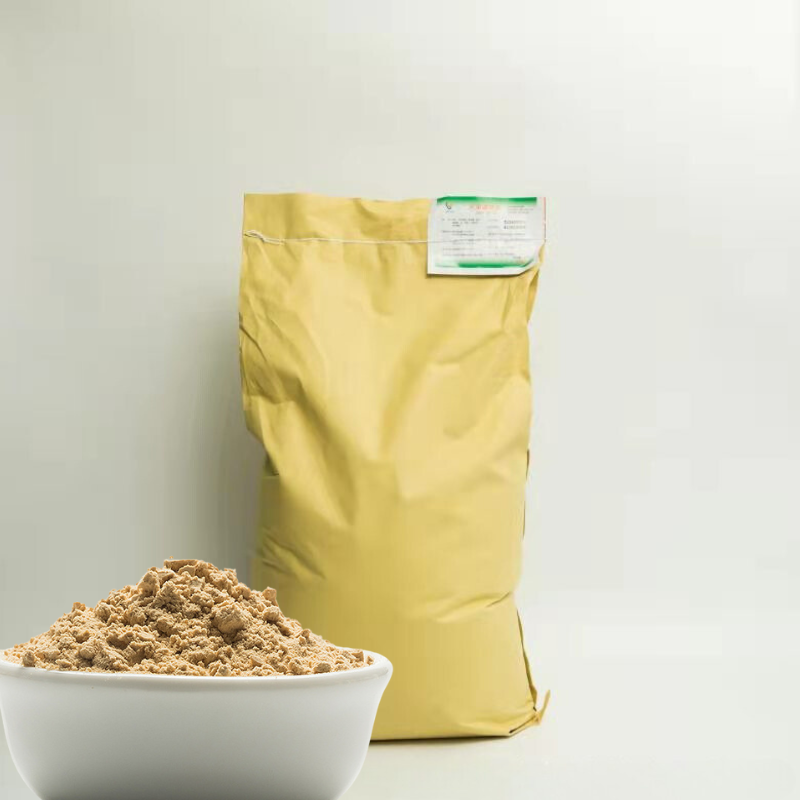
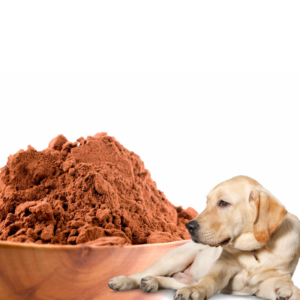
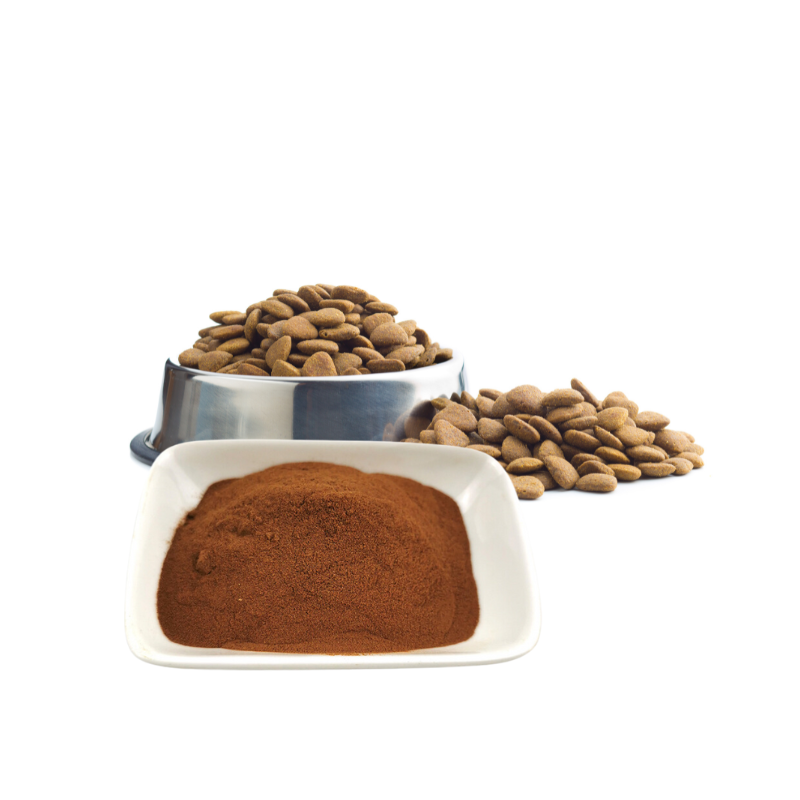
- Powder meat digest
Both forms offer unique advantages depending on the application.
Why Dogs and Cats Love Meat Digest
The effectiveness of meat digest is rooted in animal biology.
Dogs and cats evolved to recognize specific compounds associated with animal proteins.
These compounds include:
- Amino acids
- Peptides
- Sulfur-containing compounds
- Meat volatiles
When pets detect these compounds, they instinctively associate them with nutrient-rich food sources.
For Dogs
Dogs respond strongly to:
- Meaty aromas
- Savory flavors
- Fat-associated compounds
Meat digest enhances both aroma and taste perception.
For Cats
Cats are often far more selective.
They rely heavily on smell before deciding whether to eat.
Even minor aroma changes can influence feeding behavior.
This is why meat digest is especially important in cat food formulations.
Many cat food manufacturers use chicken liver digest or fish-based digest systems to maximize acceptance.
Meat Digest vs Whole Meat Ingredients
One common misconception is that more meat automatically means better palatability.
In reality, whole meat and meat digest serve different purposes.
| Whole Meat | Meat Digest |
|---|---|
| Nutritional protein source | Palatability enhancer |
| Provides amino acids | Provides flavor compounds |
| Expensive at high inclusion rates | Effective at low inclusion rates |
| Limited aroma intensity after processing | Strong flavor impact |
| Main formula ingredient | Functional coating ingredient |
The most successful formulations often combine both.
Whole meat provides nutrition.
Meat digest provides feeding appeal.
Meat Digest in Dry Pet Food Coating Systems
One of the most common applications for meat digest is post-extrusion coating.
After kibble is:
- Extruded
- Dried
- Cooled
Manufacturers apply coatings containing:
- Animal fats
- Fish oils
- Liquid palatants
- Meat digest
This process creates a highly attractive outer layer.
Benefits of Coating with Meat Digest
Improved Aroma
The aroma reaches pets immediately when the package is opened.
Better First-Bowl Acceptance
Pets are more likely to try the food.
Increased Repeat Feeding
Consistent flavor helps maintain long-term feeding enthusiasm.
Reduced Formula Rejection
Digest helps mask less appealing ingredient notes.
Liquid Meat Digest vs Powder Meat Digest
Manufacturers often choose between liquid and powdered formats.
Liquid Meat Digest
Advantages:
- Strong aroma release
- Excellent coating performance
- Uniform application
- High palatability
Best used in:
- Dry kibble coating
- Wet food systems
- Premium formulations
Powder Meat Digest
Advantages:
- Longer shelf life
- Easier transportation
- Better storage stability
- Flexible inclusion options
Best used in:
- Pet treats
- Supplements
- Dry premixes
- Dental chews
Many manufacturers use both forms depending on production requirements.
Why Meat Digest Is Critical for Veterinary Diets
Veterinary diets often face unique palatability challenges.
Many therapeutic formulations contain:
- Reduced protein
- Restricted minerals
- Functional fibers
- Specialized nutrients
Unfortunately, these ingredients may reduce flavor appeal.
When pets refuse therapeutic diets, nutritional goals become difficult to achieve.
Meat digest helps improve acceptance in:
- Kidney support diets
- Weight management diets
- Gastrointestinal formulas
- Senior pet diets
- Recovery diets
For veterinarians and pet owners, improved compliance can significantly affect feeding outcomes.
Industry Trends Driving Meat Digest Demand
Premiumization
Consumers increasingly seek premium pet food experiences.
Palatability plays a major role in perceived product quality.
Humanization of Pets
Owners expect their pets to enjoy meals just as humans enjoy food.
Growth of Cat Ownership
Cats are generally more selective eaters than dogs.
This increases demand for advanced flavor systems.
Functional Nutrition
As formulas become more complex, manufacturers need stronger palatability solutions.
Global Competition
Pet food brands increasingly compete on feeding performance rather than nutrition alone.

How to Choose a Meat Digest Supplier
Not all meat digest products perform equally.
Manufacturers should evaluate suppliers based on:
Raw Material Quality
High-quality animal proteins produce superior flavor profiles.
Consistency
Every batch should deliver predictable performance.
Species Expertise
Dog and cat preferences differ significantly.
Technical Support
Leading suppliers assist with:
- Application rates
- Coating optimization
- Formula troubleshooting
- Feeding evaluations
Certifications
Look for suppliers maintaining standards such as:
- ISO22000
- BRC
- HACCP
- IFS
Testing Data
Reliable suppliers often provide:
- Preference studies
- Intake testing
- Stability evaluations
Common Challenges When Using Meat Digest
Although highly effective, manufacturers should monitor:
Oxidation
Improper storage may affect flavor stability.
Over-Application
Excessive inclusion can increase costs without improving performance.
Coating Uniformity
Uneven distribution may create inconsistent feeding experiences.
Formula Compatibility
Digest systems should complement the overall flavor profile.
Successful application requires balancing palatability, cost, and manufacturing efficiency.
The Future of Meat Digest in Pet Food
As the pet food industry evolves, meat digest technology continues advancing.
Future developments are expected to include:
- Species-specific flavor systems
- Improved hydrolysis technologies
- Enhanced aroma retention
- Sustainable protein sources
- Precision palatability solutions
- Clean-label digest products
Manufacturers increasingly recognize that palatability is not merely a marketing feature.
It is a core driver of product performance.
Final Thoughts
Meat digest for pet food has become one of the most important tools available to modern pet food manufacturers.
While nutrition remains essential, pets ultimately decide whether a formula succeeds.
By enhancing aroma, taste, and feeding acceptance, meat digest helps bridge the gap between nutritional science and real-world feeding behavior.
For brands developing dry kibble, cat food, pet treats, veterinary diets, or functional nutrition products, meat digest remains one of the most effective solutions for improving palatability and encouraging consistent consumption.
If you’re looking for customized meat digest solutions, liquid palatants, powder palatants, or pet food palatability enhancers, explore the technical resources available at:
Frequently Asked Questions
What is meat digest in pet food?
Meat digest is a hydrolyzed animal protein ingredient used primarily to improve pet food flavor, aroma, and palatability.
Is meat digest safe for dogs and cats?
Yes. Properly manufactured meat digest is widely used in commercial pet foods and complies with pet food safety regulations.
What is the difference between meat digest and meat meal?
Meat meal is a nutritional protein source, while meat digest is primarily used as a palatability enhancer.
Why is meat digest used in cat food?
Cats are highly sensitive to aroma. Meat digest helps improve food acceptance and feeding enthusiasm.
Can meat digest be used in pet treats?
Yes. Meat digest is commonly used in pet treats, dental chews, supplements, and dry kibble coating systems to improve flavor appeal.