For Pet Food Palatant Wholesalers, Manufacturers, and Factories
Pet Feed Additives for Dogs and Cats
Introduction
In today’s highly competitive pet food industry, delivering a complete and balanced formula isn’t enough. Success lies in producing pet food that’s not only nutritious but also delicious, digestible, and differentiated. This is where pet feed additives play a vital role.
From improving palatability to supporting gut health, pet feed additives are essential for formulating functional, flavorful, and performance-driven diets for dogs and cats. Whether you’re a pet food manufacturer, OEM/ODM formulator, or ingredient wholesaler, understanding the application and value of additives is key to staying ahead in the market.
What Are Pet Feed Additives?
Pet feed additives are specialized compounds incorporated into pet food to enhance taste, aroma, shelf life, nutrient value, and health functionality. They are typically used in small amounts but have a significant impact on product performance and consumer satisfaction.
Main categories include:
- Palatability enhancers (palatants) – Improve taste and aroma to increase feed acceptance.
- Nutritional additives – Vitamins, minerals, amino acids, and essential fatty acids for complete nutrition.
- Functional health additives – Support joint, skin, gut, or immune health (e.g., glucosamine, prebiotics).
- Preservatives and antioxidants – Maintain freshness and shelf stability.
- Color and flavor agents – Increase visual appeal and product differentiation.
Why Are Feed Additives Essential in Pet Food Production?
1. Consumer Trends and Expectations
Modern pet parents are more educated and selective. They want pet food that mimics human food in terms of quality, health benefits, and sensory appeal.
- Pet humanization is driving demand for functional and gourmet pet foods.
- Clean labels and ingredient transparency are increasingly important.
- Palatability and consistency drive brand loyalty and repeat purchases.
2. Enhancing Feed Intake and Flavor
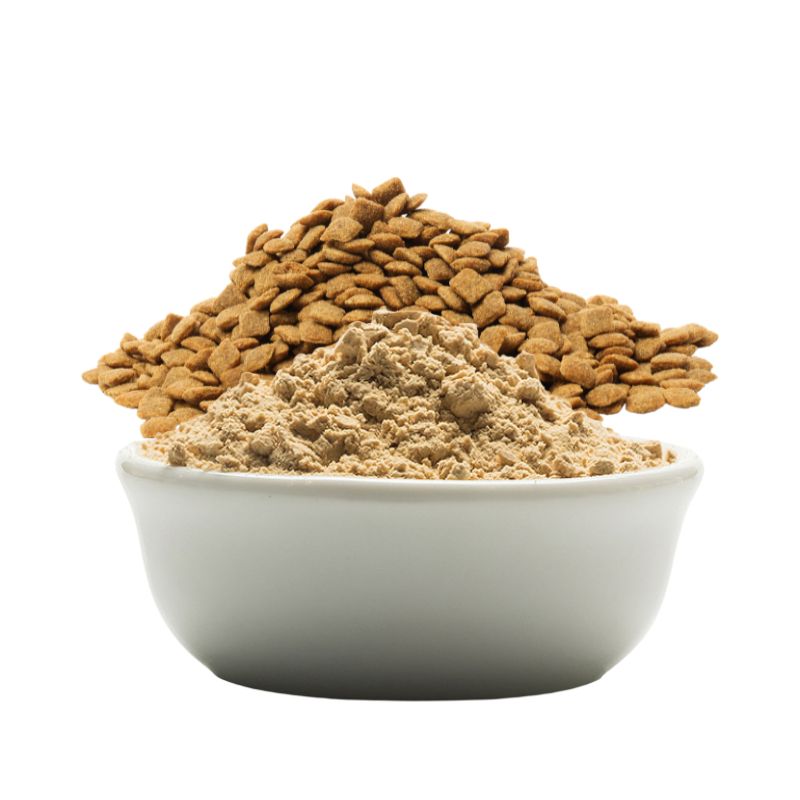
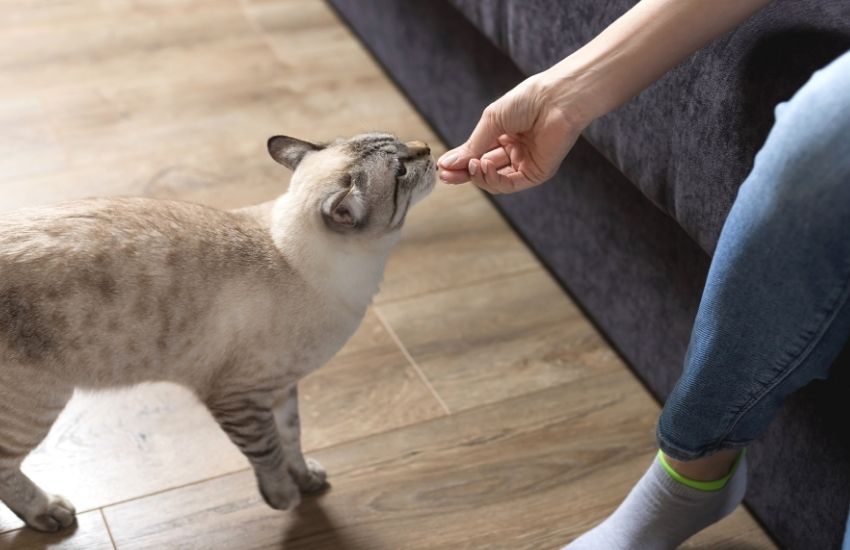
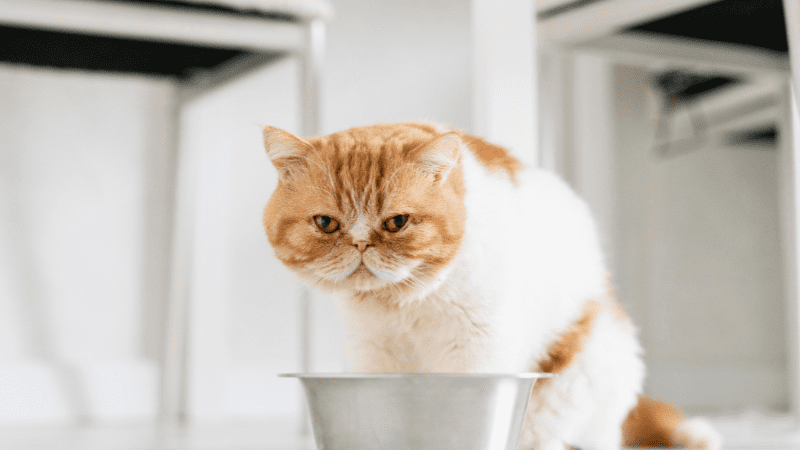
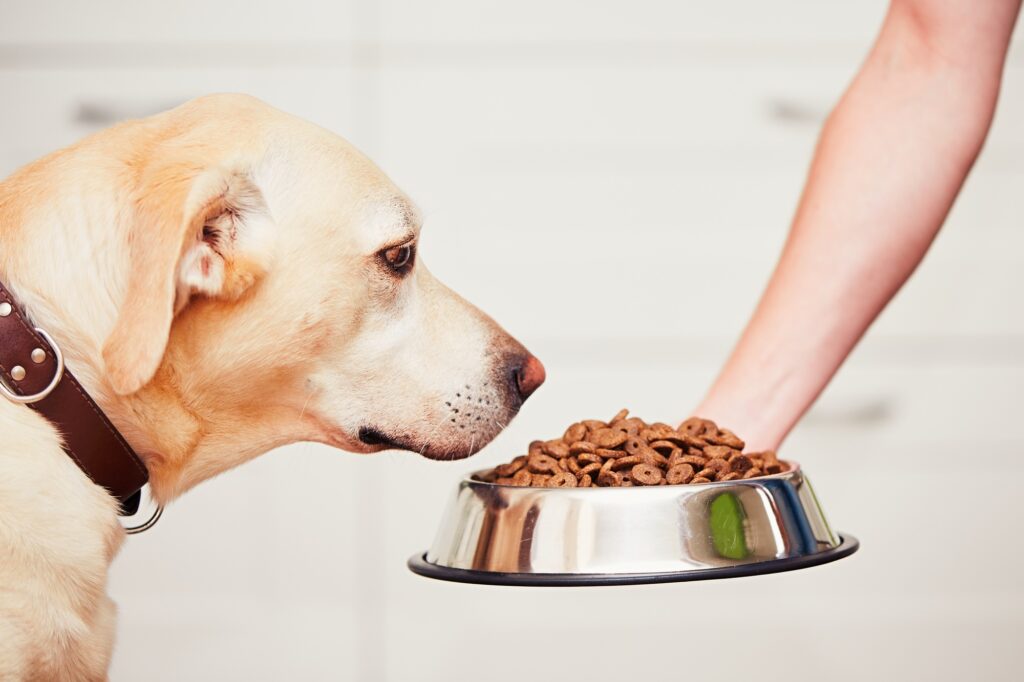
Dogs and cats are sensitive to smell and taste. If a food doesn’t appeal to their senses, they may reject it—no matter how nutritious. Palatants solve this problem by enhancing the flavor and aroma profile, increasing consumption, and improving overall acceptance.
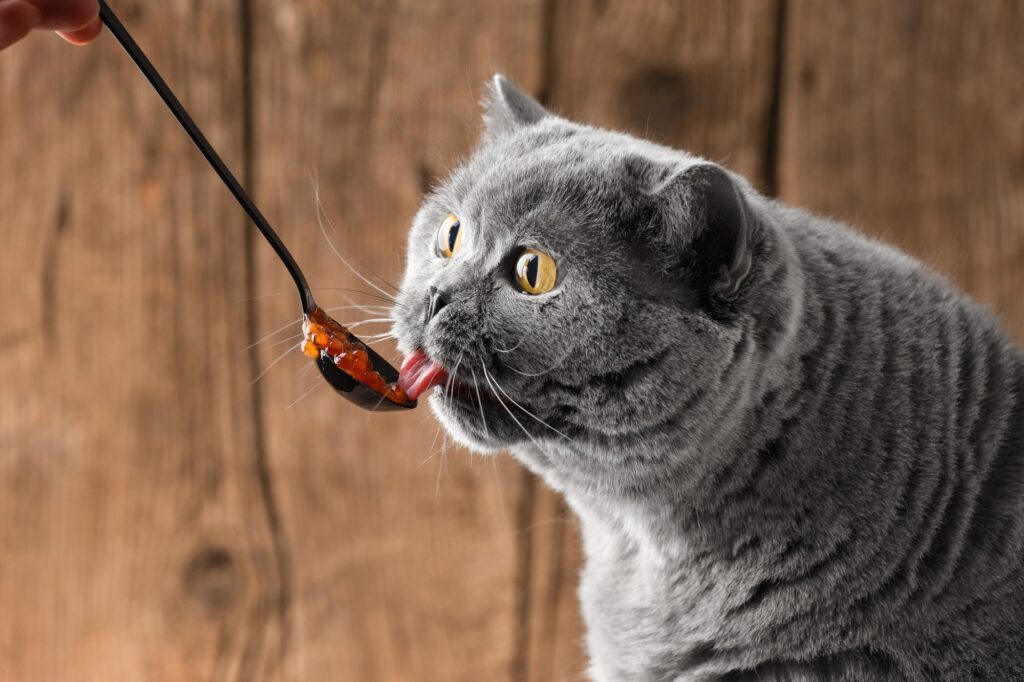
Key types of palatants include:
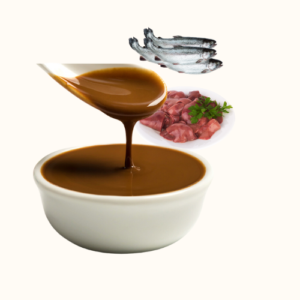
- Enzyme-hydrolyzed animal proteins (liver, meat, fish)
- Yeast extracts
- Spray-dried animal digests
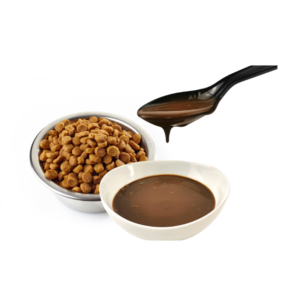
These are applied as surface coatings, particularly in dry kibble, or incorporated during wet food processing.
3. Supporting Health and Performance
Certain additives are tailored to improve health outcomes, such as:
- Prebiotics and probiotics to support gut microbiota
- Omega-3 and 6 fatty acids for skin and coat health
- Glucosamine and chondroitin for joint support
- Taurine and L-carnitine for heart and metabolic function in cats
Such value-added formulations cater to market segments like senior pets, puppies/kittens, and hypoallergenic diets.
4. Improving Shelf Life and Safety
Natural antioxidants such as rosemary extract and mixed tocopherols are often used to replace synthetic preservatives. These additives extend shelf life without compromising on label claims like “natural” or “preservative-free.”
Food safety and compliance are also critical. All additives used must adhere to:
- AAFCO (U.S.)
- FEDIAF (EU)
- CFIA (Canada)
- MOA/GACC (China import regulations)
Applications in Dry and Wet Pet Food Manufacturing
Dry Kibble:
- Additives like palatants are applied post-extrusion via spray coating for optimal aroma and taste.
- Vitamin premixes are blended during batching.
- Antioxidants are used to stabilize fat and oils.
Canned & Wet Foods:
- Additives are integrated into meat emulsions or gravies to ensure texture and nutritional integrity.
- Thickeners, stabilizers, and emulsifiers are used to maintain consistency.
Freeze-Dried & Dehydrated Treats:
- Palatants can be used to enhance raw meat aroma.
- Nutritional additives ensure balanced feeding when used as meal toppers.
How to Source High-Quality Pet Feed Additives
As a pet food manufacturer or brand, choosing the right additive supplier is critical. Here’s what to look for:
- Compliance & certification (e.g., FSSC 22000, BRC, IFS)
- Customizable formulations to meet specific product goals
- Technical support for integration and dosage optimization
- Consistent quality and traceability
- Shelf-life data and safety analysis (e.g., Intertek, SGS certified)
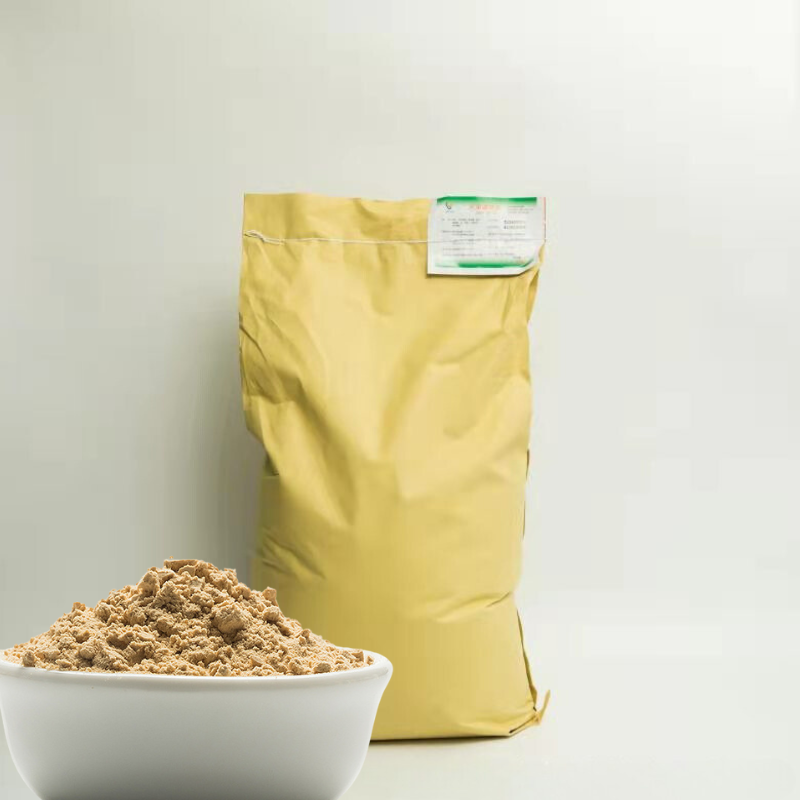
At ProfyPet, we specialize in pet food palatability enhancers and functional additive solutions. We work closely with manufacturers to co-develop formulations that are highly palatable, nutritionally complete, and aligned with international regulatory standards.
Conclusion: Feed Additives as a Strategic Ingredient
Pet feed additives are no longer optional—they are strategic components of any successful pet food formulation. With growing competition, evolving regulations, and rising consumer expectations, manufacturers must go beyond basic nutrition.
By partnering with a trusted supplier and understanding the science behind additives, brands can create formulations that are not just accepted—but preferred.