Poultry Digest for Pet Food: The Science Behind Better Palatability
Pet owners today are paying closer attention to ingredient labels than ever before. At the same time, pet food manufacturers face a growing challenge: creating nutritious formulas that pets actually enjoy eating consistently.
This is where poultry digest has become one of the most important ingredients in modern pet food palatability systems.
Whether used in dry kibble, wet food, freeze-dried diets, or treats, poultry digest helps improve aroma, flavor acceptance, and feeding enthusiasm — especially in cats and picky dogs.
For pet food manufacturers, understanding how poultry digest works is essential when developing competitive products in today’s premium pet food market.
If you are exploring advanced palatability solutions, you can also learn more at Profypet and visit https://profypet.com for ingredient and formulation insights.
What Is Poultry Digest in Pet Food?
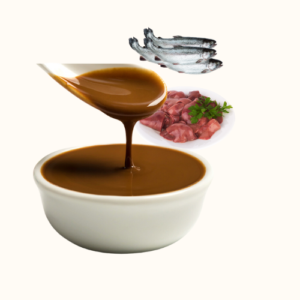
Poultry digest is a highly palatable ingredient produced through the controlled hydrolysis of poultry proteins and tissues.
During the hydrolysis process:
- Poultry raw materials are broken down into smaller peptides
- Natural amino acids and flavor compounds are released
- The resulting digest develops strong savory characteristics
The final product can appear as:
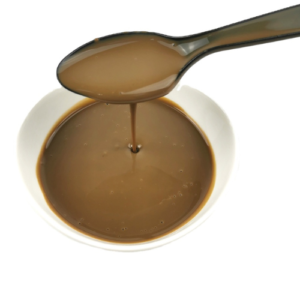
- Liquid poultry digest
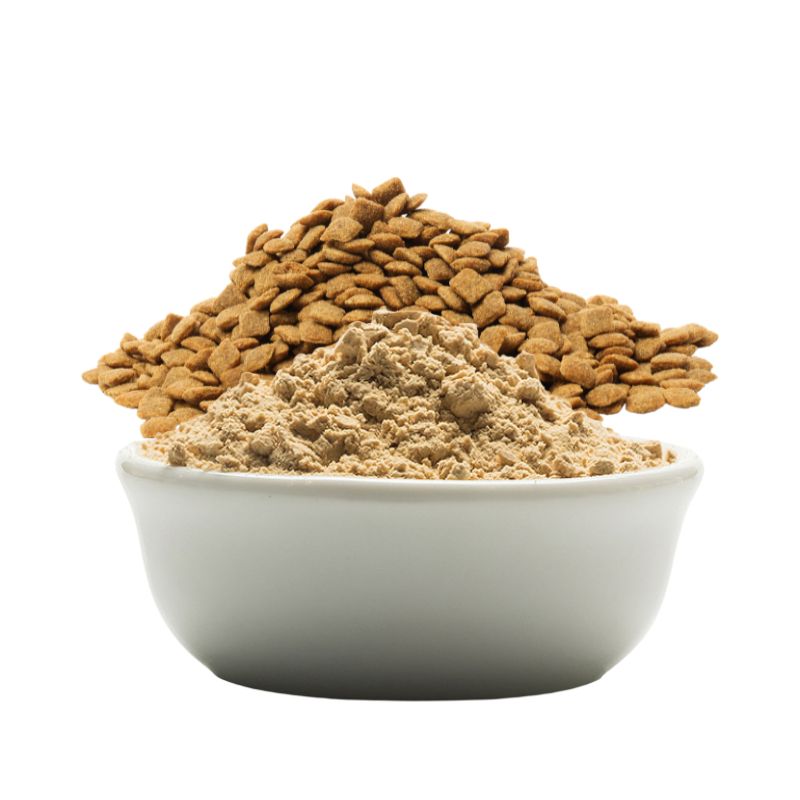
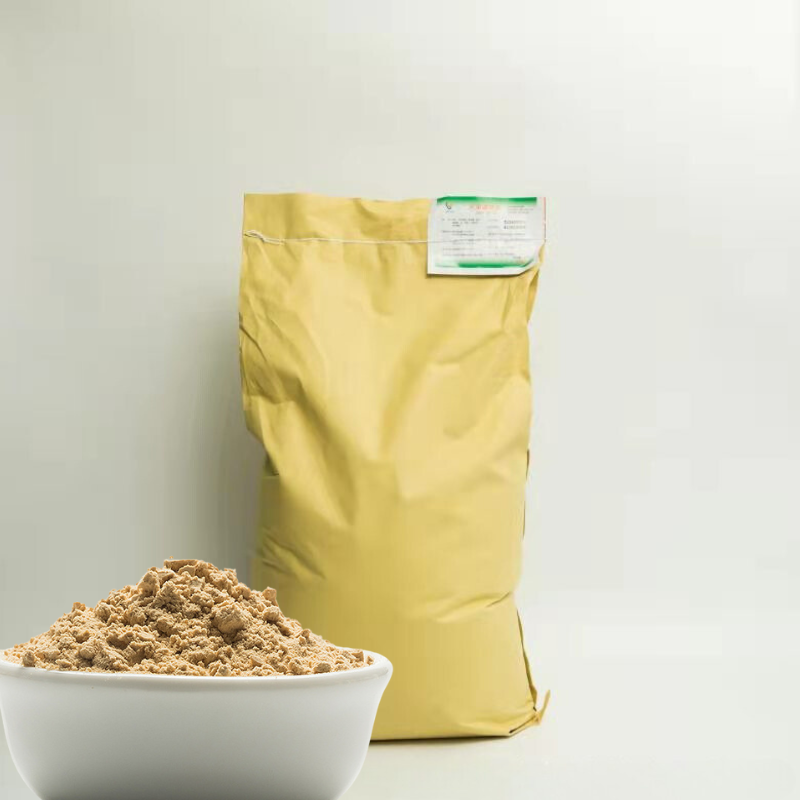
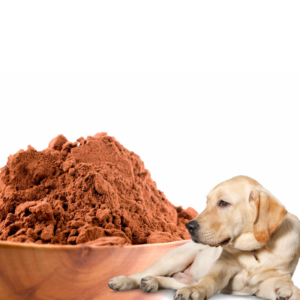
- Spray-dried poultry digest powder
- Concentrated flavor coating systems
In pet food applications, poultry digest functions primarily as a:
- Pet food palatant
- Flavor enhancer
- Palatability booster
- Aroma coating ingredient

According to the Association of American Feed Control Officials (AAFCO), animal digest is commonly used to improve taste appeal in companion animal diets.
Resource:
AAFCO Official Publication
https://www.aafco.org/
Why Poultry Digest Is So Effective
1. Pets Respond Strongly to Hydrolyzed Animal Proteins
Dogs and cats naturally prefer animal-based flavor compounds.
Hydrolyzed poultry proteins contain:
- Free amino acids
- Small peptides
- Maillard reaction flavor compounds
- Natural umami characteristics
These compounds stimulate feeding interest and improve food acceptance.
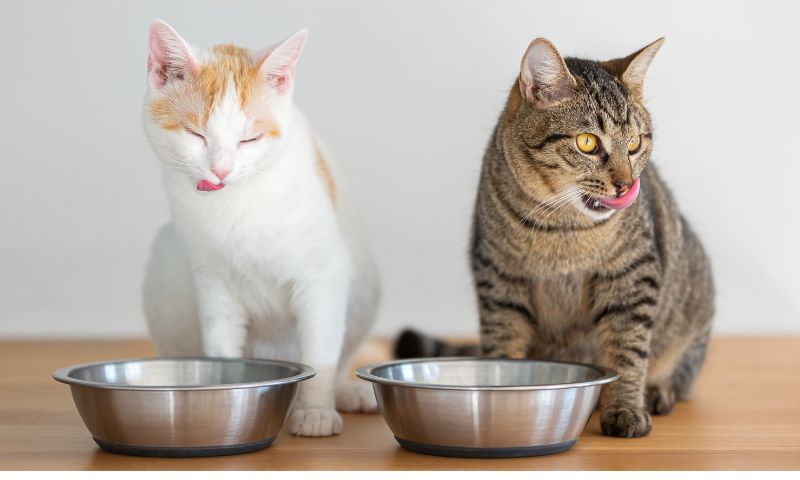
Cats are especially sensitive to meat-derived aroma molecules because they are obligate carnivores.
Research published in the journal Animals showed that palatability significantly influences feeding behavior and long-term diet acceptance in companion animals.
Source:
https://www.mdpi.com/journal/animals
2. Poultry Digest Helps Solve Common Palatability Problems
Modern pet food formulations face several challenges:
| Formulation Challenge | Palatability Impact |
|---|---|
| High plant protein inclusion | Reduced meat aroma |
| Grain-free formulas | Texture and flavor variation |
| Functional ingredients | Bitter aftertaste |
| Reduced fat formulas | Lower flavor intensity |
| Alternative proteins | Lower acceptance rates |
Poultry digest helps restore flavor balance and improves overall feeding performance.
This is especially important in:
- Cat food formulations
- Veterinary diets
- Senior pet diets
- Functional nutrition products
- High-protein kibble
Poultry Digest in Dry Pet Food Coating Systems
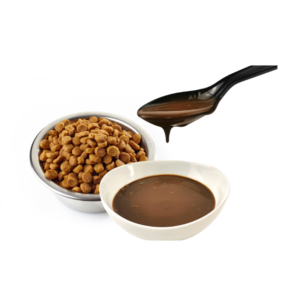
One of the most common applications is dry kibble coating.
After extrusion and drying, manufacturers often apply:
- Fat coating
- Poultry digest coating
- Flavor enhancer systems
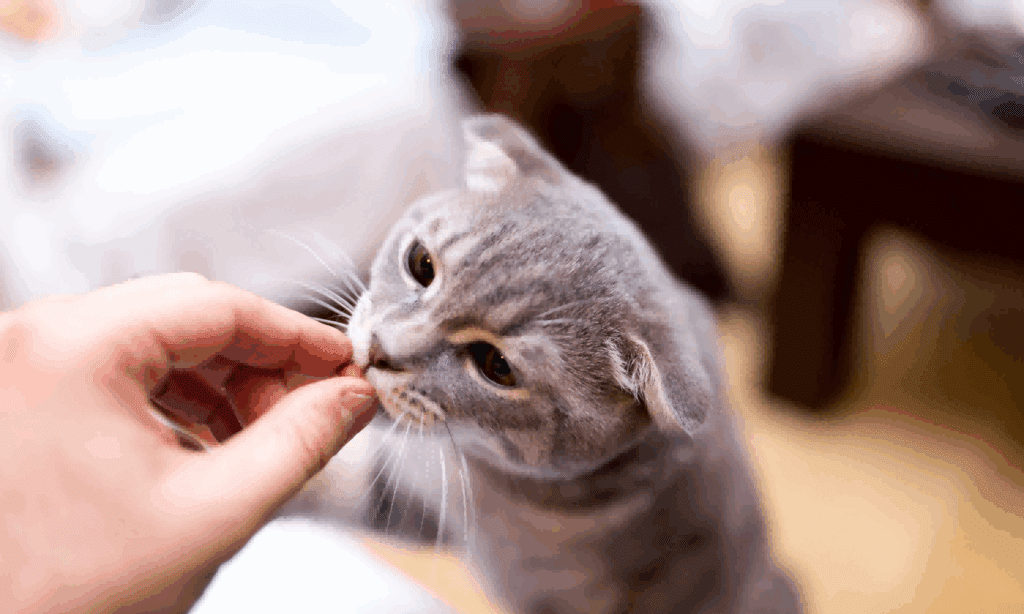
This process creates stronger surface aroma and improves first-bite acceptance.
Why Surface Coating Matters
Dogs and cats evaluate food differently than humans.
Before tasting:
- Pets smell the product first
- Aroma intensity affects feeding excitement
- Surface flavor impacts immediate acceptance
A high-quality poultry digest coating system can dramatically improve:
- Bowl approach speed
- First-bite acceptance
- Consumption consistency
- Repeat feeding behavior
This is why many premium brands invest heavily in pet food palatability enhancer technology.
Poultry Digest vs Chicken Meal: What’s the Difference?
This is one of the most misunderstood topics in pet food manufacturing.
| Poultry Digest | Chicken Meal |
|---|---|
| Primarily used for flavor | Primarily used for nutrition |
| Hydrolyzed for palatability | Rendered protein ingredient |
| Applied in coating systems | Included in formula base |
| Rich in aroma compounds | Rich in protein content |
| Enhances feeding attraction | Supports nutritional profile |
Chicken meal provides protein nutrition.
Poultry digest improves sensory appeal.
Most successful pet food products use both strategically.
Why Poultry Digest Is Popular in Cat Food
Cats are notoriously selective eaters.
Unlike dogs, cats rely heavily on smell when evaluating food.
Research from the National Research Council has shown that cats have highly specialized sensory responses to amino acids and animal proteins.
This explains why poultry digest is widely used in:
- Cat kibble
- Wet cat food
- Freeze-dried cat treats
- Functional cat diets
Common Cat Food Applications
Dry Cat Food
Improves coating aroma and feeding enthusiasm.
Wet Food Gravy Systems
Enhances savory flavor depth.
Freeze-Dried Products
Restores meaty aroma after dehydration.

Veterinary Diets
Improves acceptance in therapeutic formulations.
Liquid Poultry Digest vs Powder Poultry Digest
Both formats are widely used across the pet food industry.
Liquid Poultry Digest
Advantages:
- Strong aroma release
- Excellent coating adhesion
- Easy blending with fats and oils
Common Uses:
- Dry kibble coating
- Wet food systems
- Semi-moist treats
Spray-Dried Poultry Digest Powder
Advantages:
- Longer shelf life
- Easier transportation
- Better storage stability
- Simplified dry mixing
Common Uses:
- Dry premixes
- Treat formulations
- Extruded snacks
The choice depends on:
- Production line design
- Cost targets
- Product category
- Desired aroma intensity
Global Demand for Pet Food Palatants Is Growing
The global pet food market continues expanding rapidly.
According to Grand View Research, the global pet food market is expected to continue strong growth due to premiumization trends and increased pet humanization.
Source:
https://www.grandviewresearch.com/

As premium products increase, demand for advanced pet food palatants is also rising.
Manufacturers now focus heavily on:
- Feeding performance
- Aroma optimization
- Clean-label flavor systems
- High-protein diets
- Species-specific palatability
This trend is especially strong in:
- Southeast Asia
- South America
- Middle East
- Europe
- North America
Key Factors When Choosing a Poultry Digest Supplier
Not all poultry digest products perform equally.
Pet food manufacturers should evaluate suppliers based on several critical factors.
1. Raw Material Consistency
Consistent poultry sources improve flavor stability.
2. Hydrolysis Technology
Controlled enzymatic hydrolysis usually produces better palatability performance than inconsistent processing methods.
3. Flavor Stability
The digest should maintain aroma stability during:
- Extrusion
- Storage
- Transportation
- High-temperature processing
4. Microbiological Safety
Reliable suppliers should follow recognized food safety systems such as:
- ISO 22000
- BRCGS
- HACCP
5. Technical Support
Strong suppliers help customers optimize:
- Coating dosage
- Flavor combinations
- Species-specific palatability
- Cost-performance balance
The Future of Poultry Digest in Pet Food
Pet food palatability science is evolving quickly.
Future trends include:
- Precision palatants for cats vs dogs
- Clean-label digest systems
- Low-sodium flavor enhancement
- Sustainable protein hydrolysates
- Functional palatability systems
Manufacturers are no longer focusing only on nutrition.
Now, feeding experience itself has become a major product differentiator.
That makes poultry digest one of the most strategically important ingredients in modern pet food formulation.
Final Thoughts
Poultry digest plays a critical role in helping pet food products succeed in competitive global markets.
From improving kibble aroma to increasing feeding consistency in picky cats, this ingredient has become essential for modern pet food manufacturers.
As demand for premium pet food continues rising worldwide, advanced pet food palatants and pet food palatability enhancer systems will remain a key part of product innovation.
For manufacturers, wholesalers, and formulation teams seeking deeper insights into pet food flavor technology, coating systems, and palatability enhancement, visit Profypet at https://profypet.com to explore more industry resources and formulation solutions.