
Cat Appetite
Introduction
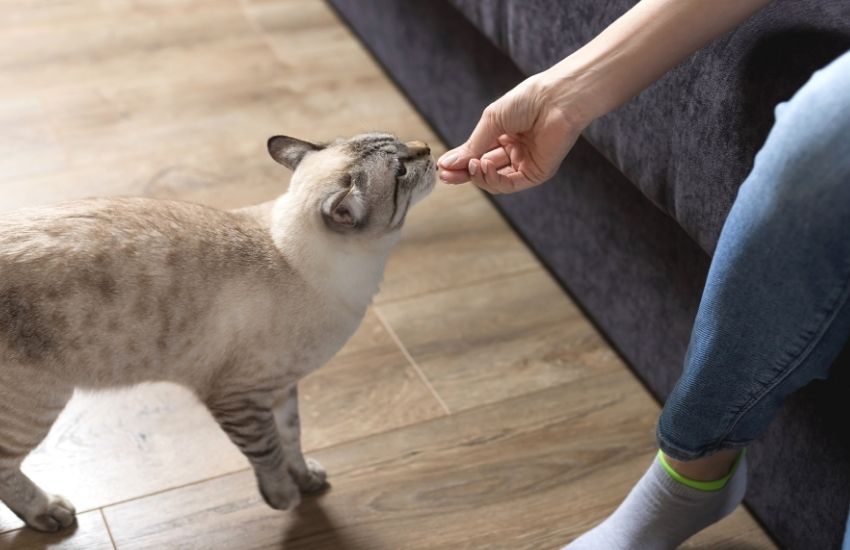
Cats are famously picky eaters. Anyone who’s ever tried to switch a cat’s food knows how selective they can be. For pet food manufacturers, pet food palatant suppliers, and feed additive formulators, understanding cat appetite is more than just a curiosity—it’s the key to product success. The secret behind irresistible cat food often lies in one factor: palatability.
At ProfyPet, we specialize in pet food palatants—the natural, science-backed ingredients that make cat food taste and smell so good that even the fussiest feline can’t resist.
1. The Science Behind Cat Appetite
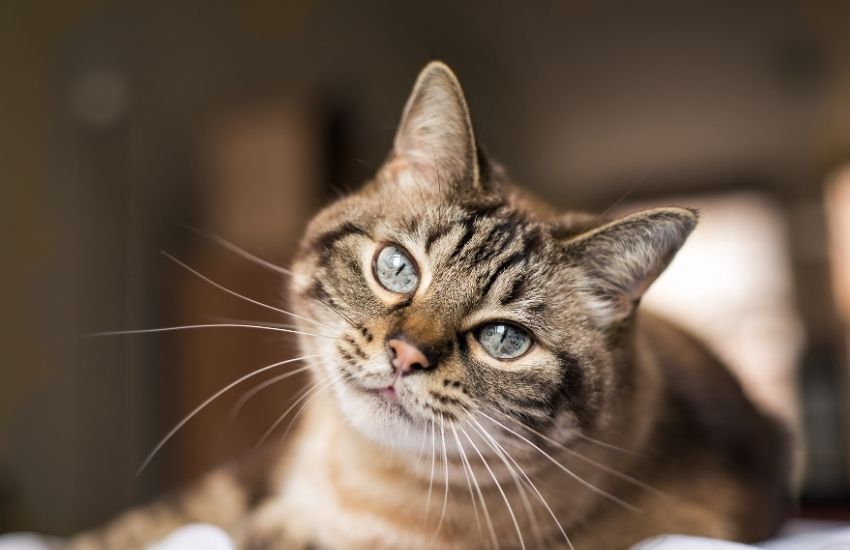
Cats have a highly evolved sense of smell and taste. Unlike dogs, they are obligate carnivores, which means their taste buds are fine-tuned to detect amino acids, especially those found in animal proteins. They cannot taste sweetness, but they can pick up subtle cues from meat-based compounds like nucleotides, peptides, and amino acids—the same compounds that pet food palatants enhance.
When formulating cat food, it’s essential to consider two factors:
- Aroma: Cats eat with their noses first. A strong, meaty scent instantly triggers their appetite.
- Flavor: Once the aroma draws them in, the flavor must deliver—balanced umami and rich, meaty depth keep them eating.
That’s where cat food flavor enhancers and palatability enhancers for pet food come into play.
2. What Are Cat Food Flavor Enhancers?
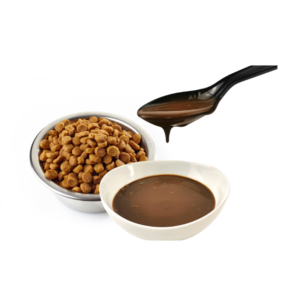
Cat food flavor enhancers, often called palatants, are special formulations added to pet food to improve its taste, aroma, and overall acceptance. These can be made from natural or synthetic sources, and their goal is to make each meal more appealing and appetizing for cats.
Common types of cat food flavor enhancers include:
- Hydrolyzed animal proteins (chicken, fish, or liver)
- Yeast extracts for umami richness
- Animal fats and broths for enhanced aroma and flavor coating
- Enzyme-treated palatants, which release savory peptides and amino acids
- Natural flavor additives, such as fish oil, taurine, and organ meat extracts
A top-quality palatability enhancer for pet food not only boosts taste but also contributes to nutritional value and digestibility.
3. How Palatability Affects Cat Feeding Behavior
A cat’s feeding behavior is directly tied to sensory satisfaction. Studies have shown that the aroma intensity, texture, and aftertaste of cat food influence both initial interest and sustained consumption.
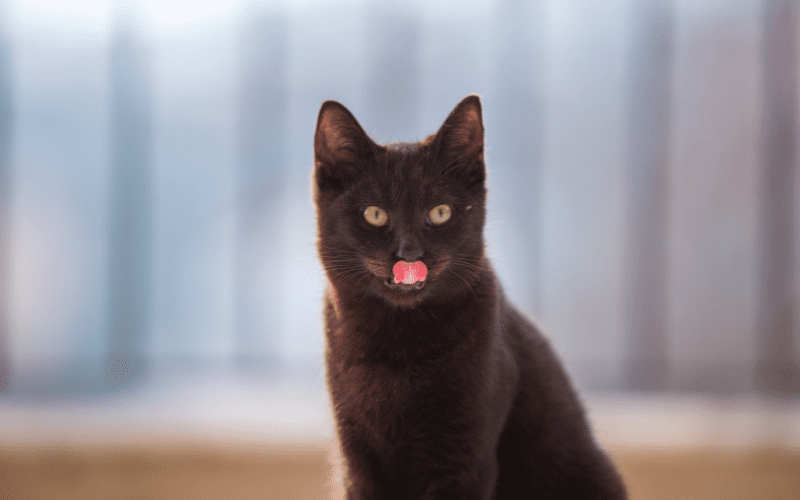
A well-designed palatant can:
- Stimulate appetite in cats with low interest in food
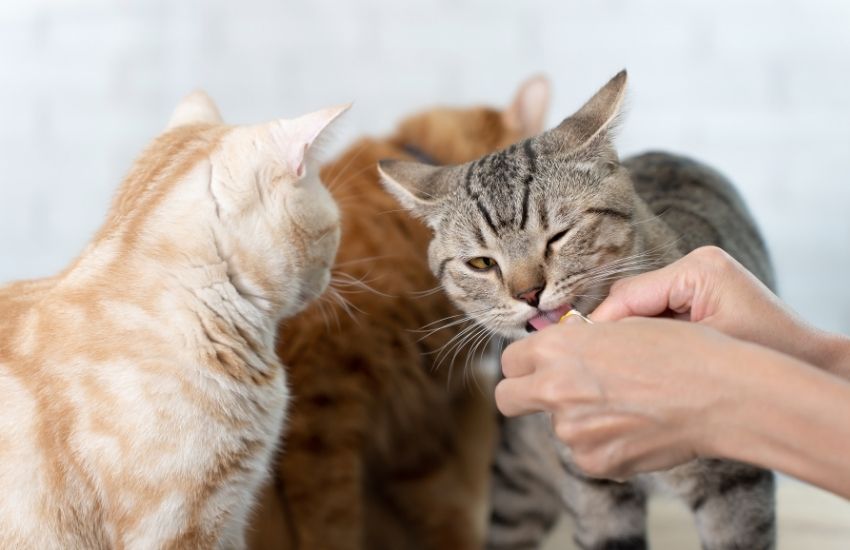
- Encourage consistent eating in multi-cat households
- Improve acceptance of therapeutic or functional diets
- Reduce food waste and enhance feeding satisfaction
In short, palatants bridge the gap between nutritional formulation and feline enjoyment.
4. Pet Food Ingredients That Support Palatability
When creating a pet food formula that cats love, the choice of ingredients is critical. Here are a few key ingredients known to improve palatability and appetite:
- Liver Hydrolysate: Adds rich meaty flavor and boosts protein digestibility.
- Fish Extracts: Especially tuna or salmon, for aroma enhancement.
- Yeast Hydrolysate: A natural flavor base that improves umami taste.
- Animal Fats: Serve as both flavor carriers and aroma enhancers.
- Amino Acids (like Taurine): Essential for health and recognized by cats as a flavor signal.
Combined with specialized pet food palatants, these ingredients make pet food irresistible.
5. Feed Additives for Dogs and Cats: What’s the Difference?
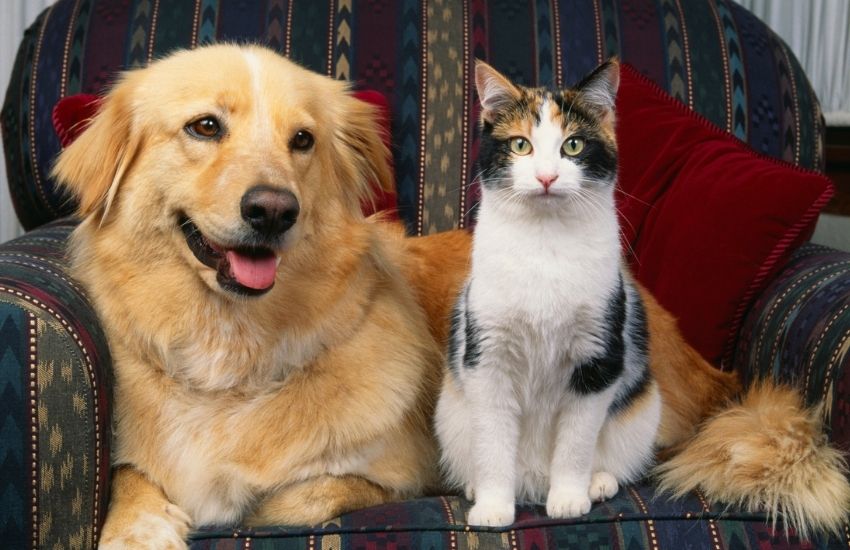
While both dogs and cats benefit from flavor and aroma enhancers, their taste preferences differ significantly.
- Dogs respond well to a wide range of flavors, including sweet, meaty, and savory notes.
- Cats, on the other hand, prefer rich animal-based flavors and are less responsive to plant or synthetic flavorings.

Therefore, when formulating for cats, manufacturers rely more heavily on meat-based palatants, enzymatic hydrolysates, and thermal reaction flavoring techniques to mimic the authentic scent of fresh meat.
6. Partnering with the Right Palatability Enhancer Supplier
For pet food factories, sourcing the right palatability enhancer supplier is essential. The best suppliers don’t just sell flavor—they deliver consistency, performance, and support for customized formulations.
At ProfyPet, we work closely with pet food manufacturers to:
- Develop tailored palatant solutions for different food bases (dry, wet, or semi-moist).
- Ensure batch-to-batch consistency and flavor stability.
- Provide R&D support to optimize aroma, texture, and flavor retention.
- Offer natural and sustainable ingredient options to meet market demand.
With our expertise in pet food palatants, we help manufacturers elevate their formulas and stand out in a competitive market.
7. The Future of Cat Food Palatability
As consumer awareness about pet nutrition grows, so does the demand for natural, functional, and eco-friendly palatants. Manufacturers are exploring:
- Fermented and enzymatically treated ingredients for enhanced aroma.
- Sustainable raw materials from by-products and plant proteins.
- Health-driven palatants that combine taste with benefits like gut health or immunity support.
These innovations make it possible to create cat foods that are not only delicious but also nutritionally advanced and environmentally responsible.
Conclusion
Cat appetite is a delicate balance between nutrition, aroma, and flavor. While premium ingredients form the foundation, the real magic lies in the palatability enhancers that make cats crave every bite.
For pet food manufacturers looking to create truly irresistible cat food, partnering with a reliable pet food palatant supplier like ProfyPet ensures both taste excellence and product success.
👉 Visit profypet.com to explore our range of pet food palatants and learn how we can help you enhance your cat food formulas with superior flavor and aroma solutions.