
Unlocking the Power of Moisture in Dry Pet Food Manufacturing
A practical guide for pet food manufacturers, factories, and palatant suppliers
Moisture is one of the most underestimated variables in dry pet food production—yet it has an outsized impact on product texture, palatability, shelf life, and overall processing efficiency. Whether you’re a pet food palatant wholesaler, a manufacturer scaling production, or a factory fine-tuning extrusion performance, understanding moisture dynamics can give you a real competitive edge.
This article breaks down why moisture matters, how it behaves during processing, and how to use it strategically to enhance both product quality and operational efficiency.
Why Moisture Matters More Than Most People Think
In dry pet food, moisture is not just a by-product—it’s a functional ingredient that influences:
- Extrusion performance and starch gelatinization
- Kibble expansion, density, and bite texture
- Maillard reactions and flavor development
- Palatant adhesion and aroma expression
- Shelf stability and microbial safety
Even a 1–2% shift in moisture can change the look, feel, and aroma of a finished kibble. For manufacturers aiming for consistency and high palatability, managing moisture across the entire process is essential.
The Role of Moisture in Pre-Conditioning
Pre-conditioning sets the stage for successful extrusion. Here, moisture primarily comes from steam and water injection. The key functions include:
1. Softening Raw Materials
Steam hydrates proteins and starches, making them pliable and easier to process. Higher moisture leads to smoother material flow and reduces mechanical wear.
2. Enhancing Starch Gelatinization
Moisture enables uniform heat transfer, helping starch granules swell and burst. Better gelatinization improves kibble expansion and digestibility.
3. Creating a Stable Thermal Environment
Moisture acts as a thermal buffer, protecting nutrients and ensuring uniform cooking before the dough enters the extruder.
Optimal pre-conditioning moisture:
Typically 24–28%, depending on formulation and desired expansion.
Moisture During Extrusion: Where Precision Matters Most
Inside the extruder, moisture interacts with heat, pressure, and shear forces to shape the final kibble. Key moisture-driven mechanisms include:
1. Expansion Control
Moisture levels influence how the kibble “puffs” as it exits the die.
- More moisture → softer dough, moderate expansion.
- Less moisture → higher friction, aggressive puffing.
2. Nutrient Protection
Adequate moisture prevents excessive heat damage to proteins, amino acids, and vitamins.
3. Bite Texture Development
Moisture acts as a plasticizer. Proper levels ensure a firm but not brittle structure.
Extrusion moisture target:
Generally 25–30% for standard dog and cat kibble; adjusted based on protein content and starch types.
Drying Phase: Where Moisture Determines Shelf Life
Once kibbles leave the extruder, moisture must be reduced quickly and uniformly.
1. Microbial Safety
High moisture creates an environment where mold and bacteria thrive. Drying must bring moisture down to a safe level.
2. Water Activity (aW) Control
Even if total moisture is low, water activity determines microbial stability.
Target aW: 0.55–0.65 for most dry pet foods.
3. Preventing Case Hardening
If the outer layer dries too fast, it traps moisture inside, leading to instability. Uniform airflow and staged temperature profiles help avoid this.
Final moisture target:
Typically 8–10%.
Moisture’s Role in Palatant Application
Moisture becomes especially valuable during the coating process, where palatants bring aroma and flavor to the surface.
1. Improving Palatant Adhesion
Surface moisture helps fat, oils, and powdered palatants bond more effectively to the kibble.
2. Enhancing Aroma Release
Moisture supports volatile compounds, improving the perceived aroma of the kibble—one of the key drivers of palatability in cats and dogs.
3. Supporting Even Distribution
A slightly moist surface ensures powders cling evenly, avoiding “dust-off” issues during packaging and shipping.
Ideal coating moisture:
Kibble should enter the coater at <10% moisture to prevent clumping but still allow good adhesion.
How Palatant Suppliers Work With Moisture
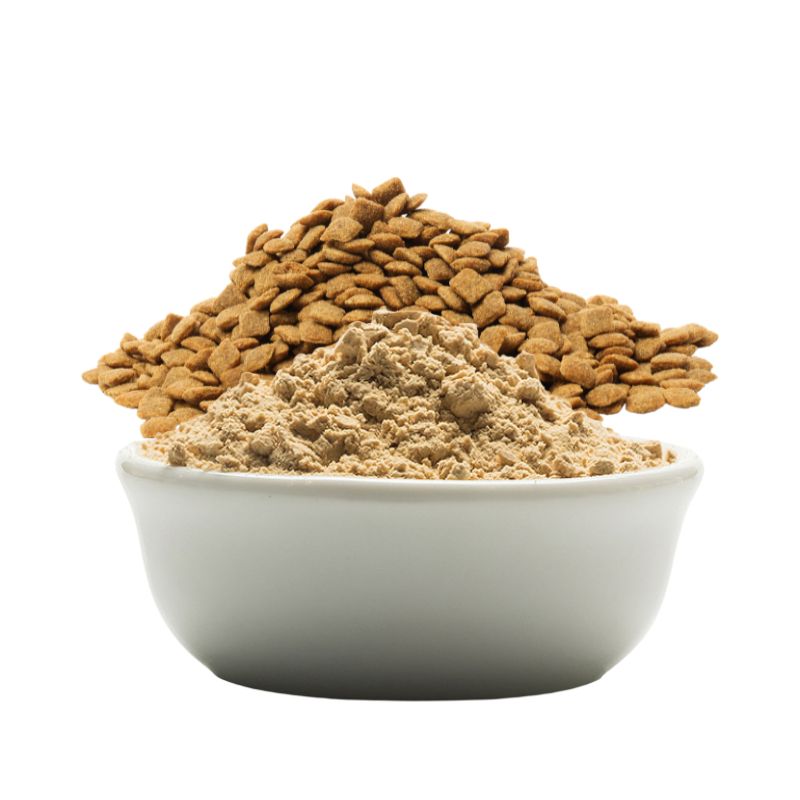
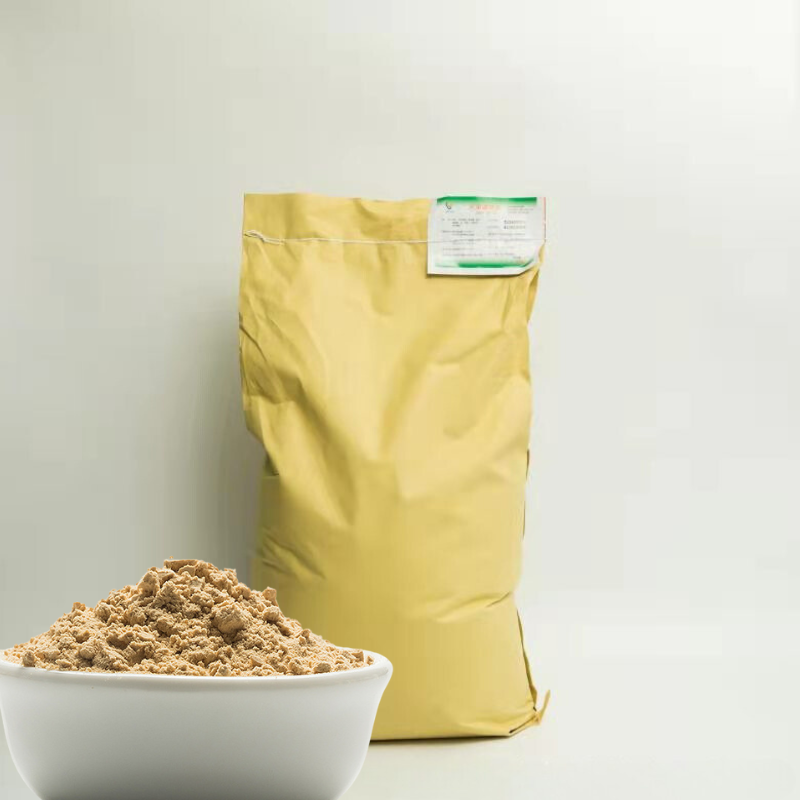
Palatant manufacturers—such as profypet.com—design formulas with moisture behavior in mind:
- Liquid palatants require the right surface moisture for even coverage.
- Dry palatants depend on the kibble’s residual moisture to activate aroma notes.
- Enzymatic palatants react with moisture to generate stronger meat-like flavors.
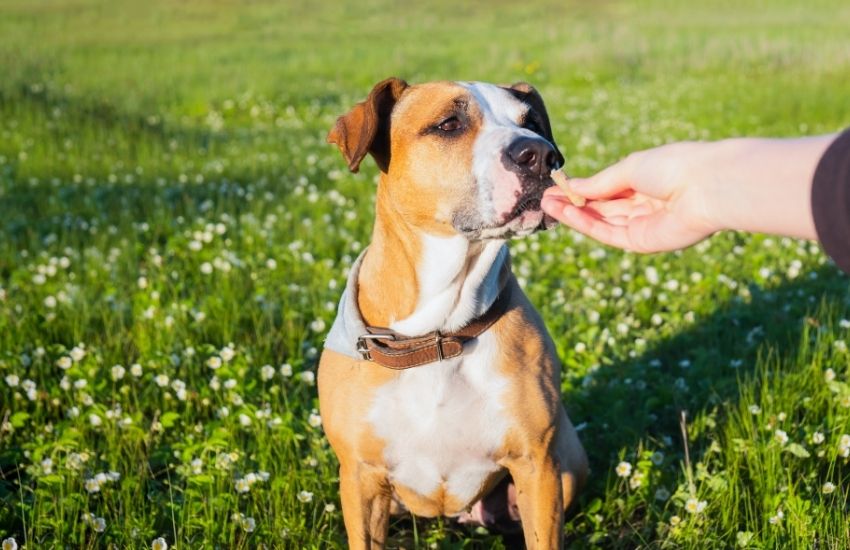
In other words, moisture is a critical bridge between kibble base formula and final flavor impact.
Common Moisture Challenges and How to Solve Them
1. Inconsistent Expansion
Cause: Irregular moisture distribution in pre-conditioning
Fix: Upgrade mixing paddles or steam injection calibrations.
2. Palatant Non-Adhesion
Cause: Kibble too dry or too hot during coating
Fix: Adjust cooler airflow or apply a controlled mist before coating.
3. Shelf-Life Failures
Cause: Residual core moisture or high water activity
Fix: Extend drying curve, improve airflow, or use staged drying.
4. Hard / Brittle Kibble
Cause: Moisture too low entering extruder
Fix: Increase steam injection to improve plasticization.
How to Optimize Moisture Across the Entire Line
Successful manufacturers implement moisture management as a continuous loop:
- Measure raw ingredient moisture
Each lot varies; adjust formulas accordingly. - Calibrate pre-conditioner steam injection
Target consistency, not just total moisture. - Monitor extruder barrel moisture & temperature
Avoid moisture loss through throughput changes. - Use staged drying to prevent case hardening
Slow, controlled drying yields more stable product. - Test water activity regularly
aW is more predictive of shelf life than moisture percentage.
- Collaborate with palatant suppliers
Align coating moisture with palatant requirements for better aroma and flavor expression.
Final Thoughts
Moisture management is both a science and an art. When used intelligently, it improves production efficiency, enhances kibble structure, protects nutrients, and unlocks the full flavor potential of palatants. For pet food factories and manufacturers striving for high palatability and reliable quality, mastering moisture is one of the most cost-effective ways to elevate product performance.
If you’re optimizing your extrusion line, upgrading palatants, or improving consistency, understanding moisture behavior can help you deliver better results across every batch—every time.
If you’d like support with moisture-compatible palatant solutions, you can explore profypet.com for specialized aroma and flavor enhancers designed for modern dry pet food production.